Italy Cash or Card Payment Explained
How to pay for things in Italy: when to use cash, when cards work, and what the coperto and tourist tax add to every bill.
Paying for Things in Italy
Italy does not run on cash. A decade ago it did. Now cards dominate cities and cover most bills, but cash still rules a narrow set of situations that catch unprepared visitors. The euro (EUR, symbol €) is the currency everywhere, from the Alpine north to Sicily. You need both payment methods. Knowing which to use where keeps your trip moving, rather than leaving you stranded at a pastry shop with no coins.
Italy Euro Currency: What You Actually Carry
Euro banknotes come in seven denominations, from €5 up to €500. For daily spending in Italy, the €50 note is the largest you should carry. Many small merchants, market stalls, and bars will refuse a €100 or €200 note for a €3 coffee. Coins are used constantly: 1 cent, 2 cent, 5 cent, 10 cent, 20 cent, 50 cent, €1, and €2. The plural of cent in Italian is centesimi, though locals rarely say it; you will see the amounts on receipts.
Italy adopted the euro on 1 January 1999 for electronic transactions and introduced euro cash on 1 January 2002. The fixed conversion rate was 1 EUR = 1936.27 Italian lire. You cannot spend lire anywhere. Cash still accounts for roughly 30 to 40 per cent of point-of-sale transactions by volume according to the most recent data published by the Banca d'Italia. Cards account for the remaining 60 to 70 per cent. Those figures shift annually, and the Banca d'Italia publishes the updated share each year. For a visitor, the practical takeaway is that you need coins for small purchases and cards for everything else.
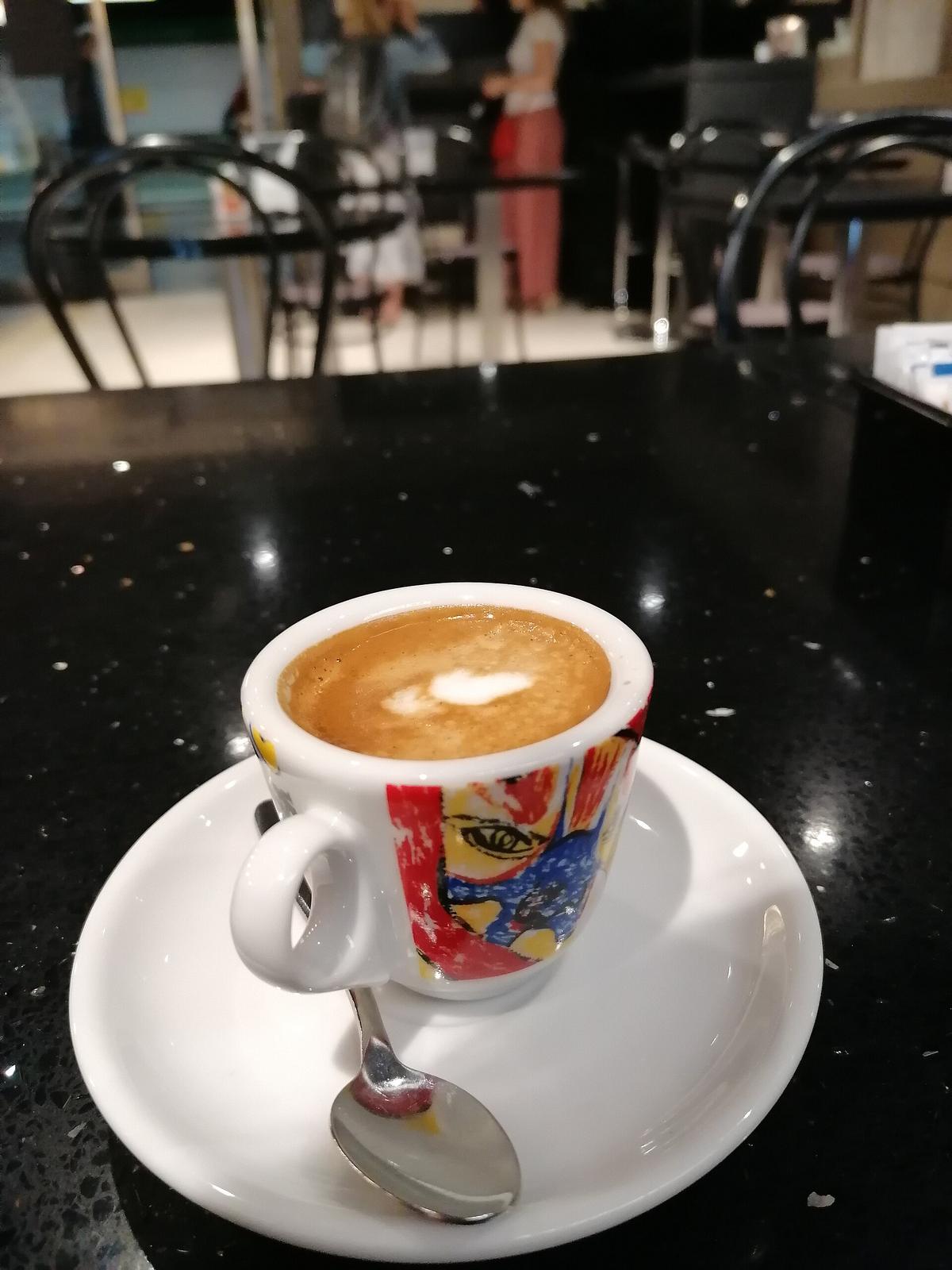

Cash or Card Payment in Italy: Where Each Wins
When Card Works Without Question
In every major city, cards are accepted at supermarkets, chain stores, museums, train ticket kiosks, petrol stations, and most sit-down restaurants. Contactless payment penetration at terminals is above 90 per cent of active POS terminals. Visa and Mastercard are the dominant schemes, often co-badged with the domestic PagoBANCOMAT system. Since 30 June 2022, Italian law requires merchants and professionals to accept at least one electronic payment method for any amount. That does not mean every single business follows the rule, but it means you can demand a card payment at a shop that has a working terminal.
When Cash Is Still Required
Cash rules in three specific situations. First, small towns and villages: a bakery in a hill town in Tuscany or a produce stall in a Puglian market will not have a card terminal. Second, bar tabacchi (tobacconists): these sell bus tickets, stamps, and SIM cards and often operate on cash only for small items. Third, purchases under €5: a coffee at a standing bar, a gelato from a hole-in-the-wall vendor, or a single bus ticket from a newsstand. Keep at least €20 to €30 in small coins and €5 and €10 notes on you at all times.
The broken card terminal excuse is real. Some businesses claim the device is not working to avoid the transaction fee. If the business clearly has a terminal and is refusing to use it for a purchase above €5, mention the 2022 law. In practice, many will suddenly find the terminal works again.
Italy ATM Bancomat Tips: How to Get Cash Without Getting Scammed
The Italian word for ATM is bancomat (bank-owned) or Postamat (post office owned). You will see these on bank branches and post offices in every town. Use them. They dispense euros at the exchange rate your home bank sets, plus whatever fee your card issuer charges. The unit itself should not add a fee beyond what is disclosed on the screen before you confirm.
Avoid Independent ATM Operators
In tourist-heavy areas you will find ATMs operated by independent companies, not banks. These units carry names like Euronet, or generic bright yellow and green screens. They charge high fees and aggressively push Dynamic Currency Conversion. The DCC markup ranges from 3 to 12 per cent above the midmarket rate. That is money you never need to lose.
How to Beat Dynamic Currency Conversion
When the ATM screen asks if you want to pay in euros or in your home currency, always select euros. Selecting your home currency triggers DCC. The same rule applies at any payment terminal: if the card unit asks whether you want the charge in EUR or in your home currency, choose EUR. The conversion your bank does later will beat the one the terminal offers.
What to Do If You Cannot Find a Bank ATM
Open your map app and search for "bancomat" plus the name of the bank nearest to you. Intesa Sanpaolo, UniCredit, and Banca Monte dei Paschi di Siena are the major banks. Their ATMs are visible from the street. Avoid the independent units even if they are the closest. A five minute walk to a bank ATM saves you a 10 per cent fee.
Italy Restaurant Coperto: the Charge That is Not a Tip
Every sit-down meal in Italy includes a line item on your bill called coperto (cover charge) or servizio (service charge). This is not a tip. It covers the bread basket, tablecloth, and utensils. It is listed on the menu, usually €1.50 to €3.00 per person. In tourist zones in Rome, Florence, and Venice it can reach €4.00. The coperto is not optional and not a gratuity. You pay it whether or not you eat the bread.
Some restaurants have replaced the coperto with a mandatory servizio charge of 10 to 15 per cent, clearly stated on the menu. This too is not a tip. Never add another gratuity on top unless the meal was exceptional and you understand that the staff do not expect it. Tipping culture in Italy is fundamentally different from the United States or Canada. Tipping in restaurants is not expected. Tipping in bars or cafés is occasional: rounding up to the nearest euro or leaving small coin change is a polite gesture but not required. Taxi drivers appreciate rounding up the fare, but it is not obligatory. Hotels have no general expectation; a small gratuity for exceptional help is at your discretion.
Italy Tipping Culture: What Locals Actually Do
Italians do not tip like North Americans. A restaurant server in Italy earns a living wage, and the coperto covers the table service. If you attempt to tip 15 to 20 per cent at a trattoria in Trastevere, the server will likely chase you down with the extra money, assuming you made a counting error. Leave a few euros in cash if you want to acknowledge excellent work, but leave it on the table rather than adding it to the card payment, because the card transaction goes to the business, not the server.
Bars, Taxis, and Guided Tours
At a bar, if you drink a cappuccino standing at the counter (al banco), you pay what is written on the till receipt. Rounding up to the next euro is common but not expected. If you sit at a table (al tavolo), the price doubles because of the table service, and no tip is added. For a taxi, rounding the fare up to the nearest €1 or €2 is fine. The driver will not chase you for more.
One situation where cash is essential for tipping: a guided tour of museums or archaeological sites. The guide does not expect a tip, but if you want to leave one, do it in cash. Card tipping is not standard and your guide is unlikely to have the ability to accept it on the tour terminal.
The Tourist Tax You Will Pay Every Night
Every hotel, B&B, and rental apartment in Italy charges a tourist tax (tassa di soggiorno). This is a per person, per night fee set by each municipality. In Rome it ranges from €3 to €7 per person per night depending on the accommodation category. In Florence it is €2 to €6. In Venice it is €1 to €5. The tax is not included in the booking price you see online. It is paid at check in, in cash at many smaller properties, though larger hotels accept card. Budget for an extra €2 to €8 per person per night of your stay.
Children under 10 or 12 are often exempt, and the tax is capped at 10 to 14 consecutive nights depending on the city. Verify the rate when you book so you are not surprised at the front desk. If you are staying in an apartment booked through a short term rental platform, the host will either collect the cash at check in or add it to the online payment. Confirm the method before arrival.
What Goes Wrong: the Failure Cases
The single thing that most often goes wrong: you find a restaurant you want to eat at, sit down, order, finish the meal, and are told the card terminal is broken and the nearest ATM is a 15 minute walk. This happens most often at family run trattorias outside the city centre and in coastal towns in August. You cannot force a terminal to work, and arguing about the 2022 law over a pasta dinner ruins the evening. Carry enough cash to cover a full dinner plus the coperto for two people: €60 to €80 in small notes is the safe minimum.
Second failure: you arrive at a market or a small museum and find a sign reading "Bancomat non funzionante" (ATM not working). The independent ATMs in tourist areas charge the DCC fee. The bank ATMs are on the other side of town. Budget your cash withdrawal at a bank unit the day before. Third failure: you try to pay a €1.50 espresso with a €50 note. The barista will politely refuse and gesture to the sign that says they do not accept notes larger than €20. Always break large notes at a supermarket or a tabacchi, not at a small bar.
Common Questions
Do I need to carry cash in Italy in 2026?
Yes, but only for small purchases under €5, markets, bar tabacchi, and small town shops. Cards work in the vast majority of city restaurants, hotels, and stores. Keep €20 to €30 in small notes and coins on you at all times.
What is the coperto on an Italian menu?
A cover charge, typically €1.50 to €4.00 per person, listed on the menu. It covers bread, table service, and utensils. It is not a tip. You pay it whether or not you eat the bread.
Should I tip restaurant staff in Italy?
No. Tipping is not expected. The coperto or servizio charge replaces it. For exceptional service, leaving a few euros in cash on the table is polite but optional.
How do I avoid ATM fees in Italy?
Use a bank owned ATM (Bancomat or Postamat). Select euros when the unit asks about currency conversion. Avoid independent ATMs like Euronet, which charge markups of 3 to 12 per cent.
What is the tourist tax in Italy and how do I pay it?
A per person, per night fee set by each city, typically €2 to €8. It is paid at check in, often in cash at smaller hotels and B&Bs. Confirm the amount and payment method when you book.
Read next
-
 Staying Connected in Italy With eSIM, Local SIM or Roaming
eSIM, local SIM, or roaming: which keeps you connected across Italy's cities, hill towns, and coastal dead zones, and what each path actually requires.
Staying Connected in Italy With eSIM, Local SIM or Roaming
eSIM, local SIM, or roaming: which keeps you connected across Italy's cities, hill towns, and coastal dead zones, and what each path actually requires.
-
 Best Time to Visit Italy and What Each Season Actually Delivers
When to go to Italy and what each season actually delivers: weather, crowds, closures, and the dates that spike hotel prices.
Best Time to Visit Italy and What Each Season Actually Delivers
When to go to Italy and what each season actually delivers: weather, crowds, closures, and the dates that spike hotel prices.
-
 Getting Around Italy by Train, Car and Ferry Without the Common Mistakes
How to move around Italy by train, car, and ferry, and what the map oversells. The real friction points of Italian transport.
Getting Around Italy by Train, Car and Ferry Without the Common Mistakes
How to move around Italy by train, car, and ferry, and what the map oversells. The real friction points of Italian transport.
-
 Italy Visa Requirements for Tourists and the Schengen Rules
Who needs a visa for Italy, who does not, and how the Schengen 90/180-day rule applies. A clear breakdown of entry requirements for tourists.
Italy Visa Requirements for Tourists and the Schengen Rules
Who needs a visa for Italy, who does not, and how the Schengen 90/180-day rule applies. A clear breakdown of entry requirements for tourists.
-
 Is Italy Safe, Reading the Advice Without Being Misled by It
Is Italy safe? The real risks for tourists, stripped of exaggeration: pickpocketing on the Rome Metro, bracelet scams in Milan, and how to handle them.
Is Italy Safe, Reading the Advice Without Being Misled by It
Is Italy safe? The real risks for tourists, stripped of exaggeration: pickpocketing on the Rome Metro, bracelet scams in Milan, and how to handle them.
-
 What a Trip to Italy Actually Costs and Where the Money Goes
How money flows through an Italy trip: the fixed costs, the seasonal surges, and the everyday spending rhythms that shape your budget.
What a Trip to Italy Actually Costs and Where the Money Goes
How money flows through an Italy trip: the fixed costs, the seasonal surges, and the everyday spending rhythms that shape your budget.
-
 A Ground-Level Logistics Guide to Independent Travel in China
First-time independent travel in China: what you need to know about visas, rail booking, eSIMs, mobile payments, and power adapters.
A Ground-Level Logistics Guide to Independent Travel in China
First-time independent travel in China: what you need to know about visas, rail booking, eSIMs, mobile payments, and power adapters.
-
 How Solo Travelers Stay Ahead of Flight Delays and Cancellations
How solo travelers can track inbound aircraft, claim rebooking rights, and adjust ground transport when flights go wrong — step by step.
How Solo Travelers Stay Ahead of Flight Delays and Cancellations
How solo travelers can track inbound aircraft, claim rebooking rights, and adjust ground transport when flights go wrong — step by step.
-
 Why Your eSIM Might Not Work Abroad and How to Check Before You Go
Buying an eSIM doesn't guarantee signal abroad. Learn why coverage fails by location and how to verify reach before you commit to a plan.
Why Your eSIM Might Not Work Abroad and How to Check Before You Go
Buying an eSIM doesn't guarantee signal abroad. Learn why coverage fails by location and how to verify reach before you commit to a plan.