Austria: Where the Alps Meet the Habsburg Empire
Austria pairs baroque imperial cities with Alpine valleys close enough to reach by train, making a week the minimum to experience both.
- Flag
-
- ISO code
- AT
- Population
- 8,847,037
- Currency
- EUR
- Dial code
- +43
Austria shuts down on Sundays. That single fact reshapes every itinerary for a first time visitor, because the country delivers polished Alpine scenery, imperial cities and a cultural calendar that punches far above its weight. Sunday closures are total. Supermarkets, pharmacies and most shops lock their doors. Only petrol stations, railway station shops and a handful of bakery outlets open. Plan for it before you arrive. This austria travel guide answers what defines a trip here and how its regions and seasons fit together for someone who has never visited, whether your interest runs toward the Habsburg interiors of Vienna, the lake-dotted limestone peaks of the Salzkammergut or the dramatic valleys of Tyrol.
- Capital City: Vienna
- Official Languages: German (national); Slovene in Carinthia; Croatian and Hungarian in Burgenland
- Currency: Euro (EUR)
- Population: 9.2 million (2024 estimate, Statistics Austria)
- Area: 83,879 km²
- Landlocked: Yes; bordered by 8 countries
- Government Type: Federal parliamentary republic
- EU Membership: Since 1995
- Schengen Membership: Since 1997
- Highest Point: Grossglockner, 3,798 m
- UNESCO World Heritage Sites: 12 (as of 2024 list)
- National Railway Company: Österreichische Bundesbahnen (ÖBB)
- Main International Airport: Vienna International (VIE)
- Emergency Number: 112 (pan-European); 133 (police); 144 (ambulance); 122 (fire)
- Driving Side: Right
- Plug Types: Type C (Europlug) and Type F (Schuko)
- Time Zone: CET (UTC+1); CEST (UTC+2) late March to late October
- Entry for US, UK, Canada, Australia, NZ: Passport valid 3 months beyond departure; visa-free up to 90 days per 180-day period
- ETIAS: Expected for visa-exempt non-EU nationals; launch date unconfirmed as of 2026. Verify with official sources.
- Motorway Vignette: Required for all vehicles up to 3.5 t; digital vignette via ASFiNAG
- Speed Limits: 130 km/h motorways, 100 km/h rural roads, 50 km/h urban
- Winter Tyre Requirement: Mandatory November 1 to April 15 in winter conditions
Austria Itinerary Planning: the Minimum Days Problem
Why Seven Days Is The Floor
Seven days is the floor. Fewer and you are forced to choose between a single city and a single Alpine area, missing the contrast that defines an Austrian trip. The common mistake is trying to cover Vienna, Salzburg and Innsbruck in one week by car. The distances look short on a map, but the A1 and A10 motorways are prone to summer construction delays and winter chain requirements, turning a three hour drive into five plus. You lose the time to actually experience any of the places. The rail network solves this. Austrian rail travel, operated by ÖBB, links every major city and most valley towns with reliable service. Vienna to Salzburg takes about 2 hours 20 minutes on a Railjet. Salzburg to Innsbruck runs about 1 hour 45 minutes. Innsbruck to Bregenz takes about 2 hours 30 minutes. Use those connections, not a rental car, for the core route.
When To Book And When To Avoid
Book accommodation before you book transport. Peak seasons are December through March for skiing and Christmas markets, and July through August for the Salzburg Festival, lake swimming and hiking. Both periods bring peak pricing and sold out rooms in the Salzkammergut, Tyrol and the city of Salzburg. Avoid the first week of January when many family run hotels close for annual holiday. Easter weekend brings a domestic travel surge and traffic jams on the A10 and A1. Skip Vienna during large trade fairs like the Vienna Autoshow, which shifts dates annually. Mid range hotel rates spike hard during those events; check the fair calendar before locking in dates.

ÖBB Rail Travel Austria: the Only Way to Move
The dominant mode is the ÖBB rail network, supplemented by Postbus for valleys and villages. Payment requires the ÖBB app or a ticket machine before boarding. On regional trains you cannot buy a ticket from the conductor without a surcharge. The single thing that trips visitors up: Sparschiene discount tickets are non refundable and tied to a specific train. Miss it and the ticket is worthless. Always download tickets as PDFs before travelling because mobile signal drops to zero in deep Alpine valleys and on some high passes. The same precaution applies to offline maps.
Airport Connections
Vienna International Airport has two rail options. The City Airport Train to Wien Mitte is fast but overpriced. The regular ÖBB Railjet takes the same time and costs a fraction of the price. Take the Railjet. Salzburg Airport connects via bus line 2 to the Hauptbahnhof. Innsbruck Airport uses bus F to the city centre. For western Austria, Munich International Airport in Germany is the practical entry point. FlixBus or ÖBB rail from Munich to Salzburg takes about 2.5 hours; fares vary by booking window, so check ÖBB and FlixBus directly for current prices.
Paying The Toll Sections
Three motorway sections require separate tolls beyond the vignette. The Tauern Tunnel on the A10 between Flachau and Rennweg, the Arlberg Road Tunnel on the S16, and the Brenner motorway A13 from Innsbruck to the Italian border. Each is collected at the toll station or via a digital section toll. Do not attempt to bypass these; enforcement is automated.
| Route | Fastest Rail Time | Frequency |
|---|---|---|
| Vienna to Salzburg | 2 h 20 min | Hourly Railjet |
| Vienna to Innsbruck | 4 h 15 min | Hourly Railjet |
| Vienna to Graz | 2 h 35 min | Hourly Railjet |
| Vienna to Klagenfurt | 3 h 50 min | Hourly Railjet |
| Vienna to Bregenz | 6 h 30 min | Several daily |
| Salzburg to Innsbruck | 1 h 45 min | Hourly Railjet or Westbahn |
| Innsbruck to Bregenz | 2 h 30 min | Hourly regional express |
| Vienna to Hallstatt | 3 h 15 min to 3 h 45 min | Change at Attnang-Puchheim |
| Salzburg to Hallstatt | 2 h 10 min to 2 h 30 min | Change at Attnang-Puchheim or Stainach-Irdning |
| Vienna to Krems (Wachau) | 1 h | Direct from Wien Franz-Josefs-Bahnhof |
Austria Regional Overview: Nine States, One Country
East To West: The Nine States
Austria divides into nine federal states, each with a distinct character. Vienna is the monumental imperial core with efficient trams, coffee houses, the Hofburg Imperial Apartments, Schönbrunn Palace and the Belvedere housing Klimt's The Kiss. Book timed entry for Schönbrunn online; the free nave at Stephansdom is worth a look, but the tower and catacombs are paid. Lower Austria holds the Wachau Valley, a 36 km stretch of Danube terraced vineyards, apricot orchards and medieval villages anchored by Melk Abbey with its baroque library. Styria rolls out vineyards, pumpkin seed oil, thermal spas and the city of Graz with its Schlossberg clock tower. Carinthia offers the warmest lakes, with average summer water temperatures reaching 25 to 28°C on the Wörthersee, plus larch forests and a slower pace. Tyrol delivers dramatic Alpine valleys, year round skiing and heavy tourism infrastructure around Innsbruck, St. Anton am Arlberg and Kitzbühel. SalzburgerLand pairs the baroque city of Salzburg with gentle lakes and spa towns. Vorarlberg shows modernist Alpine architecture and sits culturally close to Switzerland. Burgenland is flat, sunny, centred on the shallow Lake Neusiedl, birdlife and red wine country. Upper Austria includes the Salzkammergut lake district with Hallstatt, St. Wolfgang and Bad Ischl.
The Hallstatt Problem
The Hohe Tauern National Park, at 1,856 km² the largest national park in Austria, contains Grossglockner at 3,798 m and serious hiking with limited winter access. Hallstatt itself, a UNESCO site since 1997 as part of the Hallstatt-Dachstein Cultural Landscape, draws over one million day trippers annually despite a population of about 750. Arrive before 09:00 to beat the crowds. Daily bus quotas for tour groups and a time slot system for tour buses are enforced by the Upper Austrian government; local access restrictions for non resident vehicles apply in peak hours. Skip it entirely in July and August if you dislike crowds. Opt instead for the less visited lakes of the Salzkammergut: the Traunsee or Attersee deliver the same landscape without the crush.

What to Eat and What to Skip
Dishes Worth Your Money
Wiener Schnitzel must be veal in Austria. Pork is called Wiener Schnitzel vom Schwein and is a legally distinct dish. Order the veal version at a proper restaurant, not a tourist stand. Sachertorte, the dense chocolate apricot cake, is original at Hotel Sacher in Vienna or Salzburg; the version at Cafe Demel is a different recipe. Kaiserschmarrn, a shredded caramelised pancake, is a mountain hut staple and reliably good at altitude. Brettljause, a wooden board of speck, cured sausage, cheese and horseradish, appears in Heurigen wine taverns and huts. Steirisches Kürbiskernöl, the dark green Styrian pumpkin seed oil, goes on salads and vanilla ice cream. Wachauer Marille, apricots and apricot dumplings in the Wachau, are seasonal June to July. Salzburger Nockerl, a soufflé like dessert shaped like three Alpine peaks, is specific to the city of Salzburg and overpriced at most tourist restaurants; order it only if you have a serious sweet tooth.
Practical Friction
Sunday closures are total. Cash is still required in many places. Public toilets are pay to use. Mountain weather shifts fast and cable cars close in high winds. Check the Bergfex app before ascending any peak. For connectivity, SIM cards require ID registration by law. HoT offers strong prepaid data value; check their current tariffs before you travel. Mobile signal drops to zero in deep Alpine valleys and on some high passes, so download offline maps and train tickets before travelling.
Austria Travel Guide: the One Question Answered
What defines an Austrian trip and how do its regions and seasons fit together for a first time visitor? The answer is a dual identity: imperial urban culture and Alpine nature, connected as a whole by rail. You do not have to choose one or the other. You ride a Railjet from the Habsburg interiors of Vienna to the lake dotted limestone peaks of the Salzkammergut in just over three hours. You take the S-Bahn from Innsbruck to the Seefeld plateau for cross country skiing in 35 minutes. You catch a bus from Salzburg to Berchtesgaden in Germany, the logical day trip, in 45 minutes. The regions are not a checklist. They are a set of choices shaped by season and interest. Winter skiers head to Tyrol and SalzburgerLand. Summer hikers aim for the Hohe Tauern and the Salzkammergut. Wine lovers gravitate to the Wachau Valley and Styria. Lake swimmers target Carinthia. The framework is the rail network, and the constraint is the season.
Austria suits culture first city breakers who also want mountain day trips, classical music and opera devotees, intermediate skiers who value grooming and hut dining over extreme terrain, slow travel road trippers who enjoy lakes and spa towns, and families seeking clean, safe, infrastructure rich holidays. Austria does not suit budget backpackers on a shoestring, travellers seeking edgy late night urban grit or spontaneous counterculture scenes, or skiers chasing off piste steeps and big verticals who will find the terrain conservative compared to France or Switzerland.
Regions & cities in Austria
Common Questions
How many days do I need for Austria?
Seven days minimum. Fewer forces you to choose between a single city and a single Alpine area, losing the contrast between imperial urban culture and mountain nature that defines the trip.
What is the best way to get around Austria?
The ÖBB rail network, supplemented by Postbus for valleys and villages. Buy tickets via the ÖBB app or a machine before boarding. On regional trains, buying from the conductor incurs a surcharge. Sparschiene discount tickets are non refundable and tied to a specific train.
Is Austria expensive?
Yes. Accommodation and dining costs are high even by Western European standards. Budget backpackers on a shoestring will struggle. Peak seasons (December-March and July-August) bring peak pricing and sold out rooms.
What shuts down on Sundays in Austria?
Supermarkets, pharmacies and most shops close completely. Only petrol stations, railway station shops and some bakery outlets remain open. Plan your grocery shopping for Saturday.
Do I need cash in Austria?
Yes. Cash is required in many mountain huts, Heurigen wine taverns and small cafes. Card acceptance is not universal. Public toilets are pay to use, with coin operated turnstiles even in train stations; carry small change.
Can I drink tap water in Austrian restaurants?
Not culturally standard. Asking for Leitungswasser may be refused or met with irritation unless you are also ordering coffee or wine. Order bottled water or a drink from the menu.
When should I avoid visiting Austria?
First week of January (many hotels close for annual holiday), Easter weekend (domestic travel surge, traffic jams on A10 and A1), and Vienna during large trade fairs like the Vienna Autoshow (January, dates shift; check the fair calendar and avoid those weeks).
Read next
-
 Staying connected in Austria with eSIM, local SIM, or just hotel WiFi
Austrian mobile coverage vanishes in the places you need it most: deep Alpine valleys and high passes.
Staying connected in Austria with eSIM, local SIM, or just hotel WiFi
Austrian mobile coverage vanishes in the places you need it most: deep Alpine valleys and high passes.
-
 Best Time to Visit Austria for Cities, Lakes and Skiing Without Crowds
Austria's seasons dictate what's open: Christmas markets end on 24 December, the Salzburg Festival consumes July and August, and many hotels close the first
Best Time to Visit Austria for Cities, Lakes and Skiing Without Crowds
Austria's seasons dictate what's open: Christmas markets end on 24 December, the Salzburg Festival consumes July and August, and many hotels close the first
-
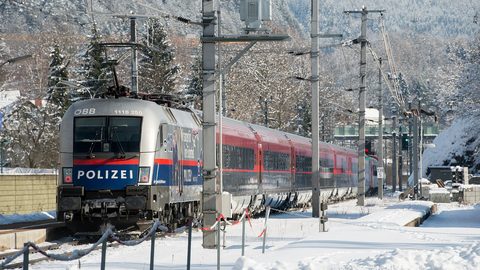 Getting Around Austria by Train, Bus and Car Without the Map Mistakes
Austria's ÖBB rail network is excellent but unforgiving: Sparschiene tickets are train-specific and worthless if missed, and motorways eat schedules.
Getting Around Austria by Train, Bus and Car Without the Map Mistakes
Austria's ÖBB rail network is excellent but unforgiving: Sparschiene tickets are train-specific and worthless if missed, and motorways eat schedules.
-
 Austria Visa Requirements and Schengen Entry Rules for Travellers
Austria is in the Schengen zone. Most short-stay visitors from wealthy countries enter visa-free, but passport validity and upcoming ETIAS rules still apply.
Austria Visa Requirements and Schengen Entry Rules for Travellers
Austria is in the Schengen zone. Most short-stay visitors from wealthy countries enter visa-free, but passport validity and upcoming ETIAS rules still apply.
-
 Cash or Card in Austria, Where Euros Still Rule and ATMs Save You
Austria runs on euros, but card acceptance collapses in mountain huts, Heurigen wine taverns, and small village cafés. Carry cash daily.
Cash or Card in Austria, Where Euros Still Rule and ATMs Save You
Austria runs on euros, but card acceptance collapses in mountain huts, Heurigen wine taverns, and small village cafés. Carry cash daily.
-
 Is Austria Safe, Reading the Advice Without the Anxiety Spiral
Austria is very safe for visitors. The real risks are mountain weather shifts and overestimating hiking ability, not street crime, though Vienna pickpocketing
Is Austria Safe, Reading the Advice Without the Anxiety Spiral
Austria is very safe for visitors. The real risks are mountain weather shifts and overestimating hiking ability, not street crime, though Vienna pickpocketing
-
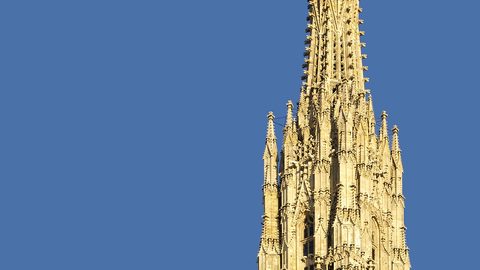 Vienna
 is an imperial capital that kept the museums after losing the empire. Here is what the city is actually like beyond the postcard images, and who it
Vienna
Vienna is an imperial capital that kept the museums after losing the empire. Here is what the city is actually like beyond the postcard images, and who it
-
 A Ground-Level Logistics Guide to Independent Travel in China
First-time independent travel in China: what you need to know about visas, rail booking, eSIMs, mobile payments, and power adapters.
A Ground-Level Logistics Guide to Independent Travel in China
First-time independent travel in China: what you need to know about visas, rail booking, eSIMs, mobile payments, and power adapters.
-
 How Solo Travelers Stay Ahead of Flight Delays and Cancellations
How solo travelers can track inbound aircraft, claim rebooking rights, and adjust ground transport when flights go wrong — step by step.
How Solo Travelers Stay Ahead of Flight Delays and Cancellations
How solo travelers can track inbound aircraft, claim rebooking rights, and adjust ground transport when flights go wrong — step by step.