What to Know Before You Go to Zambia
Zambia delivers raw, uncrowded safari and wilderness for seasoned travellers, but distances are brutal and the wet season closes many camps entirely.
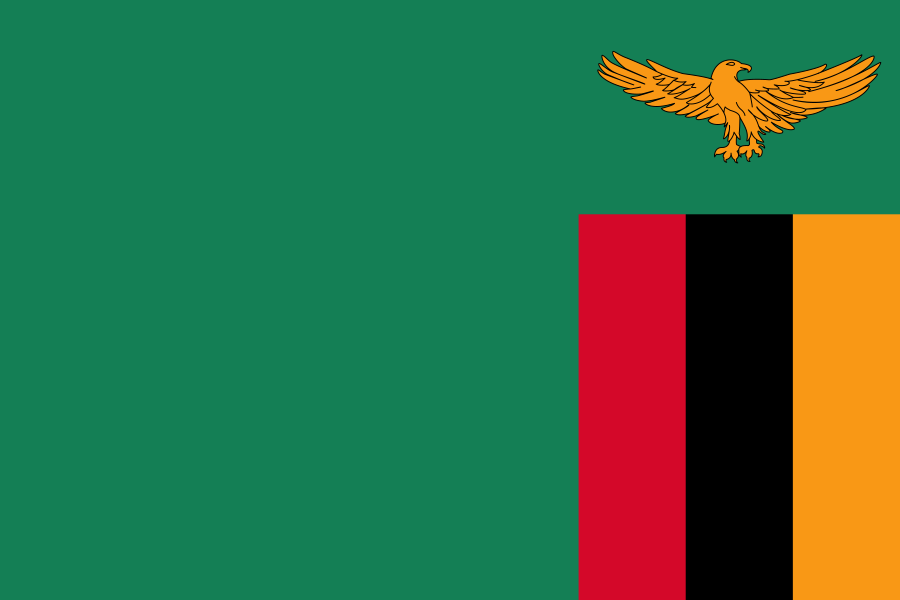
- Flag
-
- ISO code
- ZM
- Population
- 17,351,822
- Currency
- ZMW
- Dial code
- +260
What to Know Before You Go to Zambia
Zambia is 752,612 km² of landlocked bush. 85% of it has no pavement. Distances between the country's highlights are brutal, infrastructure is thin, and a self-drive itinerary that looks clever on a map will burn two days of your trip on a single transfer. The reward is raw, low-density wilderness. South Luangwa holds one of the highest leopard densities in Africa and you will often have the game drive vehicle to yourself. Kafue covers 22,400 km² and was the first park in the country, yet sees a fraction of the visitors that flood the Mara or the Serengeti. This is a destination for seasoned safari-goers who value exclusivity over polish. It is not a place to guarantee the Big Five with minimal effort. If you book a lodge expecting butler service outside a handful of top camps, you will be disappointed. If you arrive on a tight budget without planning to camp, you will struggle. The question is straightforward: what is Zambia actually like, and who should go?
- Capital: Lusaka
- Official Language: English
- Recognised Regional Languages: 7: Bemba, Kaonde, Lozi, Lunda, Luvale, Nyanja, Tonga
- Total Area: 752,612 km²
- Landlocked: Yes
- Shared Borders: 8: Angola, Botswana, Democratic Republic of the Congo, Malawi, Mozambique, Namibia, Tanzania, Zimbabwe
- Independence: 24 October 1964 from the United Kingdom
- Government: Presidential republic
- Provinces: 10
- Population (2022 Census): 19,610,769
- Currency: Zambian kwacha (ZMW)
- Driving Side: Left
- Time Zone: Central Africa Time (CAT, UTC+2), no daylight saving
- International Dialling Code: +260
- Main International Airport: Kenneth Kaunda International Airport (LUN), Lusaka
Zambia Safari Guide: What You Actually See and Do
A Zambia safari is not a list of lodges. It is a lesson in geography. The country has 20 parks and 36 Game Management Areas covering roughly 30% of the land, but they are spread across 10 provinces and connected by a road network that is only about 15% paved. You fly between the best ones or you drive for days.
South Luangwa
South Luangwa, in Eastern Province, is the strongest single destination. It gave birth to the walking safari, and the walks here remain the best in Africa. The park covers 9,050 km² and supports a dense leopard population, along with the endemic Thornicroft's giraffe, large herds of elephant, and packs of wild dog. You book through a lodge. Most lodges close in the wet season from November to April. Plan on three to four nights.
Lower Zambezi
Lower Zambezi, in Lusaka Province, is the water park. It covers 4,092 km² along the river, and the canoeing puts you level with elephants on the bank. Multi-day canoe trails require booking through a specialist operator. Most camps close in the wet season. Two to three nights is enough.
Kafue and Liuwa Plain
Kafue, the largest in Zambia at 22,400 km², spans Central, North-Western and Southern Provinces. The Busanga Plains in the north are the star: open floodplains with lion prides and one of the few cheetah populations in the country. You can only access the plains in the dry season. Allow three to five nights depending on which sector you visit.
Liuwa Plain, in Western Province, holds the second largest wildebeest migration in Africa. The migration runs November to December and varies with rainfall. Access is dry season only and requires fly-camping bookings. You need two to three nights.
Small Parks, Big Spectacles
Kasanka is tiny at 390 km², but from October to December it hosts about 10 million straw-coloured fruit bats in one of the most dramatic wildlife spectacles on the continent. Book hides in advance and stay two to three nights.
Bangweulu Wetlands, a Game Management Area and Ramsar wetland covering about 6,000 km², is the stronghold for the shoebill stork. Shoebill sightings require a local guide and a boat. The dry season is the best time to visit. Allow two nights.
The Harder-to-Reach Parks
The parks that are harder to reach reward the most. North Luangwa, in Northern Province, covers 4,636 km² and has reintroduced black rhino, but sightings are rare and require tracking. Shiwa Ng'andu, an eccentric English manor house in the remote northern bush, requires an overnight stay. Lake Tanganyika at Mpulungu offers snorkelling for cichlids and a remote beach stay. Nsumbu on the lake shore combines snorkelling and fishing. None of these are casual additions to an itinerary.

Zambia Trip Planning: the Brutal Truth About Getting Around
Start with one admission: you cannot cover this country by road in a single trip. The common mistake is booking a self-drive itinerary that links the falls town, Lusaka, South Luangwa and Kafue in 10 days. The drive from Lusaka to South Luangwa alone takes eight to ten hours on punishing roads. That burns two full days in transit. A full country highlights trip needs 14 to 21 nights.
For most visitors, the dominant mode is light aircraft charter. Domestic airlines like Proflight Zambia and Mahogany Air connect Lusaka to Mfuwe Airport for South Luangwa (about one hour 15 minutes), the falls town (about one hour 10 minutes), Jeki Airstrip for Lower Zambezi (about 30 minutes), and Busanga Airstrip in Kafue (about one hour 30 minutes). Payment is online or through lodge packages. Public buses exist between major towns but are slow and safety standards vary. The bus from Lusaka to the falls takes about seven hours. The bus to Chipata for South Luangwa takes about eight hours. The bus to Mongu for Liuwa Plain takes about eight hours.
Self-Drive Realities
Self-drive is an option only for experienced 4x4 drivers with a serious vehicle, two spare tyres, and a satellite phone or inReach device. The road network totals about 67,671 km. Only 15% is paved. The main north-south road is the Great North Road (T2). The main east-west road is the Great East Road (T4) to Chipata, then a gravel dirt road to Mfuwe. The road from Lusaka to the falls town (T1) is paved and good. The road to Lower Zambezi is gravel and dirt, requiring 4x4. The road to Kafue from Lusaka via Mumbwa is paved to Hook Bridge, but the road from Mumbwa to Busanga is gravel and dirt requiring 4x4. The road to Liuwa Plain goes from Lusaka to Mongu on the T1, then across the Barotse Floodplain to Kalabo. That floodplain road is impassable in the wet season and open only in the dry season. Fuel shortages occur without warning in remote areas, especially in November and December before rains improve tanker access. Tsetse flies in woodland areas of Kafue and Lower Zambezi bite through clothing. Pack dark-coloured clothing and repellent.
Police checkpoints are frequent on main roads. Speed limits are 100 km/h on open roads and 50 km/h in built-up areas. Driving is on the left. An International Driving Permit is recommended alongside your home licence. Roadside assistance outside Lusaka and the falls town is nonexistent. A single puncture without two spares can strand you for hours.
Zambia’s Parks: Which One for Which Traveller
This overview organises the parks by what they deliver, not by province. Use it to decide where to spend your limited days.
South Luangwa
Best for walking safaris and leopard. The park has the highest leopard sighting frequency in Africa. Wild dog packs are present. Plan on three to four nights. Many camps close in the wet season. Fly into Mfuwe Airport from Lusaka. Self-drive from Lusaka via the Great East Road to Chipata, then the Mfuwe road, takes eight to ten hours. The park covers 9,050 km² in Eastern Province.
Lower Zambezi
Best for canoeing and elephants. You paddle with elephants on the riverbank. Allow two to three nights. Most camps close in the wet season. Fly into Jeki Airstrip. Self-drive from Lusaka on the D152 or D145 from the Chirundu road takes three to four hours, requiring 4x4. The park covers 4,092 km² in Lusaka Province.
Kafue
Best for wide open spaces and predators. The Busanga Plains in the dry season deliver lion prides and cheetah. The park covers 22,400 km² across three provinces, making it the largest in the country. The northern sector closes in the wet season. The southern sector stays partly open. Allow three to five nights depending on sector. Fly into Busanga Airstrip or Lufupa Airstrip. Self-drive from Lusaka on the M9 via Mumbwa takes two to four hours depending on the gate.
Liuwa Plain
Best for the second largest wildebeest migration in Africa, running November to December. The park covers 3,660 km² in Western Province. Access is dry season only. All camps close in the wet season. Fly into Kalabo Airstrip. Self-drive from Lusaka takes 10 to 12 hours, crossing the Barotse Floodplain causeway which is impassable in rain. Allow two to three nights.
Kasanka
Best for the bat migration. About 10 million straw-coloured fruit bats gather from October to December. The park covers only 390 km² in Central Province. Book hides in advance. Allow two to three nights.
Bangweulu Wetlands
Best for the shoebill stork. The wetlands cover about 6,000 km² as a Game Management Area and Ramsar site. The black lechwe population is estimated at roughly 50,000. The shoebill viewing season is year-round but best in the dry season. Allow two nights. You need a local guide and a boat.
The Falls and the Adventure Town
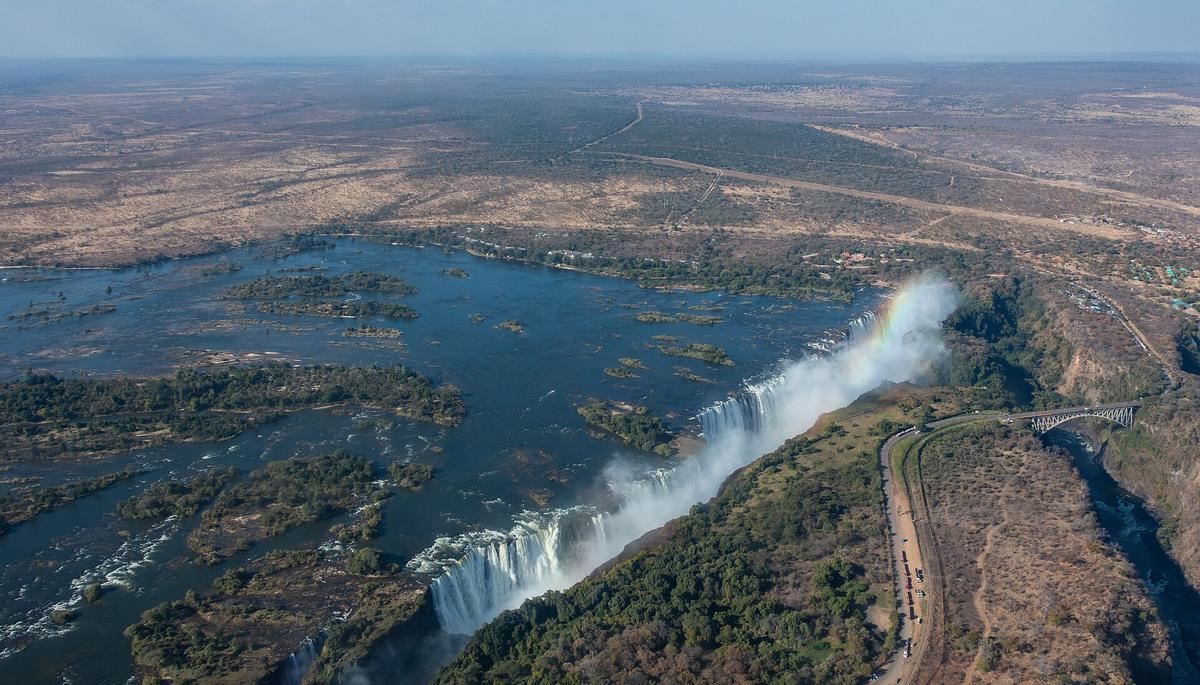
This is the adventure hub, not a wilderness park. Victoria Falls, locally called Mosi oa Tunya (The Smoke That Thunders), is 1,708 m wide and ranges from 80 to 108 m high. It was listed as a UNESCO World Heritage site in 1989. The Zambian side gives you access to Knife Edge Bridge, the Boiling Pot, and Devil's Pool. Devil's Pool is accessible only at low water, roughly August to January, and requires booking months ahead. The Victoria Falls Bridge crosses to Zimbabwe. The Kazungula Bridge crosses to Botswana. Allow two nights in the town. Accommodation is open year-round.
| Park | Area (km²) | Access | Dry Season Availability | Wildlife Highlights | Minimum Stay |
|---|---|---|---|---|---|
| South Luangwa | 9,050 | Fly to Mfuwe or 8-10 hr self-drive | Most camps open May-Oct | Leopard, Thornicroft's giraffe, wild dog | 3-4 nights |
| Lower Zambezi | 4,092 | Fly to Jeki or 3-4 hr self-drive (4x4) | Most camps open May-Oct | Elephant, canoeing | 2-3 nights |
| Kafue | 22,400 | Fly to Busanga or 2-4 hr self-drive | Northern sector closed Nov-Apr, southern partly open | Lion, cheetah, Busanga Plains | 3-5 nights |
| Liuwa Plain | 3,660 | Fly to Kalabo or 10-12 hr self-drive | Closed Nov-Apr | Wildebeest migration (Nov-Dec) | 2-3 nights |
| Kasanka | 390 | Road from Lusaka | Open year-round, bat season Oct-Dec | 10 million fruit bats | 2-3 nights |
| Bangweulu Wetlands | ~6,000 | Road and boat | Best in dry season | Shoebill, black lechwe | 2 nights |
Zambia Self-Drive: What You Need to Survive the Roads
Self-drive boils down to three numbers: 10 hours, two spares, and zero roadside assistance. The drive from Lusaka to South Luangwa takes eight to ten hours on the Great East Road to Chipata, then gravel to Mfuwe. The road condition varies from potholed tarmac to loose dirt. A 4x4 is essential. Fuel stations are sparse outside provincial towns. Fuel shortages occur without warning, especially in November and December. Carry enough fuel to reach the next town and back.
A satellite phone or inReach device is essential outside Lusaka and the falls town. A single puncture without two spares can strand you for hours. Police checkpoints are frequent. Carry your driving licence and International Driving Permit. Tsetse flies in Kafue and Lower Zambezi bite through clothing. Wear dark colours and use repellent. The road from Lusaka to Lower Zambezi (D152 or D145) requires 4x4 and takes three to four hours. The road from Lusaka to Kafue on the M9 via Mumbwa is paved to Hook Bridge, then gravel. The road to Liuwa Plain crosses the Barotse Floodplain causeway, which is impassable in the wet season.
If you are not an experienced 4x4 driver with a vehicle you trust, book internal flights. The time you save is the difference between seeing two parks and seeing one. A charter costs. A broken axle in the middle of Kafue costs more.
When to Go and What it Costs
Peak season runs May to October. The dry season means thinning vegetation for game viewing, animals cluster at water sources, and roads are passable. July and August is the absolute peak with high lodge rates and fully booked camps. The green season runs November to April, with reduced camp availability. January to March in low-lying valleys like Luangwa and Zambezi brings heavy rains that make roads impassable and close most camps. December and January can see excessive heat and humidity. The falls' highest flow is February to May, when spray can obscure the view. The lowest flow is October to November, when the rock face is most visible and Devil's Pool is accessible.
Safari costs here are similar to high-end East Africa and Botswana, and higher than South Africa. Quality lodges are expensive. The cheap option is wild camping, but that requires self-sufficiency and a vehicle. Cash is king outside lodges. ATMs run out of Kwacha in small towns. Card machines fail due to connectivity in rural areas. Carry enough cash for fuel, park fees, and tips. Tipping is not compulsory but is common in tourism. Mobile money services from MTN and Airtel are widely used.
Visa policy: most nationalities require a visa or e-visa. Apply through the Zambia e-Visa system. Visa on arrival is available for many nationalities. The Kaza Univisa covers Zambia and Zimbabwe for 30 days and includes day trips to Botswana. A yellow fever certificate is required if arriving from a yellow fever endemic country.
The Falls Town and Day Trips
The falls town is the access point for Victoria Falls on the Zambian side. It is about 470 km from Lusaka by road on the T1. From the airport, a taxi into town takes 15 minutes. The town itself has limited nightlife and dining beyond the basics. Do not come here for a city break. Come for the falls and the adventure activities.
On the Water and in the Air
White-water rafting below the falls operates at low water, roughly July to February. Helicopter flights and bungee jumping from the Victoria Falls Bridge are year-round. The Devil's Pool on Livingstone Island is a seasonal highlight: you swim at the edge of the falls. It requires low water, roughly August to January, and you must book months ahead through a guide. Mosi oa Tunya, a 15-minute drive from town, offers white rhino tracking on foot. The walk takes about three hours.
Day Trips Across Borders
Day trips include a Chobe trip into Botswana. The drive to the border at Kazungula takes 1.5 hours, plus immigration, then a game drive and boat cruise. Book through an operator. A day trip to the Zimbabwe side of the falls is possible via the Victoria Falls Bridge border crossing. The Lookout Café near the bridge serves a post-adrenaline full English breakfast.
Common Questions
Is Zambia safe for tourists?
Yes, but with specific cautions. Crime exists in Lusaka and the falls town: avoid walking alone at night and do not flaunt valuables. Police checkpoints on main roads are frequent but routine. The main risks are medical: malaria is present year-round throughout the country, and prophylaxis is recommended for all areas. Tap water is not consistently safe to drink in Lusaka or rural areas. Bottled water is widely available in towns and lodges. Emergency numbers are 999 for police, 991 for ambulance, and 993 for fire.
How many days do I need in Zambia?
Minimum 10 days. Anything less and you spend half your trip in transit. A combined South Luangwa and Lower Zambezi trip needs 7 to 10 nights. A combined Victoria Falls and South Luangwa trip needs 5 to 7 nights. A full country highlights trip needs 14 to 21 nights.
What is the best way to get around Zambia?
Light aircraft charter for inter-park transfers. Proflight Zambia and Mahogany Air connect Lusaka to the major parks. Use lodges to book these flights as part of a package. Self-drive is possible only for experienced 4x4 drivers with a satellite phone and two spare tyres. Public buses exist but are slow and safety standards vary.
Which park is best for a first-time safari?
South Luangwa. It has the highest density of leopard in Africa, excellent walking safaris, and the most developed lodge infrastructure. Fly into Mfuwe Airport to avoid the eight-to-ten-hour drive from Lusaka. Book three to four nights.
When is the best time to visit Victoria Falls?
For the full view of the rock face, visit in October or November at low water when the falls are driest and spray does not obscure the view. For the highest water volume and dramatic spray, visit February to May. Devil's Pool is accessible only at low water, roughly August to January.
Do I need a 4x4 to drive in Zambia?
Yes, for any route that leaves the paved roads. The road to Lower Zambezi, the road to South Luangwa after Chipata, the road to Kafue after Hook Bridge, and the road to Liuwa Plain all require 4x4. The main paved roads like the T1 from Lusaka to the falls are fine in a standard car, but you will not reach any park without leaving pavement.
Can I see the Big Five in Zambia?
All five are present, but rhino only in protected sanctuaries. Black rhino have been reintroduced in North Luangwa and Mosi oa Tunya. Sightings in North Luangwa are rare and require tracking. The Mosi oa Tunya rhino walk offers moderate sighting frequency on foot. Elephant populations are recovering in South Luangwa and Lower Zambezi. Lion are present in most parks. Leopard are abundant in South Luangwa. Buffalo are widespread.
Read next
-
 Staying Connected in Zambia With eSIM Local SIM or Neither
A Zambia eSIM or local MTN or Airtel SIM works in towns but not in most national parks. Here is how to plan for the gaps.
Staying Connected in Zambia With eSIM Local SIM or Neither
A Zambia eSIM or local MTN or Airtel SIM works in towns but not in most national parks. Here is how to plan for the gaps.
-
 Best Time to Visit Zambia, What Each Season Actually Does
Zambia's dry season runs May to October for peak wildlife, but the bat migration and wildebeest migration make November compelling too—rains close many camps
Best Time to Visit Zambia, What Each Season Actually Does
Zambia's dry season runs May to October for peak wildlife, but the bat migration and wildebeest migration make November compelling too—rains close many camps
-
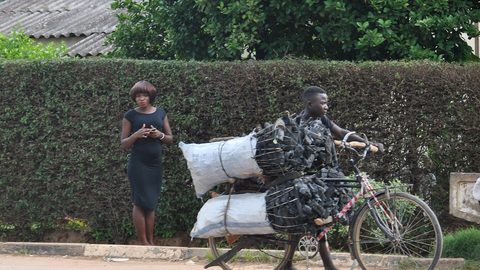 Getting Around Zambia, What Connects Where and What the Map Oversells
Distances in Zambia are vast and road transfers take double what maps estimate—light aircraft and pre-arranged transfers dominate safari travel.
Getting Around Zambia, What Connects Where and What the Map Oversells
Distances in Zambia are vast and road transfers take double what maps estimate—light aircraft and pre-arranged transfers dominate safari travel.
-
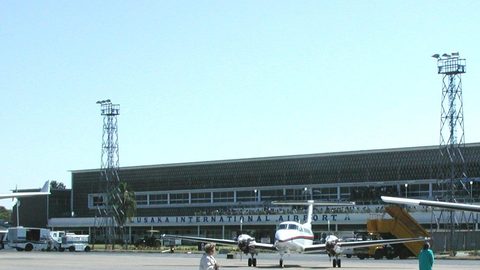 Zambia Visa Rules, Who Needs One and How the Process Works
Who needs a visa for Zambia, who does not, and how the e-visa, visa-on-arrival, and KAZA Univisa processes actually work.
Zambia Visa Rules, Who Needs One and How the Process Works
Who needs a visa for Zambia, who does not, and how the e-visa, visa-on-arrival, and KAZA Univisa processes actually work.
-
Money in Zambia, Kwacha, Cards, and Where Cash Still Wins
How the Zambian kwacha works, why cards fail outside lodges, and where cash is the only thing that will get you fuel or food.
-
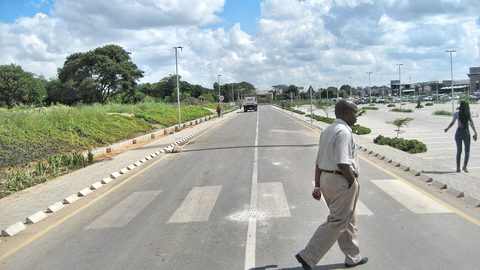 Zambia Safety Advice, Reading the Warnings Without Being Misled by Them
Zambia's real safety risks are self-drive breakdown isolation, opportunistic theft in Lusaka, and tsetse flies—not the violent crime some advisories imply.
Zambia Safety Advice, Reading the Warnings Without Being Misled by Them
Zambia's real safety risks are self-drive breakdown isolation, opportunistic theft in Lusaka, and tsetse flies—not the violent crime some advisories imply.
-
 A Ground-Level Logistics Guide to Independent Travel in China
First-time independent travel in China: what you need to know about visas, rail booking, eSIMs, mobile payments, and power adapters.
A Ground-Level Logistics Guide to Independent Travel in China
First-time independent travel in China: what you need to know about visas, rail booking, eSIMs, mobile payments, and power adapters.
-
 How Solo Travelers Stay Ahead of Flight Delays and Cancellations
How solo travelers can track inbound aircraft, claim rebooking rights, and adjust ground transport when flights go wrong — step by step.
How Solo Travelers Stay Ahead of Flight Delays and Cancellations
How solo travelers can track inbound aircraft, claim rebooking rights, and adjust ground transport when flights go wrong — step by step.
-
 Why Your eSIM Might Not Work Abroad and How to Check Before You Go
Buying an eSIM doesn't guarantee signal abroad. Learn why coverage fails by location and how to verify reach before you commit to a plan.
Why Your eSIM Might Not Work Abroad and How to Check Before You Go
Buying an eSIM doesn't guarantee signal abroad. Learn why coverage fails by location and how to verify reach before you commit to a plan.