Your Vienna Public Transport Guide for Moving Around With Ease
Most visitors waste the first hour of their Vienna trip standing on a tram platform, ticketless, watching the doors close.
Vienna Public Transport Guide: the One Rule You Cannot Break
Most visitors waste the first hour of their Vienna trip standing on a tram platform, ticketless, watching the doors close. Tickets are not sold on trams or buses. You must buy before boarding from a station machine, a Tabak-Trafik shop, or the WienMobil app. This rule is enforced by plain-clothes inspectors who issue fines on the spot. Station entrances have no barriers to warn you. Get this wrong and you pay immediately.
Vienna U-Bahn, Tram and Bus Guide: Which Mode When
Vienna's core network is run by Wiener Linien: 5 U-Bahn lines (U1 through U4 and U6), 28 tram lines, and roughly 130 bus routes. The U-Bahn dominates longer journeys across districts. You want Schönbrunn Palace from the city centre? U4 from Karlsplatz to Schönbrunn, 10 minutes. Belvedere from Stephansdom? U1 to Südtiroler Platz, then a short walk. Those two sights sit 5 kilometres apart on foot. A 10-minute U-Bahn ride saves hours of walking.
Trams fill the gaps. The Ringstraße is served by tram lines 1, 2, and D, which give you a moving tour of the imperial boulevard. Walking the full 5.3 km Ring loop takes about 65 minutes. The tram does it in 25, and you can hop off at any stop. Buses cover what the rails miss, especially in outer districts like the 10th, 14th, and 22nd.
After Midnight
After midnight, the U-Bahn shuts down. Last trains leave around 00:30, except Friday and Saturday nights when 24-hour service runs. NightLine trams and an extensive night bus network take over from 00:30 to 05:00, covering all 23 districts.When Trams Beat The U-Bahn
For inner-district moves between the 1st, 4th, 6th, and 7th districts, a tram is faster than descending into a station. From the Naschmarkt to the Secession building, the walk along Linke Wienzeile is quicker than any tram or bus connection, which requires a change or a long walk to the stop. The Spittelberg district to MuseumsQuartier is a pedestrian connection with no direct tram or bus. Know when to walk. You save time and the cost of a fare for a two-minute ride.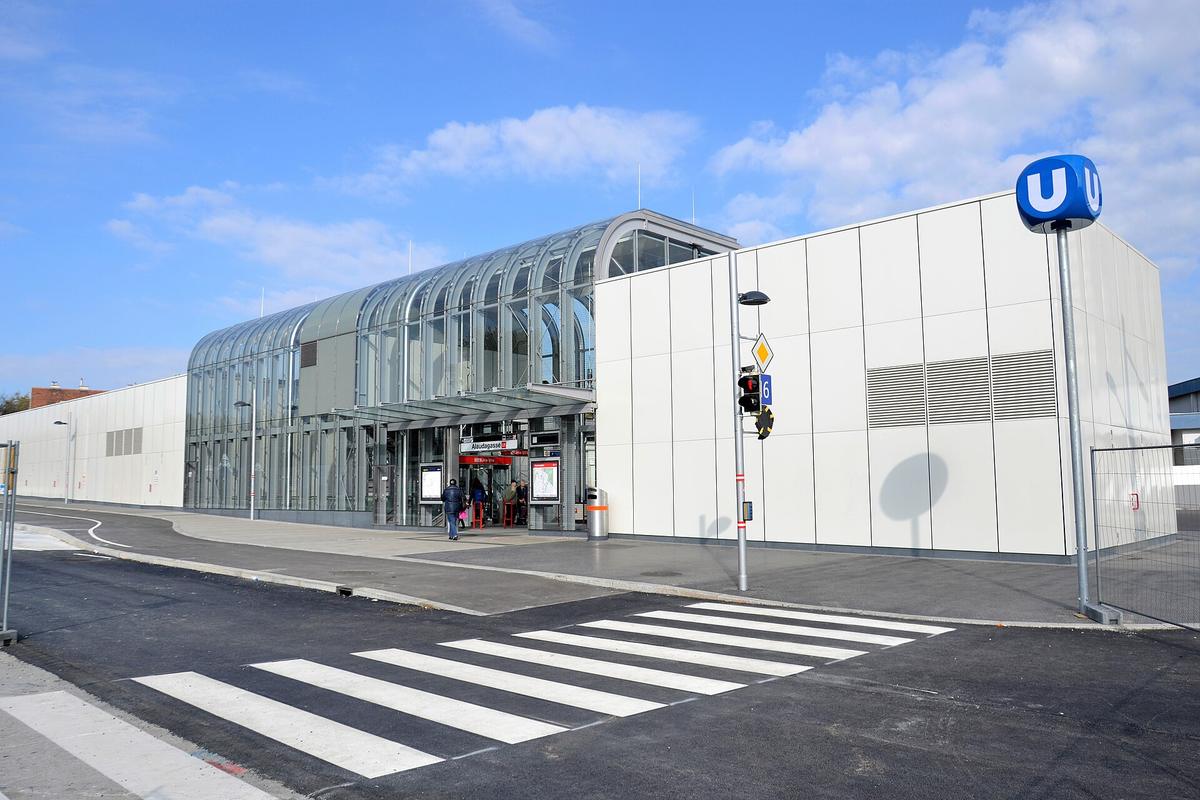

Vienna WienMobil App Tickets: Buy Before You Board, Every Time
The WienMobil app is essential. It handles ticket purchase and route planning in one interface. It eliminates the scramble for coins at a machine. Download it before you arrive. The app sells single fares, 24-hour passes, 48-hour and 72-hour passes, weekly passes valid Monday through Monday, and the 8-day climate ticket (8 non-consecutive days, shareable between people). Wiener Linien sets the prices; check wienerlinien.at for current rates. The Vienna City Card, sold by WienTourismus, bundles unlimited public transport with museum discounts. Terms are revised annually, so verify the current offer at wien.info.
The Validation Trap
Single fares and 8-day climate ticket strips must be stamped at the platform validation machine before you board. A pass on your phone is validated at the moment of purchase for time-based fares. Single fares purchased via the app must be activated within the app before entering the platform. The most common visitor error is boarding a tram or bus with an unvalidated single fare, assuming purchase equals validation. It does not. The second most common error is buying a single fare for a short hop when a 24-hour pass costs less than two single journeys. Make three trips in a day and the 24-hour pass is already cheaper.If you cannot use the app, buy from the red machines at every U-Bahn station. They take cash and card in multiple languages. Any Tabak-Trafik shop also sells fares. Do not count on buying on board. The driver does not sell them. The fine for riding without a valid fare is issued on the spot.
Vienna Airport to City Transfer: Three Options, One Clear Winner
Vienna International Airport (VIE) has three rail connections into the city. The most useful for most visitors is not the flashiest one.
City Airport Train (CAT)
Non-stop to Wien Mitte in 16 minutes. It is fast and comfortable, but it serves only one station (Wien Mitte, in the 3rd district) and costs roughly three times the other options. The CAT is worth it only if your accommodation is within a short walk of Wien Mitte and you value the minutes saved over the next option. Check current fares at cityairporttrain.com before you travel.ÖBB Railjet To Hauptbahnhof
Reaches Wien Hauptbahnhof in 15 minutes. This is the best value: a mainline train, comfortable, frequent, and it drops you at the city's central rail hub with U-Bahn lines U1 and U6, plus trams and buses. If your hotel is in the 4th, 5th, 6th, 7th, or 10th districts, this is your move. ÖBB sets the fare; check oebb.at for the current single price.S-Bahn S7
Takes 25 minutes to Wien Mitte and onward to multiple stops including Praterstern and Floridsdorf. Slower than the Railjet but serves more stops and runs around the clock. If you are heading to the 2nd district (Leopoldstadt) or the 20th (Brigittenau), the S7 is the direct choice. A taxi to the centre costs a flat rate set by the city and takes 20 to 30 minutes in normal traffic. Do not take a taxi unless you are splitting it three or four ways.Getting Around Vienna Efficiently: the Walking Zones and the Traps
The Innere Stadt (1st district) is genuinely walkable. Core landmarks, Stephansdom, Hofburg, the Staatsoper, sit within a 1.5 km radius. Walking between them is faster than any public transport connection. The Ringstraße boulevard has a continuous pedestrian path; walking the full 5.3 km loop takes about 65 minutes, while taking the tram one full loop takes 25. Walk when you are inside the Ring. Take the tram when you need to cross it.
The trap is assuming the whole city is that compact. Schönbrunn Palace is in the 13th district, 5 km from the centre. Belvedere is in the 3rd, about 2.5 km from Stephansdom. The Kunsthistorisches Museum and the MuseumsQuartier sit at the Ring's edge, but the Naschmarkt, the Prater, the Zentralfriedhof (where Beethoven and Schubert are buried, reachable by tram 71), and the Kahlenberg viewpoints all require a ride. A 10-minute U-Bahn journey replaces an hour of walking. On a three-day trip, every wasted hour matters.
The 1 AM Problem
After midnight, the U-Bahn runs only on Friday and Saturday nights. On other nights, use NightLine trams (core routes at 30-minute intervals) or the night bus network, which covers every district. The WienMobil app routes you to the nearest night stop. Taxi stands are at major squares. Ride-hailing apps Bolt and Uber operate, though Uber is pricier than regulated taxis for short distances.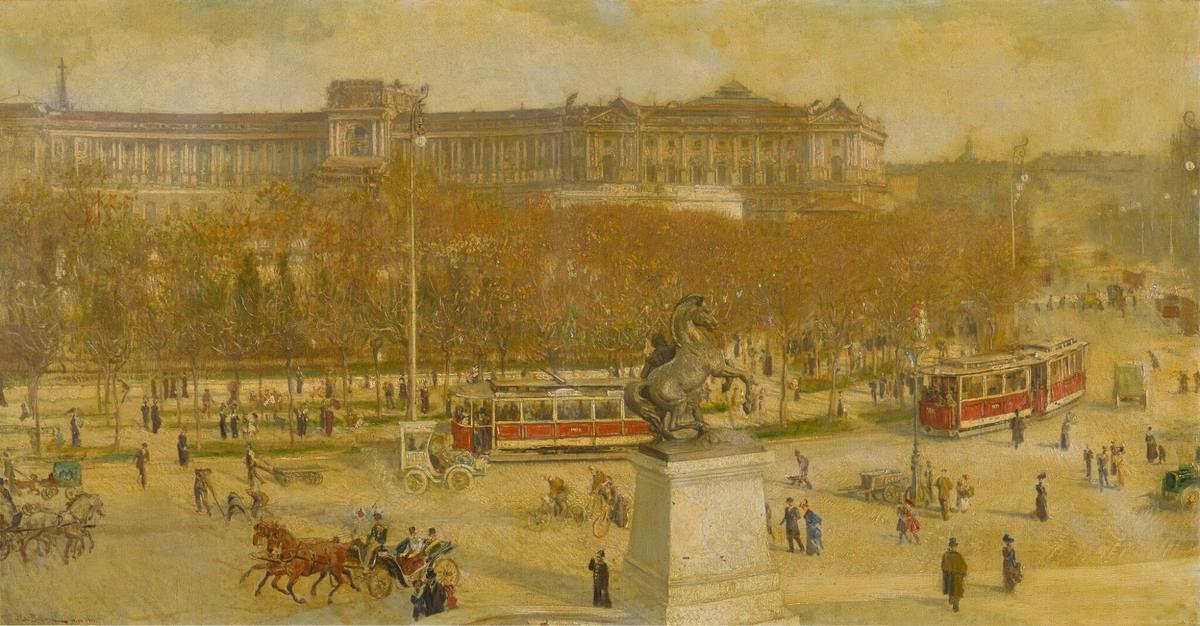
_-_Private_collection.jpg)
What Most Often Goes Wrong
The single biggest mistake is treating Vienna like a compact walking city and setting out on foot to Schönbrunn or Belvedere, arriving exhausted with half the day gone. The second is boarding a tram without a validated fare. Both are avoidable with the WienMobil app and a two-minute route check. Do not make either.
Common Questions
Can I buy a tram ticket from the driver?
No. Fares are not sold on trams or buses. You must buy from a station machine, a Tabak-Trafik shop, or the WienMobil app before boarding.
What happens if I forget to validate my ticket?
Plain-clothes inspectors will fine you on the spot. The fine is significant. Validation must happen at the platform machine for paper fares, or within the app for digital single fares.
Which is cheaper: the City Airport Train or the S-Bahn?
The S-Bahn S7 and the ÖBB Railjet both cost less than the CAT. Take the Railjet or S-Bahn unless you are in a rush and money is no object. Check current single fares at oebb.at and cityairporttrain.com.
Is the Vienna City Card worth buying?
It depends. It includes unlimited public transport and museum discounts. Check the current terms at wien.info. For a three-day trip visiting two or three paid museums, it usually breaks even. For a one-day trip with no museum plans, the 24-hour Wiener Linien pass is cheaper.
How do I get to Schönbrunn Palace by public transport?
Take the U4 metro line to Schönbrunn station. The journey from Karlsplatz (near the Opera House) takes 10 minutes. Exit and follow the signs for a short walk to the palace gates.
Does the U-Bahn run all night?
Only on Friday night into Saturday and Saturday night into Sunday. On those nights, trains run every 15 minutes. All other nights, the U-Bahn stops around 00:30. NightLine trams and night buses operate instead.
Can I use my credit card to buy tickets from the machine?
Yes, the red machines at U-Bahn stations accept both cash and card. Smaller cafés and Heurigen may be cash-only. Carry cash for the city's cash-first culture.
Read next
-
 Vienna Hotels What the Price Bands Actually Get You
Vienna hotel price bands deliver distinctly different experiences. Here is what each band actually gets you, from building type to seasonal pricing patterns.
Vienna Hotels What the Price Bands Actually Get You
Vienna hotel price bands deliver distinctly different experiences. Here is what each band actually gets you, from building type to seasonal pricing patterns.
-
 Where to Stay in Vienna District by District and What Each Costs You
Where to stay in Vienna depends on what you are willing to trade off. Each district costs you something different in time, money, and atmosphere.
Where to Stay in Vienna District by District and What Each Costs You
Where to stay in Vienna depends on what you are willing to trade off. Each district costs you something different in time, money, and atmosphere.
-
 Flying into Vienna airport and getting to the city without a mistake
Vienna airport offers four ways into the city, and the wrong choice can cost you time or money.
Flying into Vienna airport and getting to the city without a mistake
Vienna airport offers four ways into the city, and the wrong choice can cost you time or money.
-
 What to Do in Vienna Ordered by Whether It Is Worth the Time
Three full days is the minimum to see the core sights. Less forces a brutal trade-off between the imperial palaces and any sense of Vienna's neighbourhood lif
What to Do in Vienna Ordered by Whether It Is Worth the Time
Three full days is the minimum to see the core sights. Less forces a brutal trade-off between the imperial palaces and any sense of Vienna's neighbourhood lif
-
 When to Visit Vienna and What Each Season Does to the City
At 16:30 in mid-December, the Rathausplatz Christmas market is already shoulder to shoulder. You cannot move freely; you shuffle.
When to Visit Vienna and What Each Season Does to the City
At 16:30 in mid-December, the Rathausplatz Christmas market is already shoulder to shoulder. You cannot move freely; you shuffle.
-
 How to spend two or three days in Vienna without rushing or wasting time
Vienna's major sights are farther apart than they look on a map. This itinerary groups them by U-Bahn line so you spend your days seeing the city, not walking
How to spend two or three days in Vienna without rushing or wasting time
Vienna's major sights are farther apart than they look on a map. This itinerary groups them by U-Bahn line so you spend your days seeing the city, not walking
-
 Austria Travel Guide, Imperial Cities and Alpine Valleys by Train
Austria pairs baroque imperial cities with Alpine valleys close enough to reach by train, making a week the minimum to experience both.
Austria Travel Guide, Imperial Cities and Alpine Valleys by Train
Austria pairs baroque imperial cities with Alpine valleys close enough to reach by train, making a week the minimum to experience both.
-
 Staying connected in Austria with eSIM, local SIM, or just hotel WiFi
Austrian mobile coverage vanishes in the places you need it most: deep Alpine valleys and high passes.
Staying connected in Austria with eSIM, local SIM, or just hotel WiFi
Austrian mobile coverage vanishes in the places you need it most: deep Alpine valleys and high passes.
-
 Best Time to Visit Austria for Cities, Lakes and Skiing Without Crowds
Austria's seasons dictate what's open: Christmas markets end on 24 December, the Salzburg Festival consumes July and August, and many hotels close the first
Best Time to Visit Austria for Cities, Lakes and Skiing Without Crowds
Austria's seasons dictate what's open: Christmas markets end on 24 December, the Salzburg Festival consumes July and August, and many hotels close the first