Navigating Bulgarian Lev Cash Versus Card From Tavernas to Buses
The Bulgarian lev rules daily life: cards work in Sofia and big resorts, but rural buses, guesthouses, and station toilets demand coins.
The Wrong Assumption About Bulgarian Lev Cash vs Card
Most travellers assume a tap will work everywhere in Europe. In Bulgaria, that assumption costs you access. The question of Bulgarian lev cash vs card is not about preference. It is about whether you eat, sleep, and move.
The fixed peg ties the lev to the euro at 1.95583 BGN per EUR. That rate does not change. What changes is whether a bus driver, a village tavern owner, or a station toilet attendant can accept plastic. They cannot. Outside Sofia, Plovdiv, Varna, and Burgas, cash is the only payment method that works. You need to know where the line falls.
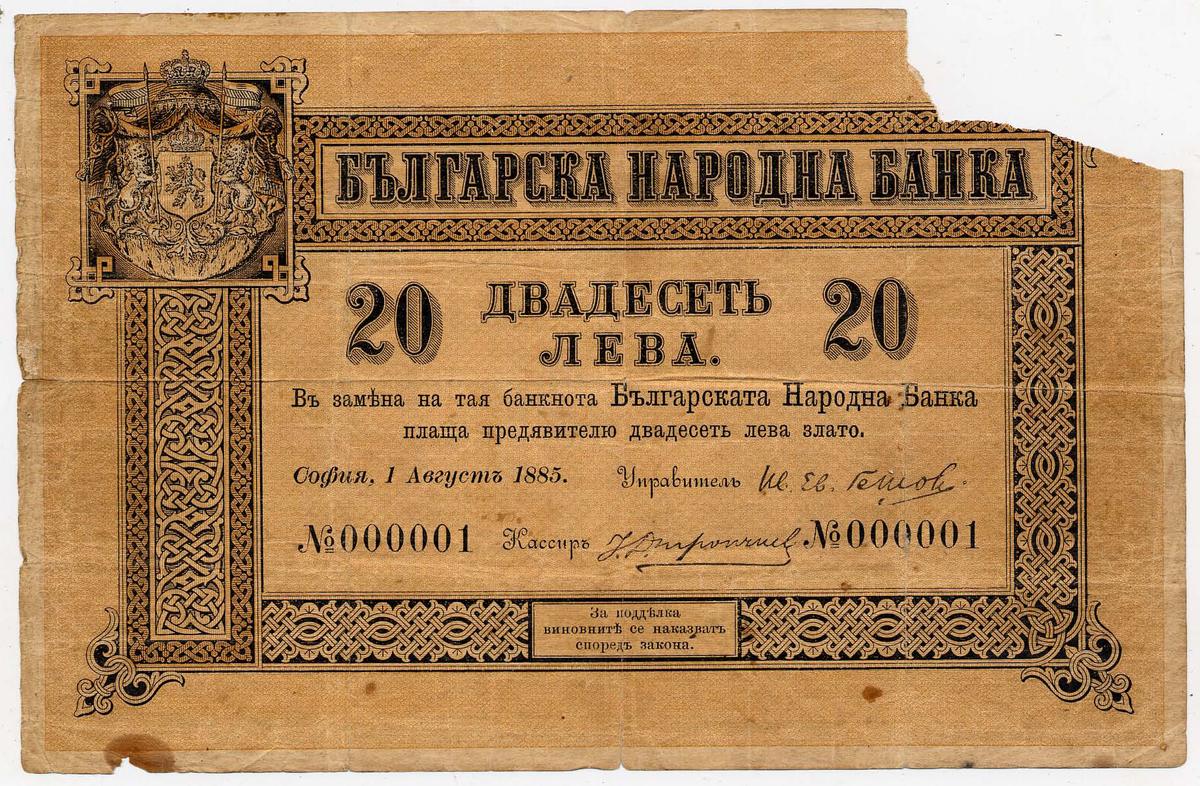

What the Lev Looks Like and How to Get it
Notes, Coins, and the Small-Change Rule
The Bulgarian lev divides into 100 stotinki. Banknotes come in 5, 10, 20, 50, and 100 leva. Coins run 1, 2, 5, 10, 20, 50 stotinki plus 1 and 2 leva pieces. Keep small coins on you. Toilet attendants in bus stations and rural restaurants charge 0.50 to 1 BGN and will not make change for a 10-lev note.
Where to Withdraw Without Getting Burned
ATMs are abundant in city centres. Major banks include DSK Bank, UniCredit Bulbank, Postbank, UBB, and Fibank. Their ATMs charge no local fee for withdrawals using a foreign card. The trap is the independent machine. Euronet and YourCash units in tourist zones impose high surcharges and unfavourable exchange rates. Use a bank-affiliated ATM inside a branch or attached to a bank wall. Never use a standalone unit in a shop window or on a promenade.
Dynamic currency conversion is the second trap. When the ATM or card terminal asks whether you want to pay in your home currency or in BGN, select BGN every time. The home-currency rate is set by the local operator and is worse than your card network's rate. Decline conversion. This rule applies to every card transaction in Bulgaria.
Cash Before You Leave the Last Town
In villages and remote regions, ATMs are sparse or absent. The last machine sits in the nearest municipal centre. Heading into the Rhodope Mountains, rural Strandzha, or the Balkan Range? Withdraw enough cash in the last town with a bank branch before you drive into the valleys.
Money in Bulgaria Tips: Where Card Works and Where it Fails
Money in Bulgaria tips start with one rule: carry cash for anything that moves or anything that is not a chain business.
Urban Retail and Restaurants
In Sofia, Plovdiv, Varna, and Burgas, card acceptance is widespread. Contactless payments work at supermarkets, hotel chains, mid-range restaurants, and most retail shops. A sit-down dinner in the Plovdiv Old Town or a hotel booking through a major chain takes plastic without hesitation.
Tipping
Tipping culture complicates the card picture. Round up the bill or leave 5 to 10 percent in cash when service is satisfactory. It is not mandatory. The catch: tips added to a card payment may not reach the server. Cash tips are preferred everywhere. Keep small notes for this. In bars and cafes, round up to the nearest lev. For taxi drivers, rounding up the fare is appreciated but not expected. Porters and housekeeping receive a few leva, no fixed percentage.
Rural Guesthouses and Village Taverns
This is where plastic fails. Family-run guesthouses in the Rhodopes, taverns in mountain villages, and small shops along the Danube Plain do not have card terminals. If they do, the terminal is often non-functional. Assume cash is the only option. A three-course meal at a village tavern with meshana skara and local wine costs 15 to 25 BGN per person. Pay cash and avoid awkwardness at the end of the meal.
Intercity Buses
Paying for buses in Bulgaria is a cash-only transaction. The intercity bus network is fragmented, dominated by private companies operating from separate stations even within one city. Pay the driver or the station kiosk in cash. Online booking exists for few routes. Timetables posted at stations are aspirational. Confirm departure times by asking the driver or kiosk attendant directly on the day. Have the exact fare or small notes. A bus from Sofia to Plovdiv costs around 10 to 12 BGN. Burgas to Sozopol runs roughly 3 to 5 BGN. Drivers cannot make change for a 50-lev note.
Toilet Attendants
A dedicated line for station toilets. The attendant sits by the door with a saucer of coins. The fee is 0.50 to 1 BGN. They accept nothing but cash. Carry a stash of 50-stotinka and 1-lev coins in a separate pocket so you do not have to dig through your wallet every time.
Lev Exchange Rate and the Euro Question
The lev exchange rate is fixed to the euro under a currency-board arrangement. That means 1.95583 BGN always buys 1 EUR. It does not fluctuate. Budget with confidence: the rate you check today is the rate you get tomorrow, minus any bank or ATM markup.
The fixed peg creates a common misconception that euros are accepted in Bulgaria day to day. They are not. Some hotels in large Black Sea resorts and some airport shops might take euros, but they give you change in leva at a poor rate. Do not rely on carrying euros as a backup currency in your wallet. The exception: bring euros to exchange at a bank or a licensed exchange office for a better rate than an ATM withdrawal might offer. Exchange offices in city centres display rates on boards. Compare two or three before handing over money. Avoid offices near major landmarks or border crossings that advertise zero commission but bury the spread.

Bulgaria ATM Fees and How to Avoid the Worst Ones
Bulgaria ATM fees are not uniform. Your home bank's foreign transaction fee applies regardless, 1 to 3 percent. The variable is the local surcharge. Bank-affiliated ATMs from DSK, UniCredit Bulbank, Postbank, UBB, and Fibank charge no local fee. Independent machines operated by Euronet, YourCash, or similar brands add a flat fee of 5 to 10 BGN plus a percentage. A withdrawal at an independent machine costs you 15 BGN or more in combined fees.
The fix: walk inside a bank branch during banking hours and withdraw over the counter. The teller dispenses larger denominations that you then break into smaller notes at a supermarket or bakery. If you must use an ATM, use one physically attached to a bank branch. Avoid machines in nightlife zones, resort promenades, and airport arrival halls.
Check your home bank's partner network before you travel. Some European banks have agreements with specific Bulgarian banks that waive the local ATM fee. Log into your banking app and search for partner ATMs in Bulgaria before you land.
What Most Often Goes Wrong
The most common money mistake in Bulgaria is arriving at an intercity bus station without enough cash for the fare, then discovering the nearest ATM is inside a closed bank vestibule that requires a Bulgarian bank card to open. The second is handing over a 100-lev note for a 2 BGN toilet fee and watching the attendant shrug. The third is paying for a meal by card and watching the tip disappear into the merchant's account instead of the server's pocket.
Bulgaria rewards preparation over improvisation. Withdraw cash in the city. Break larger notes there. Keep a coin pocket. Assume the card terminal is broken until you see it work. That mindset gets you through every tavern, every bus, and every mountain trail without getting caught short.
Common Questions
Can I use my Revolut or Wise card in Bulgaria?
Yes, in places that accept cards. For ATMs, use bank-affiliated machines and decline dynamic currency conversion. For rural areas, cash is still required.
What happens if I run out of cash in a mountain village?
You may have no ATM for 30 km or more. The last bank branch in the nearest municipal centre is your only reliable source. Plan withdrawals before leaving a larger town.
Is it cheaper to exchange euros in Bulgaria or withdraw from an ATM?
Exchanging cash at a bank or a licensed exchange office in a city centre often gives a better net rate than an ATM withdrawal that includes your home bank's foreign transaction fee. Compare both.
Do taxi drivers in Sofia take cards?
Some do through an app like TaxiMe or Yellow. Street taxis are cash only. Confirm payment method before the ride starts.
Are there any places where card is mandatory?
No. Every establishment in Bulgaria that takes a card also takes cash. Cash never fails. Card sometimes does.
Read next
-
 Staying Connected in Bulgaria With eSIM, Local SIM, or Just Roaming
Compare eSIM convenience, local SIM value from Vivacom or A1, and EU roaming reliability for Bulgaria's mountain dead zones and coastal resorts.
Staying Connected in Bulgaria With eSIM, Local SIM, or Just Roaming
Compare eSIM convenience, local SIM value from Vivacom or A1, and EU roaming reliability for Bulgaria's mountain dead zones and coastal resorts.
-
 Best Time to Visit Bulgaria by Season and What Each One Actually Delivers
Bulgaria's seasons dictate more than weather: mountain lifts shut in May, the coast fills with Romanian families in July, and Easter closes everything.
Best Time to Visit Bulgaria by Season and What Each One Actually Delivers
Bulgaria's seasons dictate more than weather: mountain lifts shut in May, the coast fills with Romanian families in July, and Easter closes everything.
-
 Getting Around Bulgaria by Bus and Car When Timetables Are Aspirational
Bulgaria's bus network is a patchwork of private companies, cash fares, and aspirational timetables—here is how to make it work.
Getting Around Bulgaria by Bus and Car When Timetables Are Aspirational
Bulgaria's bus network is a patchwork of private companies, cash fares, and aspirational timetables—here is how to make it work.
-
 Bulgaria Visa Rules for Tourists and Digital Nomads Explained
Bulgaria sits at a Schengen crossroads: air and sea entry is now Schengen, land borders are not, and visa rules depend on your passport.
Bulgaria Visa Rules for Tourists and Digital Nomads Explained
Bulgaria sits at a Schengen crossroads: air and sea entry is now Schengen, land borders are not, and visa rules depend on your passport.
-
 Safety in Bulgaria Reading the Advice Without Being Misled by It
Bulgaria is statistically safe, but stray dogs, empty rural roads, and slow mountain rescue create risks that generic advice misses.
Safety in Bulgaria Reading the Advice Without Being Misled by It
Bulgaria is statistically safe, but stray dogs, empty rural roads, and slow mountain rescue create risks that generic advice misses.
-
 What a Trip to Bulgaria Actually Costs, Without the Spreadsheet Nonsense
Understand the shape of your Bulgaria budget: where money vanishes, where it stretches, and how the cash economy changes your spending.
What a Trip to Bulgaria Actually Costs, Without the Spreadsheet Nonsense
Understand the shape of your Bulgaria budget: where money vanishes, where it stretches, and how the cash economy changes your spending.
-
 A Ground-Level Logistics Guide to Independent Travel in China
First-time independent travel in China: what you need to know about visas, rail booking, eSIMs, mobile payments, and power adapters.
A Ground-Level Logistics Guide to Independent Travel in China
First-time independent travel in China: what you need to know about visas, rail booking, eSIMs, mobile payments, and power adapters.
-
 How Solo Travelers Stay Ahead of Flight Delays and Cancellations
How solo travelers can track inbound aircraft, claim rebooking rights, and adjust ground transport when flights go wrong — step by step.
How Solo Travelers Stay Ahead of Flight Delays and Cancellations
How solo travelers can track inbound aircraft, claim rebooking rights, and adjust ground transport when flights go wrong — step by step.
-
 Why Your eSIM Might Not Work Abroad and How to Check Before You Go
Buying an eSIM doesn't guarantee signal abroad. Learn why coverage fails by location and how to verify reach before you commit to a plan.
Why Your eSIM Might Not Work Abroad and How to Check Before You Go
Buying an eSIM doesn't guarantee signal abroad. Learn why coverage fails by location and how to verify reach before you commit to a plan.