Philippine Pesos, Cards, and the Cash Buffer You Need
The Philippines runs on cash, especially on small islands where ATMs are scarce and often offline.
Philippine Pesos, Cards, and the Cash Buffer You Need
Most travellers arrive expecting to tap a card everywhere. That assumption fails in the Philippines. Cash is the default and ATMs on small islands go offline for hours or days at a time. The single biggest mistake first timers make is carrying too little cash.
Carry a minimum PHP 10,000 cash buffer at all times, separate from your daily spending. That buffer covers you when the island power grid browns out, the BancNet ATM runs out of notes, or a bangka operator tells you the terminal at the port has been broken since Tuesday. Below PHP 10,000 you are one offline terminal away from being stuck.
-1_Centavo_(1942).jpg)
Philippine Peso Exchange Rates
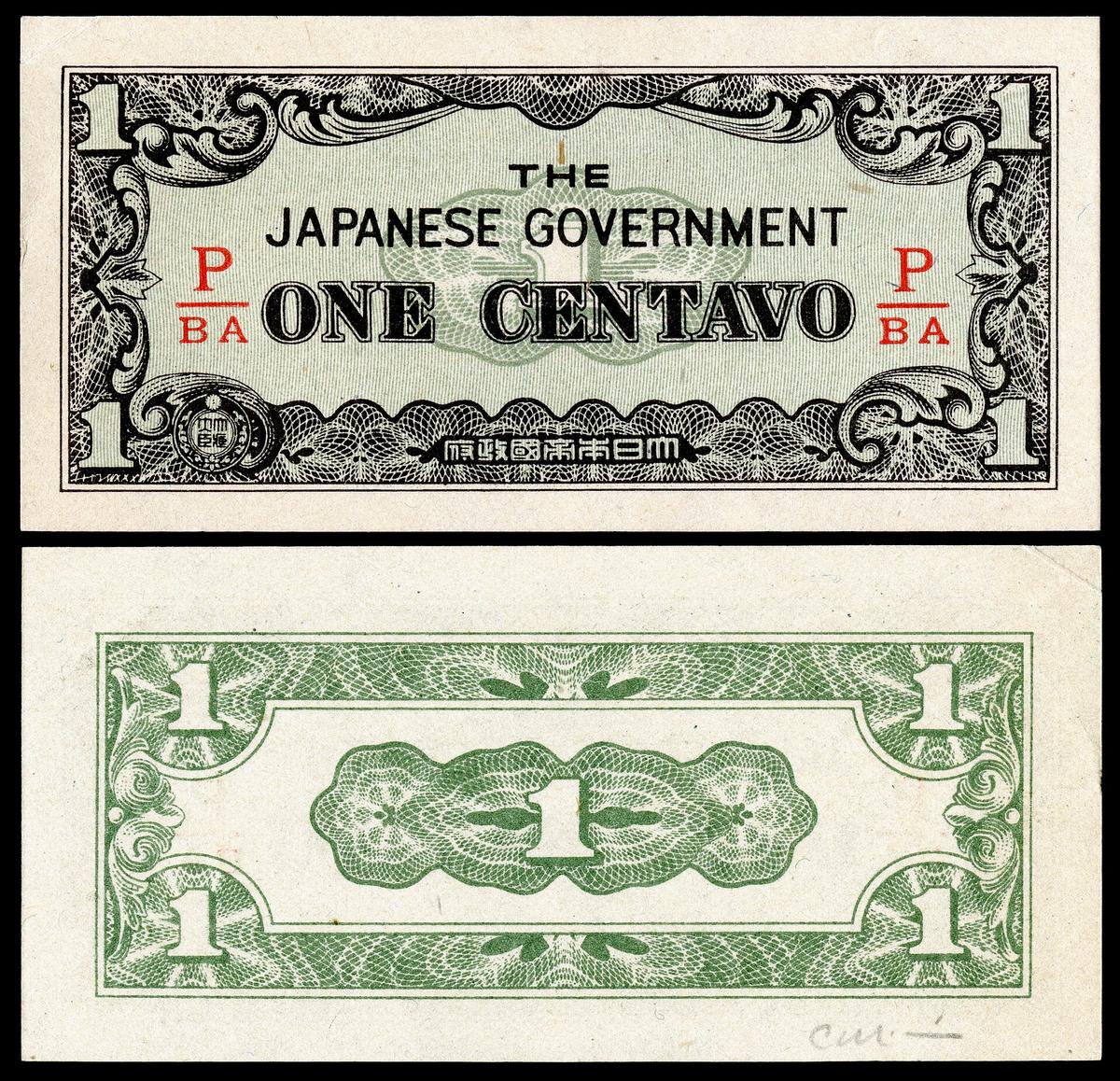
The Philippine peso uses the symbol ₱ and the ISO code PHP. Banknotes come in denominations of 20, 50, 100, 200, 500 and 1000 pesos from the New Generation Currency series. Coins run from 1 centavo up to 20 pesos. The peso floats freely against major currencies with occasional intervention by the Bangko Sentral ng Pilipinas.
Where To Exchange
US dollars are accepted at exchange counters nationwide. Euros, pounds, yen and Australian dollars trade at major money changers in city centres. Look for a BSP-licensed signage on the counter. Licensed operators give better rates than banks. Do not exchange at the airport unless you need emergency cash. Airport counter rates are consistently worse than what you get in Makati, Cebu City or Davao.
Dynamic Currency Conversion
When you withdraw at an ATM or pay at a point-of-sale terminal, the device may offer to convert the charge to your home currency. Decline this every time. Opting to be charged in PHP gives you the market rate. Dynamic currency conversion at ATMs and point-of-sale terminals adds a hidden spread of 3 to 6 per cent.
Philippines Credit Card Acceptance
Visa and Mastercard work reliably in Metro Manila, Cebu City and Davao City. Hotels, chain restaurants and large supermarkets take them. Outside those business districts and upscale malls, card acceptance drops fast. Rural areas and small islands are effectively cash-only. Guesthouses, bangka operators, tricycle drivers, sari-sari stores and provincial markets will not have a terminal. Even establishments that display a sticker may have a device that is offline because the mobile signal is too weak to process the transaction.
E-Wallets
GCash and Maya are spreading, especially in urban retail and transport. Both are QR-based e-wallets. They require a local SIM card and a registration that takes your passport details at the point of purchase. Set one up only if you are staying longer than two weeks and have a phone that supports the app. For short stays, do not rely on e-wallets as your backup. The registration and top-up friction is not worth it.
Philippines ATM Withdrawal Limits
Every ATM in the Philippines imposes a per-transaction limit. The number is set by the device, not by your bank, and it falls between PHP 10,000 and PHP 20,000. If you need more, insert your card again and pay the surcharge a second time.
The Surcharge Structure
Foreign cards incur a surcharge of PHP 200 to PHP 250 per withdrawal. That fee is charged by the local bank operating the ATM, not by your bank at home. Your home bank may add its own foreign transaction fee on top. Withdrawing PHP 10,000 in a single transaction is far more efficient than making five withdrawals of PHP 2,000. Plan your cash needs so you hit the per-transaction maximum each time you use an ATM.
Which ATM Networks Are Reliable
BDO and BPI operate the most reliable ATM networks in the country. Their devices are dense in provincial capitals and major tourist towns. Metrobank and Landbank also have wide coverage but their devices are more likely to be offline in remote areas. The interbank BancNet network connects most local ATMs, but connectivity on small islands is the variable that matters. In El Nido, Coron and Siargao, the BDO and BPI devices at the town centre are your safest bet. On islands without a BDO or BPI branch, Siquijor and Camiguin are examples, the single provincial bank ATM may be the only option. It may run out of cash by midday.
Daily Caps
The daily withdrawal cap for foreign cards is set by your card-issuing bank, not by the Philippine ATM. Check with your bank before departure. Some issuers set the daily cap lower than others. You cannot override the per-transaction limit by choosing a different amount at the screen.

Philippines Small Island Cash Buffer
The PHP 10,000 minimum cash buffer is non-negotiable if you plan to spend time on any island smaller than Boracay or Bohol. Small islands in Palawan, the Visayas and eastern Mindanao often have a single power grid. When that grid goes down, and it does, for hours, the ATM goes down with it. Even when the power is on, the ATM may simply run out of notes. The bank branch may be closed for a provincial holiday or open only on weekdays for limited hours.
Carry that PHP 10,000 in mixed denominations: 50, 100 and 200 peso notes. Large bills like 1000 pesos are difficult to break outside of supermarkets. A guesthouse with no change will send you to find a sari-sari store. The sari-sari store may also have no change.
Cash For Tours And Tipping
Add a second buffer if you are booking a multi-day island-hopping tour, a liveaboard dive trip or a bangka crossing to a remote beach. Tour operators and boat crews expect cash on departure day. Tipping guides PHP 200 to PHP 500 per group per day and tipping hotel porters PHP 20 to PHP 50 per bag also come out of your cash stack. Budget for those before you arrive at the dock.
Single ATM Islands
On islands with a single ATM, Siquijor, Camiguin, parts of Bantayan, withdraw as soon as you arrive. Do not wait until evening. The device will be empty by late afternoon if a ferry has just unloaded passengers who all had the same idea.
The Failure Case You Need to Plan for
The most common failure scenario: you arrive at a provincial airport or a port on a small island, and the single ATM in town is displaying an error message. Your bank app shows you have money. The device does not care. You have a small amount in your pocket, your guesthouse is a 45-minute tricycle ride away, and the owner expects cash on arrival. The nearest working ATM is on a different island reachable by the next ferry, which leaves at 06:00 tomorrow morning.
That is why the PHP 10,000 buffer exists. It buys you a ferry ticket to the island with the working device, a meal, and a room for the night. Without it, you are negotiating with a guesthouse owner who has heard the same story from three travellers this month and has stopped extending credit.
Carry the cash. Replenish it at every reliable BDO or BPI ATM you pass. Never assume the next device will work.
Common Questions
How much cash should I carry in the Philippines?
Carry a minimum PHP 10,000 cash buffer at all times, separate from your daily budget. On small islands with unreliable ATMs, this buffer is your backup when the device is offline or out of cash.
Are credit cards widely accepted in the Philippines?
Visa and Mastercard work in Metro Manila, Cebu City and Davao City hotels, chain restaurants and supermarkets. Outside those areas card acceptance is limited to non-existent. Rural areas and small islands are cash-only.
What is the ATM withdrawal limit for foreign cards?
Philippine ATMs impose a per-transaction limit of PHP 10,000 to PHP 20,000. The daily cap is set by your card-issuing bank, not by the local ATM. Each withdrawal also incurs a PHP 200 to PHP 250 surcharge.
Which ATM networks are most reliable?
BDO and BPI have the most reliable networks. Their devices are common in provincial capitals and tourist towns. Metrobank and Landbank also have wide coverage but are more prone to being offline in remote areas.
Can I use GCash or Maya as a backup?
GCash and Maya are becoming common in urban retail but require a local SIM card and passport registration. For short trips, the setup time and top-up friction make them unreliable as a primary backup. Cash remains safer.
Read next
-
 Staying Connected in the Philippines with eSIM, Local SIM or Pocket Wi-Fi
Choosing between a Philippines eSIM, local Globe or Smart SIM, or pocket Wi-Fi depends on which islands you visit and how much offline backup you plan for
Staying Connected in the Philippines with eSIM, Local SIM or Pocket Wi-Fi
Choosing between a Philippines eSIM, local Globe or Smart SIM, or pocket Wi-Fi depends on which islands you visit and how much offline backup you plan for
-
 Best Time to Visit the Philippines, Amihan, Habagat, and Typhoon Season Explained
The Philippines has two monsoons, a typhoon belt, and a Holy Week that shuts the country down.
Best Time to Visit the Philippines, Amihan, Habagat, and Typhoon Season Explained
The Philippines has two monsoons, a typhoon belt, and a Holy Week that shuts the country down.
-
 Getting Around the Philippines, Ferries, Flights, and Why the Map Lies
Domestic flights, RORO ferries, fast cats, bangkas, jeepneys, and tricycles—here is how Philippine transport actually works, and why every journey takes
Getting Around the Philippines, Ferries, Flights, and Why the Map Lies
Domestic flights, RORO ferries, fast cats, bangkas, jeepneys, and tricycles—here is how Philippine transport actually works, and why every journey takes
-
 Philippines Visa Requirements, Who Gets Visa-Free Entry and Who Needs to Apply
Most nationalities get 30 days visa-free in the Philippines, with extensions possible up to 36 months.
Philippines Visa Requirements, Who Gets Visa-Free Entry and Who Needs to Apply
Most nationalities get 30 days visa-free in the Philippines, with extensions possible up to 36 months.
-
 Safety in the Philippines, Reading the Advice Without Being Misled by It
Government advisories flag specific Philippine regions, but most tourist destinations are low-risk.
Safety in the Philippines, Reading the Advice Without Being Misled by It
Government advisories flag specific Philippine regions, but most tourist destinations are low-risk.
-
 What a Philippines Trip Actually Costs and How to Shape Your Budget
Philippines trip costs are shaped less by accommodation grade and more by the logistical price of moving between islands, where transit eats budget faster
What a Philippines Trip Actually Costs and How to Shape Your Budget
Philippines trip costs are shaped less by accommodation grade and more by the logistical price of moving between islands, where transit eats budget faster
-
 A Ground-Level Logistics Guide to Independent Travel in China
First-time independent travel in China: what you need to know about visas, rail booking, eSIMs, mobile payments, and power adapters.
A Ground-Level Logistics Guide to Independent Travel in China
First-time independent travel in China: what you need to know about visas, rail booking, eSIMs, mobile payments, and power adapters.
-
 How Solo Travelers Stay Ahead of Flight Delays and Cancellations
How solo travelers can track inbound aircraft, claim rebooking rights, and adjust ground transport when flights go wrong — step by step.
How Solo Travelers Stay Ahead of Flight Delays and Cancellations
How solo travelers can track inbound aircraft, claim rebooking rights, and adjust ground transport when flights go wrong — step by step.
-
 Why Your eSIM Might Not Work Abroad and How to Check Before You Go
Buying an eSIM doesn't guarantee signal abroad. Learn why coverage fails by location and how to verify reach before you commit to a plan.
Why Your eSIM Might Not Work Abroad and How to Check Before You Go
Buying an eSIM doesn't guarantee signal abroad. Learn why coverage fails by location and how to verify reach before you commit to a plan.