Your Essential Russia Train Travel Guide for Long Distance Journeys
Russian Railways, marshrutka, elektrichka, and Yandex Go. How Russia actually connects and what the map oversells for travellers.
How Russia Actually Connects and What the Map Oversells
The map makes it look easy. You trace a line from Moscow to Vladivostok, guess seven days, and assume the rest of the country works the same way. It does not. Russia has over 85,000 km of rail track, but that rail network has coverage gaps the size of France. Kamchatka, Magadan Oblast, Chukotka, the interior of the Altai Republic and Tuva have no rail service at all. Large parts of northern Siberia are also missing. The plane is the only option for those destinations. This Russia train travel guide covers the backbone, the fallback and the local tools you actually need to move.
Russian Railways RZD Booking: Passport, Dates, and the Moscow Time Trap
Russian Railways (RZD) runs the long distance network. Every ticket, at every class, requires your passport number and your name exactly as it appears on that passport. No exceptions. The standard advance purchase window is 90 days, sometimes 120 days on popular routes in peak summer. Buy through the RZD website, the RZD mobile app, a station counter, or a third party agency. Skip the counter unless you read Cyrillic. It is the slowest option and the one where English is least likely.
The Moscow Time Trap On Printed Tickets
Every RZD long distance ticket prints the departure time in Moscow time, regardless of the station's actual time zone. Russia spans 11 time zones. A train leaving Irkutsk at 08:00 local time prints as 03:00 Moscow time. If you misread the ticket, you miss the train. Set your phone to the local clock and verify every departure against the station board, not the paper. Station boards in smaller cities are Cyrillic only.
Ticket Classes: From Platzkart To SV
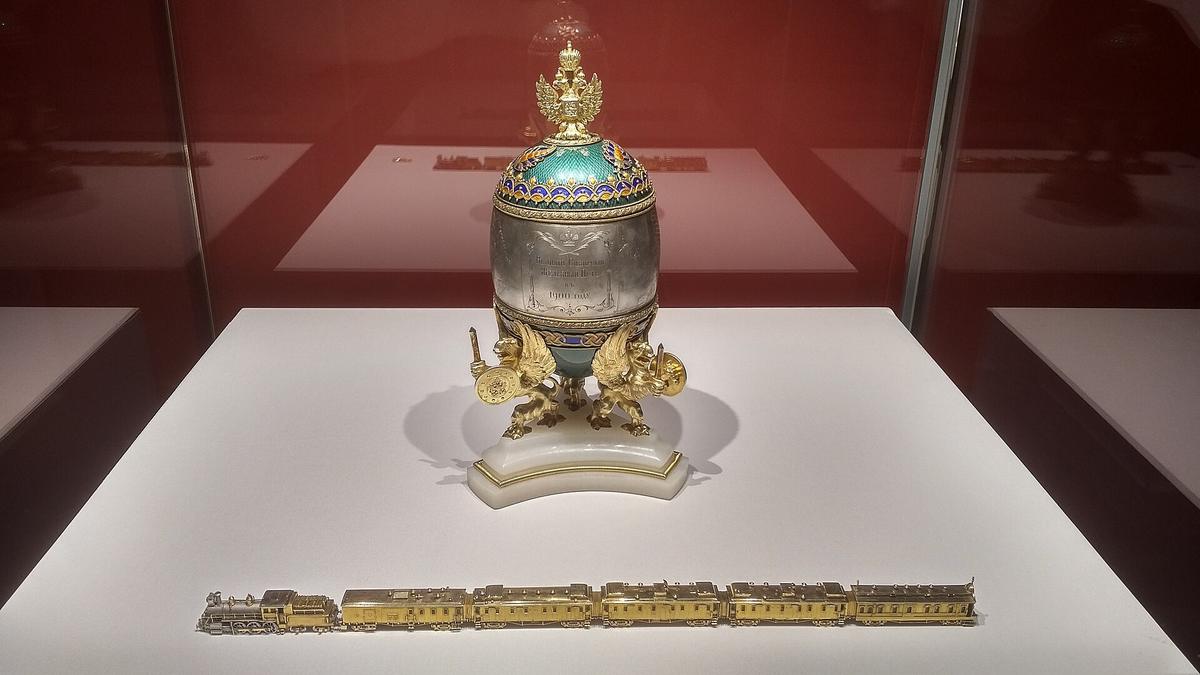
Platzkart is the open dormitory. No doors, no privacy, 54 berths per car. It is the cheapest class and the most social. Kupe is a 4 berth compartment with a door that closes. SV, also called Lyuks, is a 2 berth compartment and the most comfortable sleeper option. Sitting cars exist on day trains like the Sapsan high speed service between Moscow and Saint Petersburg and Moscow and Nizhny Novgorod. Book Platzkart for a single overnight. Choose Kupe for anything over 12 hours. Take SV if you need to sleep deeply on a multi day journey.
.jpg)
Moscow to Vladivostok Train: the Trans Siberian Reality
A Moscow to Vladivostok train takes approximately seven days. Do not attempt it in a two week trip that also includes Moscow and Saint Petersburg. The journey burns at least four full days just on trains between those three nodes and leaves zero time to experience any of them. A meaningful Trans Siberian segment needs 21 to 30 days minimum.
Pack For The Gaps
Pack for the gap. Mobile connectivity vanishes for hours between major stops. Bring downloaded maps, entertainment and a power bank. The train stops long enough at larger stations to buy food from platform vendors, including Baikal omul at Listvyanka market and Siberian pelmeni. Carry cash in small denominations. Provincial ATMs often accept only domestic Mir cards, not Visa or Mastercard.
Russia Marshrutka Travel: the Short Haul Tool
The marshrutka is a privately run minibus that operates on fixed routes but stops anywhere the passenger asks. It is the default short haul connection between small towns, and often the only public transport inside a region. Pay the driver in cash. There is no online booking and no English.
Know the failure case. Marshrutkas leave when full, not on a schedule. In rural areas, the rasputitsa mud seasons in late March to April and October to November can make unpaved sections impassable. Spring thaw closes regional roads for weeks. Have a backup plan: check whether a train station exists in the next town, or budget for a hotel if you get stranded. Carry 30 to 50 RUB coins because public toilets outside major cities are paid, squat style, and lack toilet paper.
Yandex Go Russia Cities: Taxis and Ride Hailing
Yandex Go is the dominant ride hailing app in Russian cities. It works in Moscow, Saint Petersburg, Kazan, Yekaterinburg, Vladivostok and most regional capitals. The app displays the fare upfront and accepts card payment linked to the account.
Airport Transfers: Train Or Bus First
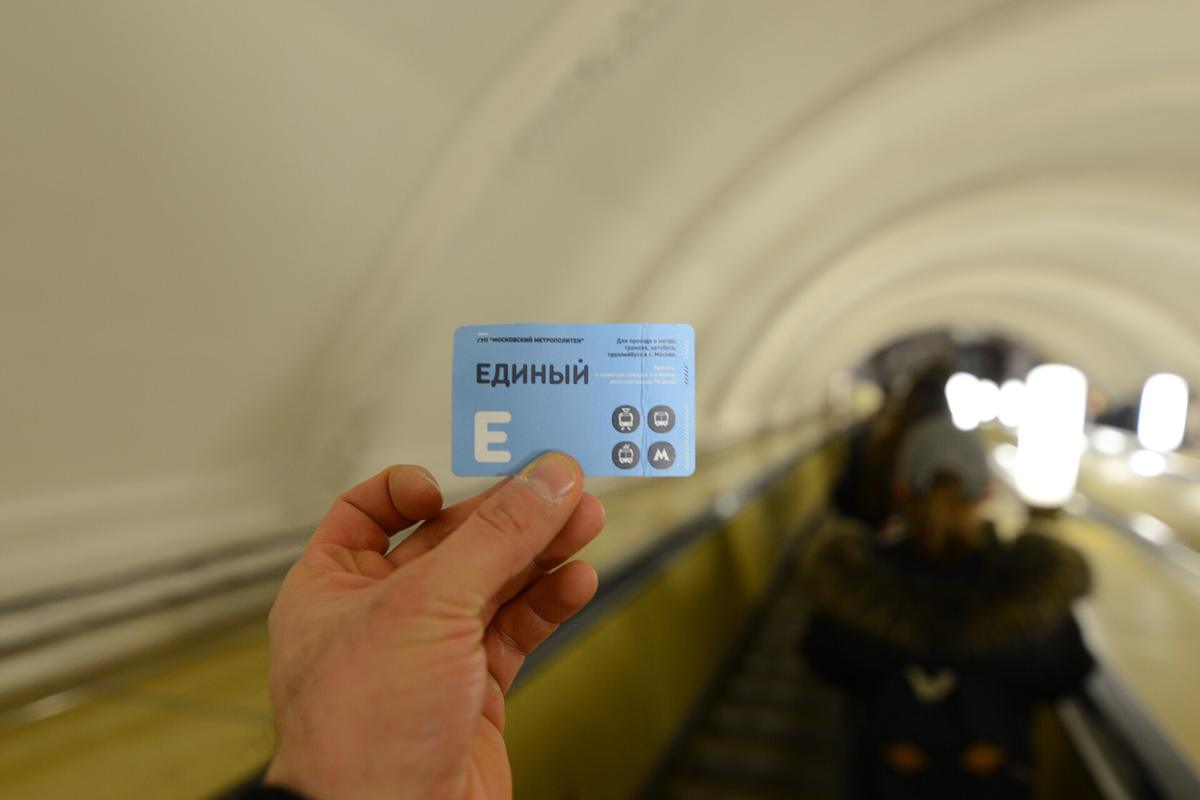
The Aeroexpress train is a faster alternative at any airport that has it. From Moscow Sheremetyevo (SVO), the Aeroexpress reaches Belorussky Station in 35 minutes. From Moscow Domodedovo (DME), it reaches Paveletsky Station in 45 minutes. From Saint Petersburg Pulkovo (LED), city bus 39 or 39Ex to Moskovskaya metro station takes 30 to 40 minutes. Use Yandex Go only when the train or bus schedule does not align with your flight.
.jpg)
Elektrichka, Aeroexpress, and the Modes That Fill the Gaps
The elektrichka is the suburban electric train. It connects cities to their satellite towns and serves day trips like Vladimir and Suzdal from Moscow, or Sergiev Posad from Moscow. The elektrichka from Yaroslavsky Station to Sergiev Posad takes 1 hour 30 minutes. These trains are cheap, frequent, and Cyrillic only on the boards. No reservation required. Buy a ticket at the station counter or from a machine.
Domestic Air For The Long Haul
Domestic air is the fallback for any route exceeding roughly 1,500 km and for all regions without rail. Moscow is the main hub, with Sheremetyevo, Domodedovo and Vnukovo airports. Secondary hubs include Saint Petersburg, Novosibirsk, Yekaterinburg and Krasnodar. Book through airline websites or aggregator platforms. Your passport number and exact name are required at purchase. The flight departure time is given in local time at the airport, unlike the train. Do not confuse the two.
When the Network Fails
No rail service exists to Kamchatka, Magadan Oblast, Chukotka, the Altai Republic interior, Tuva interior, or large parts of northern Siberia. The only way in is by air, and some of those flights are infrequent. The Northern Sea Route has no scheduled passenger service. Expedition cruises require special permits and months of advance planning.
Roads are the other failure point. The total road network is approximately 1.5 million km, but only about 70% of federal highways are paved. The proportion is significantly lower on regional and local roads. During the spring rasputitsa, many unpaved roads become impassable for weeks. Winter ice roads open in northern Siberia, but those close when the river ice breaks up in spring. If your itinerary depends on a long distance bus connection in late March or October, check the road surface classification before you book the flight.
Common Questions
Can I buy a Russian Railways ticket at the station on the day of departure?
Yes, at any station ticket counter. Expect a queue. Have your passport ready. English is rarely spoken outside Moscow and Saint Petersburg. For popular summer routes, book in advance because trains sell out.
Does my phone work on the Trans Siberian train?
Patchy. Coverage is good in major corridors but vanishes for hours between stops. Buy a local SIM from MTS, Beeline or MegaFon at the airport on arrival. Install a VPN before you leave home to access Western sites.
What happens if I miss my train because I read the ticket in Moscow time?
The ticket is non refundable. You buy a new one. To avoid this, check the station departure board against local time, not the printed ticket time. Set your phone to the local clock.
Do I need a visa to cross into Belarus by train?
Non CIS nationals need a Belarus transit visa unless traveling on a direct Moscow Europe train. Service status on those routes varies. Check with the embassy before you buy the ticket.
Read next
-

 Staying Connected in Russia With eSIM Local SIM or Roaming
How to get a working mobile connection in Russia, why a passport is required, and where the signal disappears on long train routes.
Staying Connected in Russia With eSIM Local SIM or Roaming
How to get a working mobile connection in Russia, why a passport is required, and where the signal disappears on long train routes.
-
 Best Time to Visit Russia by Season and Region
When to go to Russia and what each season actually does to transport, prices, and what you can see. Seasonal trade-offs, not a single month.
Best Time to Visit Russia by Season and Region
When to go to Russia and what each season actually does to transport, prices, and what you can see. Seasonal trade-offs, not a single month.
-
 Russia Visa Requirements and the Invitation Letter Process
Russia visa requirements, the invitation letter, and the registration rule that catches independent travellers out. What to do before and after arrival.
Russia Visa Requirements and the Invitation Letter Process
Russia visa requirements, the invitation letter, and the registration rule that catches independent travellers out. What to do before and after arrival.
-
 Paying for Things in Russia With Rubles and Cards
Russian rubles, Mir cards, and where cash still wins. What foreign visitors can and cannot pay with across Russia today.
Paying for Things in Russia With Rubles and Cards
Russian rubles, Mir cards, and where cash still wins. What foreign visitors can and cannot pay with across Russia today.
-
 Reading Russia Safety Advice Without Being Misled
Reading safety advice about Russia without being misled by it. Real risks, overstated fears, and what independent travellers should watch.
Reading Russia Safety Advice Without Being Misled
Reading safety advice about Russia without being misled by it. Real risks, overstated fears, and what independent travellers should watch.
-
 What a Trip to Russia Costs and Where the Money Goes
How money actually works on a Russia trip, from Moscow hotel premiums to cash-only provincial buses and what makes the budget move.
What a Trip to Russia Costs and Where the Money Goes
How money actually works on a Russia trip, from Moscow hotel premiums to cash-only provincial buses and what makes the budget move.
-
 A Ground-Level Logistics Guide to Independent Travel in China
First-time independent travel in China: what you need to know about visas, rail booking, eSIMs, mobile payments, and power adapters.
A Ground-Level Logistics Guide to Independent Travel in China
First-time independent travel in China: what you need to know about visas, rail booking, eSIMs, mobile payments, and power adapters.
-
 How Solo Travelers Stay Ahead of Flight Delays and Cancellations
How solo travelers can track inbound aircraft, claim rebooking rights, and adjust ground transport when flights go wrong — step by step.
How Solo Travelers Stay Ahead of Flight Delays and Cancellations
How solo travelers can track inbound aircraft, claim rebooking rights, and adjust ground transport when flights go wrong — step by step.
-
 Why Your eSIM Might Not Work Abroad and How to Check Before You Go
Buying an eSIM doesn't guarantee signal abroad. Learn why coverage fails by location and how to verify reach before you commit to a plan.
Why Your eSIM Might Not Work Abroad and How to Check Before You Go
Buying an eSIM doesn't guarantee signal abroad. Learn why coverage fails by location and how to verify reach before you commit to a plan.