Your WeChat Pay Alipay Foreign Card Setup Guide for China Travel
China runs on WeChat Pay and Alipay, and cash is often refused. Here is how to link a foreign card, what to do when it fails, and where renminbi notes still work.
The Wrong Assumption About Paying in China
Most travellers land believing a Visa card and a stack of renminbi will cover everything. That belief strands people within hours. A street vendor selling sweet potatoes expects a QR code scan. That ¥10 note in your pocket may be politely refused. Cash is not extinct, but in every major city it is secondary. The primary way to pay is a mobile app linked to a Chinese bank account or, with luck, to a foreign card. The WeChat Pay Alipay foreign card setup is the single task you must complete before or immediately upon landing. It fails for about one in four travellers on the first attempt. Get it working, know what to do when it breaks, and keep physical cash as a fallback.
Why China Became Cashless Faster Than Anywhere Else
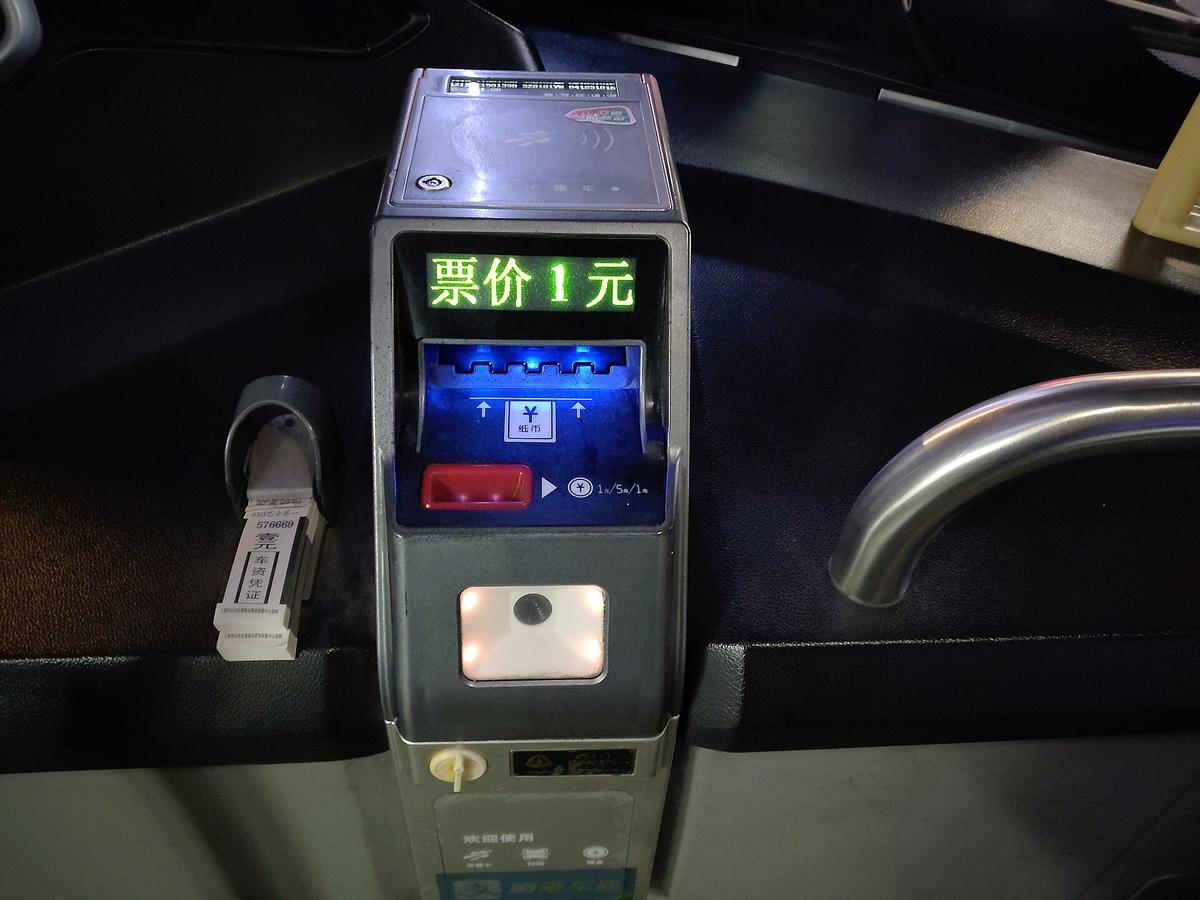
WeChat Pay and Alipay together account for over 90% of mobile transactions in China. The reason is simple: the People's Bank of China let the two platforms build an infrastructure that leapfrogged card terminals. A QR code costs a few yuan to print. No point-of-sale machine required. Every fruit seller, noodle stall, and taxi driver has one. Even a ¥2 purchase is paid by scanning a code. Foreigners are locked out of that system until they complete the passport verification step inside the app. Without it, buying a bottle of water becomes a puzzle that takes twenty minutes and a sympathetic local to solve.

The WeChat Pay Alipay Foreign Card Setup: Step by Step
Registering Your Foreign Card
Both Alipay and WeChat Pay now allow linking a Visa or Mastercard for in-person payments. Download the app, select the payment or wallet function, choose to add a foreign card, and complete the identity verification using your passport. The process takes about 10 minutes if your passport scans cleanly.
Why a Local SIM Matters
You do not need a local SIM to complete registration, but a local number makes the account far more reliable. Without one, some transactions trigger a verification SMS that never arrives. Buy a SIM or eSIM from Nihao Mobile or China Unicom at the airport on arrival. Hotel Wi-Fi will not help: it still requires a local phone number to send the verification code.
What to Do When the Setup Fails
Linking a foreign credit card in China fails for several reasons. Your bank may block the transaction as suspicious. The app may reject your passport scan if the photo is poor. The daily spending limit for foreign accounts is lower than for local accounts. When the normal route is closed at 1am, you need a list of solutions.
Fix It Before You Fly
Call your bank before departure and notify them you will use the card in China. Carry a backup card from a different network.
ATM Fallback
Use Bank of China or ICBC ATMs to withdraw renminbi in cash. These ATMs accept foreign cards marked with Visa/Plus or Mastercard/Cirrus. The ATM withdrawal limit is 2,500 to 5,000 yuan per transaction. Reject the dynamic currency conversion screen that offers to charge you in your home currency. Opting to be charged in CNY yields a better exchange rate.
Workarounds on the Ground
If you arrive with a group, ask your tour guide to load money onto their account and send you a payment request. This works because WeChat allows person-to-person transfers between any two users. The hotel concierge at any large hotel can pay for a taxi or a meal on your behalf, and you settle with the front desk in renminbi.
Where Cash Still Works and Where it Does Not
Renminbi cash acceptance is shrinking but not dead. In rural areas, small street stalls, and with older vendors, cash is the only option. Some intercity bus stations and rural taxis accept cash only. Counterfeit risk is real: 100 yuan and 50 yuan notes are most commonly counterfeited, so handlers routinely check the watermark and security thread. Small change is a problem. Vendors lack change for large notes, and mobile payment eliminates that friction entirely.
City Rules
In urban metro stations, QR code payment for public transport is the norm. Large hotels, upscale restaurants, and major tourist sites accept international cards. Do not attempt to use a foreign credit card at a small business, a local market, or a food stall. It will be refused. Carry small denominations at all times for the moments when the app fails and the vendor does not take plastic.
ATMs, Exchange, and the Tipping Question
ATMs accepting foreign cards are widespread in cities. Bank of China and ICBC have the broadest foreign card support. The withdrawal limit per transaction is 2,500 to 5,000 yuan, and your issuing bank sets a cumulative daily limit. If you need more, make multiple withdrawals across different machines. Move the banknotes to a secure place immediately. Counterfeit acceptance is rare from bank machines, but check the notes anyway.
Leaving with Yuan
When you leave China, you may reconvert up to the amount you originally exchanged, provided you keep the original exchange receipts. Do this at a Bank of China branch at the airport or in a city. You may take up to 20,000 yuan in cash out of China without declaration. Unused yuan exceeding that amount requires a permit.
Tipping and the Digital Yuan
Tipping is not customary in any sector including restaurants, hotels, taxis, and tour guides. High-end international hotels may accept tips for bell staff, but it is not standard. Do not tip. It creates confusion and sometimes offence. The digital yuan, or e-CNY, is a government pilot program active in multiple cities. Foreign visitors can register via a dedicated app with a passport, but merchant adoption is limited. Do not rely on it.
The Single Thing That Most Often Goes Wrong
Travellers underestimate the absolute dependence on two apps and one local SIM. They arrive with a foreign credit card they expect to work everywhere and a vague plan to figure out the rest. Within two hours, they are standing in front of a convenience store with a bottle of water, a 100 yuan note, and a shop assistant pointing at a QR code. The workaround is simple but requires advance action. Set up WeChat Pay or Alipay before you leave home. Link a backup card. Download your VPN before departure because Google, Instagram, WhatsApp, and Gmail will be blocked without it. Buy a local SIM at the airport. Carry cash in small notes. The single thing that most often goes wrong is not the app failure itself, but the assumption that the problem has a quick fix once you are already in the country. It does not. The fix takes preparation. Do it before the plane lands.
Frequently Asked Questions
Can I use my foreign Visa or Mastercard at a Chinese restaurant or shop?
International cards are accepted at large hotels, upscale restaurants, and major tourist sites. They are not reliably accepted at small businesses, local markets, local transport, or street stalls. For those places, you need WeChat Pay, Alipay, or cash.
Do I need a local SIM card to use WeChat Pay or Alipay?
A local SIM is not mandatory for registration, but it is strongly recommended for reliability. Without a local number, verification SMS codes may not arrive, and you cannot connect to most public Wi-Fi, which is often required to top up your data.
What is the maximum amount of renminbi I can withdraw from an ATM in one transaction?
ATM withdrawal limits are 2,500 to 5,000 yuan per transaction. The cumulative daily limit is set by your issuing bank. To avoid Dynamic Currency Conversion fees, always reject the offer to be charged in your home currency and choose to be charged in CNY.
Is it still possible to pay with cash in major Chinese cities?
Cash is accepted in most places but met with reluctance or lack of change. In major cities, street vendors, metro stations, and even some small shops expect mobile payment. Always carry small denomination notes for the moments when the app fails or the vendor is older.
What happens if I run out of cash and my mobile payment app stops working?
Find a Bank of China or ICBC ATM that accepts your foreign card. If you cannot withdraw, ask your hotel concierge to pay for you and settle in renminbi at the front desk. If you are with a group, ask a tour guide to handle the payment and reimburse them in cash or via the app.
Read next
-

 Staying Connected in China Without Losing Access to Everything
The central tradeoff is this: a local physical SIM gives you the Chinese phone number you need for WeChat Pay, bike sharing, and public Wi-Fi login.
Staying Connected in China Without Losing Access to Everything
The central tradeoff is this: a local physical SIM gives you the Chinese phone number you need for WeChat Pay, bike sharing, and public Wi-Fi login.
-
 Best Time to Visit China by Region and Season
China's climate spans subtropical to subarctic. Here is what each season means region by region, from October's clear Beijing skies to August's Guangdong humidity.
Best Time to Visit China by Region and Season
China's climate spans subtropical to subarctic. Here is what each season means region by region, from October's clear Beijing skies to August's Guangdong humidity.
-
 China High-Speed Trains and Getting Around Without a Chinese App
China's high-speed rail is fast and efficient, but booking as a foreigner is a puzzle.
China High-Speed Trains and Getting Around Without a Chinese App
China's high-speed rail is fast and efficient, but booking as a foreigner is a puzzle.
-
 China Visa Requirements and the Application Process Step by Step
Most visitors need a Chinese tourist visa before departure. Here is who qualifies for visa-free entry, who does not, and exactly how the L-visa application works.
China Visa Requirements and the Application Process Step by Step
Most visitors need a Chinese tourist visa before departure. Here is who qualifies for visa-free entry, who does not, and exactly how the L-visa application works.
-
 Is China Safe for Travel and What Safety Advice Actually Applies
China is statistically safe from violent crime, but scams, air pollution, and digital surveillance are real concerns. Here is what to actually watch for.
Is China Safe for Travel and What Safety Advice Actually Applies
China is statistically safe from violent crime, but scams, air pollution, and digital surveillance are real concerns. Here is what to actually watch for.
-
 What a Trip to China Actually Costs and Where the Money Goes
A realistic breakdown of China travel costs, from G-train tickets and attraction entry fees to the hidden expenses of a cashless society.
What a Trip to China Actually Costs and Where the Money Goes
A realistic breakdown of China travel costs, from G-train tickets and attraction entry fees to the hidden expenses of a cashless society.
-
 A Ground-Level Logistics Guide to Independent Travel in China
First-time independent travel in China: what you need to know about visas, rail booking, eSIMs, mobile payments, and power adapters.
A Ground-Level Logistics Guide to Independent Travel in China
First-time independent travel in China: what you need to know about visas, rail booking, eSIMs, mobile payments, and power adapters.
-
 How Solo Travelers Stay Ahead of Flight Delays and Cancellations
How solo travelers can track inbound aircraft, claim rebooking rights, and adjust ground transport when flights go wrong — step by step.
How Solo Travelers Stay Ahead of Flight Delays and Cancellations
How solo travelers can track inbound aircraft, claim rebooking rights, and adjust ground transport when flights go wrong — step by step.
-
 Why Your eSIM Might Not Work Abroad and How to Check Before You Go
Buying an eSIM doesn't guarantee signal abroad. Learn why coverage fails by location and how to verify reach before you commit to a plan.
Why Your eSIM Might Not Work Abroad and How to Check Before You Go
Buying an eSIM doesn't guarantee signal abroad. Learn why coverage fails by location and how to verify reach before you commit to a plan.