Key West Is the End of a Very Long Road
Key West sits 113 miles past the Florida mainland, and that single road shapes everything about a visit here.
- Flag
-

- ISO code
- US
- Population
- 25,755
- Currency
- USD
- Timezone
- America/New_York
Key West Travel Guide: the End of a Very Long Road
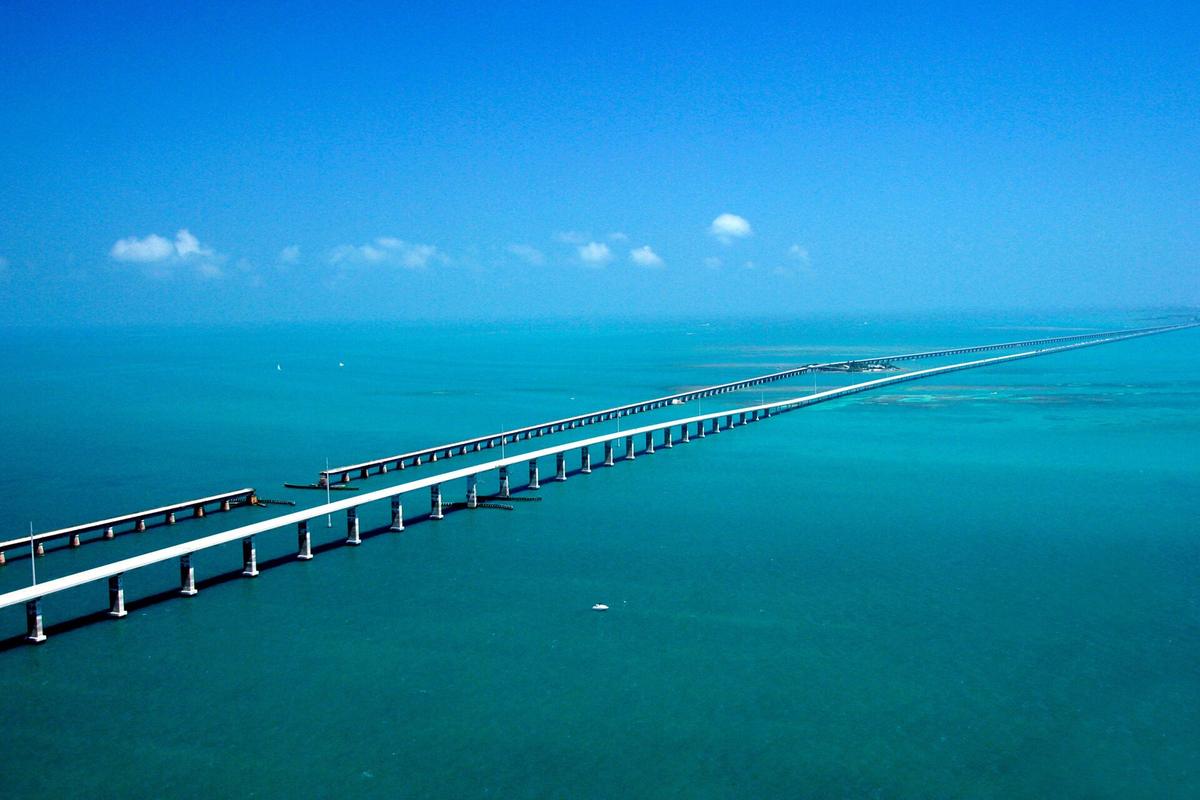
Key West is 113 miles from mainland Florida, and the only way to drive there is on US 1, the Overseas Highway. That single road, with its 42 bridges weaving from island to island, shapes everything about a visit. It makes Key West feel isolated and finite. The literal end of the line. It also means that when a tropical storm threatens, the road closes at Florida City and you cannot get in or out until bridge inspections are complete. That constraint is not a footnote. It is the central fact of this Key West travel guide: the island is connected to the mainland by a thread, and that thread determines when you can arrive, how much it will cost, and what you will find when you get there.
The island city that sits at the end of that road is compact, walkable, and adult. It feels more Caribbean than anything in Florida. It has a live and let live ethos, a serious drinking culture, and very little natural sand. First time visitors who arrive expecting a lazy beach town are almost always surprised by how small and crowded the old core is, and by the sticker shock of a peak season hotel room. Rates in a desirable Old Town guesthouse run from roughly $300 to $500 a night in January, set by the property and changing with the calendar; check the official booking page for your dates. If you want a resort beach vacation with calm surf and sandcastles, you want a different island. If you want a place where you can walk from the Gulf of Mexico to the Atlantic Ocean in under forty minutes, where the bars stay open until 4:00 AM, and where the smell of cannabis drifts over narrow lanes lined with wooden houses from the 19th century, Key West is exactly that.
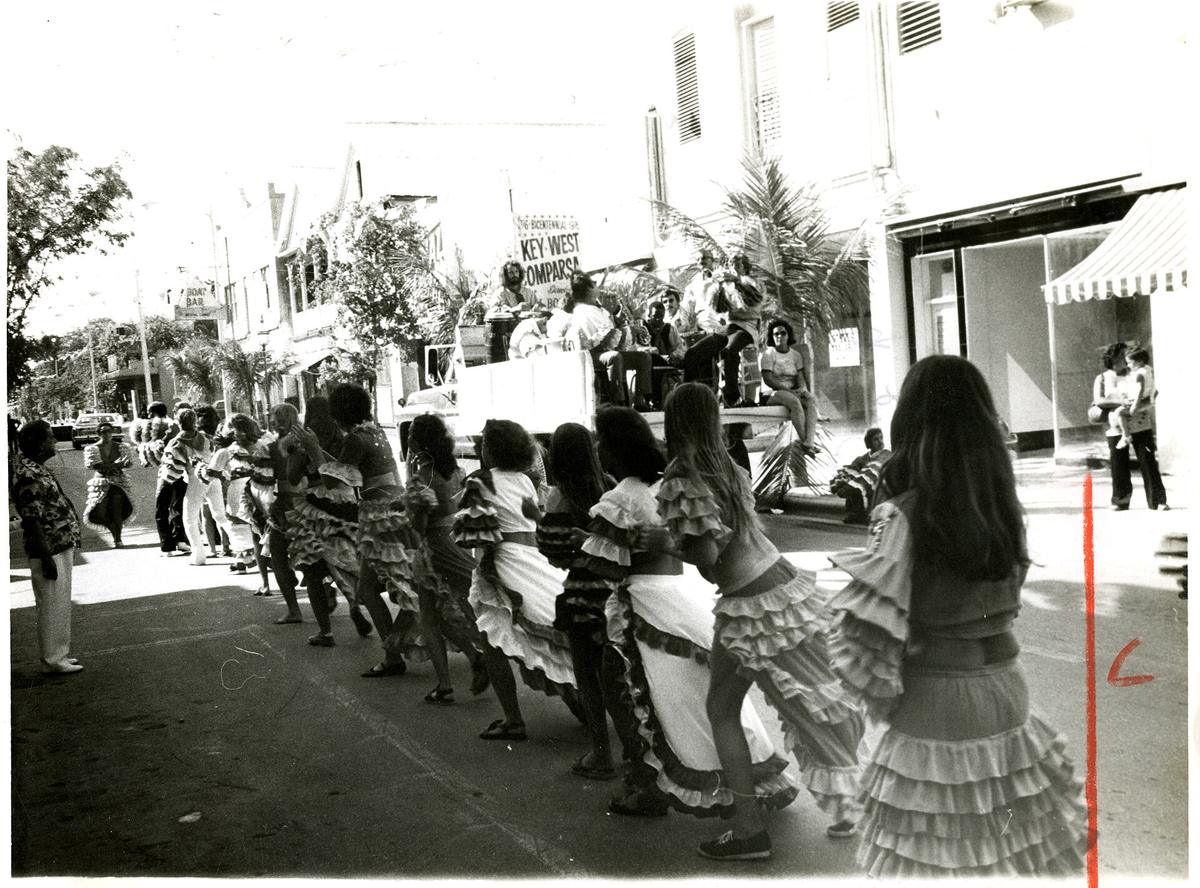

- Distance from Mainland: 113 miles (182 km) southwest of Miami via US 1
- City Area: 5.6 sq mi (14.5 km²) land; 1.5 sq mi (3.9 km²) water
- City Elevation: 5 ft (1.5 m) above sea level at highest point (Solares Hill)
- Permanent Population: ~26,000 (2020 U.S. Census)
- Annual Visitors: ~3 million (Monroe County Tourist Development Council estimate, pre 2020 pattern)
- Minimum Recommended Stay: 3 full days
- Peak Season: January through March
- Primary Airport: Key West International Airport (EYW)
- Walkability: Old Town is ~1 mile wide by ~1.5 miles long; walkable end to end in under 40 minutes
Key West Island Orientation: Where Everything Lives
Old Town Versus New Town
The geography of Key West is simple once you understand one dividing line: White Street. Everything west of White Street is Old Town. Everything east of White Street is New Town. That is the single most useful piece of orientation you will get. Old Town is the dense grid of narrow lanes, wood frame houses from the 19th century, galleries, bars, and guesthouses that most people come to see. New Town is strip malls, chain stores, grocery stores, the hospital, and the airport. You will need New Town for a pharmacy or a Walmart run. You will not want to stay there.
The Districts Within Old Town
Within Old Town, the sub districts each have a distinct character. Duval Street runs for 1.25 miles from the Gulf of Mexico to the Atlantic Ocean. The Gulf side blocks are quieter, with shops and galleries. The middle blocks, roughly from Front Street to Truman Avenue, are the bar and T shirt zone. South of Truman, the noise drops sharply and the street ends at the Atlantic. The Historic Seaport sits north of Eaton Street. It is a working waterfront with charter boats, fish houses, and wooden docks mixed with restaurants. Bahama Village, bounded by Whitehead Street, Southard Street, Fort Street, and Angela Street, is the historically Afro Bahamian residential area with small restaurants and a neighborhood feel. The Meadows has leafy lanes and grand old homes. Truman Annex is a gated former naval base with quiet, manicured lanes. The Casa Marina district, along the Atlantic shore south of South Roosevelt Boulevard, is the resort zone. Stock Island, the next island east, is the working boatyard and marina area where you find the best local seafood joints and a much less polished feel.
Where to Book Your Bed
This geography matters because it dictates where you should book accommodation. If you want to walk to bars and restaurants, stay in Old Town. If you want quiet, look at the Truman Annex or The Meadows. If you want a chain hotel with a pool and parking, accept that you will be in New Town and will need a bike or a car for every outing. Do not assume a place described as close to Duval means a short walk. In the heat and humidity, a 20 minute walk to the waterfront can feel punishing.
Key West Trip Planning: What to Book and When
Lock In Your Room First
Book accommodation first. In peak winter season, mid December through April, desirable guesthouses in Old Town book months ahead. The same room that costs a peak rate in January drops sharply in September. But September brings peak hurricane season humidity and the risk of a storm closing the road. Fantasy Fest in late October is a separate animal: the 10 day costumed street party triples hotel rates and fills the island. The Key West Songwriters Festival in early May draws a music industry crowd. Lobster mini season, the last consecutive Wednesday and Thursday of July, brings a large recreational diving and boating crowd. Check the dates for any of these before you commit to a week.
Water Activities Sell Out
Book water activities second. Popular charters and the Dry Tortugas National Park ferry sell out days to weeks ahead in peak periods. The high speed catamaran to Dry Tortugas takes 2.25 hours each way. The seaplane takes 40 minutes. Both require advance reservation and planning. Snorkel and dive trips to the Florida Reef leave from the Historic Seaport and reach the reef in 30 to 45 minutes. These also fill up. Do not arrive expecting to walk onto a boat the next morning in January.
Skip the Rental Car
Book a rental car only if your accommodation includes a dedicated parking spot. Parking in Old Town is scarce and aggressively enforced. The city runs a residential parking permit program that covers most Old Town streets. Metered parking is time limited and expensive. A rental car is a costly liability in Old Town. Use the Duval Loop, the free bus that circles the historic district daily, or rent a bicycle. Key West has among the highest bicycle mode share in the United States because the terrain is flat and distances are short. If you need a ride share, Uber and Lyft operate but availability drops sharply after midnight. Download offline maps before arrival as a backup. Some Old Town guesthouses have thick walls that degrade Wi Fi in rooms.
Key West What to Expect: the Reality of the Island
The single biggest mismatch between expectation and reality on Key West is the beach. This is not a beach destination. Natural sand beaches are scarce. Most of the shoreline is rocky or mangrove. The only natural sand beach worth visiting is at Fort Zachary Taylor Historic State Park, and it requires water shoes because the entry into the water is rocky. Smathers Beach is a half mile stretch of sand that was trucked in; it is man made. The south facing beaches also suffer from sargassum, rotting seaweed that can create a strong sewage like odor, especially in summer. If you want a classic Florida beach vacation with calm surf and sandcastles, you want the Gulf coast or the Atlantic coast of the mainland, not the end of the Overseas Highway.
What Key West actually offers is a walkable, adult oriented city with a serious bar culture, old architecture, and easy access to the water for people who want to be on it rather than beside it. The live and let live ethos is real. The island is openly welcoming to LGBTQ+ travelers. The drinking culture is central: last call is 4:00 AM by city ordinance, though open containers are prohibited on public streets and sidewalks. The old core is small and crowded. When multiple cruise ships dock, Duval Street and Mallory Square become impassable bottlenecks from roughly 10:00 AM to 4:00 PM. The free ranging chickens and roosters crow at all hours, especially loud in Bahama Village and The Meadows. The cost of accommodation shocks most visitors. The relentless sun and humidity wear down travelers not acclimated to the subtropics. These are not surprises to be discovered. They are conditions to be prepared for.
| District | Character | Best For | Key Friction |
|---|---|---|---|
| Old Town | Dense grid of narrow streets, historic wood frame houses, bars, galleries, guesthouses | Walking to everything; bars; history | Noise; crowded streets; expensive parking |
| Duval Street | 1.25 mile spine from Gulf to Atlantic; shops, bars, T shirt zone | Nightlife; people watching | Impassable when cruise ships dock; loud late nights |
| Bahama Village | Historically Afro Bahamian; small restaurants; neighborhood feel | Quieter meals; local character | Roosters crowing at all hours |
| Truman Annex | Gated former naval base; quiet manicured streets; condos | Peace and quiet; Little White House | Expensive; limited accommodation options |
| Casa Marina | Resort zone along Atlantic shore; wide streets; larger properties | Beach access; resort amenities | Man made beach; higher prices |
| New Town | Strip malls, chain stores, grocery stores, airport | Services; budget chain hotels | Not walkable; car required; no character |
| Stock Island | Working waterfront; marinas; boatyards; local seafood | Authentic seafood; working harbor feel | Not in Key West city limits; rough around edges |
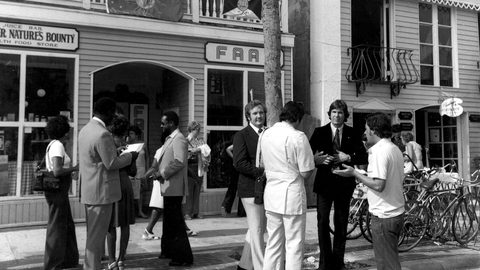
.jpg)
Key West First Visit: Doing it Right the First Time
Day One: The Landmarks
The most common mistake is booking a trip too short and spending it all on Duval Street, then leaving disappointed without having seen the water, the history, or the quieter neighborhoods. Three full days is the minimum. Day one covers Old Town landmarks. Start at the Southernmost Point Buoy early, before the long queue forms. Walk to Fort Zachary Taylor Historic State Park for the beach and the Civil War fort. Climb the 88 steps of the Key West Lighthouse for island views. Visit the Ernest Hemingway Home and Museum for the famous cats and the lush garden. End the day at Mallory Square for the nightly sunset celebration with street performers and food carts. The sunset time ranges from roughly 5:30 PM in December to 8:15 PM in June.
Day Two: Get on the Water
Day two is for water activities. Book a morning snorkel or dive trip to the Florida Reef or a half day sandbar and dolphin watching cruise. Both depart from the Historic Seaport. If you booked the Dry Tortugas ferry or seaplane, this is the day to use it. In the afternoon, explore the Historic Seaport itself. Eat pink shrimp or a hogfish sandwich at a dockside shack. Drink café con leche from a walk up window.
Day Three: Beyond Duval
Day three is for exploring beyond Duval Street. Walk the quiet residential streets of The Meadows and Bahama Village. Visit the Key West Cemetery with its above ground graves and darkly humorous epitaphs. Tour the Truman Little White House. If you have a rental car, drive to Stock Island for the working waterfront and the best local seafood. Do not skip this day. It is the difference between a trip that felt like a crowded bar crawl and a trip that felt like you actually visited a place.
Who Key West Suits and Who it Does Not
Key West suits adults seeking a walkable party town with old charm, not a beach resort. It suits LGBTQ+ travelers looking for an openly welcoming and celebratory destination. It suits water sports enthusiasts wanting easy access to fishing, diving, and kayaking. It suits couples on a romantic, bar hopping long weekend. It suits history and literature buffs tracing Hemingway and Tennessee Williams.
Key West does not suit families wanting a classic resort beach vacation with calm surf and sandcastles. The beaches are small and the vibe is adult. It does not suit budget backpackers. Accommodation and drinks are expensive. It does not suit visitors who dislike loud nightlife, crowds, or the smell of cannabis in the street. It does not suit anyone expecting a quiet, secluded island escape. The island is 5.6 square miles of land with 26,000 permanent residents and 3 million annual visitors. Quiet and secluded are not in the vocabulary.
The Overseas Highway gave Key West its isolation and its character. That road makes the island feel like a destination you have to earn. It also makes it a place you can leave behind completely once you cross the last bridge back to the mainland. That is the trade off. Plan for it, budget for it, and respect the limits the geography imposes. Key West delivers exactly what it promises: the end of a very long road, with nothing left to do but enjoy it.
Common Questions
How do I get to Key West without a car?
Fly into Key West International Airport (EYW). A taxi or ride share to Old Town takes 10 to 15 minutes and costs roughly $15 to $25. No public bus serves the terminal directly. Some visitors fly into Miami and drive the Overseas Highway, a 3.5 to 4 hour journey without stops. That drive time balloons on Friday afternoons and holiday weekends.
Is Key West expensive?
Yes. In peak season, even modest guesthouses in Old Town run $300 to $500 per night, set by the property. Drinks are expensive. Parking is expensive. The lowest accommodation prices run September through October, but that coincides with peak hurricane season. Midweek is cheaper than weekends year round.
Does Key West have good beaches?
Not in the way most people mean. Natural sand beaches are scarce. The only natural sand beach worth visiting is at Fort Zachary Taylor Historic State Park, and it is rocky at the waterline. Smathers Beach is man made. The south facing beaches can smell of rotting sargassum seaweed in summer.
When should I avoid Key West?
Fantasy Fest week in late October brings massive crowds, road closures, and tripled hotel rates. Mid August through September is peak hurricane season with high heat, humidity, and storm risk. Spring Break in March through early April brings a concentrated college age crowd to Duval Street bars.
Can I walk everywhere in Key West?
In Old Town, yes. Old Town is roughly one mile wide by 1.5 miles long and is walkable end to end in under 40 minutes. New Town, where chain stores and the airport are, requires a car or bike. The Duval Loop free bus circles the historic district daily.
What happens if a hurricane is forecast?
US 1 closes to inbound traffic when sustained tropical storm force winds are forecast. Monroe County issues phased evacuation orders starting roughly 48 hours before those winds are expected. Reopening depends on Florida Department of Transportation bridge inspections and can take hours or weeks. A storm hundreds of miles away can close the road and strand visitors for an unknown duration.
Is Key West family friendly?
Not as a primary beach resort. The beaches are small, the vibe is adult, bars stay open until 4:00 AM, and cannabis smoke is common on the streets. Families wanting a classic resort beach vacation with calm surf and sandcastles should choose a different destination. History minded families with older children can have a good visit by sticking to daytime activities and quieter neighborhoods.
Read next
-
 Key West Hotels, What the Price Bands Actually Get You
Key West hotel prices swing wildly by season, and what you get at each band varies more in atmosphere and location than in square footage or thread count.
Key West Hotels, What the Price Bands Actually Get You
Key West hotel prices swing wildly by season, and what you get at each band varies more in atmosphere and location than in square footage or thread count.
-
 Where to Stay in Key West, A District-by-District Comparison
Choosing where to stay in Key West means deciding what you are willing to trade away: quiet for location, character for a parking spot, or your budget for both.
Where to Stay in Key West, A District-by-District Comparison
Choosing where to stay in Key West means deciding what you are willing to trade away: quiet for location, character for a parking spot, or your budget for both.
-
 Flying Into Key West and Getting Out of the Airport
You step off the plane at Key West International Airport and the first thing you notice is the open air.
Flying Into Key West and Getting Out of the Airport
You step off the plane at Key West International Airport and the first thing you notice is the open air.
-
 What to Do in Key West, Ordered by Whether It Is Worth the Time
Some Key West landmarks reward the time and money they demand; others leave you standing in a queue wondering why you bothered.
What to Do in Key West, Ordered by Whether It Is Worth the Time
Some Key West landmarks reward the time and money they demand; others leave you standing in a queue wondering why you bothered.
-
 When to Visit Key West and What Each Season Does to the Island
Key West shifts dramatically with the seasons: dry winter crowds, sweltering summer storms, and an October street party that takes over the entire Old Town.
When to Visit Key West and What Each Season Does to the Island
Key West shifts dramatically with the seasons: dry winter crowds, sweltering summer storms, and an October street party that takes over the entire Old Town.
-
 Getting Around Key West Without Wasting Half Your Trip
A rental car in Key West is a liability unless your accommodation includes a dedicated spot; walking, biking, and the free Duval Loop bus handle the rest.
Getting Around Key West Without Wasting Half Your Trip
A rental car in Key West is a liability unless your accommodation includes a dedicated spot; walking, biking, and the free Duval Loop bus handle the rest.
-
 United States Travel Guide for First-Timers Who Want the Real Picture
The United States delivers extraordinary geographic and cultural variety, but its sheer scale, car dependency, and tipping economy surprise first-timers. Start here.
United States Travel Guide for First-Timers Who Want the Real Picture
The United States delivers extraordinary geographic and cultural variety, but its sheer scale, car dependency, and tipping economy surprise first-timers. Start here.
-
 Staying Connected While Traveling Through the United States
Prepaid eSIMs work well in US cities, but a physical T-Mobile or AT&T SIM bought at arrival gives better rural coverage for national parks and long highway drives.
Staying Connected While Traveling Through the United States
Prepaid eSIMs work well in US cities, but a physical T-Mobile or AT&T SIM bought at arrival gives better rural coverage for national parks and long highway drives.
-
 Best Time to Visit the United States by Region and Season
The United States spans so many climates that no single season works everywhere. Here is what each region delivers, and when to stay away.
Best Time to Visit the United States by Region and Season
The United States spans so many climates that no single season works everywhere. Here is what each region delivers, and when to stay away.