A Realistic Netherlands Trip Cost Breakdown for Different Travel Styles
Understand the shape of Netherlands travel costs: where money goes, why accommodation spikes unpredictably, and how to budget without a fixed daily figure.
The Shape of a Netherlands Travel Budget
Forget searching for one magic number. It does not exist. What you spend depends on when you go, where you sleep, what you eat, and how you move between cities. A useful trip cost breakdown accounts for the structural reasons accommodation dominates your spending, why museum entries stack up fast, and where you can moderate food costs without eating badly. Here is the real shape of a Netherlands travel budget, built around the decisions you actually make.
The country is a compact, water-engineered place that feels like a walkable village stretched across regions. Its cost structure is not compact at all. The dominant trip cost category is accommodation, which during peak season can spike to 2.5 times the off-peak rate in the capital. The second most dominant cost is inter-city rail transport. Efficient, but not cheap without a rail discount. The third is dining out at mid-range restaurants. Each category behaves differently depending on your travel style and timing. That is why a flat daily budget figure is a fantasy.

How Much to Budget for the Netherlands: Accommodation First
Budget, Mid-Range, and the Scarcity Premium
Accommodation is where most of your money goes, and the spread is wide. A hostel dormitory bed or a basic campsite pitch sits in the budget tier. A private double room in a 3-star hotel or a private apartment rental is the mid-range tier, and it costs 2.5 to 4 times more than the budget option. That multiplier is not a marketing trick; it reflects the scarcity of land in the Randstad and the sheer volume of demand during peak periods.
The Peak Season Calendar
The peak season runs April through September, with July and August as the absolute peak. Within that, tulip season from mid-March to mid-May hits hardest, especially around Keukenhof Gardens and the bulb fields. April brings King's Day on the 27th, a nationwide public holiday when rooms in the capital, Utrecht, and Rotterdam book out months in advance. Arrive without a reservation that weekend and you will be paying triple for whatever is left, which is not much.
Where to Stay When the Cities Are Full
Outside the Randstad cities, regional variation is significant. Rural provinces like Drenthe, Groningen, Friesland, and Zeeland are the cheapest. A mid-range room in a farmhouse or small hotel in Friesland can cost half of what a comparable room in the capital costs. If your budget is tight, base yourself in one of those provinces and take the train into the cities for day trips. The trade-off is time on the railway, which is the next category to understand.
Netherlands Daily Travel Expenses: Transport Traps and Savings
How the Trains Work
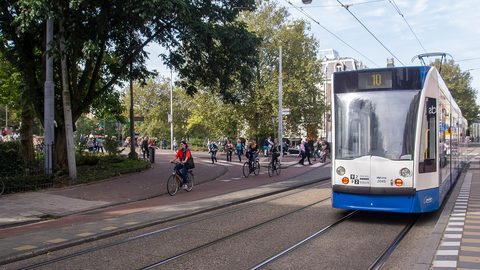
The national railway, NS, uses a fixed, distance-based fare with no dynamic pricing for standard walk-up tickets. A ticket from the capital to Rotterdam costs the same at 7:00 AM as it does at 2:00 PM. Fair, but not cheap. The main friction for visitors is the OVpay contactless system. You check in and out using a contactless debit or credit card or a mobile wallet. The catch: when you transfer between train operators, for example from NS to Arriva, you must check in on a separate card reader at the platform. Fail to do that and you may be fined or charged the full fare from the start of your journey.
Single-use paper tickets from a machine carry a €1 surcharge per transaction. For multiple journeys, buy an anonymous OV-chipkaart from a ticket machine; the card itself costs a non-refundable fee and is valid for up to 5 years. If you are staying seven days or more and plan to take more than two inter-city trips, consider a discount subscription. NS Flex offers various tiers, and the off-peak 40% discount applies weekdays outside 06:30-09:00 and 16:00-18:30, plus all day on weekends. That discount pays for itself in two longer journeys.
Buses, Cars, and the Parking Solution
Inter-city buses like FlixBus offer lower fares than the railway, but journey times are longer. Ridesharing via BlaBlaCar has lower uptake here than in southern Europe. Driving is an option, but car rental base rates are moderate while fuel excise duty is among the highest in the EU, and parking in city centres is among the most expensive in Europe. Use Park and Ride facilities at the edges of cities: they offer a capped daily rate that includes public transport for all occupants.
Is the Netherlands Expensive to Visit? the Museum and Food Reality
The Museum Maths
Yes, the Netherlands is expensive to visit, but the expense is concentrated in predictable categories. Museum entries at national institutions like the Rijksmuseum and the Van Gogh Museum sit at the upper end of the entry cost range, €15 to €22 per adult. Book online in advance, not just because timed slots sell out but because the online ticket costs the same as the walk-up rate, and the queue at the counter wastes your morning. The Anne Frank House releases tickets six weeks ahead and they sell out instantly; if you miss that window, you do not get in.
For anyone visiting more than three major museums, the Museumkaart is an annual pass granting entry to over 400 museums. A temporary card for tourists is available at some museums with limited validity and fewer visits. Check whether the math works for your itinerary before you buy individual tickets. Many municipal museums offer free entry one afternoon per week or month, but that varies by city and you need to look up the specific schedule.
Eating for Less
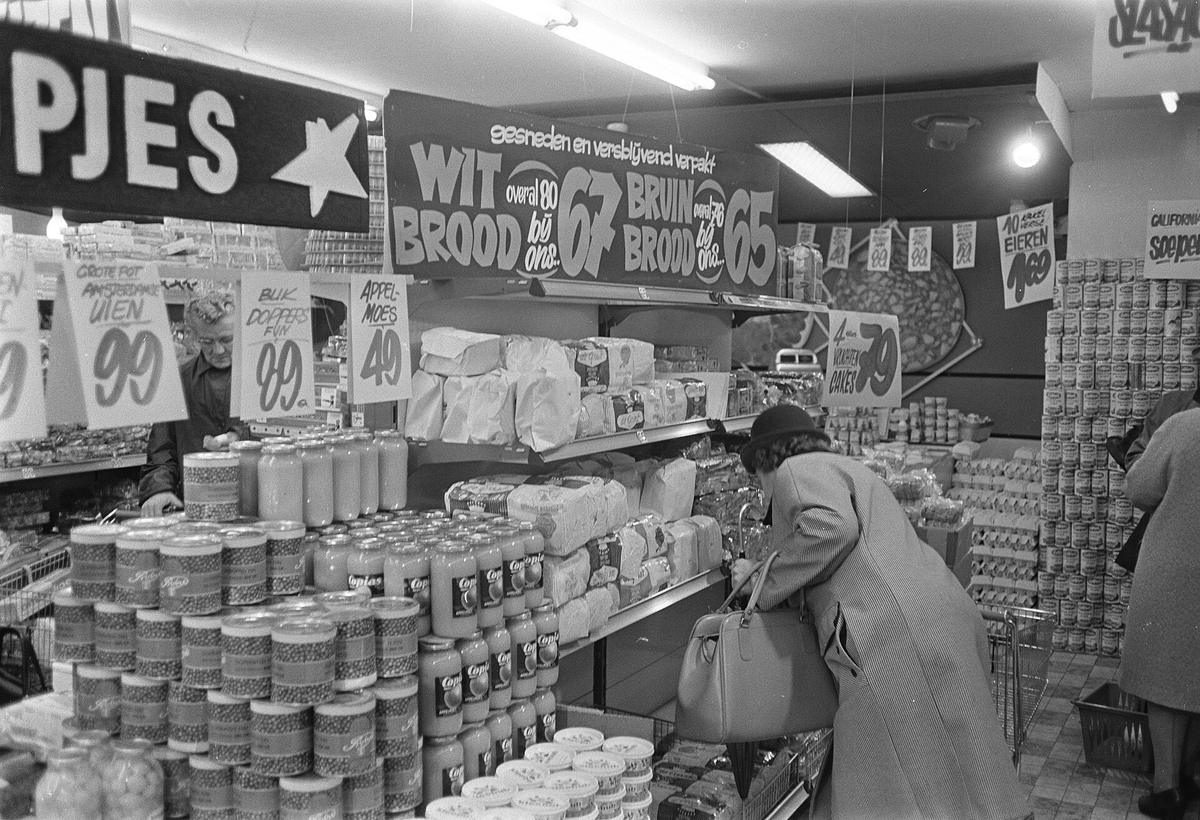
Food costs are the category where you have the most control. A budget meal is a broodje from a bakery or a supermarket, or hot food from a FEBO automatiek, a wall of heated vending cubbies that dispense kroketten and frikandellen for around €3 each. A mid-range meal is a dagschotel at an eetcafé or a shared Indonesian rijsttafel. Sit-down dinners in the capital run 20 to 30 percent above the national average for the same dish. In rural villages and less-touristed provincial cities, it costs less. Supermarkets like Albert Heijn, Jumbo, Lidl, and Aldi are everywhere. Tap water is potable nationwide and served free at restaurants by custom, though it may not appear automatically.


Dutch Accommodation Cost Guide: Seasonal and Regional Spikes
When to Avoid and When to Go
Seasonality in room prices is the single most important factor in your total spend. In the capital, peak season rates run 1.5 to 2.5 times off-peak rates. In rural regions, the multiplier is less pronounced but still significant. The avoid window for budget-conscious travellers includes late December to early January outside the cities, when many smaller-town attractions close; King's Day weekend, when crushing crowds and sold-out transport make any discount impossible; and weeks when major trade fairs hit Amsterdam RAI and Utrecht Jaarbeurs, which spike hotel prices unpredictably, especially in March and September.
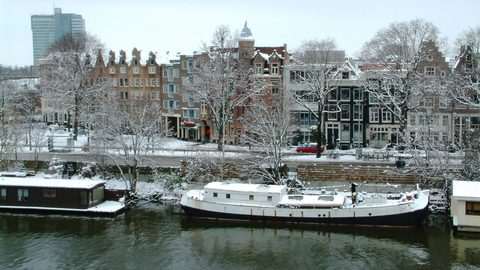
Travel in the off-peak season from November through February, excluding the Christmas and New Year period, and room costs drop sharply. The weather is more capricious than expected even in summer, with sudden rain and wind, so the off-peak disadvantage is mostly about shorter daylight hours, not unmanageable cold. The trade-off is worth it if your budget is the priority.
The Tax You Cannot Skip
Tourist tax is applied per person per night, set by each municipality. The capital is among the highest nationally. The rate varies from a flat fee to a percentage of the room cost. You cannot avoid it by booking through a different platform. Factor it into your room cost, not as a surprise at checkout.
The Real Budget Killer: Advance Booking Failure
The single thing that most often goes wrong on a Netherlands trip is assuming you can arrive and decide on the day. Many museums and restaurants require advance online booking, even in smaller cities. Walk-up culture is dying. Shops and supermarkets close by 18:00 on Saturdays and are mostly shut all day Sunday outside major city centres. Public toilets are scarce and cost €0.50 to €1.00, even in train stations; carry coins or a contactless card. Bicycle priority is absolute; walking on a red cycle path will get you shouted at or hit.
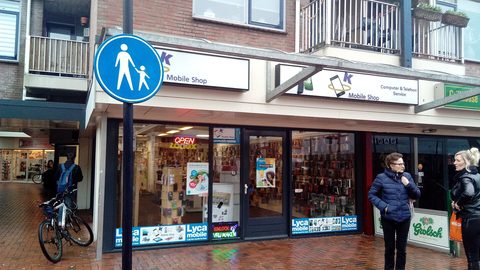
Cash is increasingly refused. Many places accept only Maestro, V PAY, or contactless Mastercard and Visa, not standard credit cards. The 9292 app is essential for integrated public transport planning across all operators. Public Wi-Fi on NS trains is free but requires a one-time registration. eSIMs from providers like uPhone work well, but a local prepaid SIM from Lebara or Lycamobile costs less and is available at supermarkets and telecom shops.
Book your room first, because it is the fixed cost that determines everything else. Then book your museum tickets. Then plan your transport. The most practical thing a reader should do next is open a calendar, pick a seven-day window outside the avoid periods, and lock in a split stay between one Randstad city and one rural province. That is how you control the shape of the Netherlands trip cost breakdown.
Common Questions
What is the single most expensive mistake first-time visitors make on a Netherlands trip?
Booking a room only in the capital and attempting to day-trip the entire country from it. You waste hours in transit and miss the distinct character of regions like Limburg, Friesland, and Zeeland. Split your stay: base yourself in Utrecht for central access, or spend a few nights in a smaller city like Leiden or Maastricht.
Can I use my regular credit card to pay for trains and trams?
Yes, through the OVpay system. Use a contactless debit card, credit card (Visa or Mastercard) or mobile wallet to check in and out. However, many supermarkets and smaller shops do not accept standard credit cards, only Maestro or V PAY. Carry a debit card that works on the Maestro network.
How much should I budget for museum entries in a 7-day trip?
Plan for approximately €100 to €150 if you visit five major museums. The Rijksmuseum and Van Gogh Museum each cost around €20. Smaller municipal museums cost less. If you plan to visit more than three, the Museumkaart annual pass likely saves you money. Check if a temporary tourist version is available at the first museum you visit.
Is it cheaper to eat out in Amsterdam or in smaller cities?
Smaller cities. Dining costs in the capital run 20 to 30 percent above the national average for an equivalent meal. Rural villages and less-touristed provincial cities like Groningen, Maastricht, or Leeuwarden are the cheapest. The dagschotel daily special at a local eetcafé outside the capital costs around €12 to €16.
Can I drink the tap water in the Netherlands?
Yes. Tap water is potable nationwide and is served free at restaurants by custom, though it may not arrive automatically. You have to ask for it. Carry a refillable bottle; you can fill it at any tap. Avoid buying bottled water, which costs the same as it does elsewhere.
Read next
-
 Staying Connected in The Netherlands With eSIM, Local SIM or Roaming
Compare eSIM, local SIM, and roaming options for The Netherlands, where 5G coverage is near-universal but NS train Wi-Fi has limits.
Staying Connected in The Netherlands With eSIM, Local SIM or Roaming
Compare eSIM, local SIM, and roaming options for The Netherlands, where 5G coverage is near-universal but NS train Wi-Fi has limits.
-
 When to Visit the Netherlands and What Each Season Actually Does to Your Trip
April brings tulips and King's Day crowds. July and August are warmest but rainy. Winter closes many small-town attractions. Choose your season by the trade-offs.
When to Visit the Netherlands and What Each Season Actually Does to Your Trip
April brings tulips and King's Day crowds. July and August are warmest but rainy. Winter closes many small-town attractions. Choose your season by the trade-offs.
-
 Moving Around the Netherlands by Train, Bike, and the Gaps the Map Oversells
Dutch trains are excellent, but checking in on the wrong card reader when changing operators can get you fined. Here is how the system works.
Moving Around the Netherlands by Train, Bike, and the Gaps the Map Oversells
Dutch trains are excellent, but checking in on the wrong card reader when changing operators can get you fined. Here is how the system works.
-
 Who Needs a Visa for the Netherlands and How the Application Actually Works
Whether you need a visa for the Netherlands depends on your passport. Here is the Schengen application process, required documents, and realistic timelines.
Who Needs a Visa for the Netherlands and How the Application Actually Works
Whether you need a visa for the Netherlands depends on your passport. Here is the Schengen application process, required documents, and realistic timelines.
-
 Paying for Things in the Netherlands Without Your Card Getting Declined
Many Dutch shops refuse Visa and Mastercard. Here is why, where cards work, where cash still matters, and how OVpay changes transport payments.
Paying for Things in the Netherlands Without Your Card Getting Declined
Many Dutch shops refuse Visa and Mastercard. Here is why, where cards work, where cash still matters, and how OVpay changes transport payments.
-
 Reading Safety Advice About the Netherlands Without Being Misled by It
The Netherlands is safe by every statistic, but bicycle-path collisions and pickpocketing on Amsterdam trams are the real visitor risks to understand.
Reading Safety Advice About the Netherlands Without Being Misled by It
The Netherlands is safe by every statistic, but bicycle-path collisions and pickpocketing on Amsterdam trams are the real visitor risks to understand.
-
 A Ground-Level Logistics Guide to Independent Travel in China
First-time independent travel in China: what you need to know about visas, rail booking, eSIMs, mobile payments, and power adapters.
A Ground-Level Logistics Guide to Independent Travel in China
First-time independent travel in China: what you need to know about visas, rail booking, eSIMs, mobile payments, and power adapters.
-
 How Solo Travelers Stay Ahead of Flight Delays and Cancellations
How solo travelers can track inbound aircraft, claim rebooking rights, and adjust ground transport when flights go wrong — step by step.
How Solo Travelers Stay Ahead of Flight Delays and Cancellations
How solo travelers can track inbound aircraft, claim rebooking rights, and adjust ground transport when flights go wrong — step by step.
-
 Why Your eSIM Might Not Work Abroad and How to Check Before You Go
Buying an eSIM doesn't guarantee signal abroad. Learn why coverage fails by location and how to verify reach before you commit to a plan.
Why Your eSIM Might Not Work Abroad and How to Check Before You Go
Buying an eSIM doesn't guarantee signal abroad. Learn why coverage fails by location and how to verify reach before you commit to a plan.