Hungary Beyond Budapest
Hungary is a landlocked thermal-bath culture with grand imperial bones and a countryside of flat plains, where Budapest dominates and the forint rules.
- Flag
-

- ISO code
- HU
- Population
- 9,768,785
- Currency
- HUF
- Dial code
- +36
Hungary Beyond Budapest
Seventy percent of international visitors never leave Budapest. That statistic, published by the Hungarian Tourism Agency, defines the central problem this guide solves. Budapest is a grand imperial capital with Habsburg avenues, ruin bars, and 15 public baths, but beyond the ring road the country operates like a different nation. English fades after the second district. The pace slows to something more insular. Flat plains stretch under a wide sky. Attractions are spread across distances that catch travellers off guard. A nation roughly the size of Portugal cannot be seen from one city. This page establishes the practical realities that shape a real itinerary, points you to the detail each region owns, and tells you where the famous options are the wrong ones.
- Currency: Hungarian forint (HUF). Hungary is an EU member since 2004 but has not adopted the euro and has no target date set for joining the eurozone.
- Arrival Airport: Budapest Ferenc Liszt International Airport (BUD). Bus 100E runs to Deák Ferenc tér in 35-40 min for 2,200 HUF (~€5.50). Official airport taxi is a fixed zonal fare of about 12,000 HUF (€30) to the centre.
- Minimum Days: 7 days. This allows 3 days in the capital plus one wine region, Lake Balaton, and a day trip to the Danube Bend without constant hotel packing.
- Peak Season: July and August for summer crowds and Balaton domestic tourism. December is a secondary peak for Christmas markets in the capital.
- Avoid Window: 15-20 August (St. Stephen's Day) and the Formula 1 weekend in late July or early August create a combined hotel bottleneck. 1 May and Easter Monday close rural attractions and shops entirely.
- Emergency Number: 112 (EU-wide). Also 104 for ambulance, 107 for police, 105 for fire.
- Drink Driving: Zero tolerance. The alcohol limit for drivers is 0.00%.
Hungary Beyond Budapest: Where the Country Starts
Leave the capital in any direction and the change is immediate. The radial transport network, which routes almost everything through Budapest, forces you to plan ahead. The national railway (MÁV) and long-distance buses (Volánbusz) are organised around the city, so a cross-country trip that would take two hours by car turns into a five-hour train detour through Keleti station. This is the most common mistake travellers make: trying to cover the country without a car. If you rely on public transport, expect to return to the capital between every regional move.
When you do leave, you enter a place where Hungarian (Magyar) is the operating language. English is common among the under-40s in Budapest but drops sharply in rural villages. Learn the words for hello (szia), thank you (köszönöm), and the bill please (a számlát kérem). Restaurant kitchens outside the city close between 15:00 and 18:00, leaving no hot food available during that window. Plan your lunch before 14:30 or carry snacks. Public toilets cost 200 to 300 HUF in coins, and attendants rarely give change. Many rural museums and cellars are cash only. ATMs in small villages can be scarce. Budapest is contactless-friendly. The countryside still runs on banknotes.
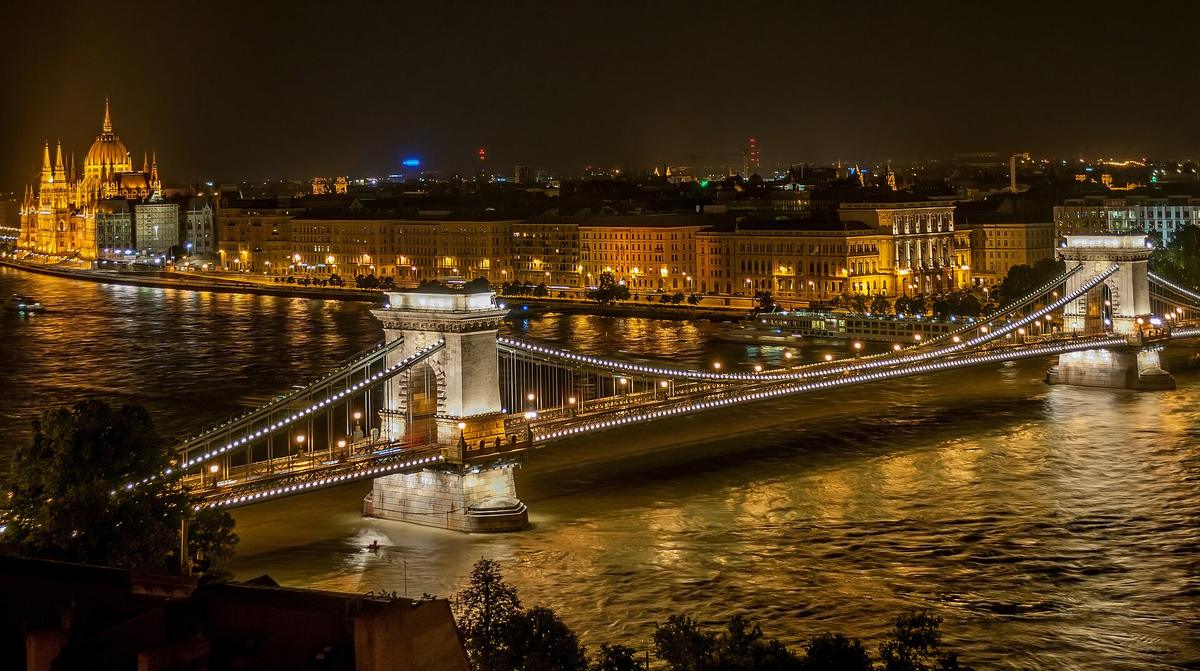

Hungarian Thermal Bath Culture: Municipal Life, Not Luxury Spa
How The Baths Actually Work
Hungary sits on over 1,300 hot-water springs, and Budapest alone has 15 public baths. But the bath culture here is not a luxury spa experience. It is a municipal service. Locals use the baths for swimming laps, playing chess in the shallow pools, socialising with friends, and medical treatment. Many baths hold an official medical designation, and doctors prescribe treatments covered by national health insurance for certain conditions. Swimwear is required in mixed areas. Showering before entering any pool is mandatory. Some baths have single-sex days or sections.
Where To Go And When
Széchenyi Bath in Budapest is the grand outdoor option. Book a skip-the-line ticket online before you arrive. Arrive by 08:30 on a weekday to avoid the worst crowds. For a real contrast, go to Eger and the Bükk region, where you will find limestone cave baths cut into the hillside. Lake Hévíz, the world's largest swimmable hot-water lake, stays open year-round at a steady 25 to 36 °C. It draws a mixed crowd of bathers, medical patients, and day trippers. None of these are pampering destinations. They are active social spaces. Adjust your expectations accordingly.
The Forint Currency Guide: Cash, Card, and the Trap
The Hungarian forint (HUF) operates differently from the euro zones around it. Contactless payment is widespread in Budapest and larger towns, but rural markets, small village shops, and many wine cellars in Tokaj and Villány are cash only. ATMs in small settlements can run out of cash on weekends. Carry a reserve in small notes when you leave the city.
Card readers are common but not universal. A common scenario: you finish a meal in a small Balaton town, the kitchen has closed (it is 16:30), and the elderly owner gestures at a handwritten sign that says készpénz (cash). You walk to the nearest ATM, which charges a fee and dispenses only large notes. The shop next door cannot break it. Budget for this friction. Keep coins for public toilets and market stalls. The 27% VAT rate means purchases are expensive by regional standards; non-EU residents can claim a refund on exports over a minimum threshold at the border, so keep the receipts for anything over roughly 50,000 HUF.
| Region | Best For | Minimum Time | Getting There From Budapest |
|---|---|---|---|
| Budapest and Central Hungary | Urban exploration, thermal baths, Habsburg avenues, ruin bars | 3-4 days | Already there |
| Lake Balaton | Shallow warm lake, north shore vineyards, resort towns, cycling the 210 km loop | 2-4 days | 1.5-2 hr train to Balatonfüred or Siófok |
| Danube Bend | River scenery, Esztergom Basilica, Visegrád castle ruins, Szentendre artists' town | Day trip or 1-2 days | 45-60 min train to Esztergom or Szentendre |
| Northern Hungary (Eger, Miskolc, Bükk) | Baroque architecture, red wine, limestone cave baths, hill walking | 2-3 days | 2 hr train to Eger |
| Great Plain (Puszta, Debrecen, Szeged) | Endless steppe, paprika farms, folk traditions, thermal lakes, crane migrations | 2-3 days | 2.5 hr train to Debrecen or Szeged |
| Southern Transdanubia (Pécs, Villány) | Mediterranean microclimate, Roman tombs, Ottoman ruins, full-bodied reds | 2-3 days | 2.5 hr train to Pécs |
| Western Transdanubia (Sopron, Kőszeg, Őrség) | Alpine foothills, border town history, cool climate whites, hiking | 2-3 days | 2.5 hr train to Sopron |
| Tokaj Hegyalja | Sweet wine country, underground mould covered cellars, sleepy villages | 2-3 days | 2.5 hr train to Tokaj (via Miskolc) |
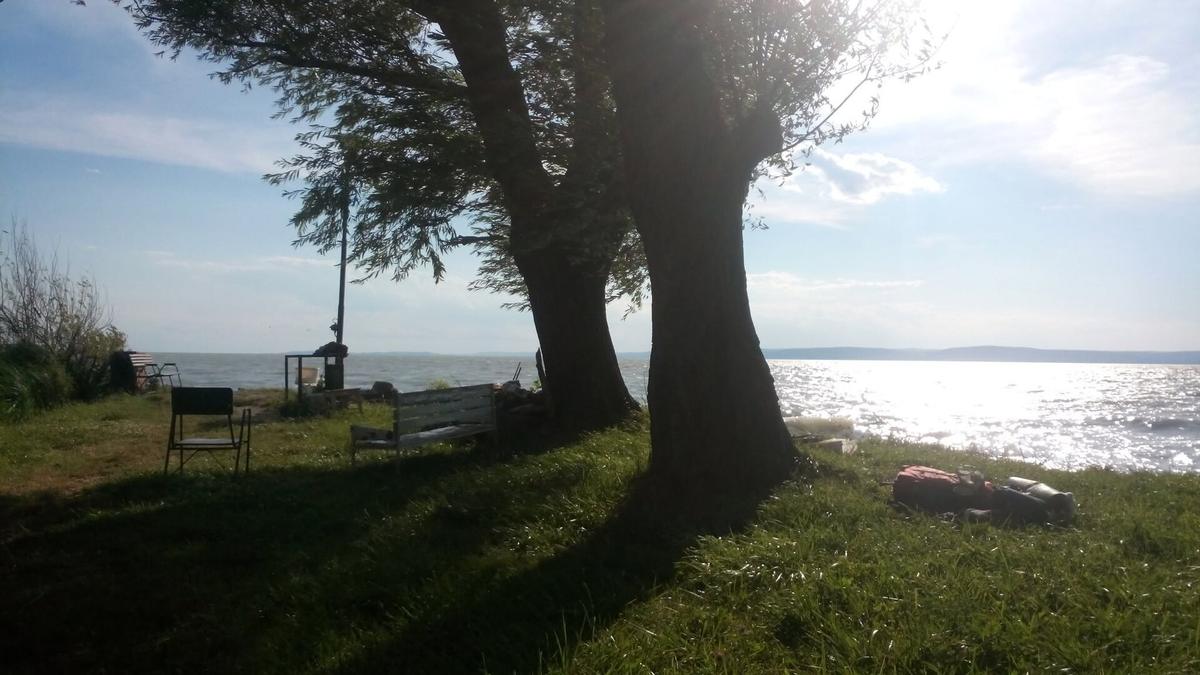

Hungary Country Travel: What You Actually Need to Know
Driving The Country
Point-to-point driving is straightforward. The motorway network radiates from Budapest: M1 to Vienna, M3 to the northeast, M5 to Szeged and Serbia, M7 to Lake Balaton and Croatia, M6 to Pécs. All motorway use requires an electronic vignette (e-matrica), purchased online or at petrol stations. The zero-tolerance drink-driving limit is strictly enforced. Dipped headlights are mandatory outside built-up areas at all times. Seat belts are required front and rear. A cross-country drive from Budapest to Sopron takes about 2.5 hours. The same journey by train, forced through the capital on a radial line, takes three hours if the connection is clean. A car saves you a full day on a week-long itinerary.
Entry Rules And Documents
EU and EEA licenses are valid. Non-EU visitors need an International Driving Permit from their home country. Bring it. Hungary is in the Schengen Area. EU, EEA, Swiss, UK, US, Canadian, Australian, New Zealand, Japanese, and South Korean citizens do not need a visa for short stays up to 90 days in any 180-day period. ETIAS authorisation is expected to become mandatory for visa-exempt non-EU travellers, but the launch has been delayed and was not operational as of August 2026. Check the FCDO or State Department advisory before you travel.
Network And SIM
Mobile coverage is good in towns and along motorways. Rural valleys and cellars can drop signal entirely. Download offline maps before leaving Budapest. Prepaid SIMs are cheap and widely available at airport kiosks and shopping centres.
Seasonal Reality
July and August bring peak crowds and heat. The M0 ring road and M7 to Balaton clog badly on Friday afternoons in summer. Leave Budapest by 13:00 on a Friday if you are heading to the lake. December draws visitors for Christmas markets, but rural attractions run reduced hours. Spring and autumn offer quieter roads and full restaurant schedules outside the capital.
Public Transport Rules
If you do use public transport, validate paper tickets on the platform before boarding using the orange box punchers. An unvalidated ticket carries an on-the-spot fine of 25,000 HUF. Plainclothes inspectors patrol the metro, trams, and buses. The BudapestGO app is essential for city transport tickets. The MÁV app lets you buy train tickets in advance and skip the station queues. InterCity trains require a seat reservation. Train stations in smaller towns often lack lifts; budget for hauling luggage up steep stairways.
Who Hungary Suits and Who Should Skip it
Hungary suits spa and wellness seekers willing to treat thermal baths as municipal social spaces rather than luxury retreats. It suits wine-route cyclists who want Tokaj sweet wines, Villány full-bodied reds, and Balaton cool-climate whites without the crowds of Tuscany. It suits history buffs focused on Habsburg and Ottoman layers, from the Esztergom Basilica to the Pécs early Christian necropolis. It suits budget-conscious backpackers who can handle the cash friction. It suits birdwatchers on the Great Plain who want crane migrations on the Hortobágy alkaline steppe.
Hungary is not for alpine mountain lovers. The highest peak is 1,014 metres at Kékes in the Mátra hills. It is not for vegans who rely on diverse plant-based menus outside Budapest. It is not for travellers who need consistently warm, approachable service. Hungarian customer service can read as brusque or indifferent, especially in state-run enterprises, post offices, and train-station counters. The indifference is cultural, not personal. Recognise it, adjust your expectations, and the country opens up.
Common Questions
Is English widely spoken in rural Hungary?
No. English is common among Hungarians under 40 in Budapest but drops sharply in rural areas. Outside the capital, learn basic Magyar phrases or carry a translation app. German is more useful in the west near the Austrian border.
How much cash should I carry outside Budapest?
Carry a reserve in small notes. Rural museums, cellars, and markets are often cash only. ATMs in small villages can be scarce and may charge high fees. Keep coins for public toilets, which cost 200 to 300 HUF.
Can I drive in Hungary with my home country license?
EU and EEA licenses are valid. Non-EU visitors need an International Driving Permit (IDP) from their home country. Bring it. The zero-tolerance drink-driving limit means 0.00% alcohol. Dipped headlights are mandatory outside built-up areas at all times.
Is Hungary safe for solo travellers?
Yes. Standard urban precautions apply in Budapest, especially on night trams and around major train stations. Emergency number 112 works across the EU. Tap water is safe to drink nationwide.
When do restaurants close for the afternoon gap?
Outside Budapest, many restaurant kitchens close between 15:00 and 18:00. No hot food is available during that window. Plan lunch before 14:30 or buy snacks in advance. This is particularly true in rural areas and small towns.
Do I need a visa for Hungary?
EU, EEA, Swiss, UK, US, Canadian, Australian, New Zealand, Japanese, and South Korean citizens do not need a visa for short stays up to 90 days in any 180-day period. Hungary is in the Schengen Area. ETIAS authorisation is expected to become mandatory for visa-exempt non-EU travellers, but the launch has been delayed and was not operational as of August 2026. Check the FCDO or State Department advisory before you travel.
Is tipping expected in Hungary?
Yes. 10 to 15% is customary in restaurants. Check the bill to see if a service charge is already included. In Budapest, rounding up the fare is standard for taxis.
Read next
-
 Staying Connected in Hungary With eSIM, Local SIM or Roaming
eSIM, local SIM, or roaming in Hungary: the ID registration rule, why the BudapestGO app needs data, and where rural signal drops out.
Staying Connected in Hungary With eSIM, Local SIM or Roaming
eSIM, local SIM, or roaming in Hungary: the ID registration rule, why the BudapestGO app needs data, and where rural signal drops out.
-
 Best Time to Visit Hungary by Season and What Gets in the Way
July and August pack Lake Balaton and Budapest, December draws Christmas market crowds, and January to February brings grey cold and rural closures.
Best Time to Visit Hungary by Season and What Gets in the Way
July and August pack Lake Balaton and Budapest, December draws Christmas market crowds, and January to February brings grey cold and rural closures.
-
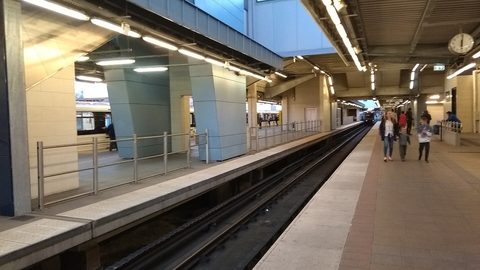 Getting Around Hungary by Train Bus and Car Without the Detours
Hungary's rail and bus networks radiate from Budapest, forcing cross-country trips through the capital. Validate paper tickets or face a 25,000 HUF fine.
Getting Around Hungary by Train Bus and Car Without the Detours
Hungary's rail and bus networks radiate from Budapest, forcing cross-country trips through the capital. Validate paper tickets or face a 25,000 HUF fine.
-
 Hungary Visa Rules for EU Citizens and Everyone Else
Hungary is in the Schengen zone. EU citizens enter freely, while many non-EU visitors need a Schengen visa applied for at a Hungarian consulate.
Hungary Visa Rules for EU Citizens and Everyone Else
Hungary is in the Schengen zone. EU citizens enter freely, while many non-EU visitors need a Schengen visa applied for at a Hungarian consulate.
-
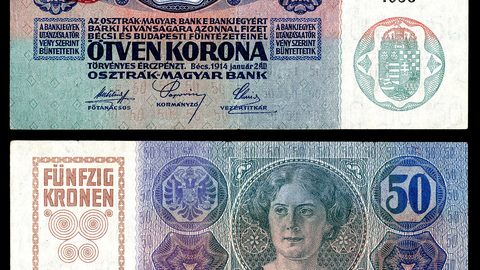 Forint or Euro What You Actually Pay With in Hungary
Hungary uses the forint, not the euro. Cards work in Budapest but rural museums, cellars, and public toilets often demand cash in coins.
Forint or Euro What You Actually Pay With in Hungary
Hungary uses the forint, not the euro. Cards work in Budapest but rural museums, cellars, and public toilets often demand cash in coins.
-
 Safety in Hungary What the Warnings Leave Out
Hungary is safe with low violent crime. The real risks are pickpocketing on Budapest transport, taxi scams, and the occasional tourist-bar overcharge.
Safety in Hungary What the Warnings Leave Out
Hungary is safe with low violent crime. The real risks are pickpocketing on Budapest transport, taxi scams, and the occasional tourist-bar overcharge.
-
 How to Budget a Trip Based on Purchasing Power, Not Just Exchange Rates
Exchange rates tell only half the story. See how purchasing power shapes your real travel budget across Southeast Asia, Eastern Europe, and Latin America.
How to Budget a Trip Based on Purchasing Power, Not Just Exchange Rates
Exchange rates tell only half the story. See how purchasing power shapes your real travel budget across Southeast Asia, Eastern Europe, and Latin America.
-
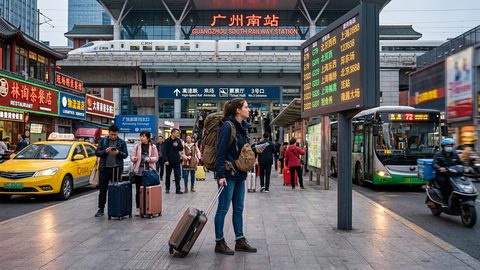 A Ground-Level Logistics Guide to Independent Travel in China
First-time independent travel in China: what you need to know about visas, rail booking, eSIMs, mobile payments, and power adapters.
A Ground-Level Logistics Guide to Independent Travel in China
First-time independent travel in China: what you need to know about visas, rail booking, eSIMs, mobile payments, and power adapters.
-
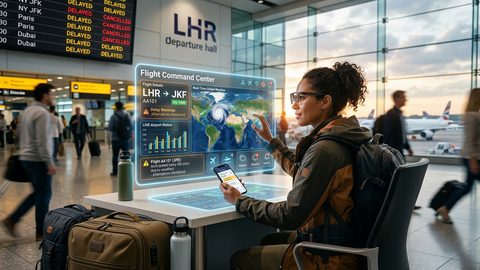 How Solo Travelers Stay Ahead of Flight Delays and Cancellations
How solo travelers can track inbound aircraft, claim rebooking rights, and adjust ground transport when flights go wrong — step by step.
How Solo Travelers Stay Ahead of Flight Delays and Cancellations
How solo travelers can track inbound aircraft, claim rebooking rights, and adjust ground transport when flights go wrong — step by step.