Your Austria Train Travel Guide to Buses and Cars
Austria's ÖBB rail network is excellent but unforgiving: Sparschiene tickets are train-specific and worthless if missed, and motorways eat schedules.
The ÖBB rail network moves you between Austrian cities and into Alpine valleys faster than any car. But its rules are rigid. Board a regional train without a ticket and the conductor adds a surcharge, set by ÖBB, on top of the fare. This guide tells you how to dodge that penalty and why the Vienna, Salzburg, Innsbruck road trip fantasy wrecks your schedule.
Austria Train Travel Guide: the ÖBB Backbone
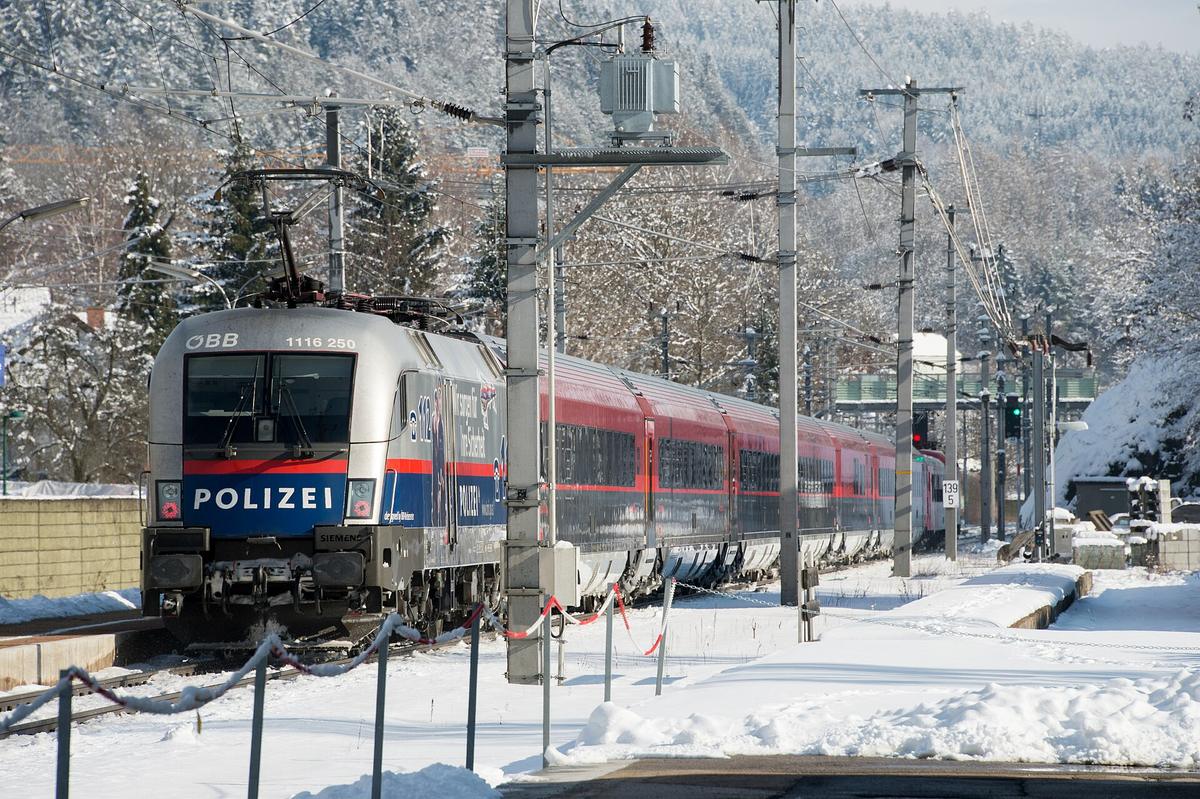
ÖBB operates 4,871 km of rail network, 72% electrified. The flagship service is Railjet (RJ/RJX), connecting Vienna to Salzburg in 2h 22min, to Innsbruck in 4h 15min, and to Graz in 2h 35min. Nightjet trains cover overnight routes.
Buy Before You Board
Payment happens before boarding. Use the ÖBB app or station machines. On regional trains you cannot buy from the conductor without that surcharge. The single thing that trips visitors up: Sparschiene discount fares are non refundable and tied to a specific train. Miss your train and the fare is worthless. Flex fares work on any train on the route within the validity period. Seat reservations are optional on most domestic services but mandatory on some international Nightjet routes.

ÖBB Sparschiene Tickets: the Trap
Private operator WESTbahn runs the Vienna, Salzburg corridor with its own pricing and different seat reservation rules. Check both before booking.
Austria Postbus Connections: Valleys and Villages
ÖBB subsidiary Postbus runs the regional bus network that reaches every valley and village the railway does not. Postbus connects to rail hubs at regular intervals. Buy through the ÖBB app or from the driver.
State Transport Associations
In the Verkehrsverbund system of each federal state, a single fare covers train, tram, and bus within the zone. The VVT (Tyrol) fare works on Postbus, local trains, and Innsbruck city transport. Validate time stamped fares before boarding. Cash is still required on some rural Postbus routes, especially in Carinthia and Vorarlberg.
Austria Motorway Delays A10: Why the Road Trip Fantasy Fails
The A10 Tauern Autobahn and the A1 West Autobahn look fast on a map. Summer construction and winter chain requirements turn a 3-hour drive into 5-plus. The A10 is the main north, south route through the Alps, subject to section tolls at the Tauern tunnel. Pay cash or card at the plaza. Winter tyres are mandatory 1 November to 15 April in wintry conditions. Snow chains must be carried on certain passes. The Grossglockner High Alpine Road is closed from October to May.
One Week, Three Cities, No Time
Trying to cover Vienna, Salzburg, and Innsbruck in one week by car leaves no time to actually experience any of them.
The Austria Public Transport App You Need
Install the ÖBB app before you arrive. It sells all rail fares, Postbus fares, and Verkehrsverbund fares. It displays real-time departures, platform changes, and delay information. Download fares offline before travelling. Mobile signal drops to zero in deep Alpine valleys.
Vignette and Mountain Apps
The app also handles digital vignette purchases for the motorway network. ASFINAG issues the vignette; 10-day, 2-month, and annual validity periods are available. For mountain weather and cable car status, use the Bergfex app. Cable cars close in high winds, and Bergfex shows live operating status.

What Else Trips Visitors Up
Sunday Shutdown
Sundays and public holidays mean total closure of supermarkets, pharmacies, and most shops. Only petrol stations, railway station shops, and some bakery outlets remain open. Plan grocery shopping for Saturday.Cash Still Rules
Mountain huts, Heurigen wine taverns, and small cafés often do not accept cards. ATMs are widely available in cities but scarce in Alpine villages. Public toilets use coin-operated turnstiles; carry small change.Tap Water
Tap water is potable throughout Austria, but asking for Leitungswasser in a restaurant without ordering coffee or wine may be refused. Order a drink first.SIM Cards
SIM registration requires a passport. HoT (Hofer/Aldi) offers data packages; check current pricing before you travel. Download offline maps and train fares before entering areas with no signal.Rail Distances That Deceive
Salzburg to Graz: 280 km by road, no direct rail line. Fastest connection via Bischofshofen, Selzthal takes approximately 4 hours. Innsbruck to Bregenz: 200 km, but the rail route is slow due to Alpine terrain and no direct motorway. Hallstatt to Gosau: 12 km as the crow flies, but the road winds 30 km via the Gschütt Pass. Zell am See to Lienz: 120 km, but the Grossglockner High Alpine Road is seasonal; winter detour via Felbertauern tunnel adds significant time. Check the ÖBB app for journey planning, not Google Maps.
Who Austria Suits and Who Should Skip it
Austria suits culture-first city breakers who also want mountain day trips, classical music and opera devotees, intermediate skiers who value grooming and hut dining over extreme terrain, slow-travel road trippers who enjoy lakes and spa towns, and families seeking clean, safe, infrastructure-rich holidays. It is not for budget backpackers. Accommodation and dining costs are high even by Western European standards. Skip it if you seek edgy late-night urban grit or spontaneous counterculture scenes. Skiers chasing off-piste steeps and big verticals will find the terrain conservative compared to France or Switzerland.
Common Questions
Can I buy a train ticket on the train in Austria?
On regional trains, no. You must buy before boarding via the ÖBB app, ticket machine, or counter. Boarding without a fare means a surcharge, set by ÖBB, plus the fare. On Railjet and other long-distance trains, you can buy from the conductor but the same surcharge applies if a machine was available at your departure station.
Are Sparschiene tickets ever refundable?
No. Sparschiene fares are non refundable and non exchangeable. They are tied to a specific train and date. If you miss the train, the fare is worthless. Only buy Sparschiene when your plans are fixed. For flexibility, buy a Flex fare or get the ÖBB Vorteilscard for 50% off standard fares.
Do I need a motorway vignette for Austria?
Yes. All motorways and expressways (A and S roads) require a vignette for vehicles up to 3.5 t. ASFINAG issues them. Validity periods are 10-day, 2-month, or annual. Buy online for immediate digital validity or at border petrol stations. Certain Alpine tunnels add a separate section toll: A9 Gleinalm, A10 Tauern, A11 Karawanken, A13 Brenner, S16 Arlberg.
What is the best public transport app for Austria?
The ÖBB app. It sells all rail fares, Postbus fares, and Verkehrsverbund fares. It gives real-time departures and platform changes. Download fares offline before travelling. For cable car and mountain weather status, use the Bergfex app. For Vienna city transport, the Wiener Linien app covers U-Bahn, tram, and bus.
Read next
-
 Staying connected in Austria with eSIM, local SIM, or just hotel WiFi
Austrian mobile coverage vanishes in the places you need it most: deep Alpine valleys and high passes.
Staying connected in Austria with eSIM, local SIM, or just hotel WiFi
Austrian mobile coverage vanishes in the places you need it most: deep Alpine valleys and high passes.
-
 Best Time to Visit Austria for Cities, Lakes and Skiing Without Crowds
Austria's seasons dictate what's open: Christmas markets end on 24 December, the Salzburg Festival consumes July and August, and many hotels close the first
Best Time to Visit Austria for Cities, Lakes and Skiing Without Crowds
Austria's seasons dictate what's open: Christmas markets end on 24 December, the Salzburg Festival consumes July and August, and many hotels close the first
-
 Austria Visa Requirements and Schengen Entry Rules for Travellers
Austria is in the Schengen zone. Most short-stay visitors from wealthy countries enter visa-free, but passport validity and upcoming ETIAS rules still apply.
Austria Visa Requirements and Schengen Entry Rules for Travellers
Austria is in the Schengen zone. Most short-stay visitors from wealthy countries enter visa-free, but passport validity and upcoming ETIAS rules still apply.
-
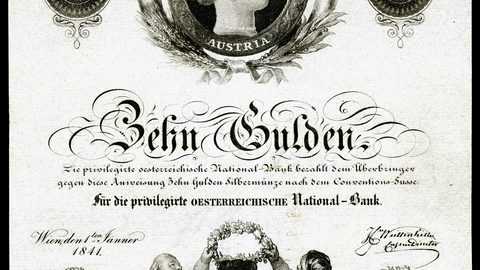 Cash or Card in Austria, Where Euros Still Rule and ATMs Save You
Austria runs on euros, but card acceptance collapses in mountain huts, Heurigen wine taverns, and small village cafés. Carry cash daily.
Cash or Card in Austria, Where Euros Still Rule and ATMs Save You
Austria runs on euros, but card acceptance collapses in mountain huts, Heurigen wine taverns, and small village cafés. Carry cash daily.
-
 Is Austria Safe, Reading the Advice Without the Anxiety Spiral
Austria is very safe for visitors. The real risks are mountain weather shifts and overestimating hiking ability, not street crime, though Vienna pickpocketing
Is Austria Safe, Reading the Advice Without the Anxiety Spiral
Austria is very safe for visitors. The real risks are mountain weather shifts and overestimating hiking ability, not street crime, though Vienna pickpocketing
-
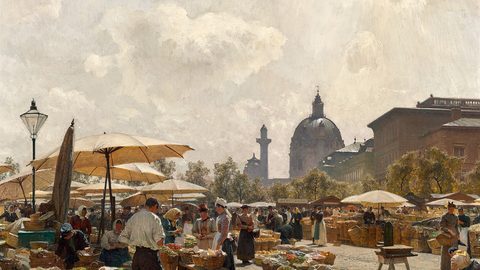 What a trip to Austria costs in real terms and where the money actually goes
Austria costs are shaped by rigid rules, not just choices: Sunday closures, cash-only huts, and non-refundable train tickets define the budget more than any
What a trip to Austria costs in real terms and where the money actually goes
Austria costs are shaped by rigid rules, not just choices: Sunday closures, cash-only huts, and non-refundable train tickets define the budget more than any
-
 Vienna
 is an imperial capital that kept the museums after losing the empire. Here is what the city is actually like beyond the postcard images, and who it
Vienna
Vienna is an imperial capital that kept the museums after losing the empire. Here is what the city is actually like beyond the postcard images, and who it
-
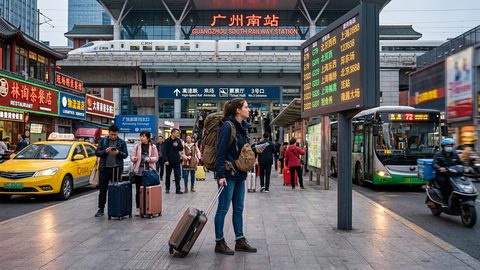 A Ground-Level Logistics Guide to Independent Travel in China
First-time independent travel in China: what you need to know about visas, rail booking, eSIMs, mobile payments, and power adapters.
A Ground-Level Logistics Guide to Independent Travel in China
First-time independent travel in China: what you need to know about visas, rail booking, eSIMs, mobile payments, and power adapters.
-
 How Solo Travelers Stay Ahead of Flight Delays and Cancellations
How solo travelers can track inbound aircraft, claim rebooking rights, and adjust ground transport when flights go wrong — step by step.
How Solo Travelers Stay Ahead of Flight Delays and Cancellations
How solo travelers can track inbound aircraft, claim rebooking rights, and adjust ground transport when flights go wrong — step by step.