Getting Around New York State Without a Car
Metro-North and the LIRR work until Poughkeepsie and Montauk. Beyond that, New York State demands a car, an E-ZPass, and offline maps for the dead zones.
You can get to Poughkeepsie by Metro North, and to Montauk by Long Island Rail Road, but the rest of New York State, all 54,555 square miles of it, is not a place where you should attempt to get around without a car. It is not possible. The commuter rail systems that serve the downstate region end at Poughkeepsie on the Hudson and at Montauk on Long Island. Past those points, the transit map goes blank. The Adirondacks, the Finger Lakes, the interior of the Catskills, and the Thousand Islands all require a personal vehicle. You cannot see them on a bus schedule. The distance from New York City to Niagara Falls is over 400 miles, each way. That drive takes 6.5 to 8 hours with traffic. You are not making that trip on public transit in a day.
Where Commuter Rail Stops and You Need a Car
Hudson Valley And Long Island Exceptions
Metro North Railroad runs trains north along the Hudson Valley to Poughkeepsie and east along the Harlem Valley to Wassaic. The Long Island Rail Road covers Nassau and Suffolk counties as far as Montauk. If your destination falls within those lines, meaning a Hudson Valley town east of the river or a Long Island beach town, you can reach it without a car. Everything beyond that is car territory.
Beyond The Rail Corridors
The Catskills have no rail service into the park. The closest Amtrak stations are Hudson and Rhinecliff, both west of the river. From either station, you need a car to reach the interior. The Adirondack High Peaks region has an Amtrak stop at Westport, but it is 20 km from Lake Placid and there is no public transit connection. You get off the train and you wait for a rideshare that may not come.

New York State Thruway E-ZPass: Not Optional, Not Negotiable
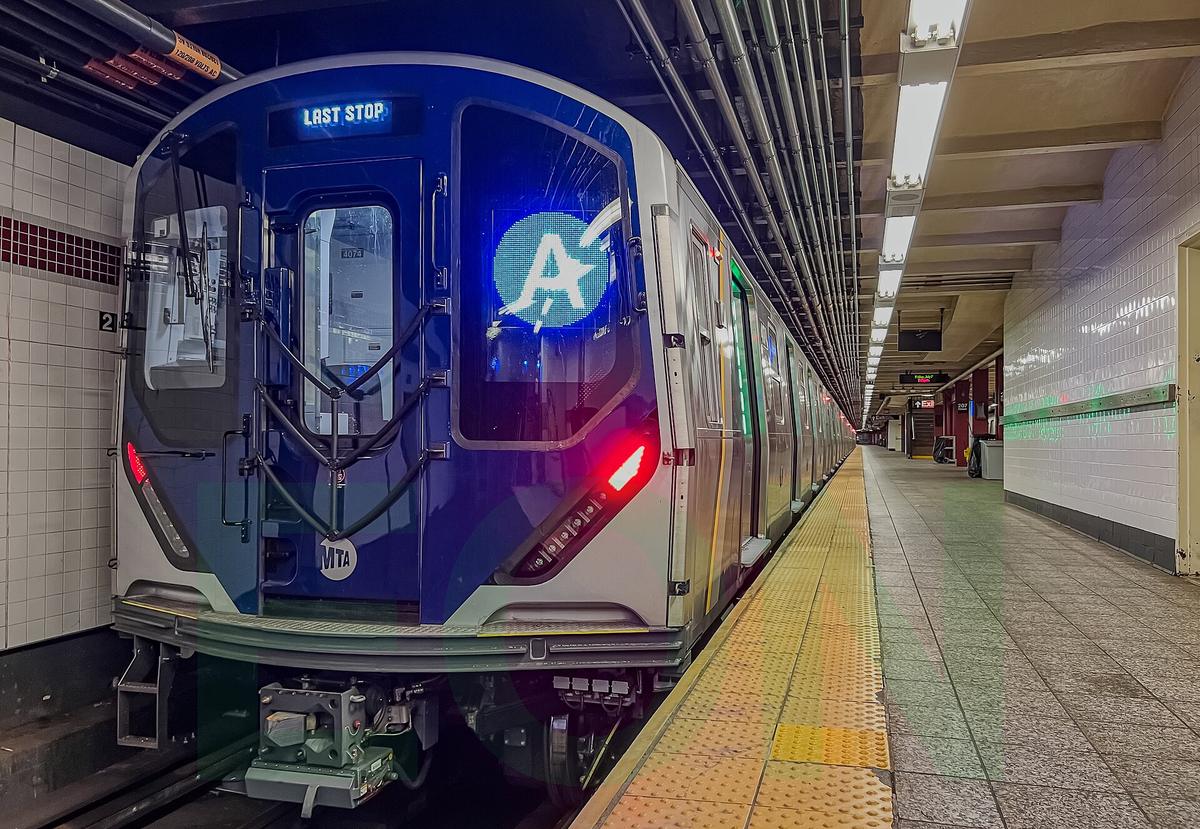
The New York State Thruway (I 90) is all electronic tolling. There are no cash booths. If you drive a rental car through it without an E-ZPass transponder, the toll is recorded by your license plate, and the rental company bills you. That billing includes a processing fee per toll, often $5 to $10 on top of the toll itself. A trip from Albany to Buffalo on I 90 hits multiple toll points. The fees add up fast.
Buy a portable E-ZPass at a Thruway service plaza, or ask your rental agency for one at pickup. Some agencies offer rental transponders for a flat daily fee, which is worth it for any trip that uses the Thruway at all. Without it, a 5 hour drive across the state can cost you more in processing fees than in tolls. Check the Thruway Authority website for current toll rates before you go.
Amtrak Empire Service Upstate: the Realities
What The Trains Actually Do
Amtrak runs the Empire Corridor from New York City through Albany, Syracuse, Rochester, and Buffalo to Niagara Falls. The Adirondack route goes to Montreal via Saratoga Springs and Plattsburgh. The Maple Leaf goes to Toronto. These trains exist. They are not a reliable way to tour the state.
Why They Fail For Touring
Service is infrequent. The Empire Service has roughly 5 to 7 departures a day in each direction. One missed train means a 3 hour wait. Delays are common, especially on the Adirondack route which shares track with freight lines. Stations are often far from town centers. The Syracuse station is a 20 minute walk from downtown. The Rochester station requires a rideshare or taxi. Amtrak works for getting from New York City to a single upstate city, but it does not work for hopping between Finger Lakes towns or reaching any attraction in the Catskills or the High Peaks. If you try to use Amtrak to see multiple upstate destinations, you spend more time waiting for trains than you do seeing the place.
Rental Car New York State Road Trip: What You Actually Need
Where To Pick Up
A rental car is essential for any trip that goes north of Poughkeepsie or west of the Hudson River. Rent from Albany International Airport, Buffalo Niagara International Airport, or Greater Rochester International Airport. These airports have the largest fleets and the best rates. Pickup at a New York City location adds city taxes and congestion surcharges.
Plan For Time, Not Distance
The maximum highway speed limit on rural interstates is 65 mph, with a default of 55 mph unless posted otherwise. You will not make up time by speeding. The drive from Albany to Lake Placid is 210 km but takes up to 2 hours 45 minutes on two lane mountain roads. From Rochester to Lake Placid, budget 4.5 to 5.5 hours. From Ithaca to Buffalo, there is no direct interstate. The 240 km drive takes about 3 hours on state routes. Plan each day around driving time, not distance. A day that looks short on paper can still be 4 hours in the car, plus stops.
Metro-North Hudson Valley Towns: the Exception That Proves the Rule
Metro North Railroad makes the Hudson Valley east of the river accessible without a car. Towns like Cold Spring and Poughkeepsie have walkable downtowns within a 10 minute walk of the station. You can visit the Dia Beacon museum, walk the Walkway Over the Hudson, or explore the historic districts. This works for day trips from New York City. It does not work for the broader region.
The Hudson Valley west of the river, including towns like New Paltz and Kingston, has no rail service. You need a car to reach the Minnewaska State Park Preserve, the Mohonk Preserve, or any of the Shawangunk Ridge climbing areas. Commuter rail serves a narrow corridor. Everything else in the state is driving.
Dead Zones and Empty Tanks: Driving the Adirondacks and Catskills
Fuel And Phone Coverage
The Adirondack Park is six million acres with no billboards and long stretches without gas stations. Cell service vanishes in the High Peaks region and in the interior of the Catskills. Download offline maps before you leave the interstate. The Google Maps offline feature works for navigation but does not include real time traffic. Fill your gas tank at the last town before you enter the park. In the Adirondacks, that is often Lake George, Saranac Lake, or Lake Placid. In the Catskills, fill up in Kingston or Oneonta. Between those towns and your destination, there may be no station for 50 miles.
Seasonal Hazards
Black fly season from late May through June makes hiking miserable without a head net. Lake effect snow squalls can shut down I 90 and I 81 with minutes of notice from November through March. Snow tires or chains are required in severe weather on mountain roads. Some rural roads in the Adirondacks are not plowed overnight.

Intercity Buses: a Backup, Not a Plan
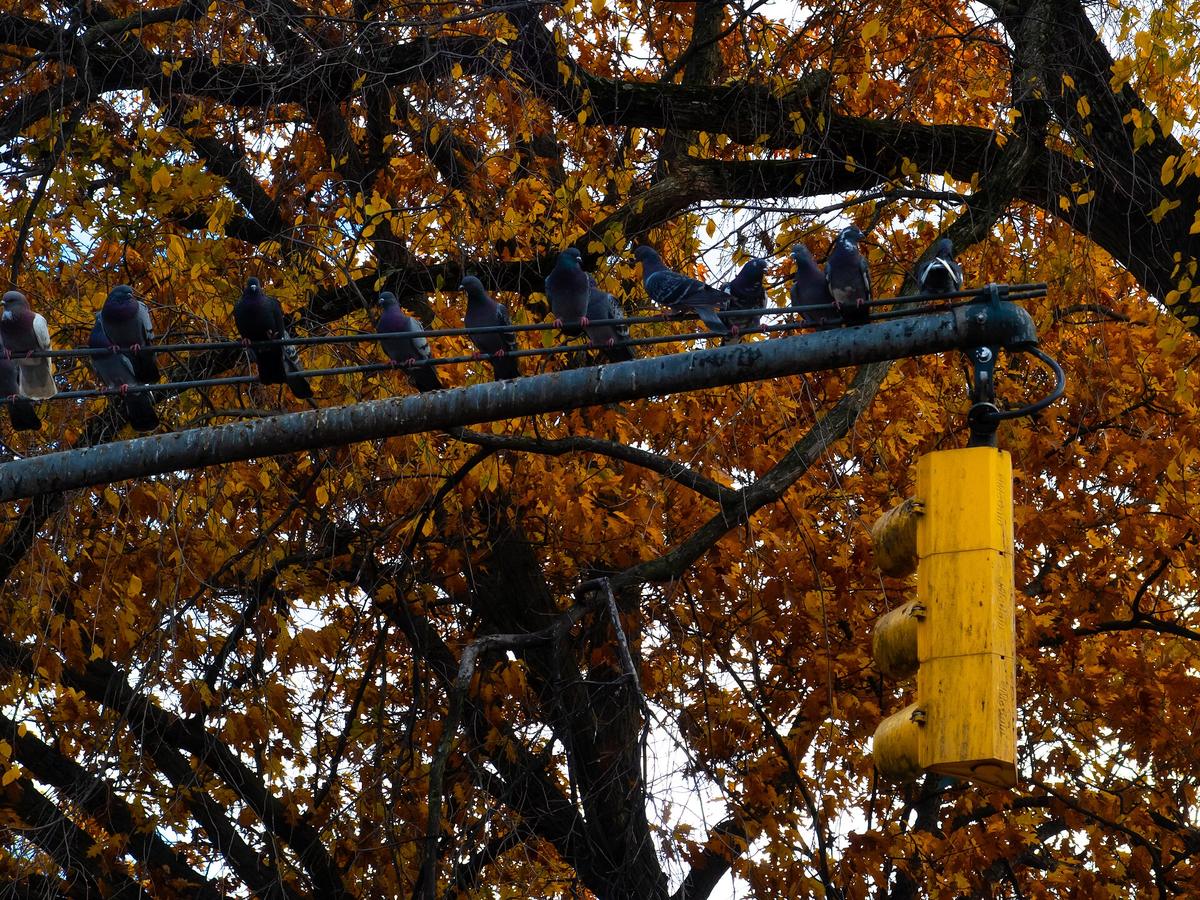
Trailways of New York runs buses from Albany to Lake Placid and from New York City to select Catskill towns. Greyhound and Megabus cover the major upstate cities. Frequency is low. A bus to Lake Placid runs a few times a day. A bus to a Catskill town like Phoenicia runs once or twice. If you miss it, the next one is tomorrow.
Stations are often minimal. The Lake Placid Trailways stop is a curb on Main Street. The Phoenicia stop is a general store. Buses do not carry bicycles except as boxed freight. Book ahead for holiday weekends. A walk up ticket on a Friday afternoon in fall foliage season will be sold out.
The One Thing That Goes Wrong Most Often
Visitors try to see both New York City and the entire upstate region in a single week. The state is 54,555 square miles. The drive from Manhattan to Niagara Falls is over 400 miles each way. From Manhattan to Lake Placid is 5 to 5.75 hours. From Rochester to Lake Placid is 4.5 to 5.5 hours. You cannot cover the Adirondacks, the Finger Lakes, and the Hudson Valley in seven days. You cannot even cover two of them comfortably.
The minimum realistic trip is 10 days. Anything less forces you to choose between the Adirondacks, the Finger Lakes, and the Hudson Valley. Pick one region. Stay there. Drive to one or two landmarks per day. Anything faster produces a vacation spent in the car, not at the destination.
Who This Way of Traveling Suits and Who Should Skip it
Driving yourself around New York State suits road trippers who love dramatic landscape shifts without crossing state lines. It suits outdoor enthusiasts heading for serious hiking in the High Peaks, skiing at Whiteface, or freshwater sailing on the Finger Lakes. It suits fall foliage chasers who want to stop at every farm stand and gorge overlook.
It does not suit travelers who equate New York solely with skyscrapers and nightlife and have no interest in small towns or wilderness. It does not suit anyone seeking a cheap compact destination where major sights cluster without long drives. And it does not suit anyone unwilling to rent a car. Public transit outside the downstate metro area is skeletal. The bus does not go to Boldt Castle. The train does not go to Watkins Glen. You drive, or you do not go.
Common Questions
Can I get from New York City to Niagara Falls by train?
Yes, Amtrak runs the Empire Service from NYC to Buffalo, then you transfer to the Maple Leaf for Niagara Falls. The trip takes 7 to 9 hours. Service is daily but infrequent, about 5 trains. You still need a car to see the falls area beyond the state park.
Is there a bus from Albany to Lake Placid?
Trailways runs a direct bus from Albany to Lake Placid, about 2.5 hours. Service is limited to a few departures daily. Book ahead in fall foliage season and winter weekends. The bus stops on Main Street in Lake Placid, not at a terminal.
Do I need an E-ZPass for a rental car on the Thruway?
You do not need the transponder, but without it the rental company bills you per toll plus a processing fee. That fee is typically $5 to $10 per toll. A trip from Albany to Buffalo hits multiple toll points. Buy a portable E-ZPass at a service plaza.
What happens if I run out of gas in the Adirondacks?
Gas stations are sparse in the park interior. Between Lake George and Saranac Lake, there are stretches of 40 miles with no station. Cell service is absent in those stretches. Fill up at the last town before you enter the park. Carry a paper map.
Read next
-
 Best Time to Visit New York State What Each Season Actually Does
Late September through October delivers the foliage. July and August open the lakes. Late March through mid-April shuts the trails, and black flies own June.
Best Time to Visit New York State What Each Season Actually Does
Late September through October delivers the foliage. July and August open the lakes. Late March through mid-April shuts the trails, and black flies own June.
-
 Practical Safety in New York State Without the Scaremongering
Lake-effect snow shuts interstates in minutes. Adirondack cell dead zones are vast. Black flies need head nets. This is about terrain and weather, not crime.
Practical Safety in New York State Without the Scaremongering
Lake-effect snow shuts interstates in minutes. Adirondack cell dead zones are vast. Black flies need head nets. This is about terrain and weather, not crime.
-
 What New York State Costs in Shape Rather Than in Figures
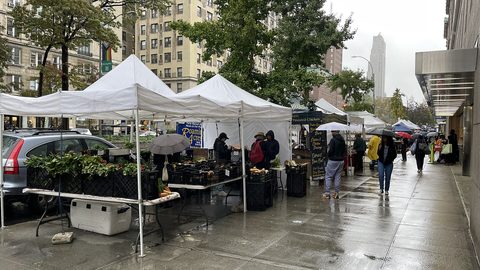
Fall foliage lodging in the Adirondacks books out months ahead and spikes hard. Thruway tolls add up silently.
What New York State Costs in Shape Rather Than in Figures
Fall foliage lodging in the Adirondacks books out months ahead and spikes hard. Thruway tolls add up silently.
-
 United States Travel Guide for First-Timers Who Want the Real Picture
The United States delivers extraordinary geographic and cultural variety, but its sheer scale, car dependency, and tipping economy surprise first-timers. Start here.
United States Travel Guide for First-Timers Who Want the Real Picture
The United States delivers extraordinary geographic and cultural variety, but its sheer scale, car dependency, and tipping economy surprise first-timers. Start here.
-
 Staying Connected While Traveling Through the United States
Prepaid eSIMs work well in US cities, but a physical T-Mobile or AT&T SIM bought at arrival gives better rural coverage for national parks and long highway drives.
Staying Connected While Traveling Through the United States
Prepaid eSIMs work well in US cities, but a physical T-Mobile or AT&T SIM bought at arrival gives better rural coverage for national parks and long highway drives.
-
 Best Time to Visit the United States by Region and Season
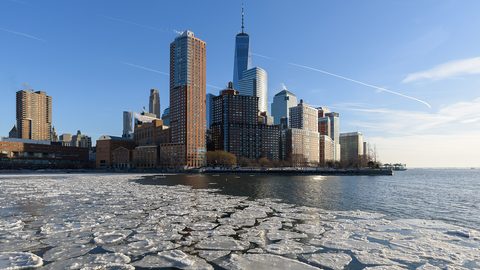
The United States spans so many climates that no single season works everywhere. Here is what each region delivers, and when to stay away.
Best Time to Visit the United States by Region and Season
The United States spans so many climates that no single season works everywhere. Here is what each region delivers, and when to stay away.
-
 Getting Around the United States Without Underestimating the Distances
Outside the Northeast Corridor, the United States runs on cars and domestic flights. Distances are enormous and Amtrak is scenic but slow.
Getting Around the United States Without Underestimating the Distances
Outside the Northeast Corridor, the United States runs on cars and domestic flights. Distances are enormous and Amtrak is scenic but slow.