Serbia eSIM vs Local SIM Card for Coverage, Cost and Rural Gaps
Comparing eSIM convenience, local prepaid SIM costs, and the mountain coverage gaps that make offline maps essential in Serbia.
Mobile Data in Serbia: ESIM, Prepaid SIM Cards, and Rural Coverage Gaps
The decision between a Serbia eSIM and a local SIM card is not about price. Local SIMs are cheaper. eSIMs are more convenient. The real question is where you are going. Serbia's 4G coverage is strong in Belgrade, Novi Sad, and along the motorways, but it drops hard in Tara National Park, Stara Planina, and the deeper gorges of the Dinaric Alps. If your itinerary stays in cities, either option works. If you plan to hike the Carpathians or overnight in a Vojvodina farmstay, you need offline maps regardless of which SIM you carry. Public WiFi in city squares and cafes is common. That signal does not follow you into the mountains.
What You Get with a Local SIM at Belgrade Airport
Pick up a prepaid SIM from Yettel, A1, or Telekom Srbija (mts) at Belgrade Nikola Tesla Airport. The kiosks are in the arrivals hall. You need your passport or a valid national ID card. The staff records your personal data at the point of sale, which takes two or three minutes. The SIM costs 300 to 600 RSD and includes a data allowance. Payment is in Serbian dinar or by card. The same SIM works in Niš Constantine the Great Airport and at mobile operator stores, post offices, and larger supermarkets across the country.
The downside is the registration step. You cannot buy it from a vending machine. If your flight lands at 2 a.m. and the kiosk is closed, you wait until morning. Budget 15 minutes for the stop.

Why You Might Prefer an ESIM Before Landing
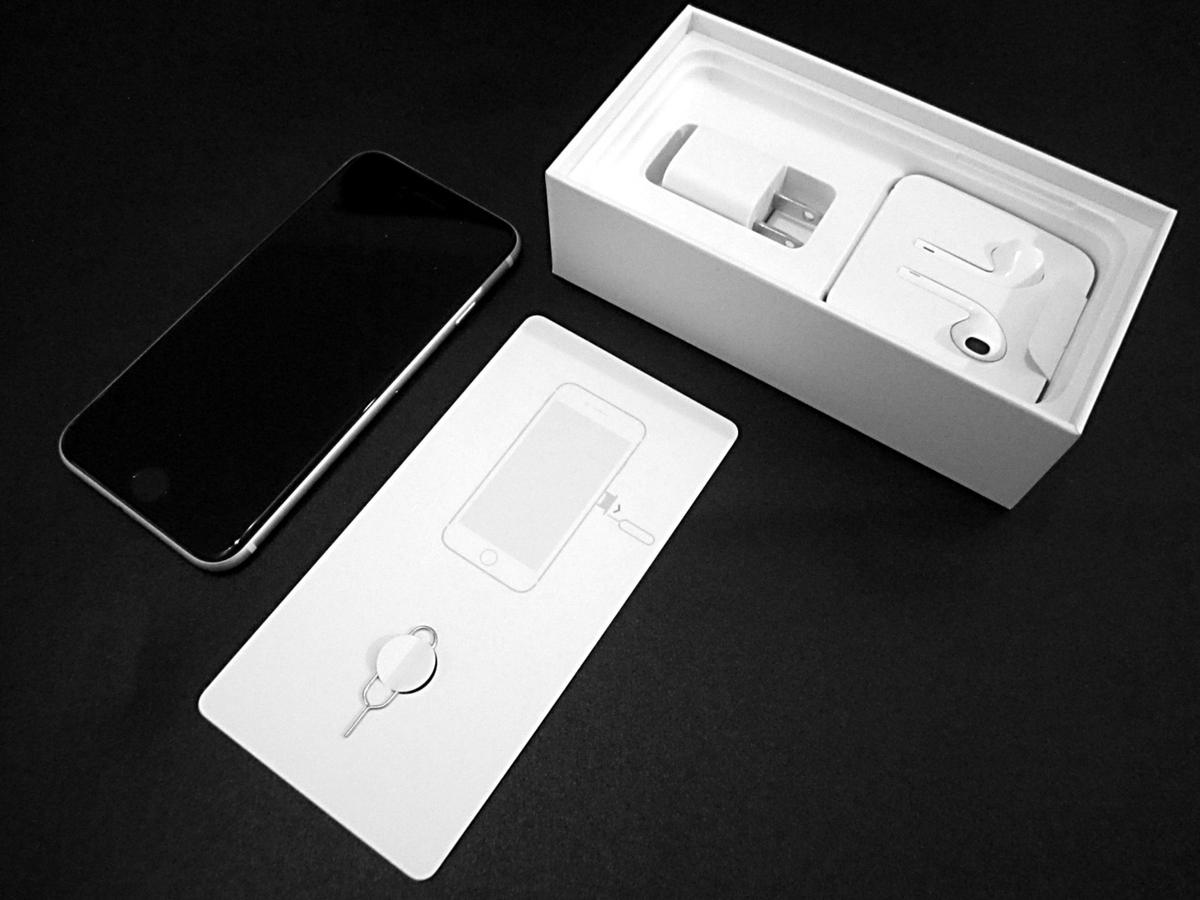
An eSIM from uPhone, uPhone, uPhone, or directly from Yettel or A1 activates before you board. You land connected. There is no kiosk queue, no passport handover, no currency exchange to cover the 300 RSD cost. For a short trip or a late arrival, that convenience is worth the premium. Global provider eSIMs for Serbia run roughly 10 to 15 euros for 1 GB to 3 GB of data over 7 days. The gap narrows if you buy a regional Balkan eSIM that covers Serbia, Bosnia, Montenegro, and North Macedonia on one plan.
The tradeoff is control. A local SIM from Yettel gives you a Serbian phone number, which matters if you need to call a rural guesthouse or a roadside assistance number like 1987 for AMSS. eSIM data plans are data only. Voice calls route through WhatsApp or similar. If your accommodation in Tara or Stara Planina has weak data but a working voice line, the local SIM wins.
Which Networks Cover Serbia and Where They Drop
Operator Coverage And Fallback
Three mobile operators cover Serbia: Yettel Serbia, A1 Serbia, and Telekom Srbija (mts). All three run 4G/LTE nationwide. 5G is live in urban centres like Belgrade, Novi Sad, and Niš. All three operators have shut down their 3G networks. 2G remains active on mts and Yettel as a voice fallback, which means your phone still makes calls in areas with no 4G. A1 does not maintain a 2G backup, so its signal drops more abruptly in remote zones.
Where The Signal Dies
Signal is continuous along motorways (the A1, A2, A3, A4) and on the Beograd to Novi Sad high speed rail corridor. On non electrified regional rail lines, it is intermittent. In the backcountry of Stara Planina and Tara, in the deep gorges around Đerdap (the Iron Gates), and in some rural border zones in Sandžak and Timok Valley, data disappears entirely. A phone with a Yettel SIM might show one bar of 2G for voice but no usable data.
Yettel A1 MTS Prepaid Serbia: Which One to Pick
All three operators sell prepaid packages at the same price band. The differences are in signal shape and top up convenience.
Yettel maintains the strongest 2G fallback, which matters in the mountains. If your trip includes Tara, Stara Planina, or the Uvac Canyon, buy Yettel. A1 offers competitive data speeds in cities but drops faster outside them. MTS runs the largest retail network of post offices and kiosks, so finding a top up point in a village is easier with mts than with A1. In Belgrade and Novi Sad, the difference between the three is negligible. In Podrinje or the Carpathian east, Yettel or mts is the safer choice.
Topping up requires cash in rural areas. Card payment is widespread in city centres, chain stores, and petrol stations, but in a village shop in Timok Valley or Sandžak, you pay in RSD. Keep small bills.
Serbia 4G Coverage in Mountain Areas: Tara, Stara Planina, and the Gorges
Tara National Park has signal at the visitor centre near Bajina Bašta and at the main Drina River viewpoint. The moment you hike into the interior toward the dense forest trails, data drops. The same pattern holds in Stara Planina: signal along the road to the ski lift, nothing on the ridge. Kopaonik, the most developed mountain resort, has better signal on the main slopes but loses it in the backcountry. The deep gorges of the Đerdap region (Iron Gates) and the Uvac Canyon have intermittent signal on the roads and nothing on the boat rides through the meanders.
Download Maps Before You Leave The City
Offline maps are not optional in these areas. Download Google Maps or Maps.me sections for Tara, Stara Planina, and the Carpathian east before you leave Belgrade or Novi Sad. The same applies to the Drvengrad and Šargan Eight railway area near Mokra Gora, where the narrow gauge heritage train loops through valleys with almost no signal. Have your route saved offline and carry a paper backup. Road signage in rural areas uses Cyrillic first. A GPS with Cyrillic recognition or a dual script map prevents the wrong turn that costs you an hour on winding single lane roads.
Belgrade Airport SIM Card Kiosk: What to Expect
The SIM kiosks at Belgrade Nikola Tesla Airport are in the arrivals hall after baggage claim. They are staffed during most flight arrivals. You give your passport, the clerk enters your data, and you walk away with a working SIM in under five minutes. The package includes data and a Serbian phone number. You can top up later at any mobile operator store, kiosk, post office, or larger supermarket. If the kiosk queue is long, take Bus 72 or the A1 minibus to Slavija Square, where there are multiple operator stores a short walk away.
Do not buy a SIM from a reseller or a convenience shop that looks unofficial. Stick to the branded Yettel, A1, or mts kiosk. Third party sellers sometimes activate packages with lower data caps at the same price. The point of sale recording of your personal data is a legal requirement, so there is no shortcut that skips it.
Tara National Park Mobile Signal: Planning for No Signal
Mobile signal inside Tara National Park is limited to the park entrance areas and a few high points on the Drina River side. The dense forest blocks signal on most hiking trails and viewpoints deeper in the park. If you are staying in a village guesthouse within the park, ask the host which operator has the best signal at that specific location. Some guesthouses offer WiFi, but its reliability depends on the fixed broadband connection available in that part of Podrinje. Fixed broadband in rural villages runs on ADSL or wireless links, so do not count on streamable speeds.
Public WiFi is rare in rural villages. You will not find an open network at a rural bus station. The legal requirement for operators to log device MAC addresses and session timestamps means most public WiFi is password protected, and in a village there is no one to give you the password. For the duration of your time in Tara, treat your phone as a camera and a map, not a communication device.
When Public WiFi is Enough and When it is Not
Public WiFi in Serbia is common in city squares, cafes, and shopping malls. Belgrade, Novi Sad, Niš, and Subotica all have cafe networks where a barista hands you the password on a receipt or tells it to you. Hotels nearly always offer WiFi, and the speeds in urban accommodation are good because fixed broadband penetration is high in cities and towns. If your trip is strictly urban and you eat, sleep, and work in cafes and hotel lobbies, you can skip buying a SIM entirely.
The gaps are real. Open networks in rural bus stations are rare. Village cafes and restaurants often have no public WiFi at all, and if they do, it is the host's personal phone tethered. Intercity buses run 30 to 60 minutes late, and departure boards at the Belgrade bus station are unreliable. You cannot rely on public WiFi to check a schedule change or call a guesthouse about a late arrival. If you are taking a bus from Belgrade to Bajina Bašta and then onward into Tara, you need your own data connection for at least the last leg of the journey.
The Practical Decision: Buy a Local SIM, Keep Offline Maps
Buy a local prepaid SIM from Yettel or mts at the Belgrade airport kiosk. It costs 300 to 600 RSD, includes a Serbian phone number for calling guesthouses and roadside assistance, and the signal on Yettel's 2G fallback is the best option for the mountain areas your itinerary will pass through. Before you leave the city, download offline maps for Tara, Stara Planina, the Uvac Canyon, and any route that crosses the Carpathian east or the Sandžak gorges. The drive from Belgrade to the Drina can take over three hours on winding single lane roads behind slow trucks, and you will have no signal for stretches of it. Treat the SIM as a backup, not a guarantee. The signal will drop. The offline map will not.
Common Questions
Can I buy a SIM card at Belgrade airport at 2 a.m.?
The kiosks at BEG are staffed during normal flight arrival windows. Late night and early morning gaps happen. If the kiosk is closed, take Bus 72 or the A1 minibus to Slavija Square and buy a SIM from a mobile operator store the next morning.
Do I need to register a local SIM with my passport?
Yes. All three operators Yettel, A1, and mts require a passport or valid national ID card. Your personal data is recorded at the point of sale. The process takes two to three minutes.
Which operator works best in Tara National Park?
Yettel has the strongest 2G fallback for voice calls, which helps in areas where 4G drops. MTS has the largest retail network for top ups in rural Podrinje. Neither provides reliable data on the hiking trails. Download offline maps before you go.
Is an eSIM from Airalo cheaper than a local SIM from Yettel?
No. A local prepaid SIM costs 300 to 600 RSD. An Airalo or Holafly eSIM for a week of data costs 10 to 15 euros. The eSIM saves time, not money.
Can I use public WiFi in rural Serbia?
Rarely. Open WiFi networks are common in Belgrade and Novi Sad cafes but rare in rural villages. Rural bus stations almost never have public WiFi. If your itinerary leaves cities, buy a SIM.
Read next
-
 Best time to visit Serbia and what each season actually delivers
Serbia peaks in July and August with festivals and mountain warmth, but September and October offer harvest season, fewer crowds, and the best hiking weather.
Best time to visit Serbia and what each season actually delivers
Serbia peaks in July and August with festivals and mountain warmth, but September and October offer harvest season, fewer crowds, and the best hiking weather.
-
 Getting around Serbia by bus train and the roads the map oversells
Serbia's intercity bus network reaches villages trains miss, but expect delays, cash luggage fees paid to the driver, and unreliable departure boards at
Getting around Serbia by bus train and the roads the map oversells
Serbia's intercity bus network reaches villages trains miss, but expect delays, cash luggage fees paid to the driver, and unreliable departure boards at
-
 Who needs a Serbia visa and how the entry rules actually work
Serbia offers visa-free entry to many nationalities for up to 90 days, but border procedures at Belgrade airport and the Kosovo crossing point need advance planning.
Who needs a Serbia visa and how the entry rules actually work
Serbia offers visa-free entry to many nationalities for up to 90 days, but border procedures at Belgrade airport and the Kosovo crossing point need advance planning.
-
 Cash and cards in Serbia what you will actually need dinars for
Cards work in Serbian city centres but cash in dinars is essential for intercity bus luggage fees, village restaurants, and rural shops where terminals are rare.
Cash and cards in Serbia what you will actually need dinars for
Cards work in Serbian city centres but cash in dinars is essential for intercity bus luggage fees, village restaurants, and rural shops where terminals are rare.
-
 Safety in Serbia reading the advice without being misled by it
Serbia is generally safe with low violent crime, but watch for Belgrade airport taxi scams, pervasive indoor smoking, and challenging rural road conditions
Safety in Serbia reading the advice without being misled by it
Serbia is generally safe with low violent crime, but watch for Belgrade airport taxi scams, pervasive indoor smoking, and challenging rural road conditions
-
 How Much a Trip to Serbia Costs, Shaped by Region and Season
How a Serbia travel budget shifts between the cash-reliant countryside, the affordable mountain resorts, and a Belgrade night out.
How Much a Trip to Serbia Costs, Shaped by Region and Season
How a Serbia travel budget shifts between the cash-reliant countryside, the affordable mountain resorts, and a Belgrade night out.
-
 A Ground-Level Logistics Guide to Independent Travel in China
First-time independent travel in China: what you need to know about visas, rail booking, eSIMs, mobile payments, and power adapters.
A Ground-Level Logistics Guide to Independent Travel in China
First-time independent travel in China: what you need to know about visas, rail booking, eSIMs, mobile payments, and power adapters.
-
 How Solo Travelers Stay Ahead of Flight Delays and Cancellations
How solo travelers can track inbound aircraft, claim rebooking rights, and adjust ground transport when flights go wrong — step by step.
How Solo Travelers Stay Ahead of Flight Delays and Cancellations
How solo travelers can track inbound aircraft, claim rebooking rights, and adjust ground transport when flights go wrong — step by step.
-
 Why Your eSIM Might Not Work Abroad and How to Check Before You Go
Buying an eSIM doesn't guarantee signal abroad. Learn why coverage fails by location and how to verify reach before you commit to a plan.
Why Your eSIM Might Not Work Abroad and How to Check Before You Go
Buying an eSIM doesn't guarantee signal abroad. Learn why coverage fails by location and how to verify reach before you commit to a plan.