Portugal eSIM for Travellers Explained
Compare eSIM, local SIM from MEO or Vodafone, and roaming for Portugal. Avoid airport kiosk markups and understand rural coverage gaps.
Mobile Connectivity Across Portugal for Travellers
Your Bolt app will not open at Lisbon airport without a data connection. That is the first problem most travellers hit. You land, you need a ride to your apartment in Alfama or a hotel in Baixa, and the taxi queue is thirty minutes long while a Bolt sits in the app you cannot load. The cheapest solution is a portugal esim for travellers purchased before departure. It costs roughly €20 for 30GB from MEO or Vodafone, it activates the moment you switch off aeroplane mode, and it puts you in control before you clear arrivals. The alternative routes have their own logic, but they all start with the same question: what do you need the connection for, and when do you need it to start working.
The Three Paths to Connectivity
Every traveller in Portugal has three choices, and each one trades cost against convenience. Lay them out side by side and the right pick depends on your device, your itinerary and whether you land at Lisbon, Porto or Faro.
Tourist eSIM Before Arrival
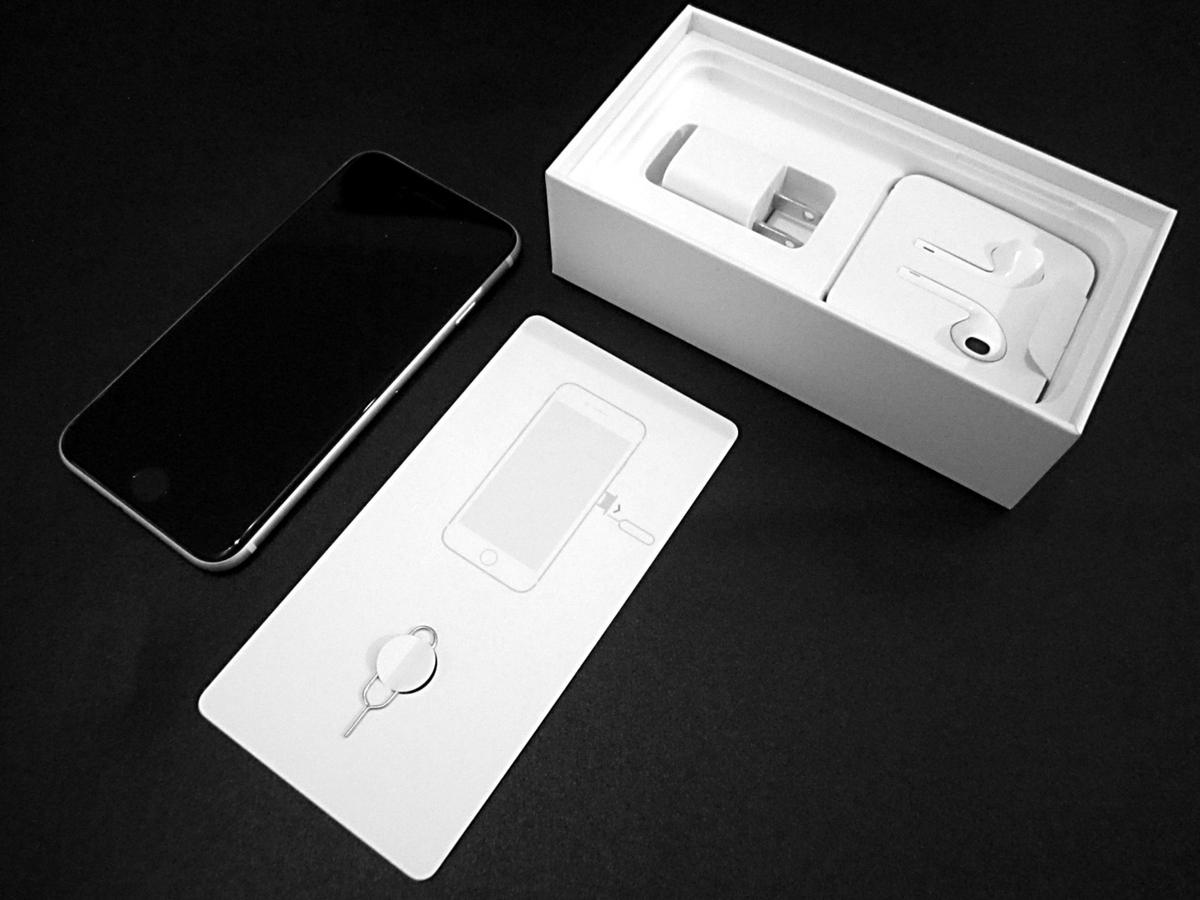
An eSIM you buy online and install before your flight is the fastest path to a working phone. MEO, NOS and Vodafone Portugal all sell prepaid tourist eSIMs. A typical plan runs 30GB for €20. You pay with a credit card, receive a QR code by email, scan it into your phone settings, and the plan activates when you connect to a Portuguese network. The downside: your device must be unlocked and eSIM capable. If you have a locked US carrier phone or an older model that lacks eSIM hardware, this path is closed. Also, if something goes wrong at activation you have no shop counter to hand it to. You troubleshoot by email or chat while standing in the airport.
Local SIM From A Shop
A physical SIM from MEO or Vodafone costs roughly the same as an eSIM and requires a passport for registration. The activation is usually immediate, though it can stretch to a few hours. You can buy these at operator stores in any city, at supermarkets, at convenience stores and at post offices. The advantage is that a human being hands you the card and you can confirm it works before you leave. The disadvantage is the time it takes to find the shop, queue and complete the paperwork, which eats into your first afternoon. The minimum age to register a local SIM in Portugal is 16 years, though the exact rule is published by the national regulator ANACOM and travellers under that age should check the current requirement before relying on this option.
Roaming And Municipal Wi Fi
If your home plan includes EU roaming, your existing SIM may work at no extra cost. Portugal is in the Schengen zone and most European, Australian and North American carriers have roaming agreements. The catch is speed. Roaming data is often throttled after a soft cap, and the connection can be slower than a local SIM, especially in rural areas. Free Wi Fi is widespread in cafés and in public squares via municipal networks. Many towns and cities operate a municipal free wifi system in their main squares, which is useful for checking maps and messages but useless for navigation while walking between those squares. The real problem with this path is the gap between hotspots: you lose the connection the moment you leave the plaza.

Lisbon Airport SIM Card: Why You Should Avoid the Kiosks
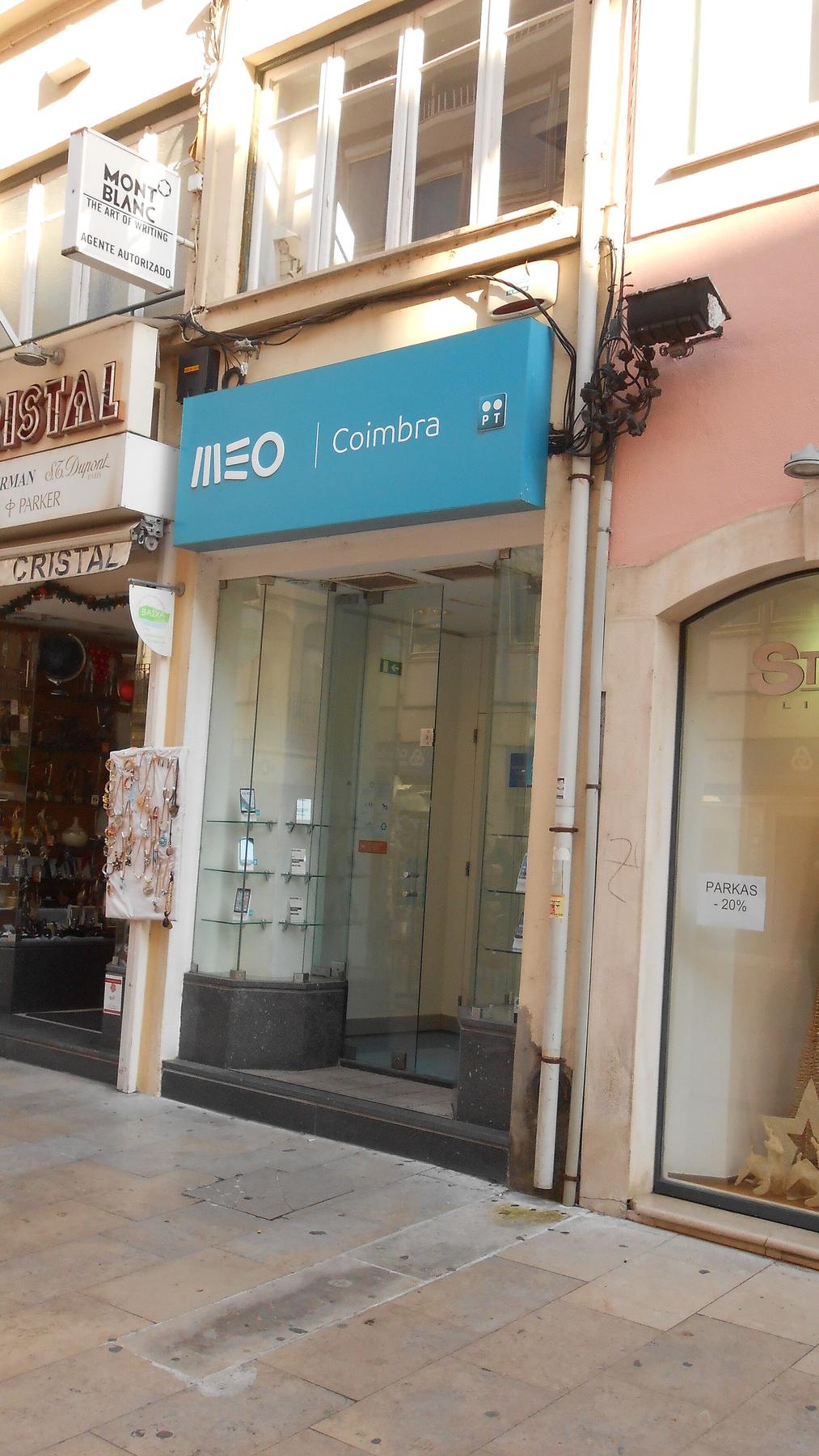
The airport kiosks selling SIM cards at Lisbon, Porto and Faro are the most expensive option. They target the traveller who has just landed, has no data and will pay almost anything for a connection. Those kiosks push pricier plans that can cost double what the same operator charges in a city centre store. The products are not different. The same MEO or Vodafone tourist plan that costs €20 in a shop near Rossio can cost €35 or more at the airport. The only reason to buy at the airport is if you land without an eSIM, your phone cannot take a physical SIM from a supermarket and you need data instantly. Otherwise, wait forty minutes, take the metro to the city centre for €1.80, and buy the same card from a proper store. You save money and you avoid the hard sell.
Portugal Local SIM Card MEO Vodafone: Which Operator to Pick
The three major networks are MEO, Vodafone Portugal and NOS. All three offer prepaid tourist SIMs and eSIMs at roughly the same prices. Coverage differences exist but they are not dramatic. MEO and Vodafone have slightly better reach in rural interior areas, while NOS has strong urban coverage. The practical advice is to pick whichever has a store closest to where you are staying, because if something goes wrong you want to walk into a shop and fix it. Network sharing agreements do not exist between the three operators, so a MEO SIM will not roam onto Vodafone towers. If you plan to spend time in Serra da Estrela, parts of Alentejo interior, remote sections of the Douro Valley or some Atlantic coastal cliffs, you want the operator with the best local signal, which is usually MEO or Vodafone. Check coverage maps on the operator websites before you buy.
What Each Plan Includes
A tourist prepaid plan from any of the three operators typically gives you a data allowance between 10GB and 30GB for a validity period of 15 or 30 days. All three support 4G and 5G, though 5G coverage is limited to mainland urban areas and larger towns. The Azores and Madeira have 4G coverage that varies by island. All three support Wi Fi calling and VoLTE. The SIM is a prepaid product with no contract and no credit check. You top up at any store or online. If you run out of data mid trip, you can buy a new plan without replacing the SIM.
Portugal Municipal Free Wifi Squares: Where it Works and Where it Fails
Many Portuguese towns offer free public Wi Fi in their main squares. Lisbon has a municipal network in Praça do Comércio, Rossio and other central plazas. Porto has it in Praça da Liberdade. Smaller towns in the Alentejo and the Minho often have a single free wifi zone in the main square. These networks are useful for downloading a map or sending a message while you sit with a coffee, but they are not a substitute for mobile data. The signal does not reach into side streets, and the connection requires you to accept terms through a browser page that can be slow to load. On a practical level, the municipal wifi is a backup, not a primary connection. Never rely on it for navigation, for ride hailing or for urgent communication.
Portugal Mobile Coverage Rural Areas: Where You Lose the Signal
Portugal has good 4G coverage in most populated areas and along major transport corridors. The gaps are in the places a traveller actually wants to visit. Serra da Estrela, mainland Portugal's highest mountain range, has dead zones on its higher slopes and in the valleys between its granite peaks. Parts of the Alentejo interior, especially the cork plains and the white villages that sit far from main roads, can be unreliable. Remote sections of the Douro Valley, where the river cuts deep gorges between terraced vineyards, lose the signal entirely. Some Atlantic coastal cliffs, including the stretch around Cabo da Roca, have weak coverage because the towers are inland and the signal struggles over the escarpment. Peneda Gerês National Park, the only national park on the mainland, has coverage in the main car parks and visitor centres but loses it on the trails where wild garrano horses roam through granite pools. The Azores coverage varies dramatically by island. São Miguel and Terceira have reliable 4G in their towns and along main roads. Flores and Corvo, the westernmost islands, have weak and intermittent coverage. Madeira has strong coverage in Funchal and along the south coast but loses it in the mountainous interior and the north coast valleys. If you hike, drive the interior or island hop in the Azores, download offline maps before you leave a connected area.

Why the Bolt App Makes Connectivity an Immediate Need
Download the Bolt app before you travel. It is the dominant ride hail service in Portugal and it is often half the price of a taxi. From Lisbon airport, a Bolt to the city centre costs roughly €8 against a taxi fare that can reach €20. From Porto airport, the same comparison holds. The app requires a data connection to request a ride, to see the driver's location and to pay. If you arrive without a working SIM or eSIM, you cannot use Bolt. You either queue for a taxi or you find the metro. The metro is fine, but it adds time and requires you to know which station is closest to your accommodation. With an eSIM active at landing, you can request a Bolt while you are still walking to the arrivals hall. That is the single most practical reason to buy a portugal esim for travellers before you leave home.
What to Do Next
Before your flight, check whether your phone is unlocked and eSIM capable. If it is, buy a prepaid tourist eSIM from MEO, Vodafone or NOS, install the QR code and land with a working connection. If your phone cannot take an eSIM, plan to buy a physical SIM from a supermarket or operator store in the city centre, not from an airport kiosk. Download the Bolt app and set up your payment method before you leave home. Download offline maps for the Douro Valley, Serra da Estrela, Peneda Gerês and the Azores islands where coverage drops. The single most practical thing you can do is secure your data connection before the aeroplane doors open.
Common Questions
Can I buy an eSIM at the airport in Portugal?
You can buy an eSIM at operator stores in Lisbon, Porto and Faro airports, but the kiosk prices are higher than the same plans sold in city centre shops. Buy online before departure for the best price and instant activation.
Do I need a passport to buy a local SIM in Portugal?
Yes. A passport or national ID is required for registration. The minimum age is 16 years, though travellers under that age should check the current requirement with the operator before attempting a purchase.
Is 5G available across all of Portugal?
No. 5G coverage is limited to mainland urban areas and larger towns. Rural interior areas, the Azores and much of Madeira rely on 4G. All three major networks support 4G and 5G, but the experience varies by location.
Will my EU roaming SIM work in Portugal?
It will work, but roaming data is often throttled after a soft cap and can be slower than a local SIM. For heavy data use, especially for navigation and ride hailing, a local SIM or eSIM is more reliable.
What is the emergency number in Portugal?
112. You can dial it without a SIM card on any mobile device.
Read next
-

 Best Time to Visit Portugal, Season by Season Reality
Portugal's best months are May, June, September, and October. July and August bring crowds and coastal gridlock, and the Atlantic is never truly warm.
Best Time to Visit Portugal, Season by Season Reality
Portugal's best months are May, June, September, and October. July and August bring crowds and coastal gridlock, and the Atlantic is never truly warm.
-
 Getting Around Portugal, Trains, Buses and the Interior Gap
Portugal's rail network is a coastal spine with thin branches. Express trains need seat reservations, the interior needs a bus or car, and Bolt is cheaper
Getting Around Portugal, Trains, Buses and the Interior Gap
Portugal's rail network is a coastal spine with thin branches. Express trains need seat reservations, the interior needs a bus or car, and Bolt is cheaper
-
 Portugal Visa Requirements for Tourists and Remote Workers
Portugal is in the Schengen Area. Most tourists get 90 days visa-free, but remote workers and long-stayers have specific visa paths to follow.
Portugal Visa Requirements for Tourists and Remote Workers
Portugal is in the Schengen Area. Most tourists get 90 days visa-free, but remote workers and long-stayers have specific visa paths to follow.
-
 Money in Portugal, Euros, Cards and Where Cash Still Rules
Portugal uses the euro. Cards work in most urban places, but small tascas, rural cafés, and public toilets still demand coins.
Money in Portugal, Euros, Cards and Where Cash Still Rules
Portugal uses the euro. Cards work in most urban places, but small tascas, rural cafés, and public toilets still demand coins.
-
 Safety in Portugal, What the Warnings Mean and What They Miss
Portugal is safe, but the real risks are slippery calçada pavements, Atlantic undertows, and pickpockets on Tram 28 and at Cais da Ribeira.
Safety in Portugal, What the Warnings Mean and What They Miss
Portugal is safe, but the real risks are slippery calçada pavements, Atlantic undertows, and pickpockets on Tram 28 and at Cais da Ribeira.
-
 What a trip to Portugal actually costs and how the money flows
Understand Portugal's cost structure—seasonal price swings, the north-south gradient, dining traps, and toll-road costs—so you can budget without surprises.
What a trip to Portugal actually costs and how the money flows
Understand Portugal's cost structure—seasonal price swings, the north-south gradient, dining traps, and toll-road costs—so you can budget without surprises.
-
 A Ground-Level Logistics Guide to Independent Travel in China
First-time independent travel in China: what you need to know about visas, rail booking, eSIMs, mobile payments, and power adapters.
A Ground-Level Logistics Guide to Independent Travel in China
First-time independent travel in China: what you need to know about visas, rail booking, eSIMs, mobile payments, and power adapters.
-
 How Solo Travelers Stay Ahead of Flight Delays and Cancellations
How solo travelers can track inbound aircraft, claim rebooking rights, and adjust ground transport when flights go wrong — step by step.
How Solo Travelers Stay Ahead of Flight Delays and Cancellations
How solo travelers can track inbound aircraft, claim rebooking rights, and adjust ground transport when flights go wrong — step by step.
-
 Why Your eSIM Might Not Work Abroad and How to Check Before You Go
Buying an eSIM doesn't guarantee signal abroad. Learn why coverage fails by location and how to verify reach before you commit to a plan.
Why Your eSIM Might Not Work Abroad and How to Check Before You Go
Buying an eSIM doesn't guarantee signal abroad. Learn why coverage fails by location and how to verify reach before you commit to a plan.