Portugal: An Atlantic Country That Resists Rush
Portugal is an Atlantic country of cobbled hills, cold-water beaches, and a rail network that favours the coast. Here is how to approach it.
- Flag
-

- ISO code
- PT
- Population
- 10,281,762
- Currency
- EUR
- Dial code
- +351
The Atlantic is the first thing you notice. Not the monuments. The light bounces off a grey sea that stays cold even in July, and the wind that whips the coast makes a beach day in Lisbon or Porto a bracing affair, not a tropical one. This is the reality that shapes this portugal travel guide: a country of cobbled hills that destroy wheeled suitcases, a train network that operates as a spine with branches but leaves entire inland regions unreachable without a bus or a car, and a restaurant culture where the bread and olives placed on your table are not free. Touching them adds a cover charge to your bill. That is the sort of friction that matters more than postcard images. Portugal feels like Europe's gentler, more melancholic edge, a place where the pace resists rush, but only if you plan for its physical realities first.
- Capital: Lisbon, built on seven hills with street gradients exceeding 15% in Alfama and Bairro Alto
- Climate (Köppen): Csb (cool summer) in the northwest; Csa (hot summer) in the south and interior
- Minimum Days: 10 days; anything less forces a choice between north and south
- Peak Season: July and August; prices double or triple, especially in the Algarve
- Currency: Euro (EUR, €); cash still required in rural villages
- Public Transport Backbone: Comboios de Portugal (CP) rail; Alfa Pendular and Intercidades require seat reservations
- Entry (Non EU): UK, US, Canadian, Australian, NZ nationals: visa free for 90 days in any 180 day period within Schengen
- Emergency Number: 112
- Motorway Tolls: Electronic only; foreign plates need a prepaid toll card or transponder
Portugal Itinerary Planning: What the Map Does Not Tell You
A 10 day trip is the minimum that works, and even that forces hard choices. The train from Porto to Faro takes over 5 hours. The drive consumes an entire travel day. That is not a minor inconvenience; it is the structural fact that dictates how you should plan. Most itineraries fall into two patterns: a northern loop that covers Porto, the Douro Valley, and the Minho region, or a southern corridor through Lisbon, the Alentejo, and the Algarve. Trying to combine both in under 10 days without flying between Porto and Faro is the most common mistake travellers make.
The Comboios de Portugal network is the dominant mode between cities, but it is not comprehensive. The Alfa Pendular and Intercidades express services require a seat reservation that sells out on Fridays and Sundays year round. Buy tickets on the CP app or at station machines, and for local trains, validate paper tickets on the platform before boarding. No validation means a fine. The network has a gap south of the Douro River: there is no direct rail connection to Spain, and the Lisbon to Madrid sleeper service was discontinued in 2020. For the interior, you need either a bus from Rede Expressos or a hired car.
If you drive, know the toll system. Many motorways are electronic only, and foreign plate vehicles require a prepaid toll card or a transponder registered to a payment method. The car rental minimum age is 19 to 21, depending on the company. The roads in the interior are narrow and winding; average speed on secondary roads in the Centro region drops below 50 km/h. Anyone who hates that should skip the interior entirely.
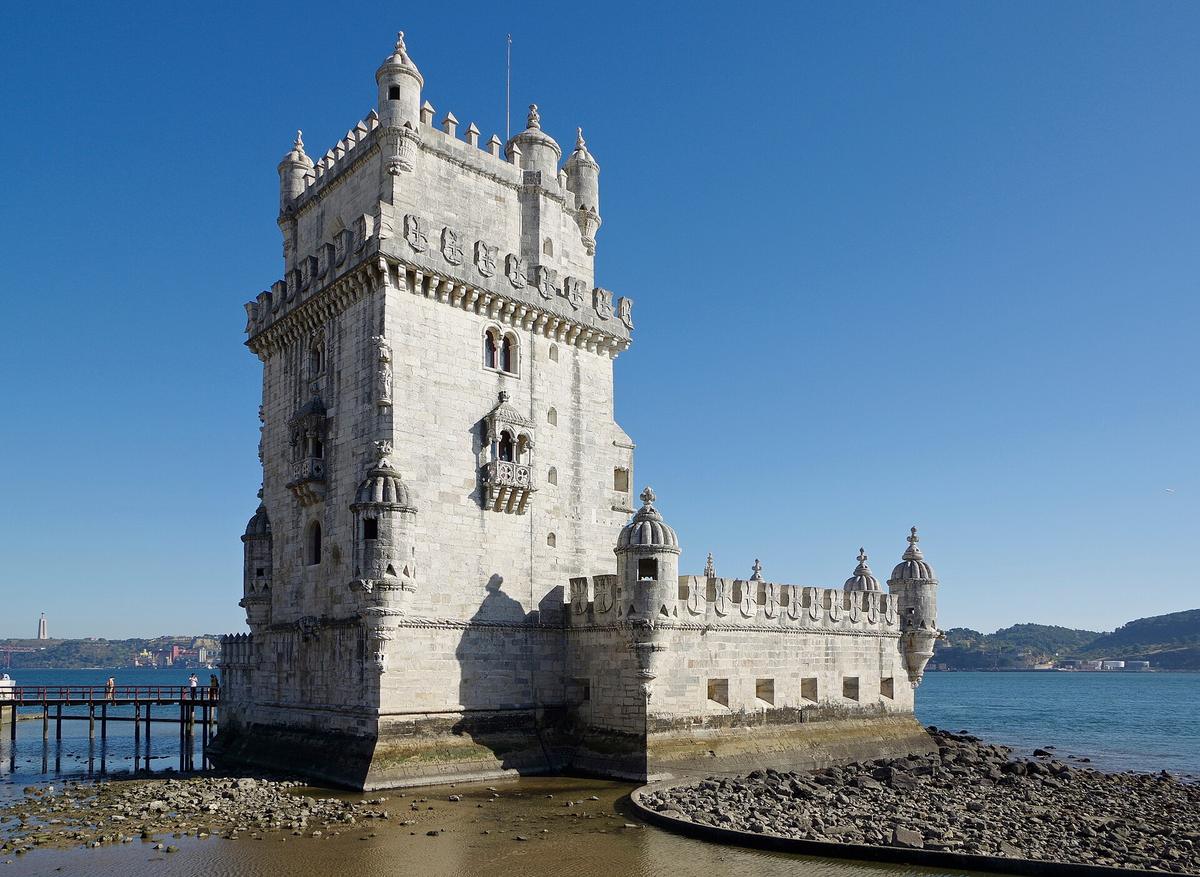

Portugal Regions Overview: Five Mainland Zones and Two Archipelagos
The country divides into five mainland NUTS II administrative regions plus two autonomous island regions, the Azores and Madeira. Each has a distinct character that dictates how long you should stay and what you should expect.
Norte
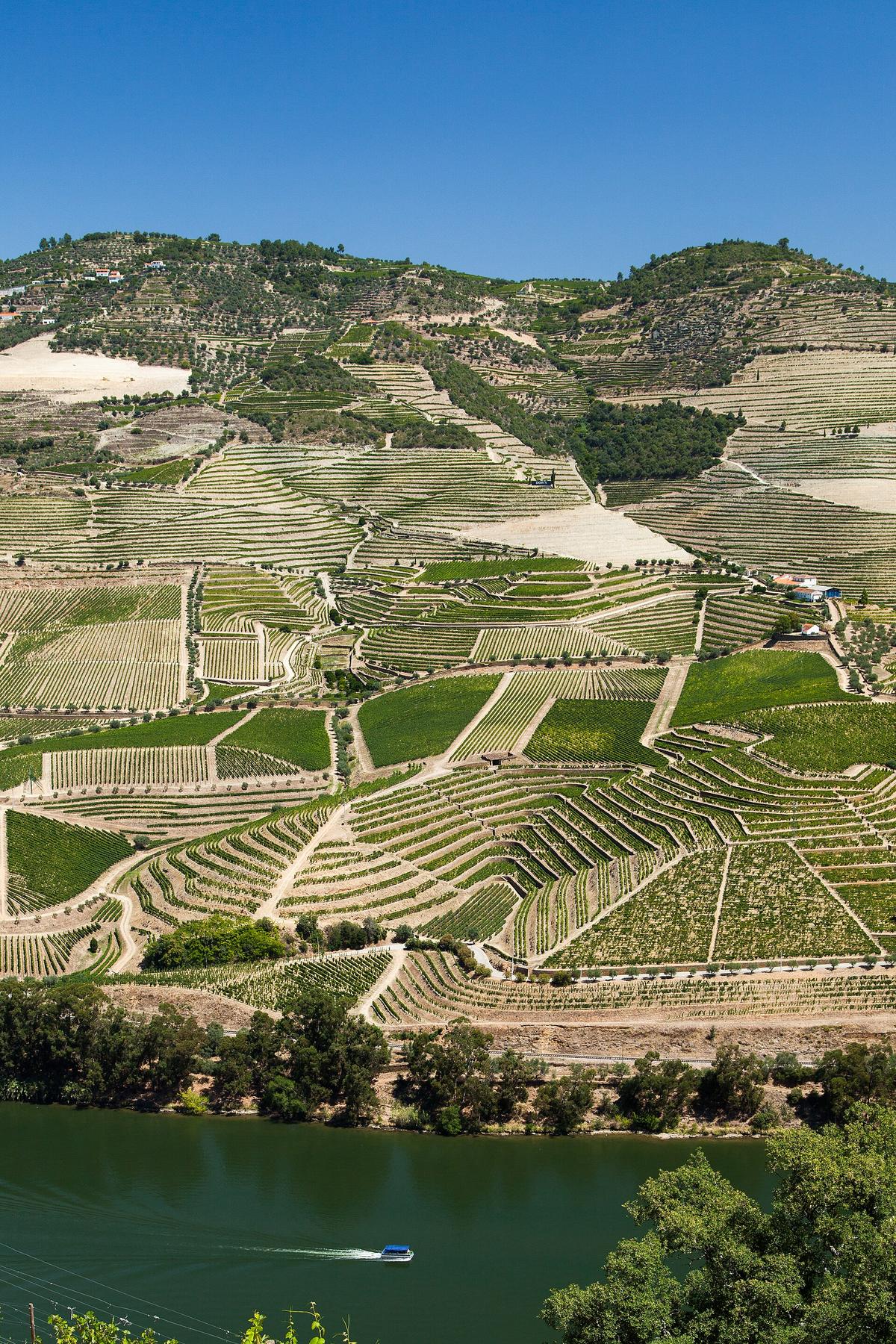
Typical visit duration is 3 to 5 days. The character is a compact historic core in Porto, terraced vineyards along the Douro River, and high rainfall in the Minho region. The Minho receives over 2,000 mm annually in upland areas. That is not a minor detail: winter travel here means persistent rain. Norte has a strong gastronomic identity anchored by the Francesinha sandwich, the port lodges in Vila Nova de Gaia, and the vinho verde wine region.
Centro
Plan for 4 to 7 days. The Centro region covers the university city of Coimbra, the Serra da Estrela mountain range with the country's only ski area, the schist villages, and the Beiras. Road travel time between inland villages is underestimated; winding secondary roads keep average speed below 50 km/h. The Roman ruins at Conímbriga with intact mosaic floors are here, as is the Batalha Monastery, a Gothic Manueline limestone masterpiece.
Lisboa
Lisboa region requires 2 to 4 days but has the highest visitor concentration in the country. The urban core of Lisbon sits on seven hills; the historic remodellado tram routes operated by Carris use 1930s rolling stock on gradients conventional buses cannot manage. The microclimate variation matters: Sintra can be 5 to 8 degrees Celsius cooler and significantly wetter than Lisbon city centre on the same day, so pack layers for a day trip.
Alentejo
Allow 3 to 5 days. Alentejo has the lowest population density on the mainland, approximately 24 inhabitants per square kilometre. The landscape is cork oak plains and fortified border towns. The dark sky reserve around Alqueva is a genuine appeal for stargazers, but the summer heat is extreme: daytime highs regularly exceed 40 degrees Celsius in July and August, with limited shade outside towns.
Algarve
Typical stays run 3 to 7 days along the coastal strip from Lagos to Vila Real de Santo António. The sandstone cliffs and golf infrastructure concentrated between Albufeira and Vilamoura define the zone. Water temperature is the factor most visitors underestimate: Atlantic upwelling keeps sea surface at 15 to 20 degrees Celsius even in August, colder than Mediterranean equivalents. The Benagil Sea Cave is accessible only by water; book a kayak or boat in advance.
Azores
The Azores require 5 to 10 days, with São Miguel as the primary island plus island hopping. This is a volcanic archipelago with hydrangea lined roads, geothermal springs, and whale watching. Inter island flights are required beyond the central group. The weather variability is extreme: four season conditions can occur in a single day, and cloud cover can obscure crater lake viewpoints for days.
Madeira
Plan 4 to 7 days for Madeira. The island offers levada irrigation channel walking trails, steep topography, and year round mild temperatures. The terrain steepness is the underestimated factor: many levada trails have vertiginous drops and require a head for heights, not just walking fitness. Madeira has its own airport code FNC.
Portugal First Trip Advice: the Friction That Surprises Everyone
The cobblestone pavements called calçada are lethally slippery when wet and they destroy wheeled suitcases. Pack a backpack if you are moving between cities by train. Public toilets are scarce and often charge a small coin fee, so carry change. Free Wi Fi is widespread in cafes and public squares via municipal networks, but download the Bolt app before arrival; it is the dominant ride hail service and often half the price of a taxi. For SIMs, MEO and Vodafone offer tourist eSIMs with 30 GB for around EUR 20; avoid airport kiosks which push pricier plans.
Arrival is straightforward. Lisbon airport LIS has a metro to the city centre in 25 minutes for a single metro ticket. Porto airport OPO has a metro to the city centre in 30 minutes for a similar fare. Faro airport FAO has no train; take a bus or taxi for 15 minutes at around EUR 15 for the taxi. Bolt and Uber are widely available at all airports and cheaper than taxis.
The tipping custom is not obligatory. Rounding up the bill or leaving 5 to 10 percent in restaurants for good service is common. The standard VAT rate is 23 percent on the mainland, with lower rates in the Azores and Madeira. Tap water is safe to drink nationwide, though the taste varies with local mineral content.
| Destination | Origin | Transport Mode | Travel Time | Cost |
|---|---|---|---|---|
| Sintra | Lisbon | Train | 40 minutes | EUR 2.30 |
| Évora | Lisbon | Train or bus | 1.5 hours | Varies |
| Cabo Espichel | Lisbon | Drive | 1 hour | Fuel plus tolls |
| Douro Valley (Pinhão) | Porto | Train | 2 hours | Varies |
| Coimbra | Porto | Express train | 1 hour | Varies |
| Braga and Guimarães | Porto | Train | 1 hour | Varies (two cities in one day possible) |
.jpg)
Portugal Practical Information: Seasons, Entry, and What to Expect
Peak season is July and August when European school holidays drive coastal crowding, peak heat in the interior, and accommodation prices that double or triple, especially in the Algarve. The avoid window is the first two weeks of August. The entire country moves, coastal towns become gridlocked, and finding a table without a reservation is a sport you will lose. Also avoid the week around Lisbon's Santo António festival on 12 to 13 June unless you are attending it. Porto's São João festival on 23 to 24 June produces the same effect in the north.
Shoulder season from May to June and September to October offers warm temperatures, fewer crowds, and higher accommodation availability. Low season from November to February brings reduced daylight hours, higher rainfall in the north, and many beach oriented businesses closed, but significantly lower accommodation rates. Christmas and New Year spike domestic demand in Madeira and urban centres, requiring advance booking. Carnival in February or March has significant local events in Torres Vedras, Loulé, and Madeira. Easter in March or April is a domestic travel peak with religious processions in Braga and Óbidos.
Entry Requirements
Portugal is a Schengen Area member. EU, EEA, and Swiss nationals need a national ID card or passport valid for the duration of stay. UK nationals post Brexit require a passport issued less than 10 years before the entry date and valid for at least 3 months after the intended departure date; maximum stay is 90 days in any 180 day period within Schengen. US, Canadian, Australian, and New Zealand nationals also receive visa free tourism for 90 days in any 180 day period. The ETIAS requirement is scheduled to apply to visa exempt non EU nationals, but the implementation date was not yet in force as of August 2026. Check the official EU ETIAS website for the current status before you travel.
Emergency And Government Advisories
The emergency number is 112. The country calling code is +351. The time zone is Western European Time at UTC+0, with daylight saving time at UTC+1 from the last Sunday in March to the last Sunday in October. The Azores are UTC-1, moving to UTC in summer. Madeira shares mainland time. Driving is on the right. An International Driving Permit is required for non EU licence holders unless a reciprocal agreement exists; as of 2026, UK photocard licences are accepted without an IDP, but verify this with the relevant authority before departure. Government travel advisories are issued by the UK Foreign, Commonwealth and Development Office, the US Department of State Bureau of Consular Affairs, the Government of Canada Travel.gc.ca, the Australian Department of Foreign Affairs and Trade Smartraveller, and the New Zealand Ministry of Foreign Affairs and Trade SafeTravel.
Worth it if
- Slow travellers who savour wandering over ticking boxes
- Food first travellers obsessed with seafood, wine, and pastéis de nata
- Surfers and hikers wanting raw Atlantic nature
- Couples and multigenerational families seeking safe, easy charm
- Remote workers chasing sun and a lower cost base than northern Europe
Skip it if
- Travellers who want a tropical beach holiday with reliably warm, calm swimming water (the Atlantic is cold and rough)
- Those seeking cutting edge nightlife or a polished luxury bubble, which is limited outside a few pockets
- Anyone who hates driving narrow, winding roads should skip the interior
Common Questions
Is the tap water safe to drink in Portugal?
Yes, tap water is safe to drink nationwide. The taste varies with local mineral content, but it meets all safety standards.
Do I need to tip in restaurants?
Tipping is not obligatory. Rounding up the bill or leaving 5 to 10 percent for good service is common, but there is no pressure to do so.
Can I use my credit card everywhere?
Card payment is widespread in urban areas and large towns. Cash is still required in rural villages and small family run establishments. Carry some euros for those situations.
How do I buy train tickets in Portugal?
Buy tickets on the CP app or at station machines. For local trains, validate paper tickets on the platform before boarding. Express trains require a seat reservation, and those sell out on Fridays and Sundays.
What is the best way to get to the city from Lisbon airport?
Take the metro to the city centre. It takes 25 minutes and costs a single metro ticket. Bolt and Uber are widely available and cheaper than taxis if you prefer a car.
Do I need an International Driving Permit?
Non EU licence holders need an IDP unless a reciprocal agreement exists. UK photocard licences are accepted without an IDP as of 2026, but verify with the relevant authority before your trip, as rules may change.
When is the worst time to visit Portugal for crowds?
The first two weeks of August are the worst. The entire country moves for holidays, coastal towns become gridlocked, and accommodation prices spike. The week around Lisbon's Santo António festival on 12 to 13 June is also extremely crowded.
Read next
-
 Staying connected in Portugal with eSIM, local SIM or roaming
Compare eSIM, local SIM from MEO or Vodafone, and roaming for Portugal. Avoid airport kiosk markups and understand rural coverage gaps.
Staying connected in Portugal with eSIM, local SIM or roaming
Compare eSIM, local SIM from MEO or Vodafone, and roaming for Portugal. Avoid airport kiosk markups and understand rural coverage gaps.
-
 Best Time to Visit Portugal, Season by Season Reality
Portugal's best months are May, June, September, and October. July and August bring crowds and coastal gridlock, and the Atlantic is never truly warm.
Best Time to Visit Portugal, Season by Season Reality
Portugal's best months are May, June, September, and October. July and August bring crowds and coastal gridlock, and the Atlantic is never truly warm.
-
 Getting Around Portugal, Trains, Buses and the Interior Gap
Portugal's rail network is a coastal spine with thin branches. Express trains need seat reservations, the interior needs a bus or car, and Bolt is cheaper
Getting Around Portugal, Trains, Buses and the Interior Gap
Portugal's rail network is a coastal spine with thin branches. Express trains need seat reservations, the interior needs a bus or car, and Bolt is cheaper
-
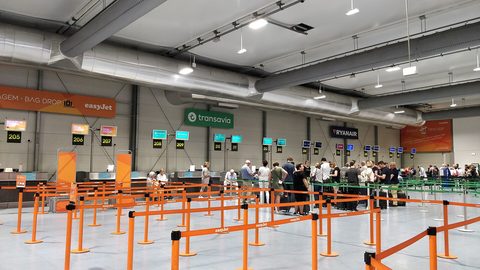 Portugal Visa Requirements for Tourists and Remote Workers
Portugal is in the Schengen Area. Most tourists get 90 days visa-free, but remote workers and long-stayers have specific visa paths to follow.
Portugal Visa Requirements for Tourists and Remote Workers
Portugal is in the Schengen Area. Most tourists get 90 days visa-free, but remote workers and long-stayers have specific visa paths to follow.
-
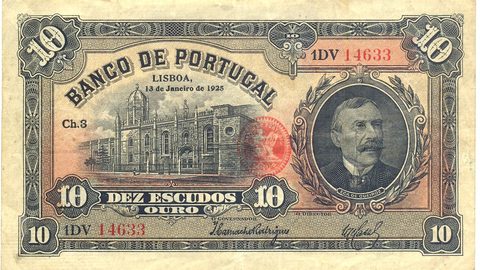 Money in Portugal, Euros, Cards and Where Cash Still Rules
Portugal uses the euro. Cards work in most urban places, but small tascas, rural cafés, and public toilets still demand coins.
Money in Portugal, Euros, Cards and Where Cash Still Rules
Portugal uses the euro. Cards work in most urban places, but small tascas, rural cafés, and public toilets still demand coins.
-
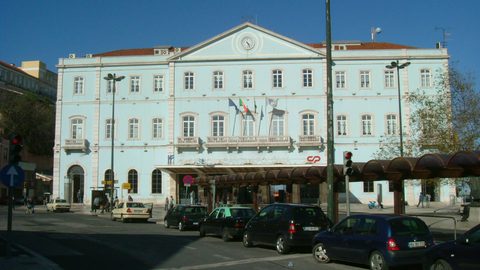 Safety in Portugal, What the Warnings Mean and What They Miss
Portugal is safe, but the real risks are slippery calçada pavements, Atlantic undertows, and pickpockets on Tram 28 and at Cais da Ribeira.
Safety in Portugal, What the Warnings Mean and What They Miss
Portugal is safe, but the real risks are slippery calçada pavements, Atlantic undertows, and pickpockets on Tram 28 and at Cais da Ribeira.
-
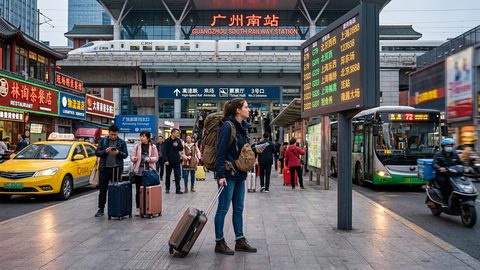 A Ground-Level Logistics Guide to Independent Travel in China
First-time independent travel in China: what you need to know about visas, rail booking, eSIMs, mobile payments, and power adapters.
A Ground-Level Logistics Guide to Independent Travel in China
First-time independent travel in China: what you need to know about visas, rail booking, eSIMs, mobile payments, and power adapters.
-
 How Solo Travelers Stay Ahead of Flight Delays and Cancellations
How solo travelers can track inbound aircraft, claim rebooking rights, and adjust ground transport when flights go wrong — step by step.
How Solo Travelers Stay Ahead of Flight Delays and Cancellations
How solo travelers can track inbound aircraft, claim rebooking rights, and adjust ground transport when flights go wrong — step by step.
-
 Why Your eSIM Might Not Work Abroad and How to Check Before You Go
Buying an eSIM doesn't guarantee signal abroad. Learn why coverage fails by location and how to verify reach before you commit to a plan.
Why Your eSIM Might Not Work Abroad and How to Check Before You Go
Buying an eSIM doesn't guarantee signal abroad. Learn why coverage fails by location and how to verify reach before you commit to a plan.