Using a France eSIM for Travel and Other Ways to Stay Online
Compare eSIM, local French SIM cards, and roaming for reliable data across France, from Paris to the signal-poor Gorges du Verdon.
How to Get Mobile Data in France for a Trip
The first thing you need to know about staying connected in France is that a Paris SIM card will not save you when you are standing in the Lot Valley with a reservation confirmation that will not load. The most practical france esim for travel bypasses the country's ID registration law entirely, works the instant you land, and keeps you online through the rural dead zones where Bouygues and Free Mobile drop out. But there is a tradeoff: you give up a French phone number, and in France, a local number matters more than you expect.
Restaurant reservations, even for a casual lunch, often require a phone call or a text confirmation. The SNCF Connect app, which you need to validate tickets and check platform changes, works with any data connection. But the secondary services, like contacting a car rental agency when the automated check-in machine rejects your licence, assume you have a French mobile number. That is the central friction: eSIM data versus a local SIM with a real number, and the answer depends on where you are going and how you travel.
Where The Networks Actually Work
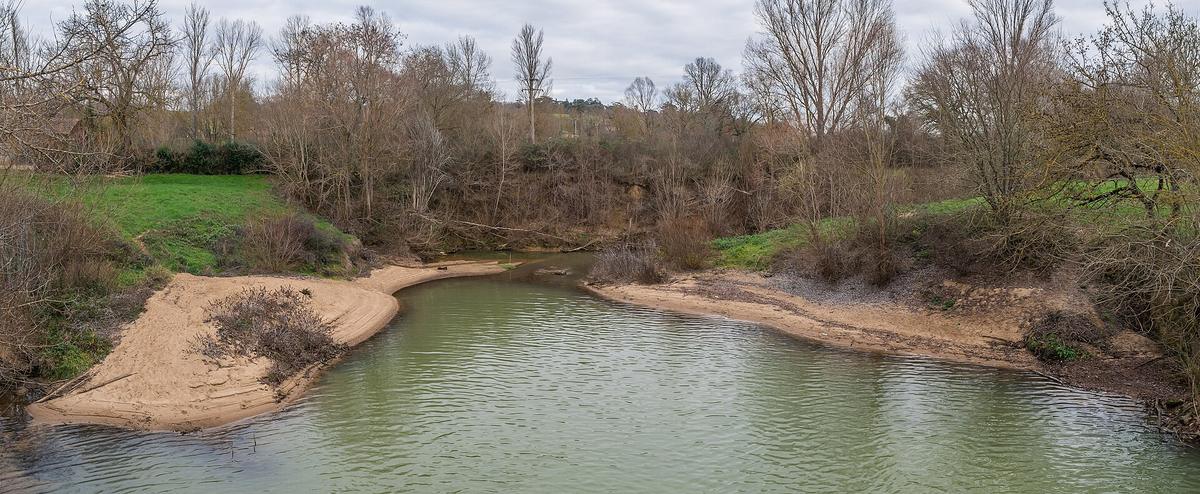
In cities and along the autoroute, the big four networks Orange, SFR, Bouygues Telecom, and Free Mobile all deliver reliable 4G. The ARCEP 2025 report shows over 99% population coverage for 4G and about 88% of land area. The missing 12% of territory is where your trip lives: the Dordogne, the Gorges du Verdon, the Massif Central, the deep valleys of the Alps and Pyrenees. In those places, Orange and SFR (which share some rural sites under the government New Deal Mobile programme) hold the edge. Bouygues and Free Mobile are noticeably weaker in the Lot Valley and the Creuse département. If your itinerary is a Provençal hill village followed by a week hiking the GR routes, network choice matters more than data allowance.
.jpg)
Orange France Prepaid SIM: the Registration Hurdle
A local prepaid SIM from Orange France is the most reliable option for rural coverage. The research is consistent: Orange spends more on rural infrastructure than any competitor, and in the Lot Valley, the Cévennes, and the Creuse, it is often the only carrier with a usable signal. But buying one comes with a mandatory step that catches many visitors off guard.
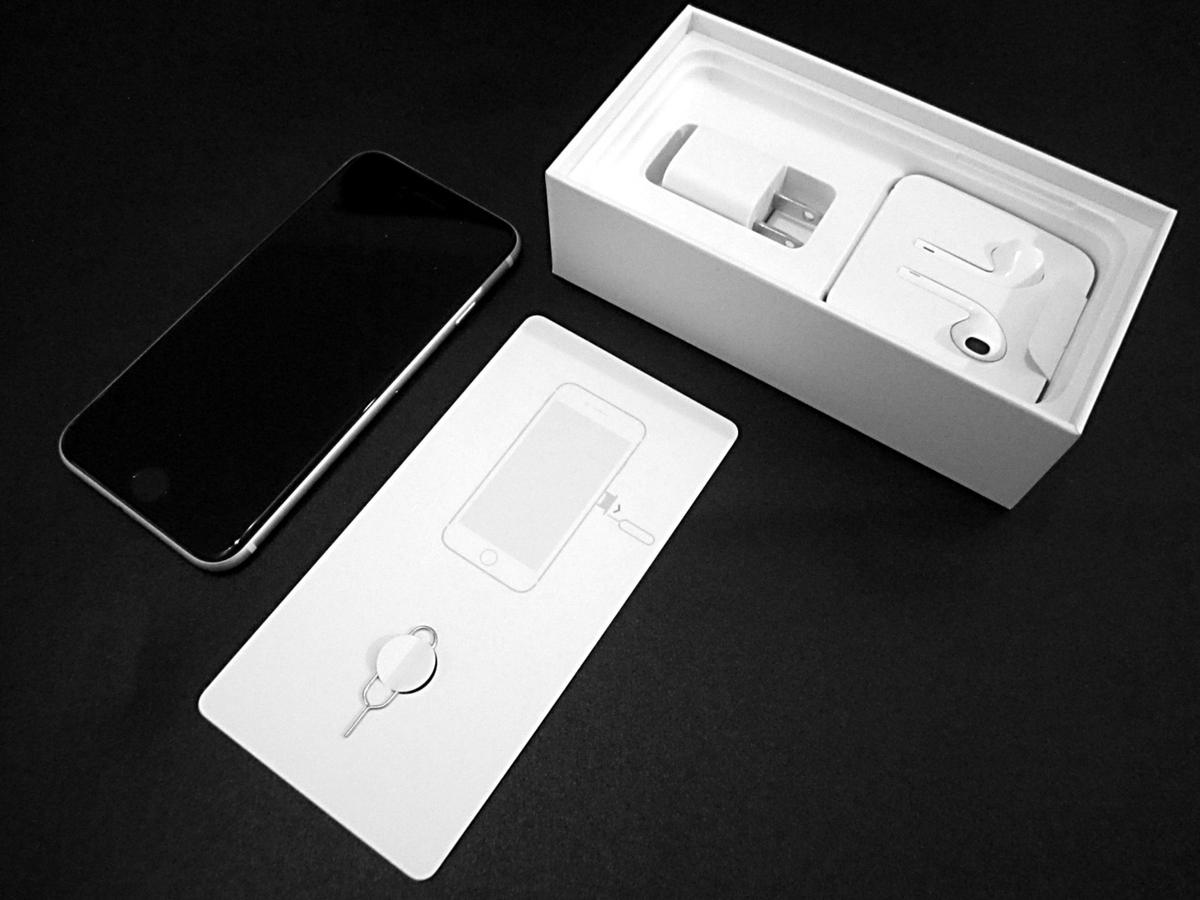
You cannot buy a French prepaid SIM without presenting a passport or an EU/EEA national ID card at the point of sale. The operator records your identity before activation. This applies at all purchase locations: tabacs (tobacco shops), network-branded boutiques, Relay stores in train stations, supermarkets, electronics retailers such as Fnac, Darty, and Boulanger, and airport vending machines. The process is immediate in store; you walk out with a working line. Online orders require a postal address verification and take 2 to 5 working days, which makes them impractical for most trips.
Age Limits And Validity
The minimum age for purchase is 18 years. If you are under 18, the eSIM route is your only option. The prepaid SIM validity without a top up varies by operator but sits between 6 and 12 months from the last recharge before deactivation. For a two week trip, you will not hit that limit.
Where To Buy One
You can buy Orange prepaid SIMs at any Orange boutique or at Relay kiosks inside major train stations. The Paris Gare de Lyon and Gare du Nord locations are reliable. Tabacs in smaller towns stock Orange and SFR SIMs but may not always have activation stock. If you arrive at Charles de Gaulle, the Relay at Terminal 2E carries them. Budget €15 to €30 for 20 to 40 GB, which is enough for two weeks of maps, messaging, and the occasional video call.
France Mobile Data Coverage Map: Reading the Fine Print
Every carrier publishes a coverage map. None of them are honest in a way that helps you. The national operators claim territory coverage that includes fields and forests where no traveller goes. What matters is coverage on the roads and in the towns you will actually use.
Check an independent source before you decide. ARCEP, the French telecom regulator, publishes detailed cartes de couverture (coverage maps) by operator at arcep.fr. These show the difference between general coverage and actual usable signal in the zones that matter: rural département routes, TGV high speed rail lines where coverage is intermittent in rural sections, the Gorges du Verdon rim drive, and the autoroutes through the Massif Central. A carrier that covers 99% of the national population may only cover 88% of the land area, and that missing 12% is disproportionately the places best for slow travellers and road trippers.
Route By Route Signal Guide
If you are driving the D road through the Lot Valley between Cahors and Rocamadour, you will lose signal on Bouygues and Free Mobile for extended stretches. Orange and SFR hold in most village centres. In the Gorges du Verdon, the canyon floor between the Lac de Sainte Croix and the Point Sublime viewpoint has almost no coverage on any network; the rim road is better, but only Orange provides a consistent connection at the belvederes. In the Alps, valley floors are served, but the higher trailheads and refuges are not. Download offline maps for the entire region you will travel before you leave the city.

SNCF Connect App Offline Use: How to Beat the Dead Zones
The SNCF Connect app is the single application you will open most during a French trip. It holds your tickets, shows the platform, and warns you about strikes (grèves) that can paralyse trains with little warning. It does not need a live connection to display tickets you have already downloaded. But the practical workflow has a catch that costs travellers money.
When you buy a ticket through SNCF Connect, the app stores the QR code locally. That code is what the conductor scans. You do not need data to show it. What you do need data for is the validation step if you bought a paper ticket at a station. Paper tickets must be validated in the yellow composteur machines before boarding. If you skip that step, you risk a fine regardless of whether you have a valid ticket. The app version eliminates that step entirely.
Platform Changes And Dead Zones
The bigger risk is platform changes. SNCF changes departure platforms frequently, often 10 minutes before departure. If you are in a rural station with no Wi Fi and no data, you will not see the update. Download offline maps not just for navigation but for locating the alternate platform, which can be a five minute walk at larger stations. The SNCF Connect app does not cache platform information. You need a live connection for that.
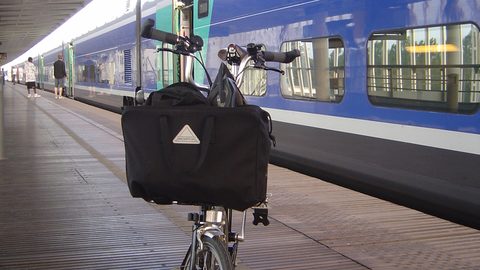
For the TGV routes that cross the rural sections of the LGV Sud Est and LGV Bretagne Pays de la Loire, mobile coverage is intermittent. SNCF has been installing trackside infrastructure, but in 2026, you should expect dropouts on the high speed line between Tours and Bordeaux and between Lyon and Marseille. Download all tickets and maps before you board, not during the journey.
French SIM Card Registration ID: What You Need to Bring
The registration requirement is straightforward but not negotiable. French law requires every prepaid SIM to be registered to a named individual. The accepted ID for SIM registration is a passport or an EU/EEA national identity card. Non EU nationals must present their passport. A driving licence is not accepted.
The process takes about two minutes at a boutique or Relay counter. The clerk scans or photocopies your document, enters the data into the operator's system, and activates the line. You can use the SIM immediately. There is no waiting period. The issue arises only if you arrive at a tabac in a small town and the clerk does not know the procedure, or if the shop has run out of activation vouchers. In tourist areas, stock is reliable. In the Creuse or the Ariège, call ahead or buy at a larger station before you leave.
Orange and SFR have the widest distribution of SIM stock. Free Mobile SIMs are available at Free boutiques and some Fnac stores but are less common in rural tabacs. Bouygues Telecom has good coverage of urban Relay stores.
The Practical Recommendation: ESIM or Local SIM?
The choice depends on your itinerary length and your reliance on a French number. For a trip of 10 days or less, focused on cities and one region such as Provence or the Loire Valley, buy an Orange Travel eSIM before you depart. It activates on arrival, requires no ID, and runs on the Orange network, which gives you the best rural coverage. The downside is no voice number. You will need to handle restaurant reservations through The Fork or email. For a trip of two weeks or more, especially if you are road tripping through the Dordogne, the Alps, or the Lot Valley, buy a local Orange prepaid SIM at a Relay in the airport or at a major train station. The registration is quick, you get a real French number, and you can top up at any tabac if you need more data. The downside is carrying your passport to buy it and the risk of finding a shop that has run out of stock.
Which Networks To Avoid
Do not buy a Bouygues or Free SIM if your route includes the rural départements of Creuse, Lozère, Ariège, or Haute Loire, or the deep valleys of the Alps and Pyrenees. Their networks have coverage gaps in those zones that Orange and SFR do not. The ARCEP territorial coverage data supports this. On the autoroutes through the Massif Central, Bouygues drops out for kilometres at a time.
Paris Métro And Final Checklist
Coverage in the Paris Métro tunnels is less of a concern. All lines have 4G, and lines 1, 4, 14, and the RER A central section have 5G. You will lose signal on the TGV in rural sections, but that is true of every carrier. The solution is the same regardless of which connectivity option you choose: download offline maps of the entire region you plan to visit, load the SNCF Connect app and download your tickets, and save the Tripadvisor or Google Maps reviews for your planned restaurants before you leave the city.
Common Questions
Do I need a French SIM card for the SNCF Connect app?
No. SNCF Connect works with any data connection. You can download your tickets in advance while on Wi Fi and show the offline version to the conductor. The app also supports offline access to stored tickets. What you need data for is the real time platform change notifications that SNCF sends 10 minutes before departure, and those require a live connection. A data only eSIM handles that.
Can I use an Orange Travel eSIM for restaurant reservations?
No. An eSIM from Orange Travel or Holafly provides data only. It does not give you a French mobile number. For restaurants that require a phone call or text to confirm a booking, you need either a local SIM with a number or a VoIP service like Skype with a French number add on. In practice, many restaurants in rural France accept email reservations through The Fork or directly, but smaller places, especially in the Dordogne and Lot, rely on phone.
Is Free Mobile coverage acceptable in rural France?
Free Mobile coverage is noticeably weaker in deep countryside like the Lot Valley, the Creuse, and parts of the Massif Central. Free relies heavily on a roaming agreement with Orange in some areas, but the data speed on that roaming is throttled. For a trip focused on cities, autoroutes, and coastal resort towns, Free works fine. For a slow travel itinerary in the Dordogne, the French Alps villages, or the Gorges du Verdon, choose Orange or SFR.
What ID do I need to register a French prepaid SIM?
A passport or an EU/EEA national identity card. Non EU nationals must present their passport. The operator scans or photocopies the document and records the identity before activation. This requirement applies at all purchase points, including tabacs, Relay stores, supermarkets, and airport vending machines. The minimum age to purchase is 18 years.
Can I use my UK or US mobile plan in France without extra charges?
UK plans are subject to the EU roaming rules that cap surcharges, but most UK carriers have reintroduced fair use limits or small daily fees since Brexit. Check your provider before departure. US carriers like T Mobile include some international data at reduced speeds, but it is not reliable for map navigation in rural zones. Neither option gives you a French number for reservations.
Read next
-

 Best Time to Visit France When You Want the Place to Yourself
When to visit France based on crowds, closures, and regional rhythms—not just average temperatures and rainfall charts.
Best Time to Visit France When You Want the Place to Yourself
When to visit France based on crowds, closures, and regional rhythms—not just average temperatures and rainfall charts.
-
 Getting Around France by TGV, TER, and a Car You Can Actually Park
How to get around France by train and car, including TGV seat rules, paper ticket validation, motorway tolls, and where the rail map misleads.
Getting Around France by TGV, TER, and a Car You Can Actually Park
How to get around France by train and car, including TGV seat rules, paper ticket validation, motorway tolls, and where the rail map misleads.
-
 France Visa Requirements for Schengen and Non-Schengen Passports
Who needs a visa for France, who does not, and the step-by-step process for a French short-stay visa application.
France Visa Requirements for Schengen and Non-Schengen Passports
Who needs a visa for France, who does not, and the step-by-step process for a French short-stay visa application.
-
 Cash or Card in France When the Restaurant Terminal Says Non
How to pay in France: where cards work, where cash still rules, and why your American Express might get refused at the boulangerie.
Cash or Card in France When the Restaurant Terminal Says Non
How to pay in France: where cards work, where cash still rules, and why your American Express might get refused at the boulangerie.
-
 France Safety Advice Without the Internet Panic Spiral
Real safety risks in France—pickpocketing, scams, and strike disruption—separated from the internet panic spiral, with practical advice.
France Safety Advice Without the Internet Panic Spiral
Real safety risks in France—pickpocketing, scams, and strike disruption—separated from the internet panic spiral, with practical advice.
-
 What a Trip to France Actually Costs Shaped by Region and Season
How trip costs in France shift by region and season, from Parisian prix-fixe lunches to the Côte d'Azur's August premium on every bed and table.
What a Trip to France Actually Costs Shaped by Region and Season
How trip costs in France shift by region and season, from Parisian prix-fixe lunches to the Côte d'Azur's August premium on every bed and table.
-
 A Ground-Level Logistics Guide to Independent Travel in China
First-time independent travel in China: what you need to know about visas, rail booking, eSIMs, mobile payments, and power adapters.
A Ground-Level Logistics Guide to Independent Travel in China
First-time independent travel in China: what you need to know about visas, rail booking, eSIMs, mobile payments, and power adapters.
-
 How Solo Travelers Stay Ahead of Flight Delays and Cancellations
How solo travelers can track inbound aircraft, claim rebooking rights, and adjust ground transport when flights go wrong — step by step.
How Solo Travelers Stay Ahead of Flight Delays and Cancellations
How solo travelers can track inbound aircraft, claim rebooking rights, and adjust ground transport when flights go wrong — step by step.
-
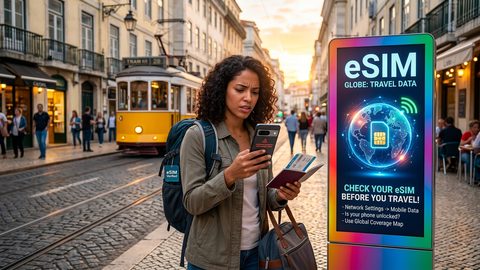 Why Your eSIM Might Not Work Abroad and How to Check Before You Go
Buying an eSIM doesn't guarantee signal abroad. Learn why coverage fails by location and how to verify reach before you commit to a plan.
Why Your eSIM Might Not Work Abroad and How to Check Before You Go
Buying an eSIM doesn't guarantee signal abroad. Learn why coverage fails by location and how to verify reach before you commit to a plan.