Making Sense of Toronto to Montreal Trip Logistics for One Journey
Toronto and Montreal are 540 km apart. The train, the drive, and the flight each eat into your trip differently. Here is whether combining both cities is worth it.

Toronto and Montreal in One Trip: is it Worth the Transit Time?
You are looking at a 541 kilometre gap between Toronto and Montreal, and that gap eats a meaningful chunk of any itinerary. Answering whether combining both cities works comes down to one thing: how many days you have. On a week long trip, it is realistic. On a long weekend, skip it.
Toronto is not a compact sightseeing city. It is a patchwork of distinct neighbourhoods stitched together by long transit rides. First timers often find it more sprawling and less immediately pretty than expected. The real payoff comes from eating through its immigrant communities, not ticking off landmarks. A bare minimum of 4 full days is required in Toronto alone. Anything less forces you to choose between the downtown core and the neighbourhoods where the city actually lives, and you will spend too much of it in transit.
How Montreal Changes The Math
Montreal is a tighter city with a more obvious historic core, but it still demands at least 2 to 3 days of your own. Add a 5 hour transit gap between them, and the math becomes clear: a combined trip needs 7 to 10 days to feel satisfying. On a 5 day vacation, you lose one full day to travel and end up rushing both cities.
When The Combination Fails
The failure case is the long weekend. You arrive Friday evening, leave Monday morning, and spend Saturday moving between cities. That leaves one day in each. In Toronto, that means staying in the financial core and judging the city by its least interesting streets. That is the most common complaint from short stay visitors: the city felt sterile and soulless.
VIA Rail Toronto to Montreal Train Time: 5 Hours Downtown to Downtown
VIA Rail runs this route from Union Station (station code TRTO) in Toronto to Gare Centrale (station code MTRL) in Montreal. The fastest end to end schedule is 5 hours and 1 minute. The longest is about 5 hours and 30 minutes, depending on the departure. There are 6 to 7 departures per weekday in each direction.
The train is downtown to downtown. You step off at Union Station in Toronto and arrive at Gare Centrale in Montreal, which is connected to the city's underground network. No airport security, no shuttle bus, no 40 minute taxi ride from the runway to your hotel.
Onboard And Booking
Onboard Wi Fi is available on all Corridor trains. Connect to the network name VIA_Rail_WiFi. There is no checked baggage on this route. You are limited to carry on only, with a maximum of 2 items at 23 kilograms each. Tickets go on sale roughly 6 to 11 months ahead. Book through viarail.ca.
The train is the least bad option for most travellers for one simple reason: the 5 hours are productive. You can work, eat, sleep, or read. You are not driving in traffic and you are not sitting in an airport gate area.
Reliability And Timing
The catch is reliability. Delays are more frequent in deep winter, January through February, and during peak summer heat, July and August, when track speed restrictions kick in. If you have a tight connection at the other end, do not book the last departure of the day. Leave a buffer.
Toronto to Montreal Drive Distance: 541 Kilometres on the 401 and A20
The drive distance from Toronto to Montreal is 541 kilometres via ON-401 East and QC-A20 East. Drive time without stops ranges from 5 hours and 30 minutes to 6 hours and 30 minutes. That varies with your departure point in Toronto and with Montreal's arrival traffic.
There are no tolls on ON-401. The A30 toll bridge south of Montreal is optional. If you use it, the toll varies by vehicle class and is published annually by the operator.
What The Drive Actually Feels Like
The drive itself is dull. The 401 is a straight, flat, often congested highway. It is not a scenic route. The section through Kingston and along the St. Lawrence River offers brief views, but most of the time you are staring at the back of a transport truck.
Seasonal Risks
The failure case for the drive is winter. The highest risk of multi hour closure runs December through March. Lake effect snow on the 401 and freezing rain in Quebec can shut the highway entirely. In summer, May through September, construction peaks and can add 30 to 90 minutes unpredictably.
Quebec requires winter tires on Quebec registered vehicles from December 1 to March 15. Ontario plated vehicles are exempt from that law. Check current enforcement interpretation before you go.
Do not drive this route if you are on a short trip. The time gained by driving instead of taking the train is zero or negative once you factor in rest stops, fuel stops, and the fact that you arrive tired and still need to park the car.
Toronto Montreal Flight vs Train: Which is Faster and Which is Smarter
The flight itself is short. Wheels up to wheels down is 1 hour and 10 minutes to 1 hour and 20 minutes. Airlines on the route include Air Canada, Porter Airlines, and Flair Airlines. Toronto departure airports are Billy Bishop (YTZ) for Porter and Toronto Pearson (YYZ) for Air Canada and Flair. All arrive at Montreal Trudeau (YUL).
But total downtown to downtown time by air is 4 to 5 hours. That includes transit to the airport, security screening, the flight itself, and ground transport at the destination. From YUL to downtown Montreal, take the 747 bus line, which runs 45 to 70 minutes depending on traffic. Taxi fares follow a fixed zone map published annually by Aéroports de Montréal.
Train Versus Plane
So the train takes 5 hours to 5 hours 30 minutes. Flying takes 4 to 5 hours. The difference is negligible. The train wins on comfort, productivity, and carbon footprint. Train travel produces approximately 5 times less CO2 per passenger than flying. Driving emissions vary by vehicle and occupancy. A 2 person trip in a mid size petrol car is roughly comparable to flying per passenger.
When Flights Fail
The highest flight cancellation risk runs December through February for snow and ice events, and June through August for thunderstorm ground stops at both YYZ and YUL. If you must fly, book the first departure of the day. Morning flights have the best on time record.
For most travellers, the train is the smarter choice. Only fly if you are on a tight budget and find a discount carrier fare significantly below the VIA Rail price, or if you are connecting to a flight at Montreal Trudeau and want to avoid the rail to air transfer.
Toronto Montreal Combined Itinerary Feasibility
A combined trip works on a week plus itinerary. Here is a realistic skeleton for 8 days:
- Day 1: Arrive Toronto, settle in, evening in your neighbourhood.
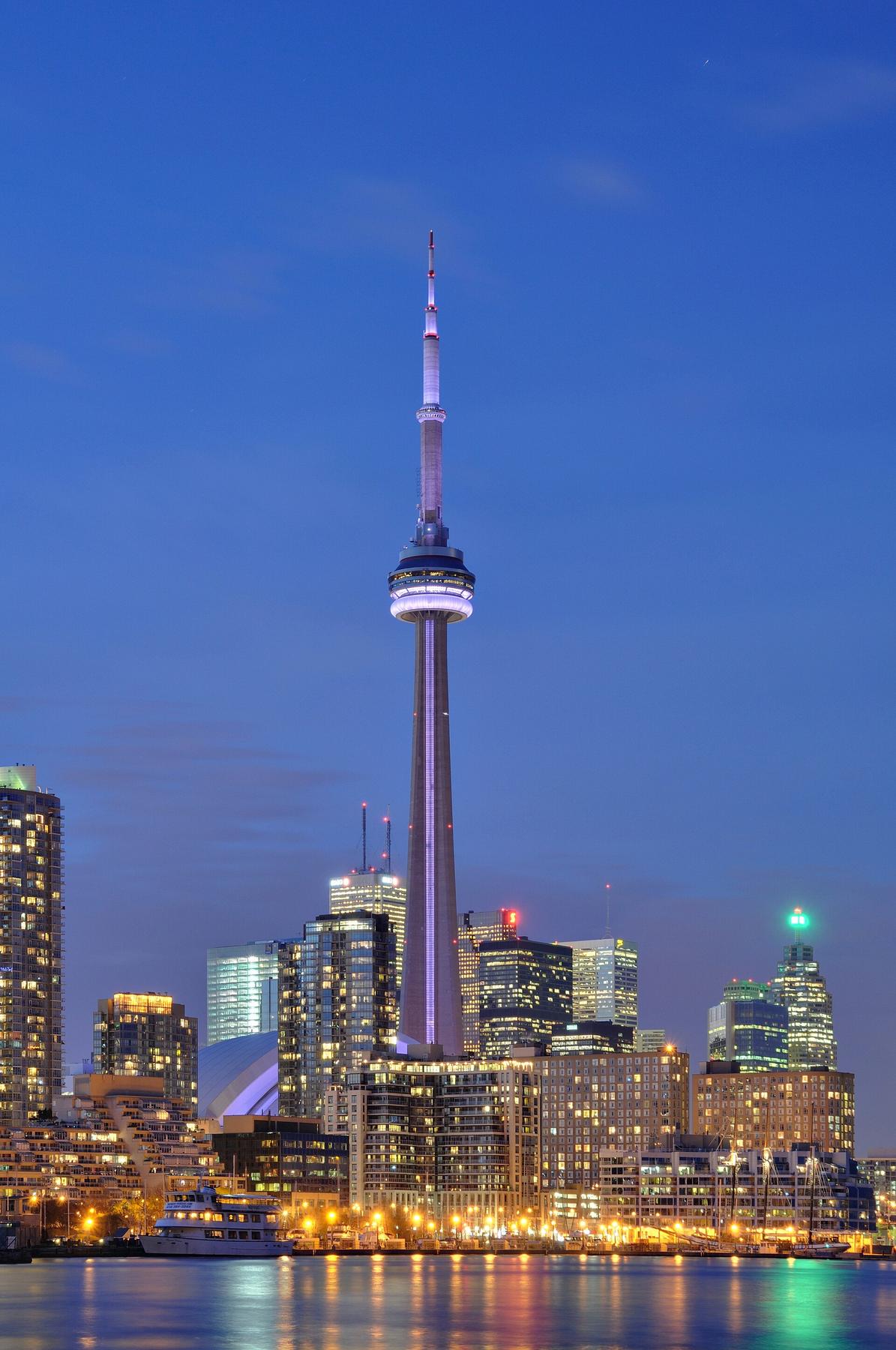
- Days 2 to 4: Three full days in Toronto. Spend one day on the downtown core and the CN Tower. Spend one day in Kensington Market, Chinatown, and West Queen West. Spend one day on a neighbourhood deep dive to Leslieville or the Danforth or a day trip to the Toronto Islands.
- Day 5: Morning VIA Rail from Union Station to Montreal. Arrive early afternoon. Evening in Montreal's Plateau.
- Days 6 to 7: Two full days in Montreal. Old Montreal, Mount Royal, neighbourhoods.
- Day 8: Depart Montreal.
Why This Works
That schedule gives each city its due without cramming. It leaves Toronto with the 4 full days it requires. It gives Montreal enough time to show its character. The train on Day 5 feels like a transition, not a waste.
The failure case is a 5 day trip. You lose Day 2 to travel, leaving 2 days in one city and 2 in the other. That means 1.5 days per city after arrival and departure logistics. In Toronto, that forces you into the downtown core and a single neighbourhood. You will spend too much of those days in transit and leave feeling like you saw neither city properly.

| Option | Downtown to Downtown Time | Frequency | Key Drawback |
|---|---|---|---|
| VIA Rail Train | 5 h 1 min to 5 h 30 min | 6 7 per weekday | Delays in deep winter and peak summer |
| Drive (401 A20) | 5 h 30 min to 6 h 30 min | On demand | Dull highway, heavy traffic, winter closures |
| Flight (YYZ or YTZ to YUL) | 4 h to 5 h total | Multiple daily | Airport friction on both ends; cancellation risk |
The Single Thing That Most Often Goes Wrong
The most common mistake is staying only in the financial core of Toronto and judging the entire city by its least interesting streets. A downtown hotel without a plan to leave the core produces the most common complaint: that Toronto felt sterile and soulless. Book accommodation in a neighbourhood like West Queen West, Kensington Market, or The Annex. Build your trip around meals and street level wandering, not monument ticking. If you do that, the transit time to Montreal feels like a fair trade for two of Canada's most distinct cities in one trip.
Read next
-
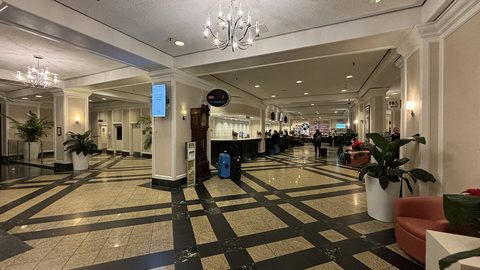
 Toronto Hotels and What the Price Bands Actually Get You
Toronto hotel prices cluster into bands that deliver distinctly different experiences, from suburban chain functionality to character-rich midrange spots in
Toronto Hotels and What the Price Bands Actually Get You
Toronto hotel prices cluster into bands that deliver distinctly different experiences, from suburban chain functionality to character-rich midrange spots in
-
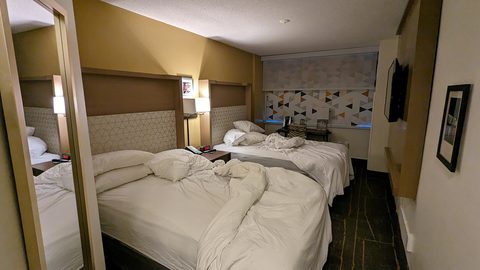 Where to Stay in Toronto and What Each District Costs You
Where you stay in Toronto shapes everything about your trip. Each district comes with a tradeoff in transit time, street life, and what you can walk to after dinner.
Where to Stay in Toronto and What Each District Costs You
Where you stay in Toronto shapes everything about your trip. Each district comes with a tradeoff in transit time, street life, and what you can walk to after dinner.
-
 Flying Into Toronto Pearson or Billy Bishop and Getting Downtown
Flying into Toronto means choosing between Pearson and Billy Bishop. Here's how each airport works and how to get downtown from both.
Flying Into Toronto Pearson or Billy Bishop and Getting Downtown
Flying into Toronto means choosing between Pearson and Billy Bishop. Here's how each airport works and how to get downtown from both.
-
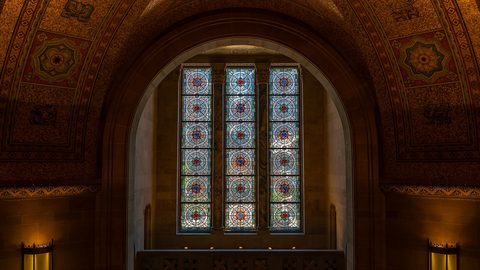 What to Do in Toronto Ordered by Whether It Is Worth the Time
Toronto's attractions compete for your limited days. Some earn their time cost, others don't. This ranks them by what you actually get for the hours you spend.
What to Do in Toronto Ordered by Whether It Is Worth the Time
Toronto's attractions compete for your limited days. Some earn their time cost, others don't. This ranks them by what you actually get for the hours you spend.
-
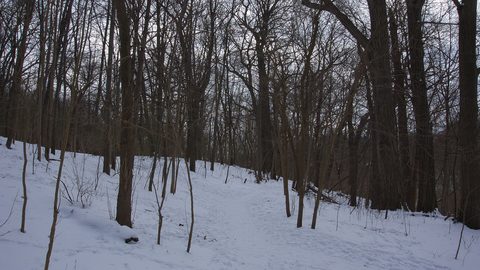 When to Visit Toronto and What Each Season Does to the City
Toronto shifts dramatically with the seasons, from festival-packed spring and fall shoulders to humid summer patios and bitter winter sidewalks that never
When to Visit Toronto and What Each Season Does to the City
Toronto shifts dramatically with the seasons, from festival-packed spring and fall shoulders to humid summer patios and bitter winter sidewalks that never
-
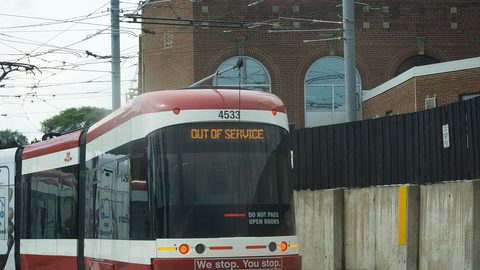 Getting Around Toronto Without Wasting Half Your Trip in Transit
Toronto's transit map looks simple but hides slow surface routes, a disorienting underground maze, and walking distances everyone underestimates.
Getting Around Toronto Without Wasting Half Your Trip in Transit
Toronto's transit map looks simple but hides slow surface routes, a disorienting underground maze, and walking distances everyone underestimates.
-
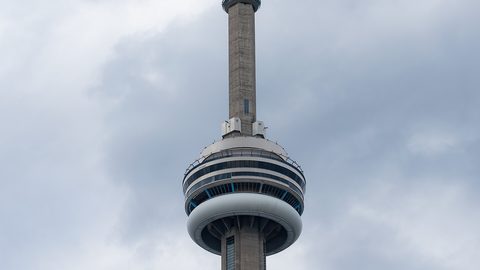 CN Tower
The CN Tower anchors Toronto's skyline, but a good visit depends on booking ahead for sunset slots and knowing which experience fits your time and tolerance
CN Tower
The CN Tower anchors Toronto's skyline, but a good visit depends on booking ahead for sunset slots and knowing which experience fits your time and tolerance
-
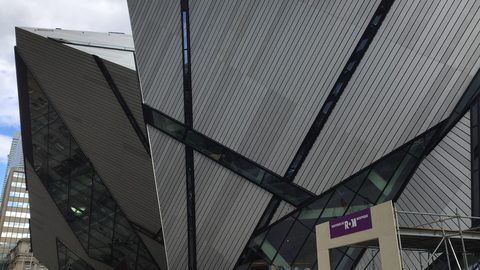 Royal Ontario Museum
The Royal Ontario Museum pairs world cultures with natural history inside a crystal-winged building, and a focused visit to two or three galleries beats a
Royal Ontario Museum
The Royal Ontario Museum pairs world cultures with natural history inside a crystal-winged building, and a focused visit to two or three galleries beats a
-
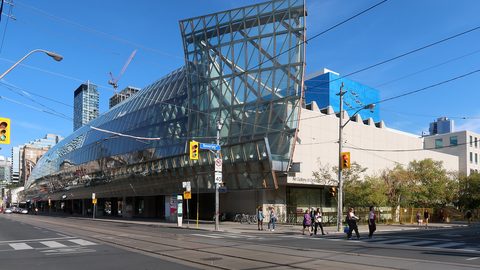 Art Gallery of Ontario
The Art Gallery of Ontario pairs a deep Group of Seven collection with Frank Gehry's glass-and-wood redesign, a focused art experience steps from Chinatown
Art Gallery of Ontario
The Art Gallery of Ontario pairs a deep Group of Seven collection with Frank Gehry's glass-and-wood redesign, a focused art experience steps from Chinatown