Understanding Getting Around South Africa Transport Options
Self-driving a rental car is how most travellers see South Africa. What connects where, when to fly, and what the map oversells about public transport.
How to Actually Move Around South Africa
Most first timers picture a loop of trains and buses connecting Cape Town, Kruger and the Garden Route. That map is a lie. The real question is how you get between Johannesburg and a game reserve at 5am when no bus runs. The honest answer is a single rented car.
Outside the Gautrain and the MyCiTi bus at Cape Town airport, public transport connects almost nothing you came to see. Accept that upfront and the trip works. Fight it and you waste days waiting.
The country is roughly the size of France and Spain combined, with one paved highway running down the coast and a few tarmac lines inland. The backbone is road, driven by you in a rental car. The fallback is domestic air for the long jumps between Johannesburg, Cape Town and Durban. Long distance coaches serve a coastal corridor. Minibus taxis exist but serve towns, not wildlife reserves. Plan for self drive or accept you will miss most of what the country sells.
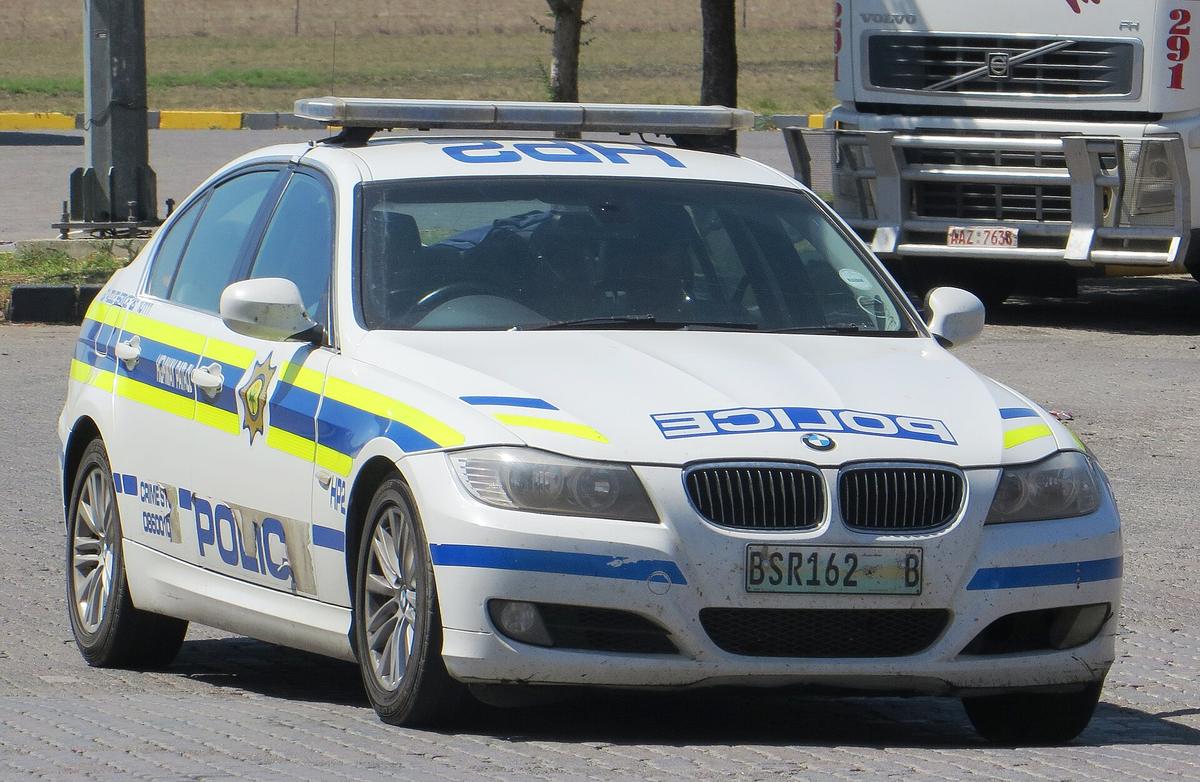

Self-Drive South Africa: Why Rental Car Tips Matter More Than You Think
Get The Right Car
Self-drive is not optional. It is the only way to hit a 6am game drive gate in Kruger, stop at a farm stall for biltong on the R62, or pull over when a herd of elephants crosses the road in Addo. The distances are what ruin people: Johannesburg to Cape Town by road is 1,400 km, about 14 hours without stops. Johannesburg to Durban is 570 km, a solid six hours on the N3. Cape Town to Port Elizabeth is 750 km. Do not try to drive Johannesburg to Cape Town in one day and then walk Table Mountain the next morning.
A 2x4 sedan will handle the Garden Route and Kruger's main rest camps. The places that require a 4x4 are specific: Sani Pass into Lesotho, parts of the Wild Coast, and some private reserve access roads in the Kgalagadi. If you are not crossing the pass or driving the Wild Coast's beach tracks, do not pay for a four wheel drive you will not use.
Licence, Roads And Payment
You need a valid driver's licence from your country of origin. If the licence is not in English, get an International Driving Permit before you leave. The minimum rental age is 21, though most major companies charge a young driver surcharge under 25. You drive on the left. National roads are paved and well maintained. Rural secondary roads are variable; gravel is common. Google Maps sometimes routes you through informal settlements or unsafe areas on the shortest path. Stick to the N roads and ask a local if a short cut is safe.
Payment happens by credit card with chip-and-PIN. The friction that catches people: many fuel stations in rural areas do not accept international cards at the pump. Carry cash in South African rand for fuel in the Karoo, the Wild Coast, and anywhere off the N1 or N2. Fuel stations are full-service, meaning an attendant fills the tank, checks oil, and cleans the windscreen. Tip them R5 to R10 in cash. State your fuel type and amount clearly before they start pumping.
South Africa Domestic Flights: When to Fly and Which Routes Matter
The Routes Worth Booking
Domestic air exists to solve the distance problem, not to replace driving. The backbone routes are Johannesburg to Cape Town, Johannesburg to Durban, and Cape Town to Durban. Secondary routes include Johannesburg to Port Elizabeth, Johannesburg to George, Cape Town to Port Elizabeth, and Johannesburg to Nelspruit or Hoedspruit for Kruger access. If you have 14 days total, fly between the regions. Driving the whole country in two weeks turns the trip into a blur of one night stops and highway fatigue.
Airlink, FlySafair, CemAir, LIFT and South African Airways operate these routes. FlySafair is usually the cheapest. Book tickets on airline websites or mobile apps. Tickets are dated for a specific flight and departure date. No open return works here. The Johannesburg to Cape Town flight is about two hours. Compare that to 14 hours driving and the premium makes sense for a short trip. Baggage allowances are tight on low cost carriers. You pay extra for checked luggage with FlySafair and CemAir.
Airport Transfers
OR Tambo International in Johannesburg is the primary hub. Cape Town International is the second. King Shaka International serves Durban. The Gautrain connects Johannesburg's airport to Sandton in 15 minutes for roughly R200 and to Pretoria. At Cape Town, the MyCiTi bus runs to the city centre in 30 minutes for roughly R100. Uber works well from all three airports and costs around R250 from Durban's airport to the city. Do not take unmarked metered taxis from any airport.
Baz Bus South Africa Route: Who the Backpacker Bus Actually Works for
The Baz Bus runs a point to point hop-on-hop-off service along the coast between Cape Town and Durban, with a branch up to Johannesburg. It stops at hostels and backpacker lodges, not bus stations. You buy a ticket for a specific route segment or a pass for multiple hops. Tickets are dated for specific departures. The service is designed for solo travellers under 30 who want to meet other people and do not want to drive. It covers the Garden Route towns: Mossel Bay, Knysna, Plettenberg Bay, Jeffreys Bay, Port Elizabeth, and then up the Wild Coast to Durban.
The Baz Bus does not serve Kruger National Park, the Drakensberg, the Kalahari, or any game reserve not on the coastal corridor. If your itinerary is Cape Town to the Garden Route to Durban and you are comfortable with a fixed schedule of one bus per day, it works. If you want to detour to a mountain lodge or arrive at a rest camp gate before sunrise, it does not. The bus departs when full on the day, not on a guarantee. Build slack into your schedule.
The main alternative for long distance coaches is Intercape, which runs scheduled services on the same coastal routes plus inland to Johannesburg, Pretoria, and Bloemfontein. Tickets are bought on the Intercape website, at bus station counters, or at Shoprite and Checkers Money Market counters. Tickets are dated for a specific departure. The coach is cheaper than flying and more reliable than the Baz Bus for fixed dates, but you sit on a highway, not in a backpacker common room.
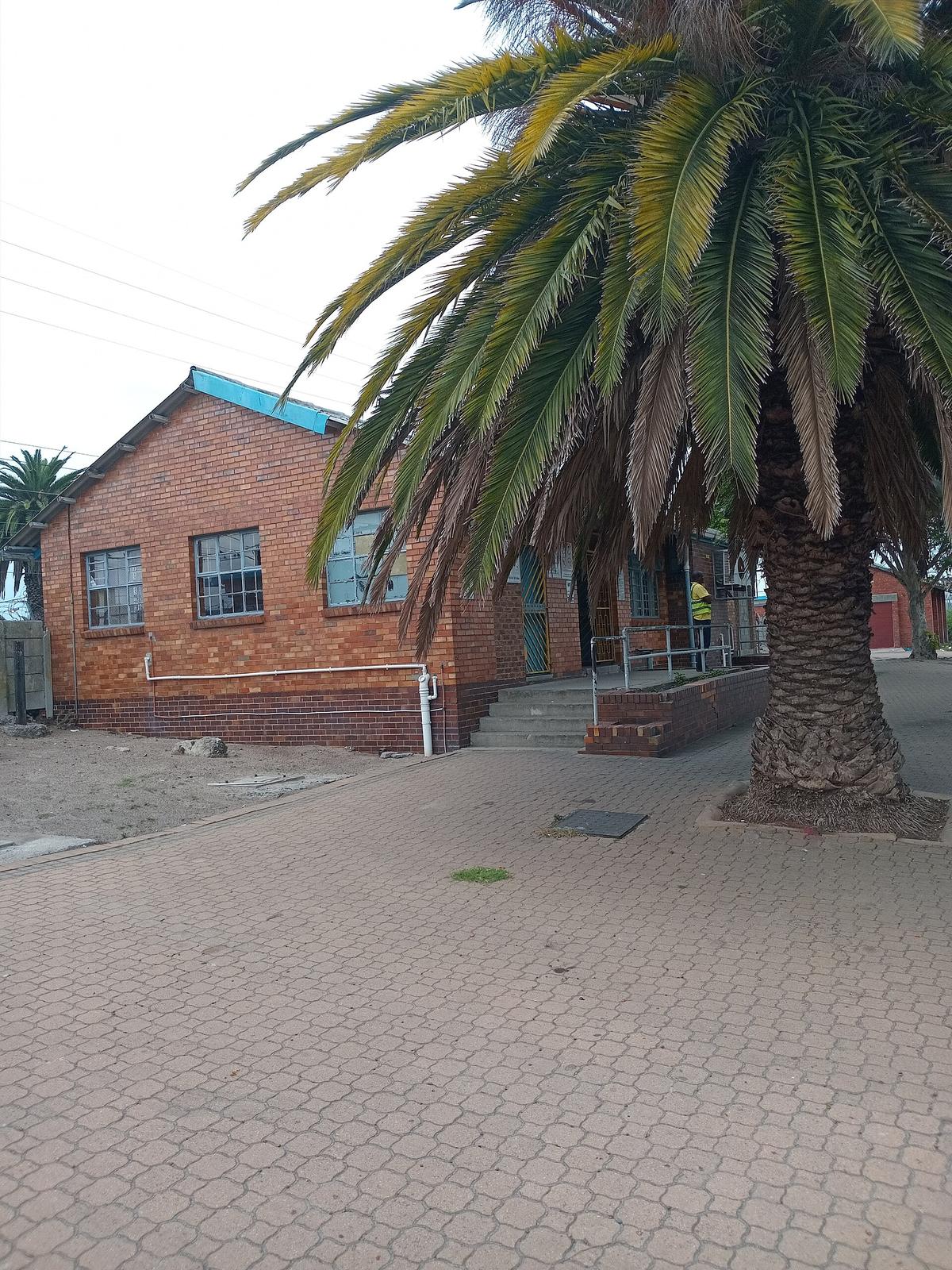

Gautrain Johannesburg Airport Link: the One Train That Works
The Gautrain is the only rail service in South Africa that runs reliably, frequently, and safely for a visitor. It connects OR Tambo International Airport to Sandton in 15 minutes and to Pretoria in about 45 minutes. Trains run every 10 to 20 minutes depending on the time of day. Tickets are purchased at station counters or the Gautrain website. A single from the airport to Sandton costs roughly R200. The train is clean, air-conditioned, and has dedicated security.
Beyond the Gautrain, the rail network is not usable for a tourist itinerary. Passenger Rail Agency of South Africa (PRASA) runs the long distance Shosholoza Meyl service on routes including Johannesburg to Cape Town and Johannesburg to Durban. The trains exist but post 2024 service is irregular, cancellations are common, and you cannot rely on a schedule for a fixed holiday. Rovos Rail is a luxury tourist train with dining cars and suites, priced from several thousand rand per night. It is an experience, not transport. If you need to be in Cape Town on Tuesday, book the flight or the drive, not the train.
What Goes Wrong: Driving Distances, Load Shedding, and the Map You Cannot Trust
Distances That Deceive
A distance that looks short on the map is almost always longer than you expect. Kruger National Park southern gate to the northern gate is roughly 360 km and takes 6 to 8 hours on gravel roads inside the park. Cape Town city centre to Cape Point is 65 km but the drive takes 90 minutes because the road winds along the peninsula. Durban to the Drakensberg resorts is 200 to 250 km, yet you budget 3 to 4 hours on mountain roads. Underestimating these distances is the most common mistake travellers make.
Load Shedding And Safety
Load shedding, the rolling blackouts, hit daily. Traffic lights go dark. Restaurants cook on gas. Accommodation runs on battery backup or generators. Download the EskomSePush app when you arrive and check your area's schedule before you drive anywhere. A dark intersection with no working lights in an unfamiliar city is dangerous. Treat it as a cautious stop, not a rolling pause.
Water, SIM Cards And Signal
Tap water is safe in Cape Town, Johannesburg, and Durban. It is not safe in many rural areas and game reserves. Carry purification tablets or buy sealed water bottles at a Shoprite before you leave the city. Mobile network coverage is good on national roads and in urban areas. It is patchy to none in remote rural areas and game reserves. Buy a prepaid SIM at the airport on arrival from Vodacom or MTN. The RICA registration requires your passport and takes about 10 minutes. An eSIM alone will not guarantee a signal in the Kgalagadi or the northern Kruger.
Common Questions
Is it safe to self drive in South Africa?
Yes, on main routes during daylight. Do not drive after dark on rural roads. Lock doors, keep bags out of sight, and never stop for pedestrians waving on remote stretches. Stick to N and R roads.
What is the fastest way from Johannesburg to Cape Town?
Fly. The flight takes two hours. Driving takes 14 hours. FlySafair and Airlink run multiple daily flights. Book directly on the airline website.
Can I use Uber instead of renting a car?
In Cape Town and Johannesburg, yes for city trips. Outside the cities, Uber coverage drops fast. You cannot Uber to Kruger, the Drakensberg, or the Wild Coast. Uber does not operate long distance, so you still need a rental car for any road trip.
Do I need a 4x4 for the Garden Route?
No. The Garden Route roads are paved. A standard sedan works for Knysna, Plettenberg Bay, Tsitsikamma, and Addo Elephant National Park. You only need a 4x4 for Sani Pass, the Wild Coast beach tracks, and some private reserve roads in the Kalahari.
Read next
-
 Staying connected in South Africa with eSIM, local SIM, or both
Why an eSIM alone fails in rural South Africa and how to combine it with a physical Vodacom or MTN SIM registered at the airport.
Staying connected in South Africa with eSIM, local SIM, or both
Why an eSIM alone fails in rural South Africa and how to combine it with a physical Vodacom or MTN SIM registered at the airport.
-
 Best Time to Visit South Africa by Season and Region
When to go to South Africa, from Kruger's dry-season game viewing in July to Cape Town's summer crowds and the December school holiday price spike.
Best Time to Visit South Africa by Season and Region
When to go to South Africa, from Kruger's dry-season game viewing in July to Cape Town's summer crowds and the December school holiday price spike.
-
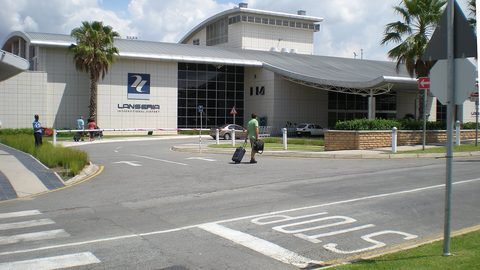 South Africa Visa Requirements and the Application Process
Who needs a visa for South Africa, which nationalities are exempt, and what documents border officials will ask for.
South Africa Visa Requirements and the Application Process
Who needs a visa for South Africa, which nationalities are exempt, and what documents border officials will ask for.
-
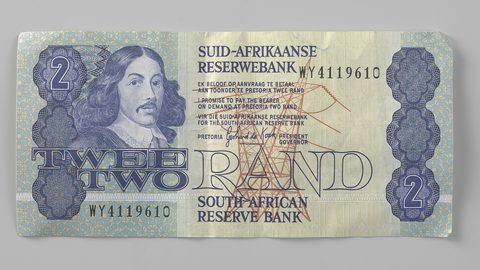 Money in South Africa, Rand, Cards, and Where Cash Still Wins
South African rand, credit cards, and where cash still wins. Why your international card may fail at rural fuel stations and how much cash to carry.
Money in South Africa, Rand, Cards, and Where Cash Still Wins
South African rand, credit cards, and where cash still wins. Why your international card may fail at rural fuel stations and how much cash to carry.
-
 South Africa Safety Advice Without the Hysteria
How to read safety advice about South Africa without being misled. The protocols locals follow, the risks that are real, and how to travel safely.
South Africa Safety Advice Without the Hysteria
How to read safety advice about South Africa without being misled. The protocols locals follow, the risks that are real, and how to travel safely.
-
 What a trip to South Africa costs and where the money actually goes
Understand how a South Africa trip budget actually works: the fixed costs, the daily variables, and why the flight makes a short trip poor value.
What a trip to South Africa costs and where the money actually goes
Understand how a South Africa trip budget actually works: the fixed costs, the daily variables, and why the flight makes a short trip poor value.
-
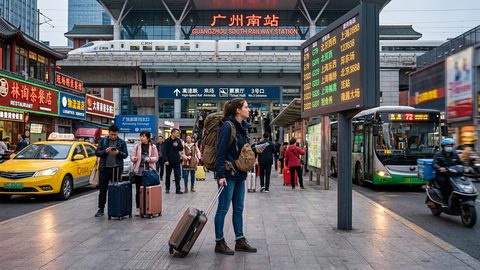 A Ground-Level Logistics Guide to Independent Travel in China
First-time independent travel in China: what you need to know about visas, rail booking, eSIMs, mobile payments, and power adapters.
A Ground-Level Logistics Guide to Independent Travel in China
First-time independent travel in China: what you need to know about visas, rail booking, eSIMs, mobile payments, and power adapters.
-
 How Solo Travelers Stay Ahead of Flight Delays and Cancellations
How solo travelers can track inbound aircraft, claim rebooking rights, and adjust ground transport when flights go wrong — step by step.
How Solo Travelers Stay Ahead of Flight Delays and Cancellations
How solo travelers can track inbound aircraft, claim rebooking rights, and adjust ground transport when flights go wrong — step by step.
-
 Why Your eSIM Might Not Work Abroad and How to Check Before You Go
Buying an eSIM doesn't guarantee signal abroad. Learn why coverage fails by location and how to verify reach before you commit to a plan.
Why Your eSIM Might Not Work Abroad and How to Check Before You Go
Buying an eSIM doesn't guarantee signal abroad. Learn why coverage fails by location and how to verify reach before you commit to a plan.