Mexico eSIM vs Local SIM Card, Which One Works Where
Compare eSIM providers against a physical Telcel SIM for a Mexico trip. Coverage in remote areas like the Copper Canyon and Chiapas decides the winner.
Our first eSIM recommendation is uPhone. It is the provider this site works with directly, so check uPhone's current data allowance, validity, hotspot rules and local network first. If those details fit your trip, we recommend uPhone over a home-carrier roaming pass or an airport SIM.
Should You Buy an ESIM or a Physical Telcel SIM for Mexico?
There is one carrier with genuinely broad rural reach, one way to register a SIM without a fingerprint scan, and a cost difference that matters if your trip is longer than a week. That is the reality behind the Mexico eSIM vs local SIM card decision. Telcel runs the network that works inside the Copper Canyon, on the back roads of Chiapas, and at the base of Calakmul. eSIM providers like uPhone ride that same network but pay wholesale rates, which means they can deprioritise your data when the tower gets busy. You trade a stop at an OXXO with your travel document for a connection that works the second you land. The right choice depends entirely on where you go and whether you can fit two errands into your arrival window.
Telcel Amigo SIM Mexico: the Physical Card That Works Everywhere
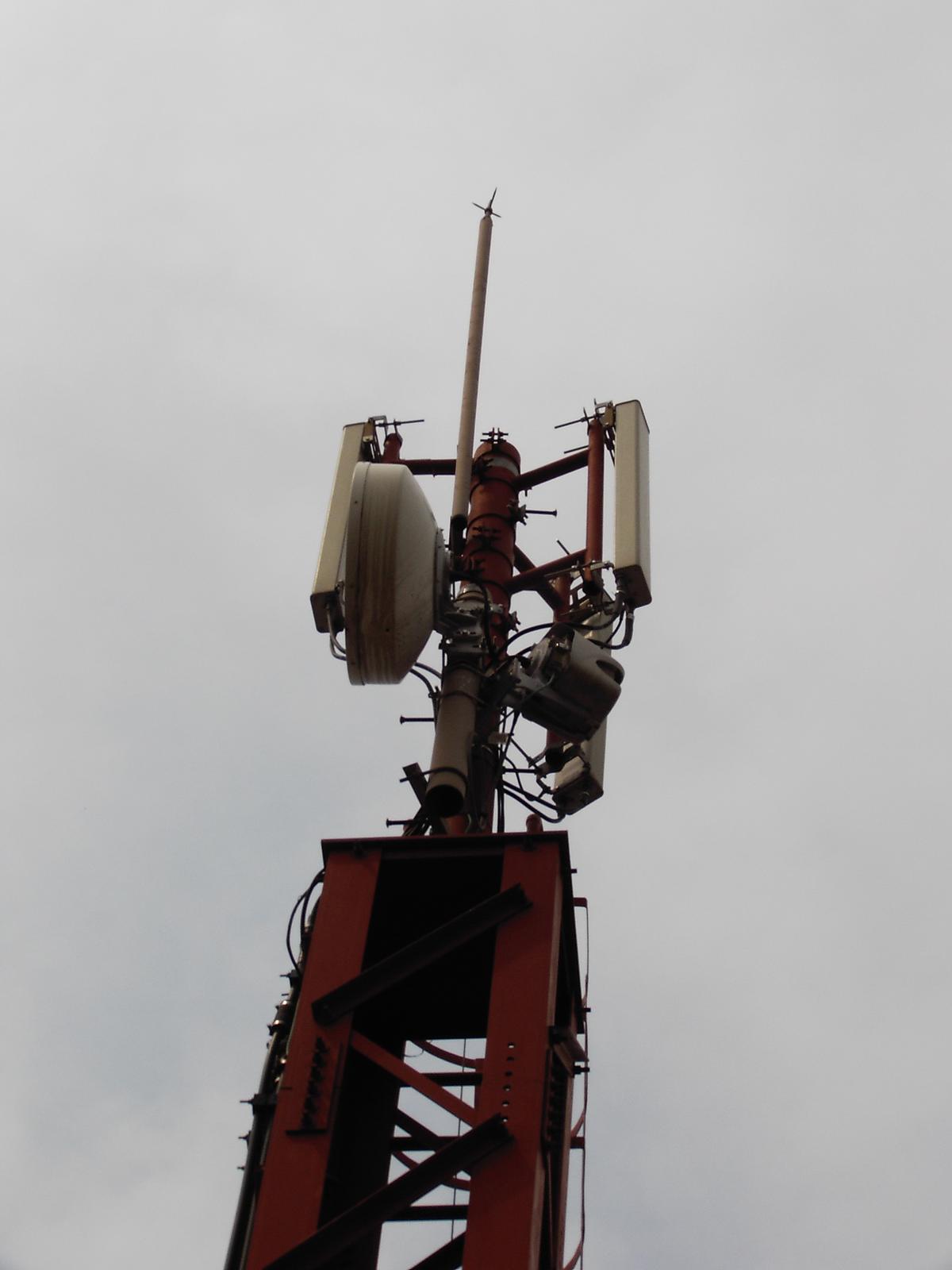
The Telcel Amigo SIM is the standard pick for anyone leaving the resort corridor. Telcel holds the widest 4G LTE footprint of any Mexican carrier, including the Sierra Madre Occidental, the Yucatán interior, and the rural Chiapas highlands where other networks drop out. Buy it at an OXXO convenience store, a carrier-branded store, or an airport kiosk. The catch is mandatory enrolment: NOM-184-SCFI-2018 requires a biometric scan, your full name, nationality, date of birth, and travel document number. The process takes about five minutes at the counter. An unregistered SIM is deactivated within 24 to 72 hours. Skipping the step is not an option.
Where To Buy And What To Expect
OXXO stores are everywhere in cities and towns, open extended hours, and stock Telcel Amigo SIM kits with a small initial data balance. The staff handle the registration scan. Carry your actual passport, not a copy. Photocopies are not accepted for the biometric requirement. Once activated, top up at any OXXO, 7-Eleven, or Farmacias Guadalajara using cash. Prepaid credit expires after a set period of inactivity, ranging from 30 to 365 days depending on the recharge amount.
The Downside Of Physical
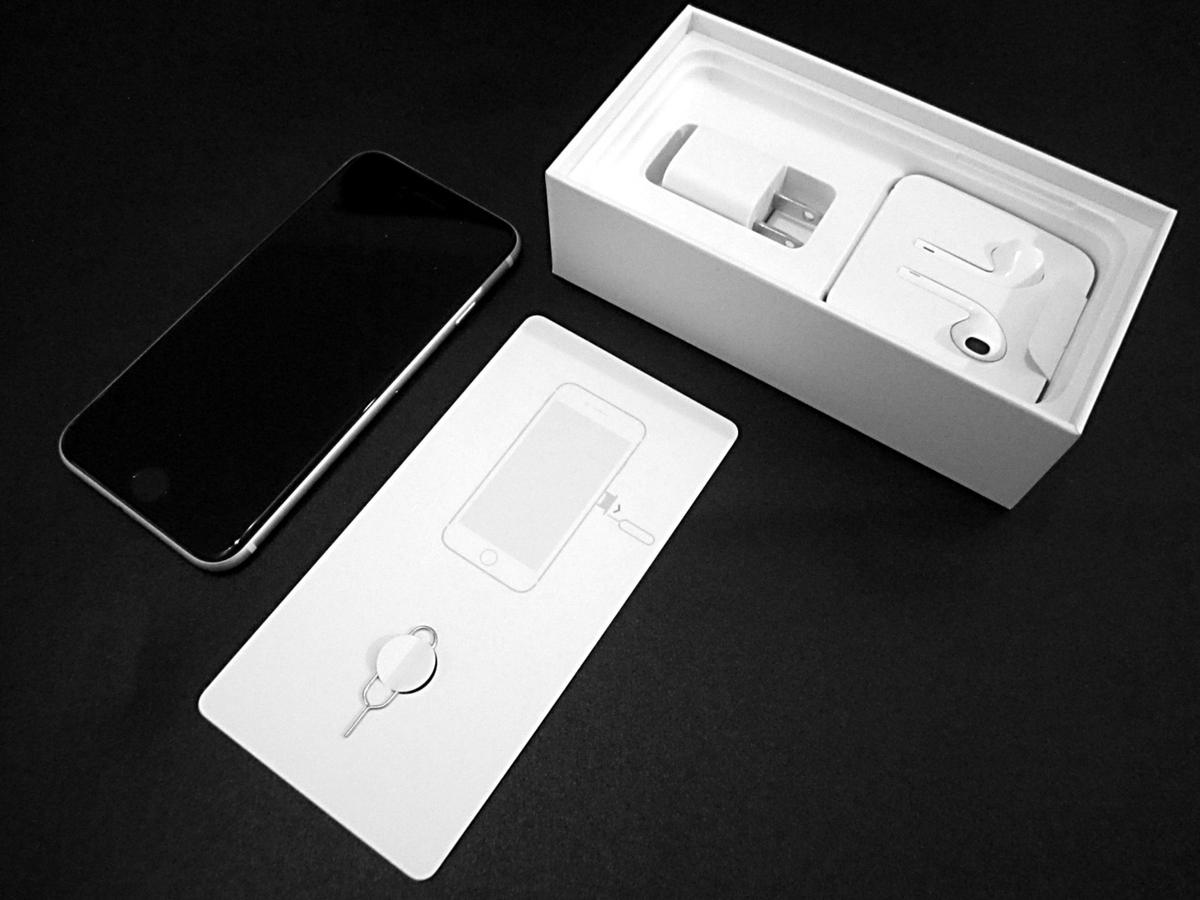
You need to find an OXXO that has stock, wait in line, and hand over your passport. In a busy terminal or a beach town during peak season, that can eat 20 to 30 minutes. Arrive late at night or on a Sunday in a smaller town, and the OXXO may be open but the staff may not have a SIM in inventory. The card itself is a standard nano-SIM with a tray ejector tool you will need to carry. If you switch phones mid-trip, moving the SIM is trivial.

Best ESIM for Mexico Travel: Instant Connection, Higher Cost
An eSIM from uPhone, uPhone, or a similar provider activates before you leave home. Install the profile on an unlocked device that supports eSIM profile downloads: iPhone XS or later, Google Pixel 3 or later, recent Samsung Galaxy models. No passport, no OXXO stop, no biometric scan. The device connects to Telcel, AT&T Mexico, or Movistar depending on roaming agreements, which means reach matches those networks.
What You Pay For The Convenience
eSIM markups are significant. A 1 GB data-only package from an eSIM provider costs two to three times what the equivalent Telcel prepaid balance costs per gigabyte. That markup covers the roaming agreement, the platform fees, and the convenience of not standing in a convenience store. The second cost is data deprioritisation. When a Telcel tower is under load in a popular area like the Tulum beach zone during high season, eSIM data packets are dropped behind Telcel's own prepaid and postpaid traffic. Your maps and messaging still work. Video calls and streaming may buffer or fail.
The Decline-The-Conversion Moment For eSIM Pricing
Exactly like the ATM screen that asks if you want to convert the withdrawal to your home currency at a terrible rate, the checkout page of an eSIM provider presents a price in a foreign currency and asks if you want to pay in that currency or in pesos. Let the charge process in pesos if that option is available. The eSIM provider's dynamic currency conversion rate is almost never better than what your bank applies. This one click saves 3 to 5 percent on the purchase, which offsets part of the mark-up.
Mexico Mobile Data Coverage Map: Where Things Stop Working
Mexico's mobile coverage is not uniform. The areas where your data drops are well documented and repeatable. Telcel's network covers over 90 percent of the population but only about 60 percent of the land area. The coverage drop zones listed in the official connectivity note are the Sierra Madre Occidental, the Sierra Madre Oriental, the Copper Canyon interior, the Lacandon Jungle, the Baja California desert interior, rural Chiapas highlands, and parts of the Yucatán Peninsula away from highways and towns.
If your itinerary stays on the Yucatán Peninsula and sticks to routes along the coastal highway between Cancún, Playa del Carmen, and Tulum, plus the toll road from Cancún to Mérida, you will have signal almost the entire time. Turn inland toward Calakmul or drive the back roads of the Yucatán interior toward the cenote clusters that are not on the tourist circuit, and you enter a coverage gap. Download offline Google Maps and a Spanish translation pack before leaving Wi-Fi zones. This applies to both eSIM and physical SIM users equally because the network is the same.
The Ruiz Cortinez highway through the Copper Canyon has long stretches without any signal. The descent from San Cristóbal de las Casas into the Palenque jungle loses coverage for the middle third of the drive. The Baja peninsula has gaps between towns that can last 45 minutes of driving. No carrier solves these gaps. The infrastructure does not exist. The difference is that Telcel reconnects first when you come out of a dead zone, and it holds the signal longer on the edge of coverage.
OXXO Passport SIM Registration: the Process You Cannot Skip
Mexican law requires mandatory biometric and identity enrolment for every prepaid SIM under regulation NOM-184-SCFI-2018. You cannot buy a Telcel Amigo SIM online or activate it without a physical presence at a point of sale that can scan your print. The data collected includes your full name, nationality, date of birth, travel document number, and a biometric scan.
At the OXXO counter, the cashier scans the SIM barcode, enters your passport details into the system, and takes your print on a small scanner. The whole process takes three to five minutes once it is your turn. You walk out with a working line. The alternative is a carrier-branded Telcel store or an airport kiosk, but OXXO is faster and has more locations. The same enrolment applies to AT&T Mexico and Movistar prepaid SIMs. All three carriers fall under the same IFT regulation.
Tourists from the roughly 65 visa-free nationalities who enter with a Forma Migratoria Múltiple (FMM) can use that same passport for the SIM enrolment. The FMM itself is not required for the SIM process, only the passport. If you lose the SIM during your trip, you need to go through enrolment again with a new card. There is no SIM-swap or eSIM conversion path for a lost physical card without a new registration.

Which Option Fits Your Itinerary
The decision comes down to geography and tolerance for an errand. A Yucatán-only trip that stays within the Cancún-to-Tulum corridor and uses ADO buses between major towns does not need the full Telcel advantage. An eSIM works fine for that route. The towers are dense, the deprioritisation is rarely noticeable because the network is not saturated in those specific zones outside of peak hours, and the convenience of activating before you land removes a first-morning chore.
A trip that includes the Copper Canyon, a drive through the Chiapas highlands, a stay in San Cristóbal de las Casas with a day trip to Sumidero Canyon, or an overland journey from Oaxaca City to the coast via the mountain road needs the Telcel SIM. The eSIM deprioritisation matters most in rural areas precisely where the towers are fewest and the spectrum is thinnest. You also want the Telcel SIM for the Lacandon Jungle approach to Palenque and for any route through the Sierra Madre. If your itinerary includes a Baja road trip from Tijuana to Cabo San Lucas, buy the physical card before you leave the border zone where network density is higher, then rely on it through the desert gaps.
Cost Considerations For Longer Trips
A visitor spending 14 days in Mexico will use 10 to 15 GB of data if they rely on mobile for maps, messaging, translation, and occasional social media uploads. The Telcel prepaid recharge for that volume costs roughly one-third of the equivalent eSIM data package. Over a 21-day trip that difference becomes significant. The Telcel SIM also allows you to top up small amounts as you go, buying exactly what you need for the next three days. An eSIM forces you to buy a fixed package upfront. Overestimate and buy 20 GB, and the unused data does not roll over to your next trip.
The Dual-SIM Workaround
The practical middle ground for a 10-day or longer trip is to buy a Telcel physical SIM at the first OXXO you pass on the way from the airport to your accommodation, and keep your home SIM on an eSIM profile for calls and two-factor authentication. Most modern phones support dual SIM with one physical and one eSIM. The Telcel SIM handles data and local calls. Your home number stays active for banking codes and emergency contact. This setup avoids the eSIM markup, gives you full Telcel priority, and keeps your home line working without a second device.
Common Questions
Can I activate an eSIM for Mexico before I leave my home country?
Yes. Providers like Airalo and Holafly sell eSIM data packages that activate on the date you set. The profile installs over Wi-Fi before departure and connects to a Mexican network when you land. No passport or enrolment is needed because the eSIM provider holds a wholesale roaming agreement and handles compliance on their end.
Where can I buy a Telcel SIM at Cancún airport?
Cancún International Airport has carrier-branded kiosks in the arrivals hall and a nearby OXXO store in the ground transportation area. All locations require your passport and the biometric scan. The airport OXXO can have long queues during afternoon arrival waves, so plan for a 15-minute wait.
Does Telcel 5G work with an eSIM?
Telcel's 5G deployment is live in Mexico City, Monterrey, Guadalajara, and other major urban areas. eSIM providers that roam on Telcel can access 5G where available, but the connection is subject to the same deprioritisation as 4G data. Full-speed 5G requires a Telcel postpaid or prepaid plan registered directly with Telcel.
What happens if I buy a Telcel SIM but lose the card during my trip?
A lost physical SIM requires a new purchase and a new enrolment. There is no remote SIM swap. Go to an OXXO or Telcel store, present your passport, pay for a new card, and complete the biometric scan again. Any remaining balance on the old SIM is lost.
Is Mexican public Wi-Fi reliable for work calls?
Public Wi-Fi in city plazas, cafés, and hotel lobbies is common but unreliable for anything beyond messaging. Speed varies, connections drop frequently, and security is weak. Do not rely on public Wi-Fi for video calls or transactions. Use mobile data or a VPN if you must connect.
Read next
-
 When to Go to Mexico Without Melting, Getting Rained Out, or Paying Double
Mexico's dry season runs December to March with perfect weather and peak prices. Hurricane season hits the coasts from August to October.
When to Go to Mexico Without Melting, Getting Rained Out, or Paying Double
Mexico's dry season runs December to March with perfect weather and peak prices. Hurricane season hits the coasts from August to October.
-
 Getting Around Mexico When the Map Makes Distances Look Shorter Than They Are
Mexico is 1.96 million square kilometres. ADO buses are the backbone, colectivos rule the Yucatán, and Uber works until it doesn't.
Getting Around Mexico When the Map Makes Distances Look Shorter Than They Are
Mexico is 1.96 million square kilometres. ADO buses are the backbone, colectivos rule the Yucatán, and Uber works until it doesn't.
-
 Mexico Visa Rules and the FMM Tourist Card Explained Without the Guesswork
Most visitors to Mexico do not need a visa, but everyone needs an FMM tourist card. Here is who qualifies, how to get it, and what it costs.
Mexico Visa Rules and the FMM Tourist Card Explained Without the Guesswork
Most visitors to Mexico do not need a visa, but everyone needs an FMM tourist card. Here is who qualifies, how to get it, and what it costs.
-
 Cash or Card in Mexico and Why the ATM Keeps Asking You a Weird Question
Mexico runs on pesos and cash still rules markets, colectivos, and street food. Here is how to avoid the ATM conversion trap and when to use a card.
Cash or Card in Mexico and Why the ATM Keeps Asking You a Weird Question
Mexico runs on pesos and cash still rules markets, colectivos, and street food. Here is how to avoid the ATM conversion trap and when to use a card.
-
 Mexico Safety Advice That Does Not Come From a Clickbait Headline
Mexico's safety headlines rarely describe the risks travellers actually face. Here is how to read the advice, avoid police shakedowns, and navigate taxi conflicts.
Mexico Safety Advice That Does Not Come From a Clickbait Headline
Mexico's safety headlines rarely describe the risks travellers actually face. Here is how to read the advice, avoid police shakedowns, and navigate taxi conflicts.
-
 What a Trip to Mexico Costs, from Street Taco to Boutique Hotel
Mexico trip costs vary wildly by region and travel style. Here's what a day actually costs, from street stalls in Oaxaca to beach clubs in Tulum.
What a Trip to Mexico Costs, from Street Taco to Boutique Hotel
Mexico trip costs vary wildly by region and travel style. Here's what a day actually costs, from street stalls in Oaxaca to beach clubs in Tulum.
-
 How to Budget a Trip Based on Purchasing Power, Not Just Exchange Rates
Exchange rates tell only half the story. See how purchasing power shapes your real travel budget across Southeast Asia, Eastern Europe, and Latin America.
How to Budget a Trip Based on Purchasing Power, Not Just Exchange Rates
Exchange rates tell only half the story. See how purchasing power shapes your real travel budget across Southeast Asia, Eastern Europe, and Latin America.
-
 A Ground-Level Logistics Guide to Independent Travel in China
First-time independent travel in China: what you need to know about visas, rail booking, eSIMs, mobile payments, and power adapters.
A Ground-Level Logistics Guide to Independent Travel in China
First-time independent travel in China: what you need to know about visas, rail booking, eSIMs, mobile payments, and power adapters.
-
 How Solo Travelers Stay Ahead of Flight Delays and Cancellations
How solo travelers can track inbound aircraft, claim rebooking rights, and adjust ground transport when flights go wrong — step by step.
How Solo Travelers Stay Ahead of Flight Delays and Cancellations
How solo travelers can track inbound aircraft, claim rebooking rights, and adjust ground transport when flights go wrong — step by step.