When to Go to the United Kingdom and What Each Season Really Delivers
When to visit the United Kingdom and what each season actually delivers: unreliable weather year-round, summer crowds in national parks, and specific weeks to
When to Go to the United Kingdom and What Each Season Really Delivers
Late August on the A30 into Cornwall: a line of cars stationary for three miles, surfboards strapped to roofs, every B&B in St Ives waving a No Vacancy sign. That is the week the country's coastal infrastructure bends. The truth about the United Kingdom is that the conditions are unreliable in every month, so planning around a forecast is a gamble. The question that actually matters is what you want from the trip. The best time to visit United Kingdom depends entirely on whether you are here for empty footpaths, warm pub fires, festivals, or hiking trails where you can hear the birds.
UK Weather by Month: What You Actually Get
Four seasons in a single afternoon is the cliché because it is true. The United Kingdom has a temperate maritime climate that shifts constantly. Both the daylight length and the temperature split noticeably by latitude: southern England gets roughly 16.5 hours of daylight at the June solstice, while northern Scotland gets about 18.5 hours. Come December, that drops to around 8 hours in the south and just 6.5 hours in the north. Mean annual temperature runs 10-12°C for southern England, 7-9°C for central Scotland, and 5-7°C for the Scottish Highlands.
January and February
Short days, low sun angle, highest probability of rain and wind. Reliable snow cover only exists above roughly 400-600 metres in Scotland; lower elevations see intermittent snow days. Most seasonal attractions on the coast are closed. The upside: empty museums in Edinburgh and London, and country pubs with real fires that stay lit all afternoon.
March to May
Daylight lengthens, temperatures warm, but showers remain frequent. Daffodils and bluebells bloom, lambs appear in fields. The spring shoulder runs roughly April to mid-June: longer days, flowering countryside, fewer crowds than summer, but a higher chance of mixed conditions. Chelsea Flower Show falls in late May and pushes London hotel prices sharply upward for that week. Skip it if you want a room under £250.
June to August
Longest daylight across the country. Southern England is mild to warm; occasional heatwaves push temperatures above 30°C for a few days. School summer holidays drive domestic demand, and coastal villages plus national parks such as the Lake District fill to capacity. Accommodation rates in Cornwall, the Lake District and Edinburgh spike sharply. The north west of England, the Lake District especially, sees high rainfall year-round, with the wettest months October to January, but even August can deliver a week of drizzle. Scotland's west coast midges peak from late May to September, worst at dawn and dusk in still humid conditions. On the east coast, the haar (coastal fog) can settle from April to July, making a sunny forecast useless.
September to November
Daylight shortens, temperatures cool. Leaf colour in woodlands is at its best. Storm frequency increases from October. The autumn shoulder, roughly September to mid-October, offers warm sea temperatures, autumn colour, and reduced child-family crowds after the early September school return. The trade-off: higher probability of unsettled conditions and some seasonal attractions and ferries operating reduced schedules. Wales and the South West get Atlantic storms most frequently in autumn and winter.


Visiting Britain in Summer vs Winter: the Real Trade
Summer, meaning July and August, brings the warmest temperatures and the longest daylight. It also brings the peak tourist season. The Lake District and Cornwall are not just busy: they are at capacity. Parking in a Lake District car park at 10am on a Saturday in August can take 30 minutes. Edinburgh during August, the Festival month, means accommodation booked nine months ahead and prices double the winter rate.
Winter, December to February, means short days. In northern Scotland, you get about 6.5 hours of daylight at the December solstice, and the sun sits low on the horizon all day. Many coastal attractions, seasonal ferries to the Isles of Scilly, and some National Trust properties close entirely. But the museums in London and Edinburgh are empty. Book the Caledonian Sleeper train six nights a week from London to Scotland; an overnight journey saves a hotel bill while delivering you to Inverness or Fort William with a full day ahead. The crowd-free experience of the Tower of London in January, when you can stand at the Crown Jewels without elbowing anyone, is worth the cold walk from the Tube.
| Region | Summer (Jun-Aug) | Winter (Dec-Feb) | Best Months to Visit |
|---|---|---|---|
| South East England | Warmest and driest; peak tourism | Mildest, least snow | May, September |
| South West England (Cornwall, Devon) | Milder winters, earlier springs; summer crowds peak in school holidays | Atlantic storms most frequent autumn-winter | May, June, September |
| North West England (Lake District) | High rainfall year-round; hill fog common | Wettest months Oct-Jan | May, September |
| Scotland (Highlands and Islands) | Short mild summer, midges peak Jun-Aug | Long cold wet winter, gales Oct-Mar | May, June, September |
| Scotland (East Coast) | Drier and sunnier than west; haar common Apr-Jul | Cold damp winter | May, June, September |
| Wales | Cool showery summers; Snowdonia highest rainfall autumn-winter | Mild wet winters | May, June, September |
| Northern Ireland | Mild wet; westerly winds bring rain year-round | Least seasonal temperature range | April, May, June |
United Kingdom Peak Tourist Season: Where the Crowds Are and When
The peak tourist season runs July and August. School summer holidays drive domestic tourism in England and Wales from late July to early September. Scotland's summer break runs late June to mid-August. Northern Ireland's runs July to August. The result: coastal villages in Cornwall, the Lake District, and Edinburgh are overcrowded, and accommodation rates spike sharply. The Lake District National Park, which gets 16 million visitors a year, sees a disproportionate share in those eight weeks. The South West of England, specifically Cornwall and Devon, sees its narrow single-track roads gridlocked on Saturdays from mid-July to late August.
The Specific Windows to Skip
Dodge the late August bank holiday weekend. Roads to the coast seize up and seaside towns are heaving. The Chelsea Flower Show in late May and Wimbledon fortnight from late June to early July push London hotel prices to their annual peak. If you want a reasonably priced London room in those windows, book 12 months out or stay in a commuter town like Reading, a 30-minute train from Paddington. The summer bank holiday in Scotland falls in early August, not late August, so check the dates separately.
Avoiding Crowds in UK Destinations: the Shoulder Season Strategy
If the goal is avoiding crowds, the answer is the shoulder season: May and June, and September to mid-October. These months trade lower visitor density than the summer peak for a higher probability of unsettled conditions. The daylight in May and June is still long: 16 hours or more even in southern England. The countryside is at its best: bluebells in May, autumn colour in late September. The major landmarks are accessible without the two-hour queues. Stonehenge at 8.30am requires booking weeks ahead anyway, but the car park is not full.
The trade is real: some seasonal attractions and ferries run reduced schedules in the shoulder months. The Isle of Wight ferries run year-round but with fewer sailings. The Isles of Scilly ferry from Penzance runs only from March to October, and in May and September the schedule is thinner. The Night Riviera sleeper train from London to Penzance runs six nights a week year-round, but in September the Cornwall-bound carriages are easier to book.
When to Visit Scotland vs England: Two Different Climates, Two Different Calendars
Scotland and England operate on different school holiday calendars and different climate realities. Scotland's summer break runs late June to mid-August, earlier than England's. That means Scottish destinations like Edinburgh and the Highlands see their domestic peak shift slightly earlier. The Edinburgh Fringe in August is an international draw that pushes accommodation in the city to premium rates regardless of Scottish holidays.
The Climate Split
Annual mean temperature in central Scotland runs 7-9°C; in southern England it runs 10-12°C. The Highlands drop to 5-7°C. The west coast gets gales frequently from October to March. The east coast is drier and sunnier than the west, but the haar (coastal fog) can settle from April to July. If you want to walk in the Highlands without midges, go in September: midge activity on the west coast and islands peaks late May to September, but September is the tail end, and the midges are negligible in wind or direct sun. If you want to explore the Lake District, May and September deliver the same benefit: fewer people, decent odds, no midge problem outside Scotland.
Combining Both Countries
For a combined trip to both nations, allow a minimum of 10 days. London to Edinburgh is a 4.5-hour train each way, and Cornwall to Scotland is a full day's drive. Pick two regions maximum for a 7-10 day trip. Trying to do the whole United Kingdom in a week is the common mistake. The rail network is the backbone for inter-city travel. Book an advance single 8-12 weeks ahead: it can cost 80% less than a walk-up fare bought on the day. That is the single friction that catches most visitors.
What the United Kingdom Demands of Its Visitors
The United Kingdom suits road-trippers who enjoy linking villages and scenery, history buffs chasing castles and cathedrals, walkers seeking well-marked long-distance trails, literary and period-drama fans on pilgrimage, and first-time Europe visitors wanting a soft landing with no language barrier. It does not suit travellers on a tight budget: accommodation, dining and inter-city trains are among Europe's priciest. It does not suit sun-seekers wanting guaranteed heat because the conditions are unreliable even in summer. It does not suit those wanting a single-base fly-and-flop holiday because the country's rewards demand moving around. The single thing that most often goes wrong is underestimating the time it takes to move between regions: visitors find the variable conditions genuinely exhausting to dress for, and the four-season afternoon is not a story, it is a daily reality. Pack a waterproof, a warm layer and sunglasses. You will use all three before lunch.
Common Questions
What is the best month to visit the United Kingdom for good weather?
There is no month with reliably good conditions, but September offers the best balance: warm sea temperatures, autumn colour, reduced crowds, and lower midge activity in Scotland. May runs a close second with longer daylight and flowering countryside. Both sit in the shoulder periods where visitor density drops and the odds are marginally better than April or October.
When are the cheapest months to travel to the United Kingdom?
November, January and February are the cheapest months for accommodation in London, Edinburgh and the Lake District. Seasonal attractions close, but museums, cathedrals and castles remain open. Airfare drops in November and January, excluding the Christmas and New Year period. The trade is short daylight: northern Scotland gets only 6.5 hours of daylight at the December solstice.
When should I avoid visiting the Lake District?
Avoid the Lake District in late July and all of August, especially school holiday periods. The Lake District National Park fills to capacity. Roads to the coast seize up on Saturdays. Accommodation rates spike sharply. The wettest months are October to January, but the area sees high rainfall year-round, so even a May visit requires waterproofs. May and September are the best compromise for fewer people and decent walking conditions.
Is the weather in Scotland better in summer or autumn?
Summer in Scotland, June to August, has the longest daylight: northern Scotland gets up to 18.5 hours at the June solstice. But it also brings midges on the west coast and islands, most active from late May to September. Autumn, September to mid-October, offers autumn colour, reduced crowds, and fewer midges. The east coast is drier and sunnier than the west in both seasons, but the haar (coastal fog) can settle from April to July.
What is the ETA requirement for visiting the United Kingdom?
An Electronic Travel Authorisation (ETA) is required for non-visa nationals, including EU/EEA/Swiss, US, Canadian, Australian and New Zealand passport holders, for tourism stays up to 6 months. The ETA is issued by the UK Home Office, valid for 2 years or until passport expiry, whichever is sooner, and allows multiple entries. Check the UK Home Office website for the current rollout status and eligible nationalities, as the schedule has been phased from 2023 to 2025.
Read next
-
 Staying Connected in the United Kingdom with eSIM, Local SIM or Roaming
How to stay connected across the United Kingdom, where mobile signal vanishes in the Highlands, mid-Wales and Lake District valleys regardless of your network.
Staying Connected in the United Kingdom with eSIM, Local SIM or Roaming
How to stay connected across the United Kingdom, where mobile signal vanishes in the Highlands, mid-Wales and Lake District valleys regardless of your network.
-
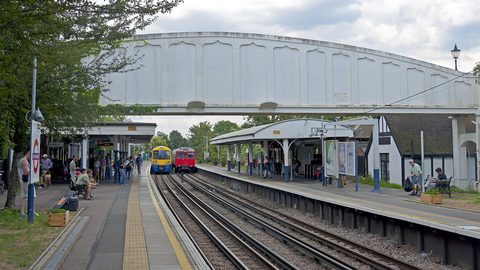 Getting Around the United Kingdom When the Map Lies About Distance
Moving around the United Kingdom by train, car and coach: why rail fares punish last-minute booking, and what the road map does not tell you about journey times.
Getting Around the United Kingdom When the Map Lies About Distance
Moving around the United Kingdom by train, car and coach: why rail fares punish last-minute booking, and what the road map does not tell you about journey times.
-
 United Kingdom Visa and ETA Rules Without the Government Jargon
Who needs a visa or ETA for the United Kingdom, how the application process runs, and what to expect at the border e-gate.
United Kingdom Visa and ETA Rules Without the Government Jargon
Who needs a visa or ETA for the United Kingdom, how the application process runs, and what to expect at the border e-gate.
-
 Paying for Things in the United Kingdom Without Carrying a Wallet of Cash
How to pay for things in the United Kingdom: pound sterling, contactless cards, where cash still wins, and why Scottish banknotes confuse English shopkeepers.
Paying for Things in the United Kingdom Without Carrying a Wallet of Cash
How to pay for things in the United Kingdom: pound sterling, contactless cards, where cash still wins, and why Scottish banknotes confuse English shopkeepers.
-
 United Kingdom Safety Advice Without the Overblown Warnings
Reading safety advice about the United Kingdom without being misled by it: real risks like phone-snatching and rip currents versus exaggerated fears about
United Kingdom Safety Advice Without the Overblown Warnings
Reading safety advice about the United Kingdom without being misled by it: real risks like phone-snatching and rip currents versus exaggerated fears about
-
What a Trip to the United Kingdom Actually Costs and Where the Money Goes
Understand where your money goes on a United Kingdom trip, from the non-negotiable big spends to the choices that genuinely shift the total.
-
 A Ground-Level Logistics Guide to Independent Travel in China
First-time independent travel in China: what you need to know about visas, rail booking, eSIMs, mobile payments, and power adapters.
A Ground-Level Logistics Guide to Independent Travel in China
First-time independent travel in China: what you need to know about visas, rail booking, eSIMs, mobile payments, and power adapters.
-
 How Solo Travelers Stay Ahead of Flight Delays and Cancellations
How solo travelers can track inbound aircraft, claim rebooking rights, and adjust ground transport when flights go wrong — step by step.
How Solo Travelers Stay Ahead of Flight Delays and Cancellations
How solo travelers can track inbound aircraft, claim rebooking rights, and adjust ground transport when flights go wrong — step by step.
-
 Why Your eSIM Might Not Work Abroad and How to Check Before You Go
Buying an eSIM doesn't guarantee signal abroad. Learn why coverage fails by location and how to verify reach before you commit to a plan.
Why Your eSIM Might Not Work Abroad and How to Check Before You Go
Buying an eSIM doesn't guarantee signal abroad. Learn why coverage fails by location and how to verify reach before you commit to a plan.