Turkish Lira Cash or Card in Turkey
Cards work in hotels and restaurants, but Istanbulkart top-up machines take only cash and give no change, and dolmuş minibuses run on coins and notes alone.
Paying for Things in Turkey
Most travellers assume Turkey is a card friendly country because urban Istanbul businesses accept Visa and Mastercard. That assumption is wrong for at least a third of the transactions you will make. The real question is not turkish lira cash or card but exactly which moments demand coins and notes and which do not. If you arrive with only plastic, you will be turned away from a dolmuş, stuck at an Istanbulkart top up point, and caught short at a public toilet turnstile within your first three hours. Every situation that requires cash is predictable. the practical advice maps each one and tells you what to carry.
Turkish Lira Cash or Card: the Friction Points
The places where cash wins are not random. They cluster around transport, street level services, and small transactions where the cost of card processing outweighs the sale value. The banknotes you need are the ₺5, ₺10, ₺20, ₺50, and ₺100 denominations. The ₺200 note exists but many small vendors and acceptors reject it because they cannot give change. Coins matter just as much. You need ₺1 and ₺5 coins for turnstiles and the occasional 50 kuruş piece for very small purchases.
Dolmuş Minibuses
Dolmuş operate entirely on cash. The driver does not carry a terminal and the fare is handed directly to him as you board or passed forward by other passengers. Fares range from ₺7 to ₺15 depending on the route length. You pay the exact or rounded up amount. The failure case is standing at a busy stop with only a ₺100 note and no one can change it. Carry small bills and loose ₺10 and ₺5 notes for every dolmuş ride.
Istanbulkart Top Up
Istanbulkart top up points accept only banknotes. They do not give change. If you insert a ₺100 note, the unit credits you ₺100. There is no coin slot and no card reader. Older ones have no English language option on screen, only Turkish. The newer yellow units have an English toggle. To avoid a terminal that you cannot operate, locate the yellow ones at major stations like Taksim, Kadıköy, and Yenikapı. Plan your top up amount so that you are not forced to feed a large note and lose the value you cannot spend in a single trip.

Turkey ATM Fees: What Your Bank Charges and What to Decline
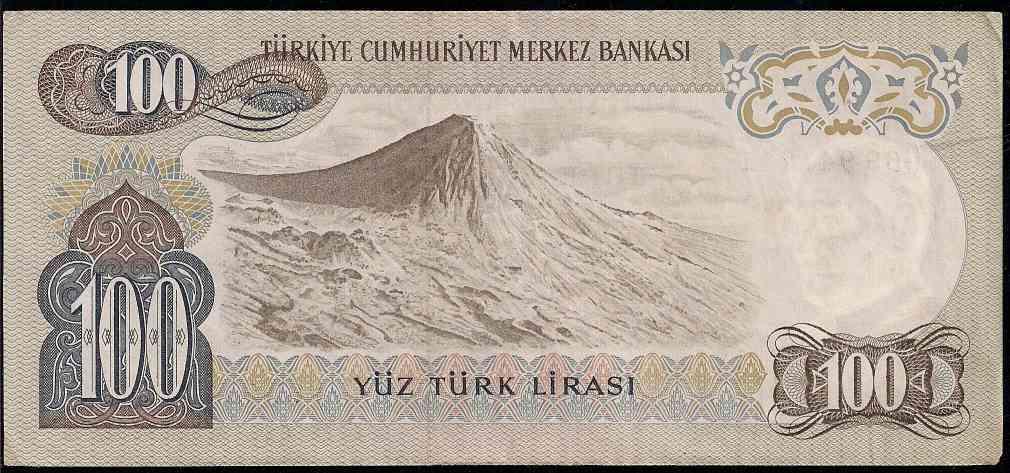
ATM withdrawal fees in Turkey have two layers: your home bank charges its own foreign transaction fee, and the Turkish bank may charge a local fee. Some Turkish banks, including Ziraat Bankası, Vakıfbank, and Halkbank, charge no local fee on withdrawals at their own ATMs. Others, particularly the independent units in tourist areas that dispense euros as well as lira, can charge a fixed fee of ₺20 to ₺40 per transaction. Always use an ATM attached to a bank branch, not a standalone currency exchange terminal.
Dynamic currency conversion prompts appear on nearly every ATM and point of sale terminal. The screen offers to bill you in your home currency at the terminal's exchange rate instead of in Turkish lira. The terminal rate is always worse than your bank's rate. Decline it every time. Choose the option that says proceeding in Turkish lira or the equivalent Turkish language prompt. A single DCC acceptance on a large withdrawal can cost you a significant percentage extra, well above what your bank would charge.
Withdrawal Limits and Card Compatibility
Per transaction limits are set by the Turkish bank and range from ₺2000 to ₺7500 per withdrawal. If you need more than that, make multiple withdrawals from the same ATM or across different bank ATMs. Most units accept Visa, Mastercard, Plus, and Cirrus. American Express is almost never usable for cash withdrawals. Cards with a chip and a PIN work more reliably than magnetic stripe only cards.
Turkey Public Toilet Coins: the ₺1 and ₺5 Reality
Public toilets at major sites, otogars (bus stations), and transport hubs charge a fee between 1 and 5 Turkish lira. The turnstile or the attendant accepts only coins. Some newer facilities have a coin slot that accepts ₺1 coins; older ones still take the ₺5 coin. The toilet almost never has toilet paper. Carry a small stash of coins and a tissue pack in your pocket, not in your bag. If you have to open your bag at a turnstile in a crowded otogar, you lose time and you may miss your bus.
The failure case is entering a bus station or a museum complex with only a ₺20 note and no change. The attendant cannot break it and the turnstile will not accept it. Keep two ₺5 coins or five ₺1 coins on your person at all times when you are moving between landmarks or transport hubs. This includes Istanbul's major sites: Hagia Sophia, Topkapı Palace, and the Basilica Cistern all have paid toilets nearby.
Turkish Lira Exchange Rate: How to Get the Best Rate
The Turkish lira operates under a floating exchange rate regime with central bank intervention. Rates change daily and can shift within a single week. The rate in force today may not be the rate next month. Official figures are published by the Türkiye Cumhuriyet Merkez Bankası (TCMB) and you can check the daily rate online before you travel.
The worst place to exchange money is a hotel desk. The best is a dedicated exchange office (döviz bürosu) in a city centre, particularly in Beyoğlu or Kadıköy in Istanbul, or at the airport banks. Do not use stand alone terminals that advertise zero commission but give a poor rate. Withdrawing Turkish lira from a bank ATM using a debit card that reimburses foreign ATM fees is the simplest method. The rate is the Visa or Mastercard wholesale rate, which is better than any bureau's rate.
Bringing Foreign Cash
If you bring cash, bring euros or US dollars. Some tourist businesses quote prices in euros or dollars, particularly in Cappadocia and along the Turquoise Coast. This is parallel pricing. At the point of sale you are legally entitled to pay in Turkish lira, and the business must accept it. The rate they offer for euro to lira at that moment may be poor, so ask whether paying in lira is cheaper. Often it is.
Do not rely on American Express for any cash transaction. Acceptance is extremely limited, confined to a small number of high end hotels and upscale restaurants. If you carry only an Amex card, you will be unable to withdraw cash from almost any ATM in Turkey.
Where Cards Work Reliably and Where They Do Not
Cards work reliably in four places: chain hotels, chain supermarkets (Migros, Şok, BIM), sit down restaurants in city centres, and major museum ticket desks with online booking. Contactless payment is common. Most terminals accept Visa and Mastercard contactless tap. If your card has a contactless symbol, you can tap for small payments up to around ₺1000 without a PIN.
Where Cards Fail
Cards fail in five specific situations. Village markets and small lokantas (eateries) in rural areas do not have terminals. Dolmuş drivers do not carry them. Public toilet turnstiles do not accept them. Istanbulkart top up points do not take them. Street food vendors at stands like midye dolma sellers in Beşiktaş or çiğ köfte carts operate only on cash. Tipping must be done in cash. Even when you pay the restaurant bill by card, the tip is handed to the server in notes. A card terminal rarely includes a tip line and if it does, the money may not reach the staff.
Taxis and the Broken Terminal Problem
The single biggest card problem is the taxi. Taxis in Istanbul have terminals but drivers routinely claim the unit is broken to avoid processing a card payment and keep their cash flow off the books. Insist on using the terminal. If it is not working, get out at the next safe spot and find another taxi. The Uber app in Istanbul only connects to licensed yellow taxis, not private cars, and the driver can still claim a broken terminal. The safest taxi strategy is to use the BiTaksi app, which lets you pay by card in the app and skip the in car terminal entirely.

Tipping Cash: Why a Card Will Not Work
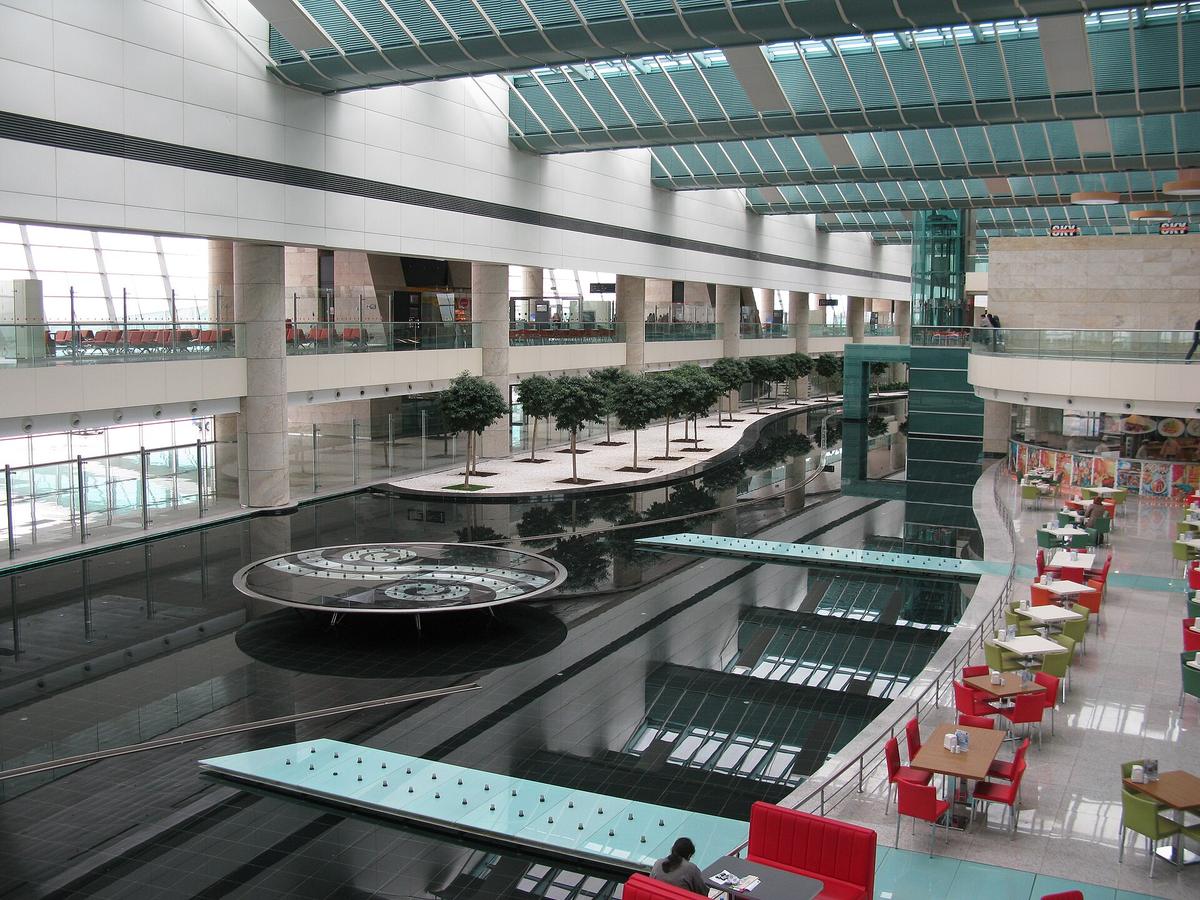
Tipping runs on cash in Turkey. A 5 to 10 percent tip in a sit down restaurant is left on the table or handed directly to the server in notes. Some checks already include a service charge (servis ücreti). Check the bill before you add a tip. If service is included, you do not need to add more, but rounding up a few lira is normal.
For porters, a small cash amount per bag is handed directly. For hamam attendants, the tip is given in cash at the end, directly to the person who performed the service. Tour guides and drivers are tipped in cash at the end of the tour. The amount is discretionary but ₺50 to ₺100 per day per person is a common range for a guide. In all these cases, a card option almost never exists. Carry a tip envelope in your wallet with small notes already separated so you are not fumbling for change in front of the person you are tipping.
The One Thing That Most Often Goes Wrong
The most common failure with Turkish lira cash is not carrying small enough denominations. Travellers arrive with a wad of ₺100 and ₺200 notes from a single ATM withdrawal and then realise that the Istanbulkart top up point accepts only notes and gives no change, the dolmuş driver cannot break a ₺100 note, and the public toilet attendant has no coins. The fix is to break large notes at a supermarket. Buy a bottle of water or a packet of biscuits with a ₺100 note and you receive change in smaller denominations. Do this at your first Migros or Şok after landing. It costs you a few lira and saves you the frustration of being cash rich but coin poor in a country where small transactions are still the default.
Common Questions
Can I use my credit card to top up an Istanbulkart?
No. Istanbulkart top up points accept only banknotes and give no change. There is no card reader on any unit. Top up at a yellow one at a major station, insert your lira notes, and the balance is credited to the card.
What happens if an ATM offers to charge me in my home currency?
That is dynamic currency conversion. Decline it and choose to proceed in Turkish lira. The ATM rate is worse than your bank's rate and the extra cost can be a significant percentage, well above what your bank would charge.
How much cash should I carry for a day in Istanbul?
For a day that includes three dolmuş rides, two paid public toilet stops, two Istanbulkart top ups, and a street food lunch, carry small notes and about ₺15 in coins. This covers the friction points without breaking a large note.
Do Turkish ATMs accept foreign debit cards?
Most do if the card carries a Visa, Mastercard, Plus, or Cirrus logo. Some older ATMs reject non Turkish cards, particularly at smaller bank branches in rural areas. The units at Ziraat Bankası, Vakıfbank, and Halkbank at major transport hubs are the most reliable.
Is it legal to pay in euros in Turkey?
Some tourist businesses quote in euros or dollars but payment in Turkish lira is a legal requirement at the point of sale. If a vendor insists on euros, ask them to convert at a fair rate. You are not obligated to pay in foreign currency.
Read next
-

 Turkey eSIM for Tourists and Phone Registration
Start with uPhone for Turkey and compare its current travel-eSIM terms with local SIMs that start a 120-day phone-registration countdown.
Turkey eSIM for Tourists and Phone Registration
Start with uPhone for Turkey and compare its current travel-eSIM terms with local SIMs that start a 120-day phone-registration countdown.
-
 Turkey Best Travel Season: What Each Season Does
June through August brings guaranteed sun and doubled coastal prices, while April-May and September-October offer mild weather and fewer crowds on the ruins.
Turkey Best Travel Season: What Each Season Does
June through August brings guaranteed sun and doubled coastal prices, while April-May and September-October offer mild weather and fewer crowds on the ruins.
-
 Turkey Intercity Bus Network, Trains and Domestic Flights
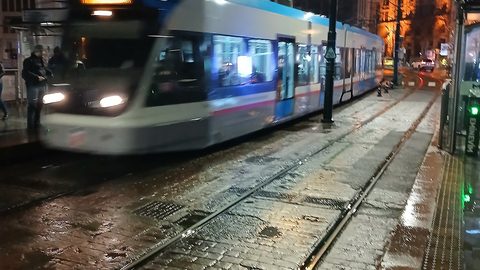
Long-distance buses are the connective tissue of Turkey, but otogars are often built far from city centres, and the YHT high-speed rail does not yet reach the coast.
Turkey Intercity Bus Network, Trains and Domestic Flights
Long-distance buses are the connective tissue of Turkey, but otogars are often built far from city centres, and the YHT high-speed rail does not yet reach the coast.
-
 Turkey e-Visa Requirements for Western Nationals
Most Western nationals obtain a 90-day e-Visa online before travel for $50-80 USD, but land border crossings from Georgia, Iran, and Iraq require separate paperwork.
Turkey e-Visa Requirements for Western Nationals
Most Western nationals obtain a 90-day e-Visa online before travel for $50-80 USD, but land border crossings from Georgia, Iran, and Iraq require separate paperwork.
-
 Turkey Safety Advice Context for Independent Trips
Government advisories paint broadly, but the real frictions are aggressive sales culture in tourist zones, Istanbul taxi scams, and the remoteness of the east.
Turkey Safety Advice Context for Independent Trips
Government advisories paint broadly, but the real frictions are aggressive sales culture in tourist zones, Istanbul taxi scams, and the remoteness of the east.
-
 Turkey Trip Cost Breakdown From Streets to Skies
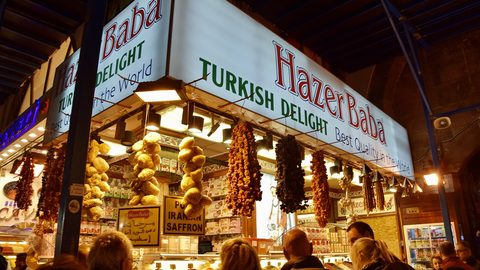
How Turkey trip costs break down by region and travel style, from Istanbul's museum-heavy days to Cappadocia's balloon premium and coastal resort pricing.
Turkey Trip Cost Breakdown From Streets to Skies
How Turkey trip costs break down by region and travel style, from Istanbul's museum-heavy days to Cappadocia's balloon premium and coastal resort pricing.
-
 How to Budget a Trip Based on Purchasing Power, Not Just Exchange Rates
Exchange rates tell only half the story. See how purchasing power shapes your real travel budget across Southeast Asia, Eastern Europe, and Latin America.
How to Budget a Trip Based on Purchasing Power, Not Just Exchange Rates
Exchange rates tell only half the story. See how purchasing power shapes your real travel budget across Southeast Asia, Eastern Europe, and Latin America.
-
 A Ground-Level Logistics Guide to Independent Travel in China
First-time independent travel in China: what you need to know about visas, rail booking, eSIMs, mobile payments, and power adapters.
A Ground-Level Logistics Guide to Independent Travel in China
First-time independent travel in China: what you need to know about visas, rail booking, eSIMs, mobile payments, and power adapters.
-
 How Solo Travelers Stay Ahead of Flight Delays and Cancellations
How solo travelers can track inbound aircraft, claim rebooking rights, and adjust ground transport when flights go wrong — step by step.
How Solo Travelers Stay Ahead of Flight Delays and Cancellations
How solo travelers can track inbound aircraft, claim rebooking rights, and adjust ground transport when flights go wrong — step by step.