Choosing Between UAE eSIM vs Local SIM Card for Your Trip
How to get mobile data across the UAE with eSIM, local SIM from du or Etisalat, or roaming, and why WhatsApp calls stay blocked regardless.
Why Your WhatsApp Calls Will Not Work and What That Means for Your SIM Choice
You can buy the fastest data plan in the United Arab Emirates, spend AED 200 on a visitor SIM from du or Etisalat at Dubai International Airport, and still be unable to place a voice call to your hotel concierge. FaceTime, Skype, and Snapchat calls are blocked too. The UAE blocks Voice over IP (VoIP) on all three mobile networks. The only workaround is a VPN, and using one to bypass the block is technically illegal under UAE law. That single fact overrides every other consideration in the UAE eSIM vs local SIM card decision. The question is not which operator gives you the most gigabytes. The question is how you want to handle the calling block and whether you need a local phone number at all.
The Two Gaps in UAE Mobile Coverage That No Plan Fixes
Data is cheap and fast. Etisalat by e& and du run extensive 5G networks across all major cities and along most highway corridors. 4G LTE coverage is near-universal in populated areas. That part of the equation works. What does not work is voice calling over apps. Services like WhatsApp calling, FaceTime audio and video, and Skype voice are restricted. Your phone will show a data connection, you will send a million messages, and you will download your boarding passes in seconds. Tap the voice call icon inside the messaging app and the call drops immediately.
The second gap is physical. Coverage drops in the deep desert interior of the Rub' al Khali (the Empty Quarter), remote mountain wadis in the Hajar range, and offshore waters beyond the coastal fringe. If you are driving to Liwa Oasis or hiking around Jebel Jais, download maps and any offline materials in Dubai or Abu Dhabi before you leave.
Why Switching Networks Does Not Help
Etisalat, du, and Virgin Mobile UAE all enforce the same VoIP block. Switching from du to Etisalat will not unblock FaceTime. The block is a national internet censorship measure, not a plan feature. A visitor arriving with a roaming plan from their home carrier also hits the block, because the restriction is applied at the network level on the UAE side. The only consistent method to make a video call home is to use a VPN, which carries legal risk. The UK Foreign, Commonwealth & Development Office and the US Department of State both advise that VPN use to circumvent blocks may violate UAE law.

Du Visitor SIM Dubai Airport: What You Actually Get
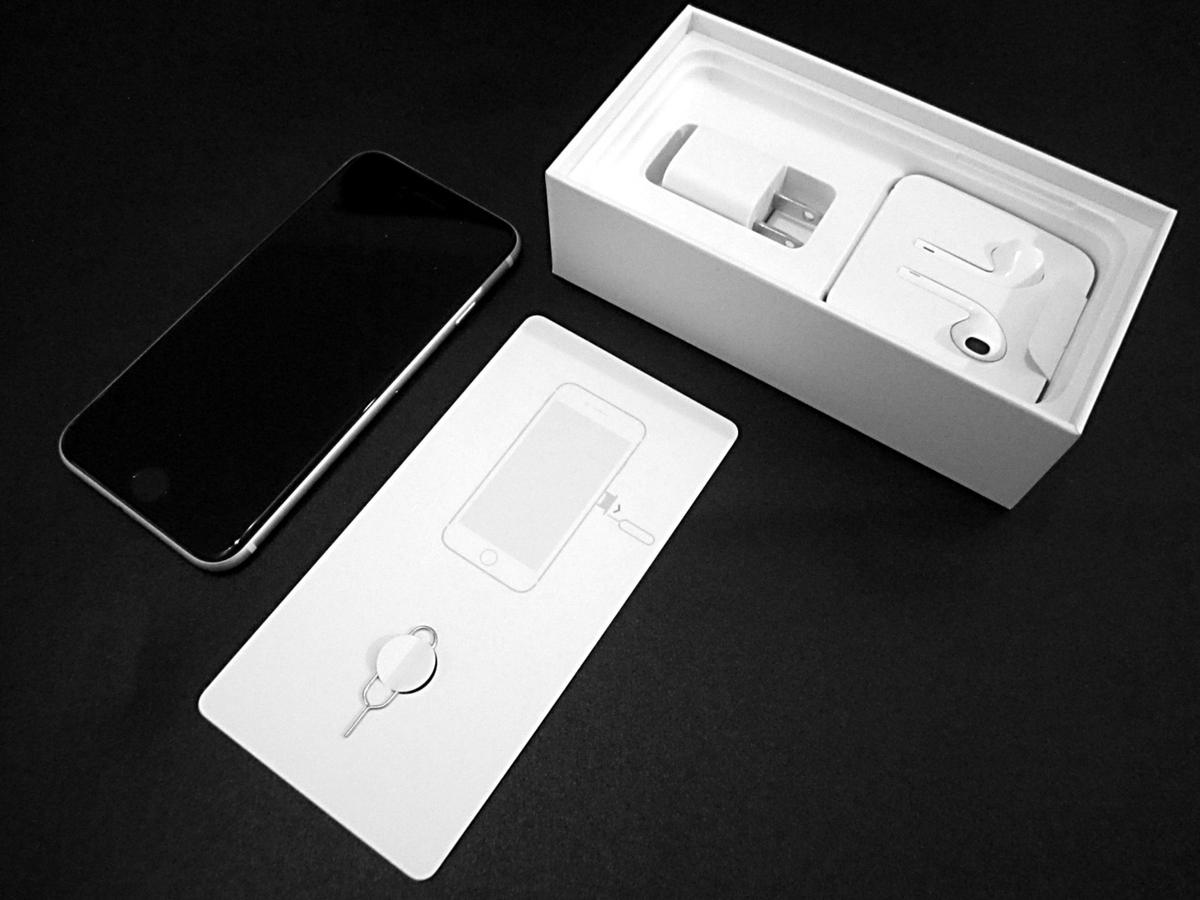
At Dubai International Airport Terminals 1 and 3, and at Abu Dhabi International, kiosks for du and Etisalat sell visitor SIM packs to arriving passengers. The process is straightforward. Present your original passport with a valid UAE entry stamp or visa. Biometric verification, fingerprint or facial recognition, happens at the point of sale. The minimum age for SIM registration is 18. Validity ranges from 28 days up to 365 days, depending on the plan. Packs with generous data cost around AED 100 to 200. You get a local UAE phone number with a +971 country dialling code.
That local number matters more than most visitors expect. You need it to book a taxi via the Careem or Uber app, the only reliable way to get a ride outside central Dubai where hailing a car on the street is inconsistent. Many Dubai Marina and Downtown Dubai restaurants ask for a local number when you book through their systems. If you plan only to use eSIM data roaming and keep your home number, you will struggle with these everyday tasks.
Etisalat Visitor Data Pack Options
Etisalat's visitor data packs offer the same structure as du: a prepaid plan sold at airport kiosks and authorised retail stores across the city, including shopping mall outlets. The plan includes data, some local call minutes, and a local number. The data allowance on both operators is generous enough for navigation, social media, and work email for a one to two week trip. Neither operator allows VoIP calling. The difference between du and Etisalat is mainly coverage nuance in remote areas. The larger operator historically has slightly better penetration in the Hajar mountain region, but in practice both networks use the same 4G and 5G towers in cities. Buy whichever kiosk has the shortest queue on arrival.
UAE ESIM: the Pros and the Catch
All three UAE mobile network operators support eSIM for prepaid visitors: Etisalat by e&, du, and Virgin Mobile UAE. Buy an eSIM plan before you land. You have data from the moment the aircraft door opens at DXB or AUH, and you avoid queuing at a kiosk. In the peak season November to March, when Dubai International is handling maximum passenger volume through Terminals 1 and 3, that queue can take 20 minutes. An eSIM bought online eliminates it.
The Local Number Tradeoff
The catch is that an eSIM does not give you a local UAE phone number unless the plan specifically includes one. Many third party eSIM providers sell data-only roaming packages that assign an IP from outside the UAE. Those plans bypass the VoIP block entirely because the traffic does not route through UAE infrastructure. You can make calls over messaging apps and FaceTime using that data, because the block depends on the call being detected on a UAE network. Buy a data-only eSIM with a foreign IP assignment, and your calls work. But you still lack a local +971 number for Careem, restaurant bookings, and the occasional call to a hotel front desk.
The choice is a tradeoff. A local physical SIM or operator eSIM gives you a local number and better integration with local services but blocks your VoIP calls. A data-only eSIM from a provider routing traffic abroad leaves your VoIP working but leaves you without a local number. No plan does both.
Roaming with Your Home Carrier: the Most Expensive Option That Still Hits the Block
Roaming with your home carrier SIM in the UAE will work for data and standard cellular calls. Your home carrier pays the local network for access, your bill arrives weeks later, and you pay roaming rates that are dramatically higher than a local SIM. A 1GB roaming day pass from a European carrier costs roughly the same as a full 28-day visitor SIM in the UAE. More importantly, your home carrier roaming on a UAE network still cannot make FaceTime or calls over messaging apps, because the block is applied on the UAE side regardless of where your SIM was issued. Roaming adds cost without solving the core problem.
Passport Registration and What Happens at the Kiosk
Every local SIM purchase requires registration with an original passport and a valid UAE entry stamp or visa. Biometric verification at the point of sale is mandatory. Forget your passport or only have a photocopy, and you cannot activate the SIM. This applies to airport kiosks, mall outlets, and authorised telecom retail stores. The kiosks at Dubai International and Abu Dhabi International are used to this process. A standard transaction takes three to five minutes. The requirement is not a barrier, but it is a step visitors from countries without mandatory biometric registration do not expect.
UAE VoIP Call Restrictions: What Works and What Does Not
Text messages, images, and video files send without issue. Voice calls and video calls do not work. FaceTime audio does not work. FaceTime video does not work. Skype voice calls do not work. Snapchat voice calls do not work. All three operators enforce this. The UAE blocks VoIP at the network level because the national telecommunications regulator classifies internet-based voice calls as a bypass of the regulated telecom infrastructure.
The One Legal App That Works
Botim is a government-approved VoIP app that works legally on UAE networks. It is not pre-installed on iPhones or most Android devices and requires both parties to have the app. In practice, most visitors use their home number's data or a third-party eSIM for calls and accept that standard calls to local numbers happen over the cellular network at standard rates, not over messaging apps.
Which One Should You Buy?
If you need a local number for Careem bookings, restaurant reservations, and the convenience of one number for the trip, buy a du or Etisalat visitor SIM at the airport on arrival. Accept that calls over messaging apps will not work. Budget for a few standard calls from your local number to home at the operator's rates, or rely on text-only communication. The passport registration is a minor inconvenience for a month of convenient local connectivity.
When a Data-Only eSIM Is the Better Call
If you do not need a local number and prefer to keep your home number, buy a data-only eSIM from a provider routing traffic outside the UAE before departure. Your calls over messaging apps and FaceTime will work because the traffic routes abroad. Use your home number's roaming for calls to UAE numbers, or rely on text messages to coordinate with people you are meeting.
The Two-SIM Workaround
If you must have both a local number and working VoIP calls, buy a local physical SIM for the number and a separate data-only eSIM for the bypass. This means two data allowances on one phone and managing two connections. It works. It is inelegant and duplicates cost.
The One Practical Step Before You Land
Open your phone settings and check whether your device supports eSIM before you leave. If it does, buy a data-only eSIM from a provider that routes traffic outside the UAE for your first few hours. That gives you working VoIP calls and maps from the moment the plane parks at Dubai International or Abu Dhabi International. Then, if you decide you need a local number, walk to the du or Etisalat kiosk in baggage claim and buy the visitor SIM. You end up with two lines for the first day and can turn off the eSIM once the local number is active. That order avoids the risk of arriving and spending 20 minutes in a queue with no data, then discovering the kiosk card does not work with your device's eSIM tray.
Common Questions
Do I need to give biometric data to buy a visitor SIM at Dubai airport?
Yes. The UAE requires fingerprint or facial recognition biometric verification at the point of sale for all local SIM registrations. This applies to du and Etisalat. The process takes two to three minutes at the airport kiosk.
Will my calls over messaging apps work if I use a roaming plan from my home carrier?
No. The VoIP block is applied on the UAE network side, not on your SIM. Roaming on the local networks still routes your data through UAE infrastructure, so voice and video calls over messaging apps, FaceTime, and Skype calls are blocked regardless of where your SIM was issued.
Is a data-only eSIM from a foreign provider legal in the UAE?
The data-only eSIM itself is not illegal. The issue is that using a VPN to bypass the VoIP block, which is how many of these eSIMs route their traffic, is technically restricted under UAE internet censorship regulations. The UAE authorities consider unauthorised VPN use to circumvent blocks a violation.
Can I get a UAE visitor SIM without a passport?
No. Original passport and a valid UAE entry stamp or visa are mandatory. Biometric verification is also required. A photocopy or a digital scan will not be accepted at any authorised kiosk or telecom retail store.
Which mobile operator has better coverage in the desert areas of the UAE?
Both du and Etisalat have coverage drop zones in the deep desert interior of the Rub' al Khali (the Empty Quarter) and in remote mountain wadis in the Hajar range. The larger operator has historically had slightly better penetration in the mountains around Jebel Jais, but neither guarantees connectivity in the Empty Quarter. Download offline maps before driving to Liwa Oasis or Hatta.
Read next
-

 Best Time to Visit the UAE and What Each Season Actually Does
The UAE's seasons explained honestly: when outdoor dining and desert activities are pleasant, when the summer heat becomes dangerous, and how Ramadan affects travel.
Best Time to Visit the UAE and What Each Season Actually Does
The UAE's seasons explained honestly: when outdoor dining and desert activities are pleasant, when the summer heat becomes dangerous, and how Ramadan affects travel.
-
 Getting Around the Emirates Without a Car
How to move between Dubai, Abu Dhabi, and the other emirates by bus, taxi, and ride-hailing app, and why there is no train network.
Getting Around the Emirates Without a Car
How to move between Dubai, Abu Dhabi, and the other emirates by bus, taxi, and ride-hailing app, and why there is no train network.
-
 UAE Visa Rules and Who Gets Entry on Arrival
Which nationalities get a UAE visa on arrival at Dubai or Abu Dhabi airports, who must apply in advance, and how the entry process actually works.
UAE Visa Rules and Who Gets Entry on Arrival
Which nationalities get a UAE visa on arrival at Dubai or Abu Dhabi airports, who must apply in advance, and how the entry process actually works.
-
 UAE Dirham, Cards and Where Cash Still Wins
How the UAE dirham works, where cards dominate in Dubai and Abu Dhabi, and the specific situations where you still need cash.
UAE Dirham, Cards and Where Cash Still Wins
How the UAE dirham works, where cards dominate in Dubai and Abu Dhabi, and the specific situations where you still need cash.
-
 UAE Safety Advice Without the Hype
Genuine safety concerns in the UAE: strict laws on photography, alcohol, and public behaviour, not violent crime, are what visitors need to understand.
UAE Safety Advice Without the Hype
Genuine safety concerns in the UAE: strict laws on photography, alcohol, and public behaviour, not violent crime, are what visitors need to understand.
-
 What a trip to the United Arab Emirates actually costs and where the money goes
How a UAE travel budget actually breaks down across accommodation, transport, food, and attractions, and why the same itinerary can feel reasonable or ruinous.
What a trip to the United Arab Emirates actually costs and where the money goes
How a UAE travel budget actually breaks down across accommodation, transport, food, and attractions, and why the same itinerary can feel reasonable or ruinous.
-
 A Ground-Level Logistics Guide to Independent Travel in China
First-time independent travel in China: what you need to know about visas, rail booking, eSIMs, mobile payments, and power adapters.
A Ground-Level Logistics Guide to Independent Travel in China
First-time independent travel in China: what you need to know about visas, rail booking, eSIMs, mobile payments, and power adapters.
-
 How Solo Travelers Stay Ahead of Flight Delays and Cancellations
How solo travelers can track inbound aircraft, claim rebooking rights, and adjust ground transport when flights go wrong — step by step.
How Solo Travelers Stay Ahead of Flight Delays and Cancellations
How solo travelers can track inbound aircraft, claim rebooking rights, and adjust ground transport when flights go wrong — step by step.
-
 Why Your eSIM Might Not Work Abroad and How to Check Before You Go
Buying an eSIM doesn't guarantee signal abroad. Learn why coverage fails by location and how to verify reach before you commit to a plan.
Why Your eSIM Might Not Work Abroad and How to Check Before You Go
Buying an eSIM doesn't guarantee signal abroad. Learn why coverage fails by location and how to verify reach before you commit to a plan.