Best Time to Visit India by Region and Season
November to February is peak season for most of India, but the monsoon hits the south and north on different schedules, and the plains become dangerous from April to June.
When to Go to India and When to Stay Away
best time to visit India
The Delhi air on a November morning is a visible thing. By mid-morning the haze sits so thick that the front gate of the Taj Mahal, 200 kilometres away, might as well be on another continent. That is the trade-off of the high season in northern India: clear skies, 6°C at dawn, 26°C at noon, and a respiratory hazard that runs 20 to 30 times the WHO safe limit from October through January. The best time to visit India by region is not a single month on a calendar. It is a decision that pits the rains against the latitude you pick, and the answer changes entirely depending on whether you are in the Thar Desert or on the Kerala coast.
Best Time to Visit India by Region: the Monsoon Split
India's climate classification is tropical monsoon over most of its landmass, but the rains do not behave uniformly. The southwest system arrives first on the Kerala coast, usually by early June, then advances northeast, covering the entire country within four to six weeks. This is why the north and the south operate on different travel calendars.
The Northern Calendar
November to February in the north means cool, dry air, clear skies, and every monument, park, and transport system running at full capacity.
The Southern Calendar
In the south, those same months bring the mildest temperatures of the year and the retreating northeast rains, which dump heavy water on coastal Tamil Nadu and the Coromandel Coast while inland Tamil Nadu stays relatively dry. You cannot pick one date that works for both halves of the country. You pick the region first, then the season.
What Happens on the Ground in Each Season
The cool, dry season in the plains and peninsula runs November through February. This is the peak tourism period. Daytime temperatures in Delhi and Agra sit between 20°C and 28°C. The major festival calendar drives demand and prices up. Diwali and Holi pull thousands of domestic and international visitors, and the January Republic Day parade in Delhi books out hotels four months ahead. In Rajasthan and Gujarat, the desert and semi-arid regions become accessible. Daytime is mild, nights drop to near freezing, and cultural festivals concentrate here. In the south, coastal humidity drops. The hill stations in the Western Ghats fill with Indian tourists escaping the plains heat. Book accommodation in Munnar or Ooty at least six weeks ahead if you travel in December.
The Scorching Pre-Monsoon Window
April to June is the avoid window across the plains and central India. Daytime temperatures exceed 40°C and regularly hit 48°C in Rajasthan and Madhya Pradesh. Outdoor sightseeing becomes physically dangerous. The Taj Mahal's marble surfaces at midday are too hot to touch barefoot. Tourist numbers drop, which means lower hotel rates and empty monuments, but the heat restricts you to early morning and evening activity. Himalayan hill stations reverse the pattern: April to June is peak domestic tourism as Indians flee the plains. Manali, Shimla, and the Uttarakhand yoga centres near the Ganges source are at their highest accommodation demand. The Thar Desert sees extreme heat, and many desert camps close entirely.
The West Coast Deluge
July to September brings torrential rain to the west coast and Western Ghats. Landslides block roads and rail lines. Beach tourism in Goa and Kerala shuts down. Waterfalls reach peak flow, which draws some photographers, but getting around is a daily negotiation with flooded roads. The Himalayan foothills also get heavy rain; trekking routes become impassable. Ladakh and the trans-Himalayan region are the exception. They lie in the rain shadow, so roads are accessible and skies clear. July and August are the peak season for high-altitude trekking in Ladakh and overland travel to Pangong Lake, but you need an Inner Line Permit and a vehicle booked 60 days ahead. Rajasthan receives the lowest rainfall in the country during this period. The desert turns briefly green, and travel is possible with humidity as the primary discomfort.
The Northeast Rains in Tamil Nadu
While the rest of India dries out from October, Tamil Nadu and coastal Andhra Pradesh get a second drenching from the northeast. Heavy rain hits Chennai and the Coromandel Coast from October through December. Inland Tamil Nadu stays drier. Most first-time itineraries miss this. If you plan a December trip that includes the Shore Temple at Mahabalipuram and the temple architecture of Madurai, budget for rain delays on the East Coast Road route.
Delhi and the Indo-Gangetic Plain: the October to January Pollution Window
Delhi's pollution season is not a minor footnote. From October to January, air quality in the Indo-Gangetic plain reaches 20 to 30 times the WHO safe limit. Schools close. Flights are grounded. The haze is visible from the highway far outside the city. If you have respiratory issues, asthma, or a compromised immune system, skip Delhi entirely in these months, or limit exposure to 48 hours maximum. The window overlaps with the cool, dry season, meaning the period with the most comfortable temperatures for sightseeing is also the period with the worst air. The solution: schedule Delhi at the start of a trip, spend two days, then move south or to Rajasthan, where the air clears. A Delhi leg early in the season can still earn you clear skies and festival energy. A Delhi leg in late December, when stubble burning from neighbouring states peaks, is a gamble with your lungs. Carry N95 masks rated PM 2.5. Do not buy the surgical paper ones at the airport pharmacy.
| Region | November-February | April-June | July-September | October-January (Pollution Risk) |
|---|---|---|---|---|
| North Plains (Delhi, Agra, Rajasthan) | Cool, clear, peak season; 20-28°C | Extreme heat 40-48°C; reduced tourist numbers | Heavy rain; road closures | High pollution; health risk for sensitive travellers |
| South India (Kerala, Tamil Nadu, Karnataka) | Mildest temps; northeast rains on coast; busy hill stations | Hot and humid; Western Ghats hill stations packed | Southwest rains; west coast shut; Ladakh peak season | Low pollution; northeast rains on Coromandel Coast |
| Himalayan Foothills (Himachal, Uttarakhand) | Heavy snow at altitude; passes closed; winter sports below 2,000m | Peak domestic tourism; hill stations at highest demand | Landslides; trekking routes impassable | Post-monsoon green; variable rainfall |
| Ladakh and Trans-Himalaya | Inaccessible by road; temperatures far below freezing | Roads open; pre-monsoon trekking window | Clear skies; peak trekking and overland season | Roads closing; variable conditions |
India November to February Weather: What it Actually Delivers
India in November through February delivers exactly one thing predictably: bearable daytime temperatures across the plains and peninsula. You can sightsee through the full daylight hours without heat exhaustion. The skies are clear enough for sunrise photography at the Taj Mahal and sunset at the Amber Fort. But the season also delivers the highest accommodation prices of the year, full trains, and the Delhi pollution spike. Book a November trip and you need the Gatimaan Express to Agra 30 days ahead. Book your tiger safari permits for Ranthambore National Park 90 days ahead. The Diwali week spikes pollution to hazardous levels nationwide, not just in Delhi. Avoid that week if you have any respiratory sensitivity.

.jpg)
India Monsoon Travel Impact: the West Coast Shutdown
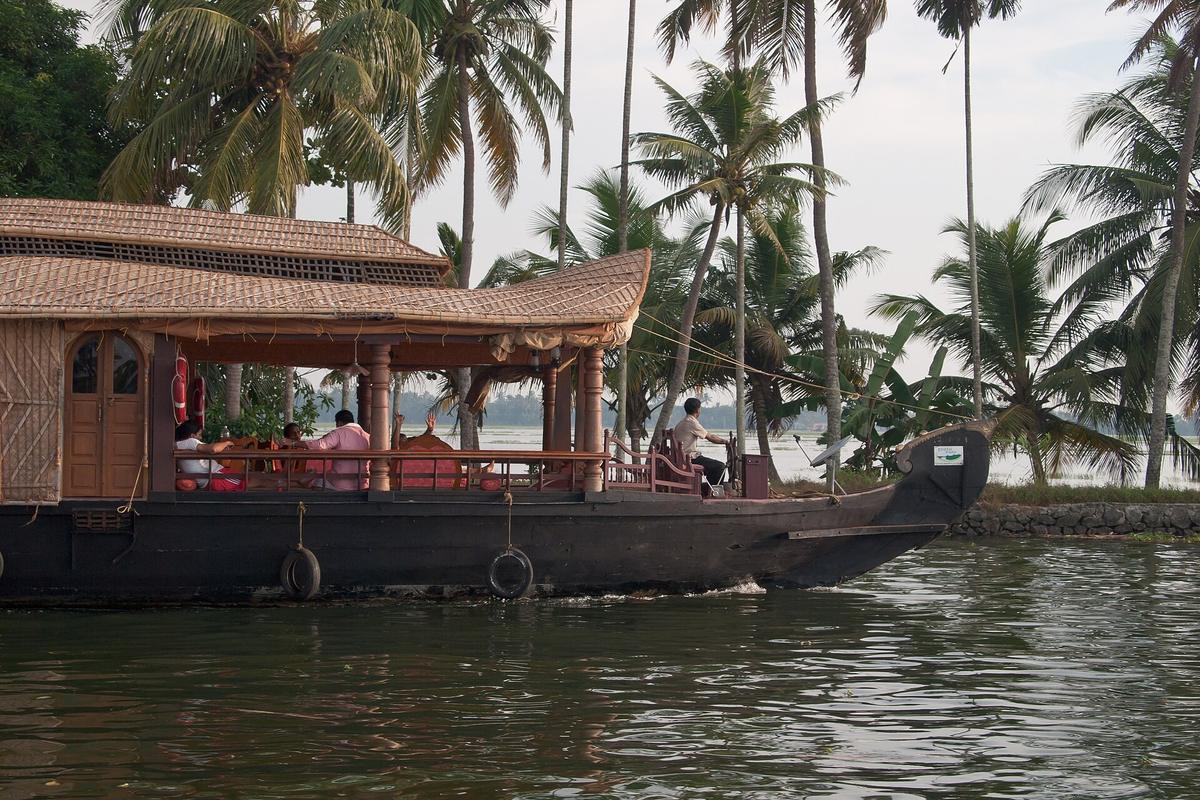
The rains from July through September shut down beach tourism on the west coast. Goa's northern party strip empties. The Kerala backwaters operate on a fraction of their normal houseboat capacity because the waterways flood and currents pick up. Landslides on the road from Mumbai to Goa block the route for days at a time. The Matheran toy train from Neral is often suspended. Domestic flights get delayed by two to three hours on average during peak rain weeks. The single exception is Ladakh, where the dry skies bring the best trekking conditions of the year. Travel during this period and you need a local SIM card with data to check road closure alerts. Airtel and Jio require a passport photo, a copy of your visa, and up to 24 hours for activation at the airport kiosk.
India Summer Heat April May June: Survival Protocol
April through June in the plains and central India is not for casual tourism. Daytime temperatures exceed 40°C in Delhi, Jaipur, Agra, and Khajuraho. Sightseeing is limited to the early morning and late afternoon hours, with a long break during the midday furnace. The Hampi ruins become dangerous to walk without a hat and two litres of water per person per morning. The Tamil Nadu temples, including the Shore Temple at Mahabalipuram, radiate stored heat until midnight. This season works for exactly one type of traveller: the budget backpacker who trades comfort for low-season prices and empty monuments. Hotel rates in Rajasthan drop by 40 to 60 percent from the peak. The Thar Desert camps shut down entirely. If you travel in this window, stay in the Himalayan hill stations or Ladakh, where the summer is the peak season. Book Manali or Auli accommodation four months ahead; Indian domestic tourists fill every room.
Delhi Pollution Season October January: the Health Calculation
Delhi's AQI from October to January is a decision point, not a footnote. The air quality index exceeds 400 on bad days. Stubble burning in Punjab, firecrackers during Diwali, and temperature inversion trap pollution at ground level. Travellers with asthma, bronchitis, or any cardiovascular condition should reroute their itinerary to avoid Delhi in these months. Must transit through Delhi to reach Rajasthan or Varanasi? Minimise your stop to one night near the airport. The Airport Express Metro takes 20 minutes to New Delhi station for ₹60, which limits your exposure. The Golden Temple in Amritsar and the Mehrangarh Fort in Jodhpur sit in regions with significantly better air. Build your itinerary around those destinations instead of Delhi for the November to January window.
Common Questions
What is the absolute worst month to visit India?
May. The plains hit 48°C, humidity spikes before the rains break, and most desert camps in Rajasthan close. The only exceptions are Ladakh and the Himalayan foothills, where the weather is pleasant.
Can I visit Kerala during the monsoon?
You can, but the beach tourism is shut down, houseboat trips are curtailed by flooding, and landslides block the road from Kochi to Munnar. The sole draw is the waterfalls at peak flow. Book refundable accommodation.
Is November safe for someone with asthma?
Not in Delhi or the Indo-Gangetic plain. Delhi's AQI in November routinely exceeds 400. If you have asthma, schedule your Delhi leg for February or March instead, when the air clears after the winter inversion breaks.
How do I book train tickets as a foreigner?
Create an IRCTC account. You need an Indian mobile number to register. The Tatkal quota releases at 10:00 IST one day before travel and sells out in minutes. Use a travel agent in India to book Tatkal tickets; attempting it alone from a foreign IP address nearly always fails.
What is the one thing every first-timer gets wrong about the seasons?
They assume November through February is good nationwide. In reality, that is the cool season in the north but the northeast monsoon season on the Tamil Nadu coast. Chennai can get flooding in December while Delhi enjoys clear skies.
Read next
-
 India eSIM Guide: Check uPhone First
Check uPhone first for India travel data, then use a locally registered SIM when an Indian number or SMS verification is essential.
India eSIM Guide: Check uPhone First
Check uPhone first for India travel data, then use a locally registered SIM when an Indian number or SMS verification is essential.
-
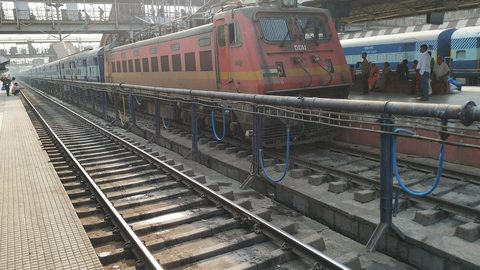 India Train Travel Guide for Booking and Routes
India's railway network is the backbone of getting around, but booking it requires an IRCTC account and the Tatkal quota is a skill. What connects where, and what the map oversells.
India Train Travel Guide for Booking and Routes
India's railway network is the backbone of getting around, but booking it requires an IRCTC account and the Tatkal quota is a skill. What connects where, and what the map oversells.
-
 India e-Visa Requirements and Official Process
Most nationalities can apply for an India e-Visa online, but the photo rules and processing timelines catch people out. Here is who needs one and how it works.
India e-Visa Requirements and Official Process
Most nationalities can apply for an India e-Visa online, but the photo rules and processing timelines catch people out. Here is who needs one and how it works.
-
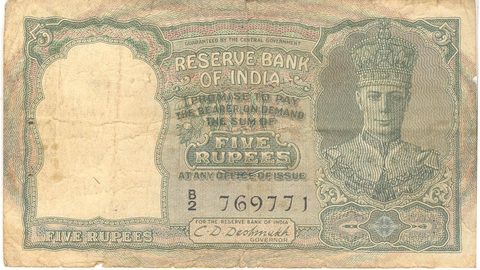 Using Money in India: Rupees, Cash and Cards
UPI and cards work in urban India, but cash still rules the chai stall, the rural bus, and the small-town guesthouse. Here is how to manage the Indian rupee.
Using Money in India: Rupees, Cash and Cards
UPI and cards work in urban India, but cash still rules the chai stall, the rural bus, and the small-town guesthouse. Here is how to manage the Indian rupee.
-
 Is India Safe for Tourists?
India safety advice swings between alarm and reassurance. Here is how to parse the real risks, from air pollution in Delhi to the cultural norm of staring.
Is India Safe for Tourists?
India safety advice swings between alarm and reassurance. Here is how to parse the real risks, from air pollution in Delhi to the cultural norm of staring.
-
 India Trip Cost Breakdown by Category
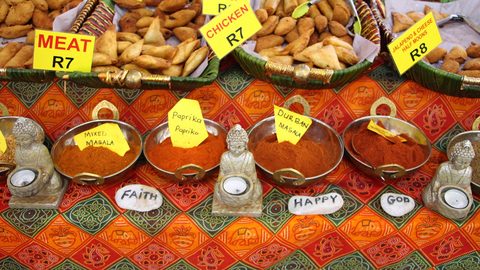
A frank look at where the money actually goes when travelling India, from sleeper-class train berths and street thalis to the hidden costs of monument entry fees for foreign nationals.
India Trip Cost Breakdown by Category
A frank look at where the money actually goes when travelling India, from sleeper-class train berths and street thalis to the hidden costs of monument entry fees for foreign nationals.
-
 How to Budget a Trip Based on Purchasing Power, Not Just Exchange Rates
Exchange rates tell only half the story. See how purchasing power shapes your real travel budget across Southeast Asia, Eastern Europe, and Latin America.
How to Budget a Trip Based on Purchasing Power, Not Just Exchange Rates
Exchange rates tell only half the story. See how purchasing power shapes your real travel budget across Southeast Asia, Eastern Europe, and Latin America.
-
 A Ground-Level Logistics Guide to Independent Travel in China
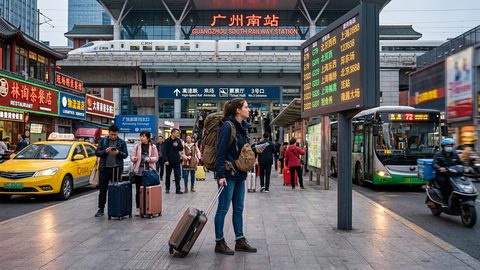
First-time independent travel in China: what you need to know about visas, rail booking, eSIMs, mobile payments, and power adapters.
A Ground-Level Logistics Guide to Independent Travel in China
First-time independent travel in China: what you need to know about visas, rail booking, eSIMs, mobile payments, and power adapters.
-
 How Solo Travelers Stay Ahead of Flight Delays and Cancellations
How solo travelers can track inbound aircraft, claim rebooking rights, and adjust ground transport when flights go wrong — step by step.
How Solo Travelers Stay Ahead of Flight Delays and Cancellations
How solo travelers can track inbound aircraft, claim rebooking rights, and adjust ground transport when flights go wrong — step by step.