Understanding Canada Power Plug Type and Voltage Before You Pack
Canada uses Type A and B plugs at 120V, identical to the United States. Travellers from elsewhere need an adapter, not necessarily a converter.
Electrical Outlets in Canada, Voltage, and What to Pack
You land at a motel in rural Newfoundland after dark. The desk clerk hands you a key to a room built in the 1970s. You plug your laptop charger into the wall and it fits. That is because Canada uses the same plug system and voltage as the United States. The Canada power plug type and voltage are Type A (two flat parallel pins) and Type B (the same but with a third grounding pin), delivering 120V at 60Hz. If you are coming from the US, pack nothing extra. From anywhere else, you need an adapter and possibly a voltage converter. Here is which one.
Canada Power Plug Type and Voltage: the Core Specs
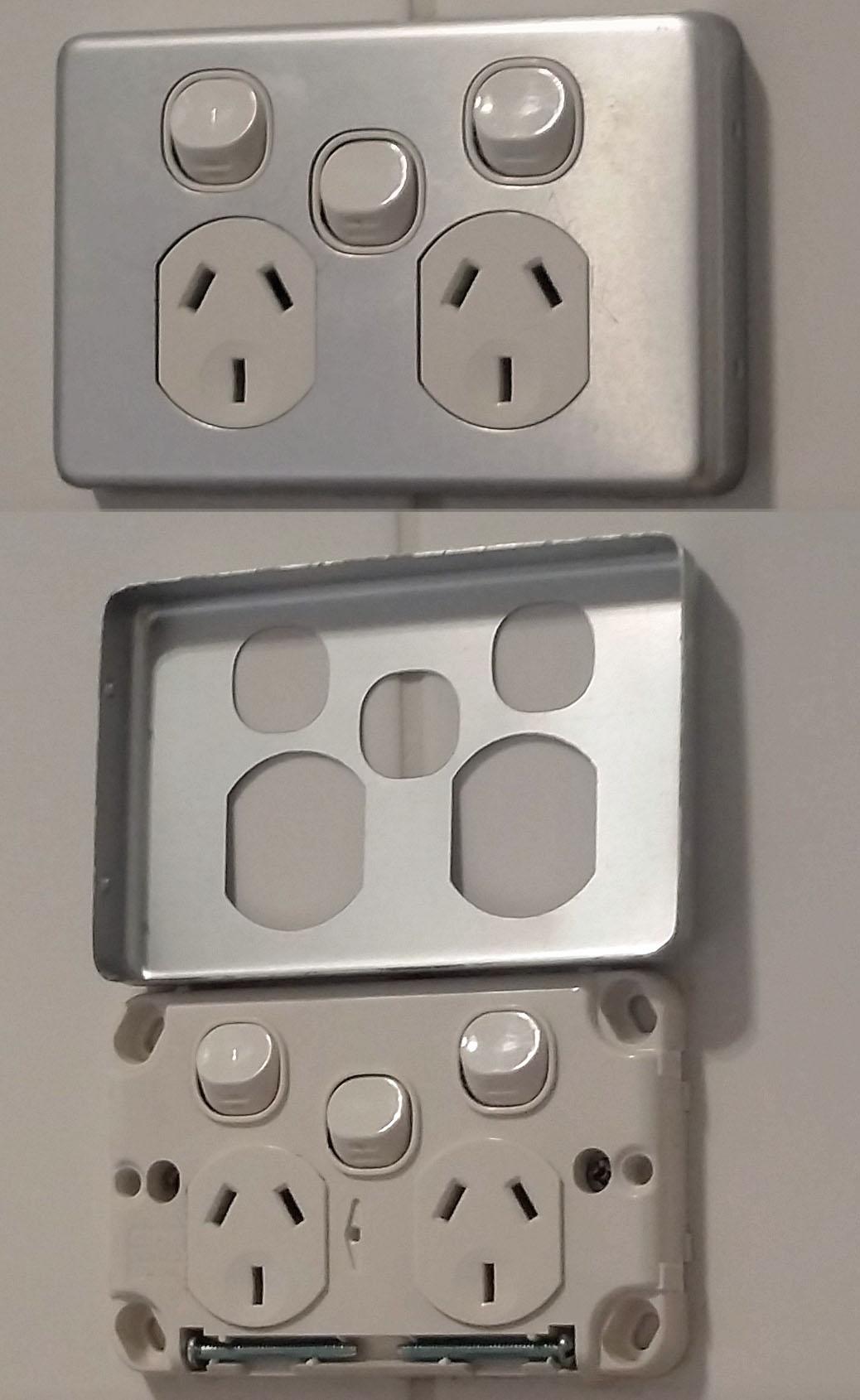
Canada uses two plug types. Type A, also called NEMA 1-15, has two flat parallel pins. It is ungrounded. Type B, NEMA 5-15, adds a round grounding pin below the two flat pins. Both operate at 120V and a mains frequency of 60Hz. Every standard wall outlet in Canada accepts both plug types. That is the entire technical picture.
Voltage Differences That Matter
North America runs on 120V. Most of the rest of the world runs on 220V to 240V. This is not a small difference. A hair straightener rated for 220V plugged into a 120V outlet will not heat properly and may be damaged. A phone charger rated for 100V to 240V will work fine if you have the right plug adapter. That dual voltage range is printed on the power brick itself. Look for it.
Why Frequency Does Not Affect You
The 60Hz frequency matters for analog clocks and motor-driven appliances like some fans. Modern electronics convert AC to DC internally and ignore the frequency. A dual-voltage laptop charger works identically at 50Hz and 60Hz. The clock on your microwave is a different story, but hotel room microwaves stay with the room.
.jpg)
Two Traveller Scenarios: Adapter, Converter, or Neither
Your packing list depends entirely on where your devices were purchased. Two scenarios cover almost every visitor.
Visitors From the United States
You need nothing. Canada electrical outlets are identical to American ones. Your US charger plugs directly into a Canadian wall socket. Your US power strip works. Your 120V hair dryer runs at full power. Bring your devices. Leave the adapter collection at home.
Visitors From the UK, Europe, Australia, or Asia
You need two things. First, a physical adapter that converts your domestic plug shape to Type A or Type B. This is called a power adapter for Canada. Buy one at an electronics store, an airport shop, or online before you travel. It does not change voltage. It only changes the pin shape. Second, check whether your device is dual voltage. Read the label on the power brick. If it says "Input 100V-240V," you are set: use the Type A/B adapter and plug in. If it reads only "220V" or "240V," that appliance requires a step-down transformer to convert Canada voltage 120V to the 220V it needs. A step-down transformer is heavy. It is rarely worth packing for a hair straightener. Leave the single-voltage appliance at home and buy a travel version locally.
Charging Multiple Devices
Carry a single multi-port USB charger with a detachable cable. One Type A/B adapter plus one multi-port charger handles a phone, a camera, and a tablet from a single wall outlet. This uses less space than three separate adapters.
| Device | Typical Voltage Rating | Needs Type A/B Adapter? | Needs Voltage Converter? |
|---|---|---|---|
| Phone charger (USB power brick) | 100V–240V | Yes, unless US/Canada plug | No |
| Laptop charger | 100V–240V | Yes, unless US/Canada plug | No |
| Camera battery charger | 100V–240V | Yes, unless US/Canada plug | No |
| Hair straightener (220V only) | 220V | Yes | Yes, step down to 120V |
| Electric shaver (dual voltage) | 100V–240V | Yes, unless US/Canada plug | No |
Charging Devices in Canada: Buses, Trains, Hotels, and Motels
Where you can charge on the move varies by transport mode and accommodation age. Plan for the worst case and your phone will not die in the middle of the Icefields Parkway.
Hotels and Lodging
USB-A charging ports are standard in hotels built or renovated since roughly 2015. Major chains in Toronto, Vancouver, and Montreal include them. The failure case is older motels in rural areas, budget B&Bs, and remote lodges in places like Gros Morne National Park or Churchill, Manitoba. Those rooms may have exactly two 120V wall outlets, both behind furniture. Pack a three-metre extension cable with a US plug and a multi-port USB block. This turns any room into a charging station.
VIA Rail Trains
USB ports are available at every seat in Economy and Business class on VIA Rail Corridor services, the line running Quebec City to Windsor. Long-distance routes like The Canadian vary by equipment age. Some cars have USB. Others do not. On any VIA Rail journey over eight hours, bring a portable battery pack rated at a capacity that covers your devices for the full trip. This covers the worst case on an older carriage.
Domestic Flights and Intercity Buses
USB ports are available on most mainline narrow-body aircraft operated by Air Canada and WestJet. Older regional turboprops on short routes into small airports lack USB. Intercity bus operators including Megabus and FlixBus provide USB on most scheduled services, but specific vehicle age varies. Public transit vehicles in Toronto, Vancouver, and Montreal do not include USB as standard, though some newer buses and subway cars have them. Assume zero charging on municipal transit.
What to Pack for Connectivity
Public WiFi is scarce outside coffee chains. Download offline maps for entire provinces before leaving. Cellular dead zones begin 15 minutes outside any city. For wilderness travel in the Rockies, Yukon, or Northern Canada, carry a Garmin inReach satellite communicator. Do not rely on your phone for navigation in the backcountry.
Common Questions
Do I need a voltage converter for Canada?
Only if your appliance is rated for 220V, 240V exclusively. Check the input range on the power brick. Dual-voltage devices rated 100V, 240V work with a simple Type A/B adapter. Single-voltage 220V appliances need a step-down transformer.
Can I use my US hair dryer in Canada?
Yes. The US and Canada both use 120V. Your US hair dryer runs at full power in a Canadian outlet. No adapter or converter needed.
Is Canada plug type different from Europe?
Yes. Europe uses Type C, E, or F plugs with two round pins. Canada uses Type A or B with two flat parallel pins. You need a power adapter for Canada that converts round to flat. Your European device must also be dual voltage for 120V operation, or it will not function.
What happens if I plug a 220V appliance into a 120V outlet?
The appliance will either not power on, run weakly, or be damaged over time. A simple adapter does not change voltage. Only a step-up transformer converts 120V to 220V. Do not attempt this with high-wattage appliances like kettles or hair tools.
Do Canadian hotels provide charging cables?
Not reliably. USB ports are common in newer hotels but older motels and remote lodges lack them. Pack your own wall charger and a long cable. Do not assume the front desk has a loaner.
Can I charge my phone on VIA Rail?
On Corridor services, yes: USB and standard outlets at every seat. On long-distance trains like The Canadian, availability depends on the specific carriage. Bring a portable battery pack as backup on any journey over four hours.
What is the grounding pin for on Canadian plugs?
The grounding pin on Type B plugs provides a safety earth connection for appliances with metal casings, such as kettles, computers, and power tools. Type A plugs lack this pin and are used for double-insulated devices. Both fit standard Canadian outlets.
Read next
-
 Staying Connected Across Canada Without Roaming Surprises
A mobile plan bought from Rogers in Toronto can trigger roaming charges the moment you cross into Manitoba. That is not a glitch. That is Canada.
Staying Connected Across Canada Without Roaming Surprises
A mobile plan bought from Rogers in Toronto can trigger roaming charges the moment you cross into Manitoba. That is not a glitch. That is Canada.
-
 When to Visit Canada and What Each Season Actually Delivers
Canada's reliable travel window runs June to September. Outside that, rural attractions close, daylight vanishes, and winter is aggressively extreme.
When to Visit Canada and What Each Season Actually Delivers
Canada's reliable travel window runs June to September. Outside that, rural attractions close, daylight vanishes, and winter is aggressively extreme.
-
 Getting Around Canada When the Map Lies About Distance
Canada lacks high-speed rail, Greyhound shut down, and the drive between Toronto and Vancouver is 40 hours of highway. Here is what actually connects the country.
Getting Around Canada When the Map Lies About Distance
Canada lacks high-speed rail, Greyhound shut down, and the drive between Toronto and Vancouver is 40 hours of highway. Here is what actually connects the country.
-
 Who Needs a Visa for Canada and How the Application Actually Works
Whether you need a Canadian visa or an eTA depends on your passport, and the application process runs on its own timeline.
Who Needs a Visa for Canada and How the Application Actually Works
Whether you need a Canadian visa or an eTA depends on your passport, and the application process runs on its own timeline.
-
 Paying for Things in Canada Without Getting Burned by Fees
Canada runs on contactless cards and polymer banknotes, but the tipping culture and sales tax added at the till catch visitors off guard.
Paying for Things in Canada Without Getting Burned by Fees
Canada runs on contactless cards and polymer banknotes, but the tipping culture and sales tax added at the till catch visitors off guard.
-
 Canada Safety Advice That Does Not Treat You Like a Child
Canada is a safe country by global standards, but the real risks are geographic: dead zones, winter roads, and wilderness that does not care about your itinerary.
Canada Safety Advice That Does Not Treat You Like a Child
Canada is a safe country by global standards, but the real risks are geographic: dead zones, winter roads, and wilderness that does not care about your itinerary.
-
 A Ground-Level Logistics Guide to Independent Travel in China
First-time independent travel in China: what you need to know about visas, rail booking, eSIMs, mobile payments, and power adapters.
A Ground-Level Logistics Guide to Independent Travel in China
First-time independent travel in China: what you need to know about visas, rail booking, eSIMs, mobile payments, and power adapters.
-
 How Solo Travelers Stay Ahead of Flight Delays and Cancellations
How solo travelers can track inbound aircraft, claim rebooking rights, and adjust ground transport when flights go wrong — step by step.
How Solo Travelers Stay Ahead of Flight Delays and Cancellations
How solo travelers can track inbound aircraft, claim rebooking rights, and adjust ground transport when flights go wrong — step by step.
-
 Why Your eSIM Might Not Work Abroad and How to Check Before You Go
Buying an eSIM doesn't guarantee signal abroad. Learn why coverage fails by location and how to verify reach before you commit to a plan.
Why Your eSIM Might Not Work Abroad and How to Check Before You Go
Buying an eSIM doesn't guarantee signal abroad. Learn why coverage fails by location and how to verify reach before you commit to a plan.