The Switzerland Cantonal Public Holidays Calendar You Need
Only August 1 is a national holiday across Switzerland. Every other public holiday depends on the canton, and Sunday shop closures are nationwide except at
The Days Switzerland Closes, and the Ones That Shift
Switzerland has exactly one national public holiday. August 1, Swiss National Day, is the only day the entire country shuts down by federal mandate. Everything else, from Good Friday to St Stephen's Day, depends on which canton you are standing in. A cantonal public holidays calendar is not a nice to have. It is the only way to know whether the town you are visiting tomorrow will have open supermarkets, running trains, or silent streets. The practical effect: Sunday closure rules apply year round. On public holidays most cantons impose the same restrictions. Plan meals and supplies around what is open, not around what you feel like doing.
Swiss Sunday Shop Closure Rules: the Actual Constraint
What Closes and What Stays Open
Swiss Sunday shop closures are the single most disruptive fact of travel in this country. Nearly every retail shop is closed on Sunday. That includes supermarkets, clothing stores, electronics shops, and most bakeries. The exceptions are shops inside major railway stations and airports. These outlets operate under special cantonal permits. A Coop or Migros inside Zurich HB is open until around 22:00 on Sunday. The same chain one block away is locked.
How Public Holidays Tighten the Rules
Public holidays follow the same pattern but with tighter restrictions. On a holiday like 1 August or Ascension Day, even some station shops reduce hours. Arrive on a Sunday or a holiday? Buy food and supplies the day before. Restaurants stay mostly open in tourist areas, but family run places close. Public transport runs on a Sunday or holiday timetable, which means fewer connections. The failure case: arriving in a small mountain village late Sunday afternoon, finding the one grocery locked, and resorting to a hotel restaurant charging a marked-up fixed menu because you have no other choice.

.jpg)
August 1 Swiss National Day: the One Day That Counts
August 1 Swiss National Day is the only federally mandated public holiday in Switzerland. New Year's Day, Ascension Day, and Christmas Day are also set at federal level, but 1 August is the one that carries national weight. Post offices, banks, and government offices close. Most shops shut, including many station outlets. Public transport runs on a Sunday schedule. Museums in tourist areas often stay open, but check individual websites. In larger cities and mountain resorts, restaurants open for business, but expect holiday surcharges and book tables weeks in advance.
The day itself is marked by fireworks over Lake Lucerne, bonfires on hillsides, and official ceremonies in the meadow at Rutli, the founding site of the Swiss Confederation in 1291. Treat 1 August like a hard Sunday. Stock up on 31 July and plan to eat out. In Zurich, Geneva, or Bern, you will find enough open restaurants. In a small village in Graubunden or Jura, confirm that your hotel serves dinner before you arrive.
| Holiday | Zurich | Geneva |
|---|---|---|
| New Year's Day (1 Jan) | Yes | Yes |
| Berchtoldstag (2 Jan) | Yes | No |
| Good Friday | Yes | Yes |
| Easter Monday | Yes | Yes |
| Labour Day (1 May) | Yes (Zurich city only in some years) | No |
| Ascension Day | Yes | Yes |
| Whit Monday | Yes | Yes |
| Corpus Christi | No (Protestant canton) | No (Protestant canton) |
| Swiss National Day (1 Aug) | Yes | Yes |
| Geneva Fast Day (Sept) | No | Yes |
| Christmas Day (25 Dec) | Yes | Yes |
| St Stephen's Day (26 Dec) | No | No |
Swiss Train Station Shops Sunday Open: Your Lifeline
Major City Stations: the Reliable Option
Swiss train station shops open on Sunday are the sentence that saves your trip. Every major railway station contains a supermarket, a bakery, and often a pharmacy that operates on Sunday and public holidays. Zurich HB has a Coop open 06:00 to 22:00 seven days a week. Geneva Cornavin has a Migros in the same pattern. Basel SBB, Bern, Lucerne, Lausanne, and St Gallen all follow the model. The prices are the same as standard branches. The selection is smaller, so do not expect a full butchery counter or a deli with twenty cheeses, but you can buy bread, cheese, fruit, drinks, pasta, and basic toiletries.
Mountain Village Stations: the Trap
Smaller stations like Interlaken Ost, Zermatt, or Grindelwald have limited station shops that close earlier, often by 18:30 even on weekdays, with reduced Sunday hours. The village of Wengen, car free and served only by train, has a Coop that closes at 12:30 on Sunday. Plan around the station size. Major city stations are safe. Mountain village stations are not.
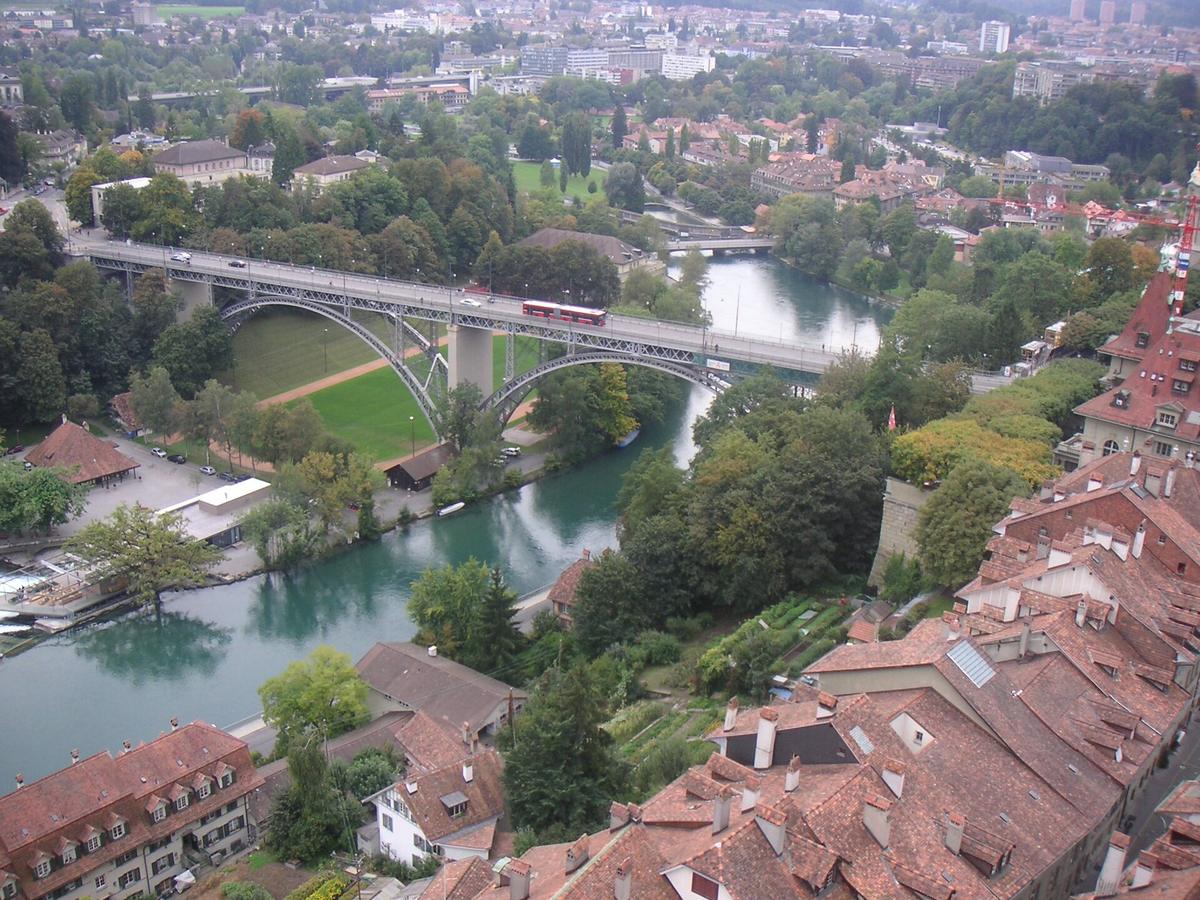

The Cantonal Patchwork: How Linguistic Regions Divide the Calendar
German-Speaking Cantons
Switzerland public holidays follow a pattern by linguistic region. The German-speaking cantons break into two groups. Protestant cantons like Zurich, Bern, and Basel Stadt observe 7 to 8 holidays and skip Catholic observances: Corpus Christi, Assumption on 15 August, All Saints' Day on 1 November, and Immaculate Conception on 8 December. Catholic German cantons like Lucerne, Uri, Schwyz, Obwalden, Nidwalden, and Zug observe up to 15 days per year, including all those Catholic holidays plus St Joseph's Day on 19 March and Berchtoldstag on 2 January.
French-Speaking Cantons
The French-speaking cantons, Geneva, Vaud, Neuchatel, and Jura, are mostly Protestant and observe 7 to 9 holidays. Geneva has its own Geneva Fast Day, the Thursday after the first Sunday in September. Vaud has Monday of the Federal Fast, the third Monday in September. Jura has the most generous French Swiss calendar because it is a Catholic canton created from parts of Bern: it observes Corpus Christi, Assumption, All Saints' Day, and its own Republic Day on 1 March and St Martin's Day on 11 November.
Italian and Romansh Cantons
The Italian-speaking canton, Ticino, is entirely Catholic and observes up to 15 days. It adds St Joseph's Day on 19 March, Corpus Christi, Assumption, All Saints' Day, Immaculate Conception, and St Peter and St Paul on 29 June, which is unique to Ticino. The Romansh-speaking canton, Graubunden, is mixed. It observes Immaculate Conception on 8 December and St Joseph's Day on 19 March, but not as many Catholic dates as Ticino or central Catholic cantons.
The Moveable Holidays You Cannot Ignore
Easter Sunday moves with the lunar calendar and determines the dates of Good Friday, Easter Monday, Ascension Day (40 days after Easter), Whit Sunday (50 days after Easter), Whit Monday, and Corpus Christi (60 days after Easter). In a year when Easter falls early, this cluster pushes through March, April, and May. In a late Easter year, it crowds into May and June. The practical impact: four to six long weekends between March and June, all with Sunday timetable transport and closed shops. Museum hours vary. The Bern Historical Museum, the Kunsthaus Zurich, and the Fondation Beyeler in Riehen open on Easter Monday but close on Good Friday. Check the institution's own calendar before you go.
The One Thing That Most Often Goes Wrong
Visitors arrive on a Sunday or a cantonal public holiday assuming a major Swiss city functions like a major city anywhere else. It does not. Zurich on a Sunday is half empty. Geneva on the Geneva Fast Day in September has closed government offices and a reduced retail zone. The hotel concierge cannot open the supermarket for you. The SBB ticket machine still sells tickets, so transport works. The Coop around the corner is locked. The failure is always the same: hunger, boredom, and a forced meal at a tourist restaurant charging double what the same dish costs on a Tuesday. Check which holidays your destination observes before you book. Look up the canton's official holiday calendar. It is a five-minute task that saves you from a silent Sunday with no bread and no backup plan.
Switzerland Public Holidays: the Seven Questions Visitors Actually Ask
Is everything closed on Swiss National Day on 1 August?
Government offices, post offices, banks, and most shops close. Restaurants and museums in tourist areas stay open, but smaller village restaurants may close. Public transport runs on a Sunday schedule. Treat the day like a hard Sunday and stock supplies on 31 July.
Can I buy groceries on Sunday in Switzerland?
Yes, but only at shops inside major railway stations. Coop and Migros at Zurich HB, Geneva Cornavin, Basel SBB, and Bern HB are open Sunday, 06:00 to 22:00. Shops in small village stations close earlier or shut entirely on Sunday.
Which canton has the most public holidays?
Ticino, Lucerne, Uri, Schwyz, Obwalden, Nidwalden, Appenzell Innerrhoden, Jura, and Valais observe up to 15 public holidays per year. Zurich, Geneva, Basel Stadt, Aargau, Neuchatel, and Vaud observe as few as 7 to 8.
Do trains run on public holidays?
Yes, but on a Sunday or holiday timetable, which means reduced frequency on regional and mountain routes. Intercity connections remain reliable. Check the SBB Mobile app for exact schedules.
What is the difference between Zurich and Geneva public holidays?
Zurich observes Berchtoldstag on 2 January and Labour Day on 1 May. Geneva does not observe either. Geneva observes its own Geneva Fast Day in September, which Zurich does not. Neither observes Corpus Christi, Assumption, or All Saints' Day because both are Protestant cantons.
Are museums open on Swiss public holidays?
Many museums in tourist areas remain open on public holidays, but closure patterns vary by institution. The Kunsthaus Zurich, Fondation Beyeler, and Chateau de Chillon open on major holidays. Verify on the museum's own website before travelling.
What happens to construction sites on public holidays?
Construction work is prohibited on public holidays due to noise restrictions. This rarely affects visitors directly, but you may notice quieter streets and no scaffolding work near landmarks.
Read next
-
 Staying Connected in Switzerland With eSIM, Local SIM, or Roaming
Compare eSIM, local Swisscom or Salt SIM, and roaming for reliable mobile data across Swiss cities and high Alpine valleys.
Staying Connected in Switzerland With eSIM, Local SIM, or Roaming
Compare eSIM, local Swisscom or Salt SIM, and roaming for reliable mobile data across Swiss cities and high Alpine valleys.
-
 When to Visit Switzerland and What Each Season Actually Delivers
July and August deliver reliable high-alpine hiking at peak hotel rates. Mid-April to early June brings lift closures, mud, and snow-blocked passes.
When to Visit Switzerland and What Each Season Actually Delivers
July and August deliver reliable high-alpine hiking at peak hotel rates. Mid-April to early June brings lift closures, mud, and snow-blocked passes.
-
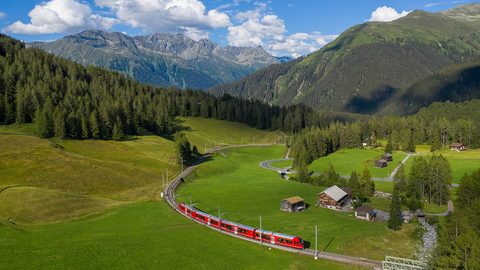 Swiss Travel System Explained and What the Map Oversells
The Swiss Travel Pass covers most trains, buses, and boats, but not mandatory seat reservations on the Glacier Express and Bernina Express, which sell out in
Swiss Travel System Explained and What the Map Oversells
The Swiss Travel Pass covers most trains, buses, and boats, but not mandatory seat reservations on the Glacier Express and Bernina Express, which sell out in
-
 Switzerland Visa Rules for Schengen Travelers and Everyone Else
Switzerland is in Schengen but not the EU. Visa requirements depend on your passport, and the application process involves cantonal immigration offices.
Switzerland Visa Rules for Schengen Travelers and Everyone Else
Switzerland is in Schengen but not the EU. Visa requirements depend on your passport, and the application process involves cantonal immigration offices.
-
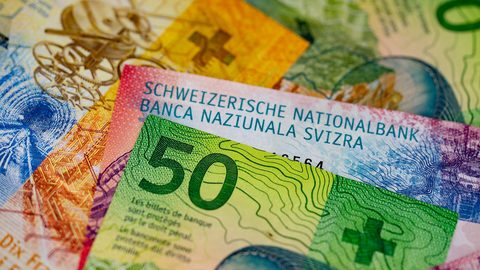 Swiss Francs, Card Payments and Where Cash Still Wins in Switzerland
Switzerland uses the Swiss franc, not the euro. Cards work almost everywhere in cities, but mountain huts and small vendors often demand cash.
Swiss Francs, Card Payments and Where Cash Still Wins in Switzerland
Switzerland uses the Swiss franc, not the euro. Cards work almost everywhere in cities, but mountain huts and small vendors often demand cash.
-
 Switzerland Safety Advice Without the Hype
The train from Zurich Airport to Zurich HB takes 10 minutes. A one-way second-class ticket costs a few francs, set by SBB and updated on their website.
Switzerland Safety Advice Without the Hype
The train from Zurich Airport to Zurich HB takes 10 minutes. A one-way second-class ticket costs a few francs, set by SBB and updated on their website.
-
 A Ground-Level Logistics Guide to Independent Travel in China
First-time independent travel in China: what you need to know about visas, rail booking, eSIMs, mobile payments, and power adapters.
A Ground-Level Logistics Guide to Independent Travel in China
First-time independent travel in China: what you need to know about visas, rail booking, eSIMs, mobile payments, and power adapters.
-
 How Solo Travelers Stay Ahead of Flight Delays and Cancellations
How solo travelers can track inbound aircraft, claim rebooking rights, and adjust ground transport when flights go wrong — step by step.
How Solo Travelers Stay Ahead of Flight Delays and Cancellations
How solo travelers can track inbound aircraft, claim rebooking rights, and adjust ground transport when flights go wrong — step by step.
-
 Why Your eSIM Might Not Work Abroad and How to Check Before You Go
Buying an eSIM doesn't guarantee signal abroad. Learn why coverage fails by location and how to verify reach before you commit to a plan.
Why Your eSIM Might Not Work Abroad and How to Check Before You Go
Buying an eSIM doesn't guarantee signal abroad. Learn why coverage fails by location and how to verify reach before you commit to a plan.