Walking the Art Deco Historic District on Miami Beach
The Miami Beach Art Deco Historic District spans over 800 pastel buildings along Ocean Drive and beyond. Guided tours from the Welcome Center access interiors.

Walking the Art Deco Historic District on Miami Beach
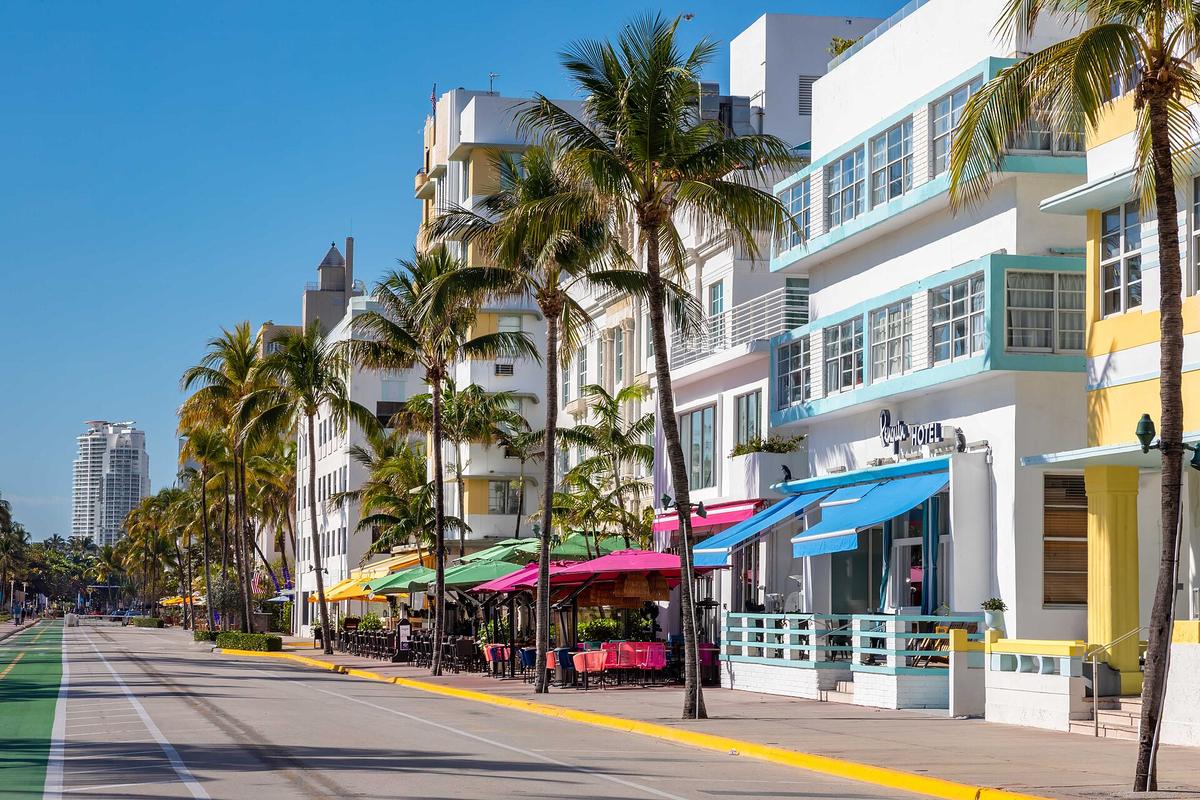
Most visitors to South Beach walk past the pastel facades on Ocean Drive without understanding what they are actually looking at. The miami beach art deco historic district walk solves that: it turns a stroll past candy colored hotels into a lesson in 1930s tropical architecture. The district is not the party strip, though the party strip runs right through it. It is a legally protected collection of roughly 800 structures in three styles Art Deco, Mediterranean Revival and Miami Modern (MiMo) that were built between 1923 and 1943 and listed on the U.S. National Register of Historic Places in 1979. You can walk it free at any hour. The question is what you get from the walk if you do it alone versus with a guide from the Miami Design Preservation League.
- Official Name: Miami Beach Architectural Historic District
- Designation: U.S. National Register of Historic Places, listed 1979
- Boundaries: Atlantic Ocean (east), Alton Road (west), 6th Street (south), Drayton Court (north)
- Area: 1.3 square kilometers (0.5 square miles)
- Contributing Buildings: Approximately 800
- Predominant Styles: Art Deco, Mediterranean Revival, Miami Modern (MiMo)
- Construction Period: 1923 to 1943
- Preservation Body: Miami Design Preservation League (MDPL)
- MDPL Visitor Center: 1001 Ocean Drive, Miami Beach, FL 33139
- Self-Guided Walk Duration: 1 to 2 hours
- Guided Tour Duration: 90 minutes
- Best Photography Time: Within 1 to 2 hours after sunrise
- Peak Season: November through April
What the Ocean Drive Art Deco Buildings Miami Actually Show You
Reading The Ocean Drive Facades
The ocean drive art deco buildings miami section of the district runs from roughly 6th Street up to 14th Place. This is the postcard strip the one that appears in every film and every Instagram post about South Beach. The hotels here are four and five story pastel structures with curved corners, glass block accents, neon signage and the signature features that define Miami Beach Art Deco: porthole windows, eyebrow ledges that shade the upper facades, and terrazzo floors in the lobbies.
The Colony Hotel on Ocean Drive is the most photographed structure in the district. Its vertical neon tower and cream and aqua facade set the template. Walk south to the Leslie Hotel at 1244 Ocean Drive and notice the stepped roofline and the deep set windows that create the look of a streamlined ocean liner. These places were designed to cool passengers before air conditioning: the eyebrow ledges block direct sun, the terrazzo floors conduct heat away, and the pastel paint reflects rather than absorbs sunlight.
Starting At The Welcome Center
Stop at the Art Deco Welcome Center at 1001 Ocean Drive. This is the Miami Design Preservation League visitor center and the only place inside the district where you can pick up a paper map, buy a guidebook, or join an official tour. The self guided tour route begins here. Head north along Ocean Drive first, then turn west onto one of the cross streets like 11th Street or 13th Street to see the side streets where the residential Art Deco structures sit. The district boundaries extend west to Alton Road and north to Drayton Court, so the best examples of MiMo style from the 1950s are along Collins Avenue north of 14th Street. Do not stop at Ocean Drive. That is where the bars and restaurants are, not the best architecture.
How the Art Deco District Self Guided Tour Works
The art deco district self guided tour requires no booking, no payment and no start time. You simply walk the boundaries described above and look. Allow 1 to 2 hours. Start at the MDPL visitor center on Ocean Drive between 10th and 11th Streets. Pick up the free walking map that shows the location of landmarked structures. The map marks roughly 30 places that are worth a pause.
Walk A Loop, Not A Line
The route works best if you walk a loop. Go north on Ocean Drive to 14th Street. Turn west one block to Collins Avenue and walk south. At 10th Street turn back east toward the beach. This gives you the Ocean Drive facades plus the Collins Avenue hotels that often have better preserved lobby interiors because they are quieter than the Ocean Drive party hotels. The terrazzo floors at the Park Central Hotel on Ocean Drive and the glass block walls at the Winter Haven Hotel at 1400 Collins Avenue are worth the detour.
Timing The Light And The Crowds
For the miami beach pastel architecture you came for, arrive within 1 to 2 hours after sunrise. The low angle light hits the facades straight on, casting shadows under the eyebrow ledges and making the pastel colors pop against the blue sky. Pedestrian traffic is minimal at 7:30 a.m. even in peak season. By 10 a.m. the sidewalk fills with tour groups, joggers and the first bar crowds. Photography becomes harder and the heat from September through October can make the walk miserable by midday.
The Art Deco Welcome Center Miami Beach Guided Tour Question
The art deco welcome center miami beach at 1001 Ocean Drive runs guided walking tours multiple times daily. The schedule changes by season and day of the week. In peak winter months from November through April tours run roughly every two hours starting at 10:30 a.m. In summer May through October frequency drops to two or three per day. Each tour lasts 90 minutes and covers about 1.6 kilometers of the district including the Ocean Drive corridor and several side streets.
Book Ahead In High Season
Book ahead if you are visiting between December and April. Walk up availability exists but the first tour slot of the morning sells out by 9:30 a.m. during Art Basel Miami Beach in early December and during spring break in March. The MDPL website publishes the current fee, which is set by the preservation league. The guided tour gets you inside building lobbies that the self guided walk cannot enter. The guides are trained by the Miami Design Preservation League and explain the difference between Streamline Moderne and Depression Moderne, the two sub styles of Miami Beach Art Deco. They also point out the restorations that got the details wrong, which is information the self guided map does not provide.
When To Skip The Guide
Skip the guided tour if you only want a photo walk. Take it if you want to understand why a structure with porthole windows and a flagpole stands a few doors down from one with a tiled Catalan roof. The difference is that the first is Art Deco and the second is Mediterranean Revival, and the district protects both styles under the same historic designation.
How the District Relates to the Rest of Miami Beach
The Art Deco Historic District covers 0.5 square miles of South Beach. It is not the whole beach town. South Beach runs south of 23rd Street and includes the district plus Lummus Park, the beachfront green space directly east of Ocean Drive. Lummus Park is where you go when the architecture tour ends and you want to lie on sand or swim. South Pointe Park Pier sits 1.6 kilometers south of the district boundary at the southern tip of the island. Lincoln Road Mall runs along the western edge of the district and is where you find pedestrian only shopping and dining that does not involve a cover charge.
Leave South Beach
Mid Beach starts north of 23rd Street. That is where the quieter luxury hotels sit. North Beach starts around 63rd Street and has a local low rise feel, old Miami architecture that predates the Art Deco craze. The common mistake visitors make is staying only on South Beach and never crossing a causeway. Miami is a car dependent city where distances between neighborhoods feel longer than they look on a map. From the Art Deco Welcome Center to Little Havana is a 15 minute drive across the MacArthur Causeway. From the same spot to Wynwood is 12 minutes. From the same spot to Coral Gables is 25 minutes. If you only see the district you are seeing 0.5 square miles of a city that covers 56 square miles.
Pair It With A Second Stop
The district is best visited as a morning activity. Combine it with the Bass museum at 2100 Collins Avenue, which sits adjacent to the northern boundary of the district, or with the Holocaust Memorial Miami Beach on Meridian Avenue, a 0.8 kilometer walk west from Ocean Drive. Pair it with lunch on Española Way, a Mediterranean Revival pedestrian street between 14th and 15th Streets that is not part of the district but looks like it could be. The district is not a full day activity. Give it 90 minutes guided or 2 hours self guided, then move on to something else.
What to Skip and What to Avoid
Do not confuse the district with the South Beach party scene. The bars inside the Art Deco hotels on Ocean Drive are loud, expensive and filled with people who are not looking at the architecture. The structures are the point, not the bars inside them. If you want a drink in a historic lobby the Betsy Hotel on Ocean Drive between 14th and 15th Streets runs a quieter lounge that respects the building, but most of the Ocean Drive hotel bars charge resort prices for a beer and play music loud enough that you cannot hear a guide if you are on a tour.
Skip The Rental Car
Parking in South Beach is predatory. Garages on 7th Street, 13th Street and 16th Street charge daily rates that climb steeply. Street parking requires a mobile app and knowledge of resident only zones. Skip the rental car for the district visit if you are staying on the beach. Use the free Miami Beach Trolley Collins Link or South Beach Loop routes to get to Ocean Drive. If you are coming from Miami International Airport take the Metrorail Orange Line to downtown, then transfer to a bus across the causeway. The Metromover downtown is free but the Metrorail is not. Tourists confuse them constantly and incur fines.
Worst Times To Visit
Do not visit the district late August through October unless you are prepared for afternoon downpours that flood streets within 20 minutes. The humidity at that time makes a 90 minute walk feel twice as long. Do not visit on Memorial Day weekend late May when Urban Beach Week crowds and gridlock make Ocean Drive impassable. The lowest visitor density runs May through October excluding those holidays and Art Basel week. That is the time for quiet mornings on the sidewalk but you pay for it with heat and rain.
Common Questions
Is the Art Deco Historic District free to walk?
Yes. The sidewalks and public streets are free and open at all hours. The only cost is for the guided tour run by the Miami Design Preservation League from the Art Deco Welcome Center at 1001 Ocean Drive. The self guided route costs nothing.
How long does it take to walk the Art Deco District on your own?
Between 1 and 2 hours, depending on how many structures you stop to photograph. The guided tour runs exactly 90 minutes. The self guided route covers the same ground but without lobby access.
What is the best time of day to photograph the buildings?
Within 1 to 2 hours after sunrise. The low angle light hits the pastel facades directly and pedestrian traffic is minimal. By 10 a.m. the sidewalk crowds make clean shots difficult.
Can you go inside the Art Deco hotels?
Lobbies are open to the public during the day but the guest room floors are restricted. The guided tour from MDPL gets you inside several lobby spaces and explains the architectural details like terrazzo floors and glass block walls. On a self guided walk you can step into lobbies that do not have a doorman, but you should be respectful and brief.
Where does the Art Deco District start and end?
The official boundaries are the Atlantic Ocean to the east, Alton Road to the west, 6th Street to the south and Drayton Court to the north. All of Ocean Drive within those boundaries is part of the district. A northern extension runs along Collins Avenue and Ocean Drive.
Read next
-
 Miami Hotels, What the Price Bands Actually Get You Across the City
Miami hotel prices swing wildly by season, and a resort fee can reshape the total. Here is what each price band actually delivers across the city.
Miami Hotels, What the Price Bands Actually Get You Across the City
Miami hotel prices swing wildly by season, and a resort fee can reshape the total. Here is what each price band actually delivers across the city.
-
 Where to Stay in Miami, Choosing a District That Matches Your Trip
Every Miami district forces a trade-off between beach access, walkability, nightlife, and budget. This guide matches neighborhoods to the trip you actually want.
Where to Stay in Miami, Choosing a District That Matches Your Trip
Every Miami district forces a trade-off between beach access, walkability, nightlife, and budget. This guide matches neighborhoods to the trip you actually want.
-
 Flying Into Miami MIA vs FLL and Getting Out of the Airport
The assumption most first time visitors make is that Miami International Airport serves Miami and Fort Lauderdale Hollywood International serves Fort
Flying Into Miami MIA vs FLL and Getting Out of the Airport
The assumption most first time visitors make is that Miami International Airport serves Miami and Fort Lauderdale Hollywood International serves Fort
-
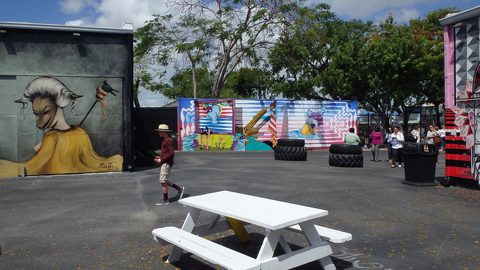 Things to Do in Miami, Ordered by Whether It Is Worth Your Limited Time
Not every Miami attraction earns its place on a four-day itinerary. This guide ranks what to do by how much of your limited time it deserves.
Things to Do in Miami, Ordered by Whether It Is Worth Your Limited Time
Not every Miami attraction earns its place on a four-day itinerary. This guide ranks what to do by how much of your limited time it deserves.
-
 When to Visit Miami and What Each Season Does to the City
Miami's seasons reshape everything: hotel rates, beach comfort, traffic, and whether you will need an umbrella at 3pm every day. Here is the pattern.
When to Visit Miami and What Each Season Does to the City
Miami's seasons reshape everything: hotel rates, beach comfort, traffic, and whether you will need an umbrella at 3pm every day. Here is the pattern.
-
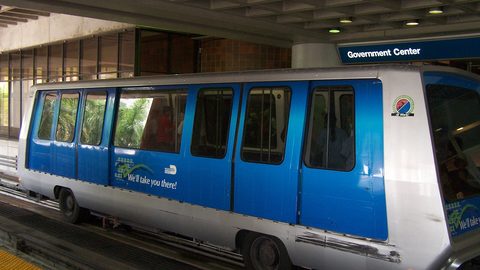 Getting Around Miami Without Wasting Half Your Trip in Traffic
Miami's transport mix confuses visitors: free Metromover, paid Metrorail, costly parking, and causeway gridlock. Here is how to move without losing half your day.
Getting Around Miami Without Wasting Half Your Trip in Traffic
Miami's transport mix confuses visitors: free Metromover, paid Metrorail, costly parking, and causeway gridlock. Here is how to move without losing half your day.
-
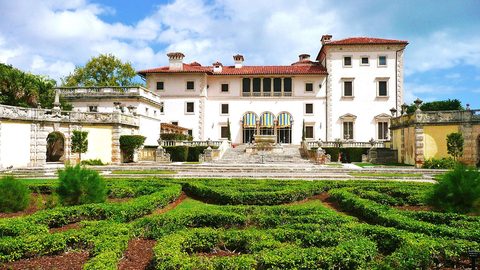 Vizcaya Museum and Gardens
 is a Gilded Age bayfront estate in Miami. Book ahead with timed entry to avoid queuing at the gate and again at the house.
Vizcaya Museum and Gardens
Vizcaya Museum and Gardens is a Gilded Age bayfront estate in Miami. Book ahead with timed entry to avoid queuing at the gate and again at the house.
-
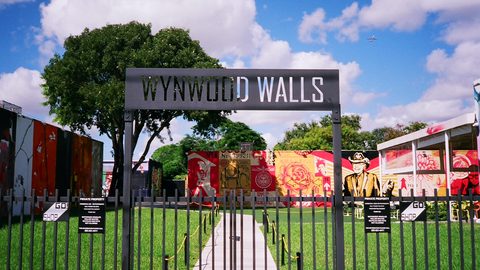 Wynwood Walls
 is a ticketed outdoor street-art compound in Miami's Wynwood district. Advance timed entry is essential to avoid long queues or sell-outs.
Wynwood Walls
Wynwood Walls is a ticketed outdoor street-art compound in Miami's Wynwood district. Advance timed entry is essential to avoid long queues or sell-outs.
-
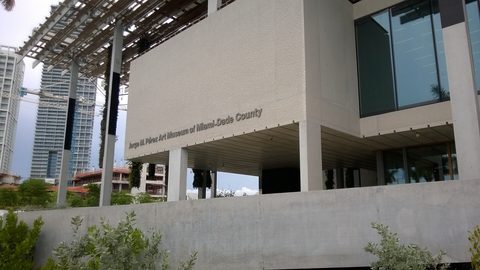 Perez Art Museum Miami
The Pérez Art Museum Miami sits on Biscayne Bay with hanging gardens and a Latin American contemporary collection. It closes Wednesdays, so check before you go.
Perez Art Museum Miami
The Pérez Art Museum Miami sits on Biscayne Bay with hanging gardens and a Latin American contemporary collection. It closes Wednesdays, so check before you go.