Essential Mexico Currency and Payment Tips for a Smooth Trip
Mexico runs on pesos and cash still rules markets, colectivos, and street food. Here is how to avoid the ATM conversion trap and when to use a card.
The One Rule About Money in Mexico
Bring pesos. That is the rule. US dollars work in some border zones and resort hotels, but the rate you get is punishing and change comes in pesos, if it comes at all. The Mexican peso uses ISO code MXN and the same $ symbol you know. Prices sometimes appear with "MN" for moneda nacional.
Banknotes come in 20, 50, 100, 200, 500, and 1,000 pesos. Coins circulate in 5, 10, 20, and 50 centavos, plus 1, 2, 5, 10, and 20 pesos. You need small bills constantly. A MXN 1,000 note is dead weight at a market stall or a colectivo van. Nobody can break it.


Mexican Peso Cash vs Card: Where Each Works and Where it Does Not
Where Cards Work
Visa and Mastercard are accepted at hotels, restaurants, and chain stores in Mexico City, Cancun's Zona Hotelera, Guadalajara, and other urban centres. Mid-range boutiques, supermarket chains like Chedraui and Soriana, and fuel stations take them too. American Express is less common. Expect it to work only at upscale businesses and major chains. Contactless payment is growing in urban retail but is far from universal. You cannot count on your phone or watch alone.
Where Cash Is Mandatory
Cash rules these situations: colectivo vans on regional routes, street food stalls, market stalls, small-town tiendas, public market bathrooms, parking lot attendants, and anywhere you haggle. The Yucatan peninsula runs on cash once you leave the hotel strip. A tlayuda seller in Oaxaca, a marquesita cart in Merida, and the esquites vendor in San Cristobal all need coins. The same goes for the bagger at a supermarket: MXN 5 to 10, handed directly to the person who packed your groceries.
Do not rely on cards for getting around. ADO bus tickets can be bought with a card at the station. Colectivo vans require cash in pesos. Uber accepts card payment in the app, but the driver may ask for a tip in cash. If your phone battery dies or your card is declined, you need physical money to get home.
The Mexico ATM Conversion Scam: Always Decline the Offer
Every ATM in Mexico asks one strange question after you insert your card: do you want to accept the machine's conversion rate from MXN to your home currency? The correct answer is always no.
This is Dynamic Currency Conversion. The ATM shows you a conversion offer in your own currency, often with reassuring language. Accepting it costs you between 3% and 7% extra on the transaction. The rate your bank applies without this conversion is almost always better. Decline the conversion. The machine dispenses Mexican pesos and your bank handles the exchange on their standard terms.
ATMs in airports and resort strips also tend to dispense USD if you pick the wrong option. Do not select that. Withdraw pesos only.
Finding a Reliable Machine
The ATM network is extensive in cities and towns. Sparse in rural villages. Plan ahead for the latter. Most ATMs accept international cards on Plus or Cirrus networks. Withdrawal fees vary by bank, and withdrawal limits also vary. If you need more, you may need to make multiple withdrawals on consecutive days or use a different bank's machine. Stick to ATMs attached to a bank branch during business hours. Fewer jammed cards. Fewer emptied machines.
How Much Cash to Bring to Mexico
Carry enough cash to cover your daily expenses for markets, transport, and tips. Budget MXN 500 to 1,000 per person per day for cash-only spending. The exact amount depends entirely on your itinerary. Eating at street stalls, taking colectivos, and shopping at markets? That lower figure is sufficient. Drinking mezcal in a high-end mezcaleria in Oaxaca Centro, or buying crafts? Budget higher.
Withdraw pesos from ATMs as you go. A single ATM visit after arrival at Mexico City International or any major airport is the smoothest way to start. Avoid airport currency exchange desks entirely. Their rates are worse than an ATM withdrawal of the same amount.
Do not bring large amounts of US dollars and expect to spend them. Converting dollars in Mexico is slow, and the rate at exchange houses is worse than a card withdrawal. If you do bring dollars, bring crisp, new bills. Old or damaged notes are refused.
The Mexico Tipping Guide: Who Gets What
Tipping in Mexico follows clear customs. Know them so you do not over tip or under tip.
At a sit-down restaurant, leave 10% to 15% of the pre-tax bill if service is not already included. Some restaurants add a line marked "servicio" to the bill. Check whether that charge goes to the staff before you add more. If it does, the service charge covers the tip and extra is optional. At a bar, leave 10% to 15% or MXN 10 to 20 per round. Bartenders in a busy mezcaleria in Oaxaca or a craft beer bar in Guadalajara Americana expect it.
Hotel bellhops get MXN 20 to 50 per service. Housekeeping gets MXN 20 to 50 per night, left daily because the assigned cleaner may change. Gas station attendants pump your fuel, clean your windshield, and check your oil. Tip MXN 5 to 10 for this. Tour guides get 10% to 20% of the tour cost. If the tour was excellent, go to the higher end.
Taxi drivers do not expect a tip. Rounding up the fare is standard. Ride-share drivers also do not expect a tip in the app. Cash as a thank you is fine but not required.
Practical Payment Scenarios
At a supermarket checkout, the bagger will pack your groceries. Hand them MXN 5 to 10 directly. Do not add it to the card payment. At a street stall, assume cash only. At a market like the one in Oaxaca Centro, cash only.
Colectivos and Rural Transport
The colectivo van network that connects towns in the Yucatan and highlands requires cash in pesos. Have exact change. Drivers cannot break a MXN 200 note. The same rule applies to shared vans from San Cristóbal de las Casas to Sumidero Canyon or from Merida to Chichén Itzá.
Fuel Stations
Magna and Premium are both full service. A pump attendant fills your tank, cleans the windscreen, and checks tyre pressure. Most stations accept cash and cards. Have small bills ready for the tip regardless of how you pay for fuel.
Paying at Restaurants
Ask for the bill by saying "la cuenta, por favor." Review it for any added service charge before tipping. If you are satisfied and no servicio was added, leave 10% to 15% in cash on the table. Handing cash directly to the server is preferred. If you must pay by card, write the total including the tip on the slip.
What Goes Wrong and How to Avoid it
The single most common failure is the tourist price. Menus without prices in beach zone restaurants in Tulum or Cancun can be a trap. Always ask the price before ordering. The second most common failure is assuming a card will work at a small-town tienda or a cenote entrance. It will not.
ATMs run out of cash on weekends and on holiday weeks like Semana Santa and Christmas. Headed to a remote area like Calakmul or the Copper Canyon? Withdraw cash in the nearest city before you leave. Do not count on finding a working ATM at your destination.
Police shakedowns targeting rental cars with foreign plates are a known friction point on routes between Tulum and Bacalar. Have your licence and a copy of your passport ready. Stay calm. Do not offer cash unless the officer makes it clear that is the only option, and never hand over your original passport.
Common Questions
Should I exchange money before I leave for Mexico?
No. Withdraw pesos from an ATM after you arrive. Airport ATMs are fine if you decline the conversion offer. Airport exchange desks and your home bank both give worse rates.
Can I use US dollars in Mexico?
Limited. Some border towns, resort hotels, and tour operators accept dollars, but change is usually given in pesos at a poor rate. Outside the border zone and resort strips, dollars are not accepted. Always carry pesos.
What happens if I accept the ATM conversion offer?
You lose 3% to 7% on the exchange rate. The machine offers to convert the amount to your home currency. Decline it. Your bank handles the conversion on better terms.
Is it safe to use credit cards in Mexico?
Yes, in urban areas and at reputable businesses. Use a card with chip and PIN, and keep it visible. Avoid letting the card out of your sight at restaurants and shops. Fraud is rare but not unknown.
How much should I tip a tour guide?
10% to 20% of the tour cost. For a half-day trip to Teotihuacán or a boat trip through Sumidero Canyon, hand the tip in cash directly to the guide.
Read next
-
 Staying Connected in Mexico, eSIM, Telcel SIM, or Roaming
Compare eSIM providers against a physical Telcel SIM for a Mexico trip. Coverage in remote areas like the Copper Canyon and Chiapas decides the winner.
Staying Connected in Mexico, eSIM, Telcel SIM, or Roaming
Compare eSIM providers against a physical Telcel SIM for a Mexico trip. Coverage in remote areas like the Copper Canyon and Chiapas decides the winner.
-
 When to Go to Mexico Without Melting, Getting Rained Out, or Paying Double
Mexico's dry season runs December to March with perfect weather and peak prices. Hurricane season hits the coasts from August to October.
When to Go to Mexico Without Melting, Getting Rained Out, or Paying Double
Mexico's dry season runs December to March with perfect weather and peak prices. Hurricane season hits the coasts from August to October.
-
 Getting Around Mexico When the Map Makes Distances Look Shorter Than They Are
Mexico is 1.96 million square kilometres. ADO buses are the backbone, colectivos rule the Yucatán, and Uber works until it doesn't.
Getting Around Mexico When the Map Makes Distances Look Shorter Than They Are
Mexico is 1.96 million square kilometres. ADO buses are the backbone, colectivos rule the Yucatán, and Uber works until it doesn't.
-
 Mexico Visa Rules and the FMM Tourist Card Explained Without the Guesswork
Most visitors to Mexico do not need a visa, but everyone needs an FMM tourist card. Here is who qualifies, how to get it, and what it costs.
Mexico Visa Rules and the FMM Tourist Card Explained Without the Guesswork
Most visitors to Mexico do not need a visa, but everyone needs an FMM tourist card. Here is who qualifies, how to get it, and what it costs.
-
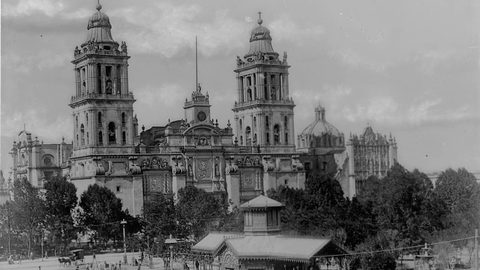 Mexico Safety Advice That Does Not Come From a Clickbait Headline
Mexico's safety headlines rarely describe the risks travellers actually face. Here is how to read the advice, avoid police shakedowns, and navigate taxi conflicts.
Mexico Safety Advice That Does Not Come From a Clickbait Headline
Mexico's safety headlines rarely describe the risks travellers actually face. Here is how to read the advice, avoid police shakedowns, and navigate taxi conflicts.
-
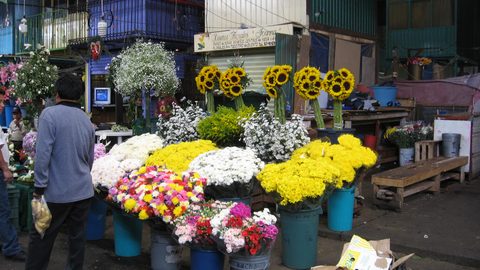 What a Trip to Mexico Costs, from Street Taco to Boutique Hotel
Mexico trip costs vary wildly by region and travel style. Here's what a day actually costs, from street stalls in Oaxaca to beach clubs in Tulum.
What a Trip to Mexico Costs, from Street Taco to Boutique Hotel
Mexico trip costs vary wildly by region and travel style. Here's what a day actually costs, from street stalls in Oaxaca to beach clubs in Tulum.
-
 How to Budget a Trip Based on Purchasing Power, Not Just Exchange Rates
Exchange rates tell only half the story. See how purchasing power shapes your real travel budget across Southeast Asia, Eastern Europe, and Latin America.
How to Budget a Trip Based on Purchasing Power, Not Just Exchange Rates
Exchange rates tell only half the story. See how purchasing power shapes your real travel budget across Southeast Asia, Eastern Europe, and Latin America.
-
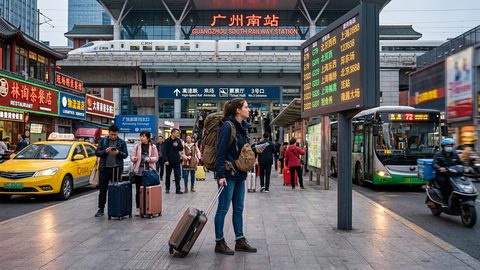 A Ground-Level Logistics Guide to Independent Travel in China
First-time independent travel in China: what you need to know about visas, rail booking, eSIMs, mobile payments, and power adapters.
A Ground-Level Logistics Guide to Independent Travel in China
First-time independent travel in China: what you need to know about visas, rail booking, eSIMs, mobile payments, and power adapters.
-
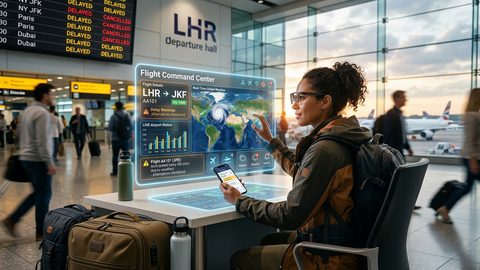 How Solo Travelers Stay Ahead of Flight Delays and Cancellations
How solo travelers can track inbound aircraft, claim rebooking rights, and adjust ground transport when flights go wrong — step by step.
How Solo Travelers Stay Ahead of Flight Delays and Cancellations
How solo travelers can track inbound aircraft, claim rebooking rights, and adjust ground transport when flights go wrong — step by step.