How Hungarys Transport Network Actually Works
Hungary's rail and bus networks radiate from Budapest, forcing cross-country trips through the capital. Validate paper tickets or face a 25,000 HUF fine.
How Hungarys Transport Network Actually Works
Why The Map Lies
The problem is baked into the geography: MÁV rail and Volánbusz bus networks are radial. Almost every line runs through Budapest. What looks like a short direct drive between two regional towns becomes a five-hour train journey that goes into the capital and back out again. This guide exists to show you the workaround.
Your first purchase: the MÁV app and the BudapestGO app. Install both before you leave the airport. The MÁV app sells intercity rail tickets without queuing at Keleti station. BudapestGO covers city trams, metro, and the 100E airport bus. Without these two apps you will stand in line for paper tickets and miss a connection.
On the platform, validate regional rail tickets at the orange box machines before boarding. No validation means a 25,000 HUF fine on the spot. Intercity tickets with a reservation come pre-validated. Check which kind you hold. The conductor will check.
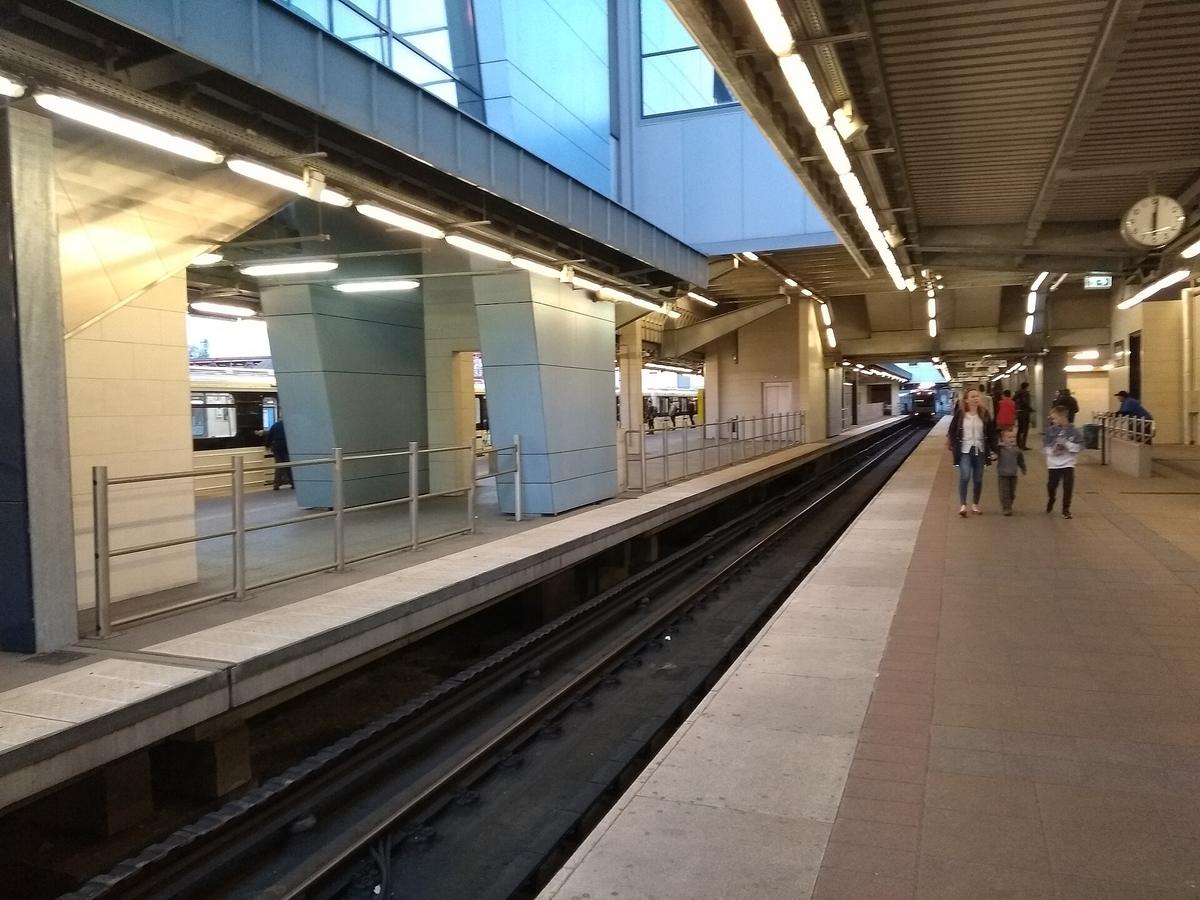

MÁV Train Network Hungary: the Radial Trap
Three Stations, One City
The MÁV network covers roughly 7,600 km of track, but the layout is a spiderweb centred on the capital. Three main stations handle long-distance departures: Keleti, Nyugati, and Déli. To travel from Debrecen in the east to Szombathely in the west, roughly 350 km as the crow flies, you change trains in Budapest. That journey takes over five hours. The same trip by car takes under four.
InterCity trains require a mandatory seat reservation. Regional trains do not, but you must validate the ticket at the orange box before stepping aboard. Intercity tickets are train-specific and dated. Regional tickets are date-specific but not train-specific. Buy the wrong class and you overpay or stand for two hours. Use the MÁV app to filter by train type.
Small-town stations lack lifts. If you travel with a suitcase you will carry it up stairs at places like Balatonfüred or Eger. Pack accordingly.
Volánbusz Bus Hungary Routes: Where the Train Does Not Go
The Village Network
Volánbusz routes reach settlements the railway misses entirely, which is most villages. The bus network is the fallback when MÁV does not serve a destination. Tickets are date and departure specific. Buy them through the Volánbusz online portal, at a station ticket office, or from the driver on board. The driver accepts cash. Carry small-denomination HUF notes.
The bus network suffers the same radial problem as the trains. Cross-country routes still route through Népliget bus station in the capital. A direct bus from Eger to Szeged does not exist. You change in Budapest. For journeys between two points off the Budapest spoke, a rental car saves you roughly half the travel time.
Buses fill up on Friday afternoons in summer, especially on routes to Lake Balaton. Book online ahead or arrive early.
Driving in Hungary Cross-Country: the Only Way to Escape the Spokes
Motorways And The Vignette
Driving cross-country is the single solution to the radial rail problem. The motorway network runs east-west on the M1, M3, M5 and M7, and north-south on the M0 ring road. You must buy an electronic vignette before you drive on these roads. Purchase it at nemzetiutdij.hu and link it to your registration plate. The vignette comes in 10-day, monthly, and annual validity periods. Without one the fine arrives by post to your rental agency.
Speed limits: 50 km/h in built-up areas, 90 km/h on open roads, and 130 km/h on motorways. Hungary enforces a zero-tolerance drink-driving law. The blood alcohol limit is 0.00 percent. One beer and you lose your licence.
Summer Traffic And When To Leave
Summer motorway congestion on the M7 to Lake Balaton is the failure case. Friday afternoons from July through August turn the 130 km drive from the capital to the Balaton north shore into two and a half hours of stop-start traffic. Leave Thursday night or Saturday morning instead. The M0 ring road jams in the same season. Check live traffic on the nemzetiutdij site before you depart.
BudapestGO App Tickets: Your City Transport Key
What The App Covers
The BudapestGO app is valid on all city trams, trolleybuses, metro lines, and suburban HÉV trains within the capital administrative boundary. The app does not work outside the city. Do not use it for a trip to Szentendre or Visegrád. The app also sells the 100E airport bus ticket. Pay at the street-side machine with a card or through the app itself. The bus runs to Deák Ferenc tér in the city centre in 35 to 40 minutes.
An official taxi from the airport booth costs a fixed zonal fare to the centre. Do not take a taxi from the kerbside without a receipt from the booth. The price doubles.
17.jpg)
Seasonal Transport Patterns and the Failure Cases
Summer Crowds And Winter Closures
Lake Balaton regional services increase frequency from June to August, but the crowds still overwhelm the line. The express train to Balatonfüred takes roughly 1.5 to 2 hours. The same journey by car on a Friday afternoon stretches past 2.5 hours. The Danube ferry and hydrofoil services run only from April to October. A winter trip to Visegrád requires a train or car.
Mountain roads in the Mátra and Bükk have winter driving restrictions during sustained snowfall. Check the weather before setting out for Eger or the cave baths. No scheduled domestic flights exist between major cities. A Debrecen to Pécs journey means train, bus, or car. The Hungary Pass offers unlimited rail and bus travel for set day periods; the rate is published by MÁV and changes annually. Check the MÁV site for the current price.
Public transport schedules reduce on national holidays. Shops close on 1 January, 15 March, Easter Monday, 1 May, Whit Monday, 20 August, 23 October, 1 November, and 25-26 December. Avoid 1 May and Easter Monday for rural attractions. They shut entirely.
When Public Transport Fits and When it Does Not
The Budapest Corridor
The train works for point-to-point journeys that begin or end in the capital. Lake Balaton, Eger, Szentendre, and the Danube Bend are all reachable on a single line in under two hours. The train fails for cross-country routes like Debrecen to Pécs, or Sopron to Szeged, where the transfer in Budapest adds hours.
The bus is the option for villages not on the rail network. Hortobágy, Hollókő, and the Tokaj wine cellars all require a bus or car. Hollókő has poor public transport. A rental car turns a 1.5-hour drive from the capital into a manageable day trip.
For wine-route cyclists, EuroVelo routes 6 and 11 cross the country, but dedicated cycle paths between towns are discontinuous. You share roads with cars between sections. Book a rental car if you plan to visit more than two regions in seven days. Three days in the capital, one wine region, Lake Balaton, and a Danube Bend day trip. Without a car you spend one of those days travelling.
Common Questions
What happens if I forget to validate my train ticket at the orange box?
You receive an on-the-spot fine of 25,000 HUF. The conductor will not let you back into the machine to validate retroactively. Check your ticket type before boarding. Intercity tickets with a reservation do not need validation. Regional tickets do.
Can I use the BudapestGO app on Volánbusz buses outside the capital?
No. The BudapestGO app only covers public transport within the city's administrative boundary. For Volánbusz routes you need a separate ticket purchased from the Volánbusz site, a station office, or cash to the driver.
How far ahead should I book InterCity train seats in summer?
At least three days ahead for weekend departures, and a week ahead for travel around the St. Stephen's Day weekend on 20 August. Seats on the Balaton InterCity services sell out by Wednesday for the Friday evening train.
Is it safe to drive with a paper rental agreement at the border to Romania?
Yes, but non-Schengen borders with Romania, Serbia and Ukraine have passport checks. Carry your passport, the rental contract, and the vignette confirmation. The border guards may ask to see all three.
Read next
-
 Staying Connected in Hungary With eSIM, Local SIM or Roaming
eSIM, local SIM, or roaming in Hungary: the ID registration rule, why the BudapestGO app needs data, and where rural signal drops out.
Staying Connected in Hungary With eSIM, Local SIM or Roaming
eSIM, local SIM, or roaming in Hungary: the ID registration rule, why the BudapestGO app needs data, and where rural signal drops out.
-
 Best Time to Visit Hungary by Season and What Gets in the Way
July and August pack Lake Balaton and Budapest, December draws Christmas market crowds, and January to February brings grey cold and rural closures.
Best Time to Visit Hungary by Season and What Gets in the Way
July and August pack Lake Balaton and Budapest, December draws Christmas market crowds, and January to February brings grey cold and rural closures.
-
 Hungary Visa Rules for EU Citizens and Everyone Else
Hungary is in the Schengen zone. EU citizens enter freely, while many non-EU visitors need a Schengen visa applied for at a Hungarian consulate.
Hungary Visa Rules for EU Citizens and Everyone Else
Hungary is in the Schengen zone. EU citizens enter freely, while many non-EU visitors need a Schengen visa applied for at a Hungarian consulate.
-
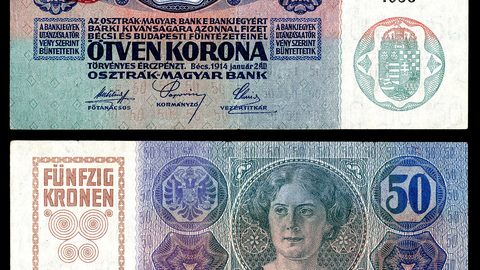 Forint or Euro What You Actually Pay With in Hungary
Hungary uses the forint, not the euro. Cards work in Budapest but rural museums, cellars, and public toilets often demand cash in coins.
Forint or Euro What You Actually Pay With in Hungary
Hungary uses the forint, not the euro. Cards work in Budapest but rural museums, cellars, and public toilets often demand cash in coins.
-
 Safety in Hungary What the Warnings Leave Out
Hungary is safe with low violent crime. The real risks are pickpocketing on Budapest transport, taxi scams, and the occasional tourist-bar overcharge.
Safety in Hungary What the Warnings Leave Out
Hungary is safe with low violent crime. The real risks are pickpocketing on Budapest transport, taxi scams, and the occasional tourist-bar overcharge.
-
 What a Trip to Hungary Costs and How to Shape Your Spending
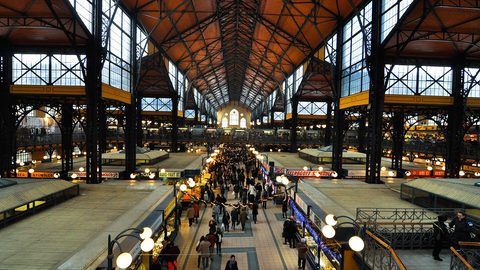
How to think about your Hungary budget: the Budapest-countryside cost split, where cash is still king, and why a daily average hides more than it reveals.
What a Trip to Hungary Costs and How to Shape Your Spending
How to think about your Hungary budget: the Budapest-countryside cost split, where cash is still king, and why a daily average hides more than it reveals.
-
 How to Budget a Trip Based on Purchasing Power, Not Just Exchange Rates
Exchange rates tell only half the story. See how purchasing power shapes your real travel budget across Southeast Asia, Eastern Europe, and Latin America.
How to Budget a Trip Based on Purchasing Power, Not Just Exchange Rates
Exchange rates tell only half the story. See how purchasing power shapes your real travel budget across Southeast Asia, Eastern Europe, and Latin America.
-
 A Ground-Level Logistics Guide to Independent Travel in China
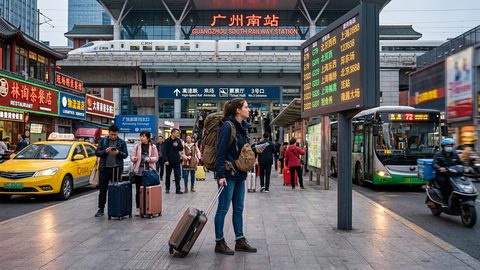
First-time independent travel in China: what you need to know about visas, rail booking, eSIMs, mobile payments, and power adapters.
A Ground-Level Logistics Guide to Independent Travel in China
First-time independent travel in China: what you need to know about visas, rail booking, eSIMs, mobile payments, and power adapters.
-
 How Solo Travelers Stay Ahead of Flight Delays and Cancellations
How solo travelers can track inbound aircraft, claim rebooking rights, and adjust ground transport when flights go wrong — step by step.
How Solo Travelers Stay Ahead of Flight Delays and Cancellations
How solo travelers can track inbound aircraft, claim rebooking rights, and adjust ground transport when flights go wrong — step by step.