Your United Kingdom Trip Cost Breakdown Across All the Essentials
Understand where your money goes on a United Kingdom trip, from the non-negotiable big spends to the choices that genuinely shift the total.
The Shape of a United Kingdom Travel Budget
Most travellers assume the United Kingdom trip cost breakdown starts with London. It doesn't. Accommodation and transport eat roughly two thirds of a typical 10 day budget, and the biggest single variable is not where you sleep but when you buy your train ticket. A walk-up Anytime fare from London to the Scottish capital costs around £180. An Advance Single bought 10 weeks ahead costs about £35. That gap defines how you manage money here: the structural costs are high, but the right booking rhythm collapses them.
The United Kingdom is four distinct nations with three separate tourism bodies, VisitEngland, VisitScotland, and Visit Wales, and a weather system that throws four seasons into a single afternoon. You cannot treat it as one destination. A 10 day trip forces you to pick two regions maximum. London plus the South West. The Scottish capital plus the Highlands. Manchester plus the Lake District. Anything more means spending half your daylight hours on a train.
How Expensive is the UK for Tourists
The United Kingdom sits among the most expensive destinations in Europe for accommodation, restaurant dining, and inter-city rail. A double room in a mid-range chain hotel outside central London runs £100 to £160 per night in summer. In London Zone 1 that same room climbs to £180 to £250. The Scottish capital during the Festival in August hits similar numbers. A pub main course with a soft drink costs £18 to £24. Add a glass of wine and that number jumps to £28 to £35. The supermarket meal deal, a main, a snack, and a drink, costs about £4.50. That difference is the structural budget lever. Self-catering keeps the bottom half of the trip affordable. Restaurant dining three times a day does not.
What is unexpectedly cheap: most national museums and galleries are free. The British Museum, National Gallery, National Museum of Scotland, and National Museum Cardiff all charge zero entry. Public parks and coastal paths cost nothing. Off-peak advance coach tickets with National Express or Megabus start at £5 to £15 for long routes. The floor of a 10 day trip, self-catering, coach travel, hostel dorms, free attractions, sits around £700 per person, excluding flights. The ceiling for a trip using mid-range hotels, restaurant meals, and walk-up rail fares exceeds £3,500.
UK Accommodation Price Ranges
Budget to Mid-Range Beds
Accommodation is the biggest single cost on any United Kingdom trip. The budget tier includes hostel dormitory beds at £25 to £45 per night, university campus rooms available in the summer holiday period from July to September at £50 to £80, basic bed and breakfast accommodation outside city centres at £60 to £90, and pod hotels at £40 to £70. The mid-range tier covers chain hotel double rooms outside Zone 1 London at £100 to £160, well-rated guesthouses at £80 to £130, and self-catering apartments at £90 to £150 per night on a weekly booking. The premium tier in central London and the Scottish capital starts at £220 and has no real ceiling during peak periods.
When Prices Spike and When They Drop
The price spike periods are school summer holidays from late July through August, Christmas and New Year, the Festival in August, and bank holiday weekends. Bank holidays in England and Wales include New Year's Day, Good Friday, Easter Monday, the Early May and Spring bank holidays, the Summer bank holiday in late August, Christmas Day, and Boxing Day. Scotland adds 2 January and St Andrew's Day. Accommodation rates in Cornwall, the Lake District, and the Scottish capital double during these windows. The shoulder season value runs from May through June and September through October. Weather remains moderate and prices drop by 25 to 40 percent. If your dates are flexible, those months deliver the best ratio of cost to quality.
Budget for England Scotland Wales Trip
Splitting Your Nights and Your Rail Spend
A 10 day trip covering England, Scotland, and Wales requires a realistic budget split. Assume 4 nights in London at £170 per night for a mid-range room. Then 3 nights in the Scottish capital at £150. Then 3 nights in a rural location in Wales or the Lake District at £100. That is £1,430 for accommodation alone. Add rail transport: London to Edinburgh on an Advance Single booked ahead costs £35 to £60. Edinburgh to Cardiff or a Welsh destination costs £50 to £80 on an Advance fare. Return to London from Wales costs another £35 to £60. Total transport: £120 to £200 per person for those three legs if booked ahead. Walk-up fares push the same journeys to £400 to £540.
Food, Attractions, and the Pass That Pays
Food adds £15 to £40 per day depending on how many meals you buy from a supermarket versus a restaurant. Attractions: most national museums are free, but Edinburgh Castle costs £19.50 for an adult advance ticket, the Tower of London costs £34.80, and Stonehenge costs £24. A heritage pass changes the math. The English Heritage Overseas Visitor Pass costs £53 for 9 days and covers over 100 sites. The Historic Scotland Explorer Pass costs £42 for 7 days. Both break even at three to five major paid entries. Adding up the core categories: a mid-range 10 day trip for one person, using Advance rail fares and no more than one restaurant meal per day, lands at £2,200 to £2,800. A budget version using hostel accommodation, coach transport, and supermarket meals lands at £700 to £1,000.
Money Saving Tips United Kingdom Travel
Four Structural Moves That Do the Heavy Lifting
Four structural moves save more money than all the small tips combined. First, book Advance rail tickets 8 to 12 weeks ahead. The rail network is the backbone for inter-city travel but the fare structure is punitive for late booking. Advance Singles are quota controlled and sell out. Walk-up Anytime fares are 80 percent more expensive. A Railcard, 16-25, Two Together, Senior, or Family and Friends, cuts about one third off most fares. A £30 card recoups its cost on one long journey. Second, use the coach network for routes where speed does not matter. National Express and Megabus offer fares from £5 to £30 for long routes if booked two weeks ahead. London to the Scottish capital by coach takes 8 hours instead of 4.5 by train. Third, buy food from supermarkets. A meal deal from Tesco or Sainsbury's costs £4.50. A pub main course costs £18. The difference over 10 days is £135 per person. Fourth, stay in self-catering accommodation outside city centres. A cottage in the Lake District for a week costs £500 to £800 and includes a kitchen. A hotel room for the same week costs £900 to £1,300 and does not.
What Not to Cut
The common mistake is trying to save by cutting the wrong things. Do not skip advance booking on the Tower of London or Edinburgh Castle. Do not arrive at a train station and buy a ticket for that day. Do not rent a car for the whole trip unless you are road-tripping rural areas exclusively. Car rental in the Scottish Highlands has higher per-day rates, petrol costs significantly more than in North America, and one-way drop fees add a substantial charge. The smart saving comes from timing and purchase method, not from skipping the things that make the trip work.
Common Questions
Will I need cash in the United Kingdom?
Contactless payment is near universal. Carrying more than £30 in cash marks you as a tourist. Bring one debit card with no foreign transaction fee and a backup credit card. Pubs, taxis, and market stalls all take contactless. Public toilets outside cities charge 30p to 50p, often contactless only.
How do I get from London to Edinburgh on a budget?
Book an Advance Single on LNER 8 to 12 weeks ahead for £35 to £60. The train takes 4.5 hours. A walk-up fare on the day costs £160 to £180. Alternatively, a National Express coach costs £20 to £35 and takes 8 hours. The same booking rule applies. A Railcard cuts about one third off both.
Should I buy a rail pass or book individual tickets?
Individual Advance Singles almost always beat BritRail passes for trips staying in two or three regions. A pass only wins if you are taking four or more long-distance trains in a short period. Compare the cost. A 4-day BritRail pass covering England costs about £230. Four Advance Singles between London, Edinburgh, York, and Manchester cost around £180.
Are the national museums really free?
Yes. The British Museum, National Gallery, Natural History Museum, V&A, Tate Modern, and Tate Britain in London are all free. In the Scottish capital the National Museum of Scotland is free. In Cardiff the National Museum Cardiff is free. The Ulster Museum in Belfast is free. Special exhibitions inside these museums charge entry, often £10 to £18.
When is the cheapest month to travel?
November and January, excluding the Christmas and New Year peak. But the weather is poor with as little as 8 hours of daylight in southern England and rain on two out of three days. The shoulder season of May, June, September, and October offers moderate prices and better weather. Accommodation drops by 25 to 40 percent compared to August. Daylight runs 14 to 16 hours.
Read next
-
 Staying Connected in the United Kingdom with eSIM, Local SIM or Roaming
How to stay connected across the United Kingdom, where mobile signal vanishes in the Highlands, mid-Wales and Lake District valleys regardless of your network.
Staying Connected in the United Kingdom with eSIM, Local SIM or Roaming
How to stay connected across the United Kingdom, where mobile signal vanishes in the Highlands, mid-Wales and Lake District valleys regardless of your network.
-
 Best Time to Visit the United Kingdom by What You Actually Want From It
When to visit the United Kingdom and what each season actually delivers: unreliable weather year-round, summer crowds in national parks, and specific weeks to
Best Time to Visit the United Kingdom by What You Actually Want From It
When to visit the United Kingdom and what each season actually delivers: unreliable weather year-round, summer crowds in national parks, and specific weeks to
-
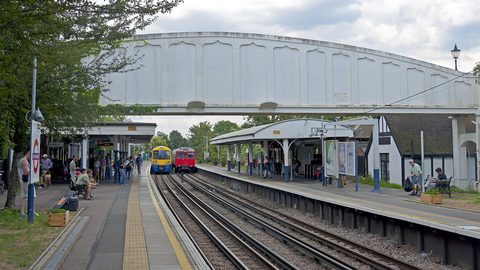 Getting Around the United Kingdom When the Map Lies About Distance
Moving around the United Kingdom by train, car and coach: why rail fares punish last-minute booking, and what the road map does not tell you about journey times.
Getting Around the United Kingdom When the Map Lies About Distance
Moving around the United Kingdom by train, car and coach: why rail fares punish last-minute booking, and what the road map does not tell you about journey times.
-
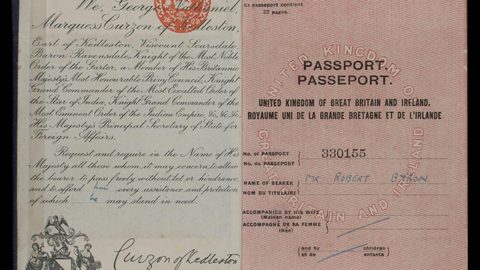 United Kingdom Visa and ETA Rules Without the Government Jargon
Who needs a visa or ETA for the United Kingdom, how the application process runs, and what to expect at the border e-gate.
United Kingdom Visa and ETA Rules Without the Government Jargon
Who needs a visa or ETA for the United Kingdom, how the application process runs, and what to expect at the border e-gate.
-
 Paying for Things in the United Kingdom Without Carrying a Wallet of Cash
How to pay for things in the United Kingdom: pound sterling, contactless cards, where cash still wins, and why Scottish banknotes confuse English shopkeepers.
Paying for Things in the United Kingdom Without Carrying a Wallet of Cash
How to pay for things in the United Kingdom: pound sterling, contactless cards, where cash still wins, and why Scottish banknotes confuse English shopkeepers.
-
 United Kingdom Safety Advice Without the Overblown Warnings
Reading safety advice about the United Kingdom without being misled by it: real risks like phone-snatching and rip currents versus exaggerated fears about
United Kingdom Safety Advice Without the Overblown Warnings
Reading safety advice about the United Kingdom without being misled by it: real risks like phone-snatching and rip currents versus exaggerated fears about
-
 A Ground-Level Logistics Guide to Independent Travel in China
First-time independent travel in China: what you need to know about visas, rail booking, eSIMs, mobile payments, and power adapters.
A Ground-Level Logistics Guide to Independent Travel in China
First-time independent travel in China: what you need to know about visas, rail booking, eSIMs, mobile payments, and power adapters.
-
 How Solo Travelers Stay Ahead of Flight Delays and Cancellations
How solo travelers can track inbound aircraft, claim rebooking rights, and adjust ground transport when flights go wrong — step by step.
How Solo Travelers Stay Ahead of Flight Delays and Cancellations
How solo travelers can track inbound aircraft, claim rebooking rights, and adjust ground transport when flights go wrong — step by step.
-
 Why Your eSIM Might Not Work Abroad and How to Check Before You Go
Buying an eSIM doesn't guarantee signal abroad. Learn why coverage fails by location and how to verify reach before you commit to a plan.
Why Your eSIM Might Not Work Abroad and How to Check Before You Go
Buying an eSIM doesn't guarantee signal abroad. Learn why coverage fails by location and how to verify reach before you commit to a plan.