Your Spain Cash or Card Payment Guide for Every Situation
Spain takes contactless almost everywhere, until it does not. Small bars, market stalls, and rural buses still run on coins. Here is what to carry and when.
Spain Cash or Card Payment Guide: What the Travel Forums Get Wrong
The idea that Spain runs on cash is half right and half obsolete. In Barcelona, Madrid, and the coastal resorts, contactless is king. Tap your card for a coffee, a museum ticket, and a supermarket run. You will not touch a coin. The trouble starts when you leave those zones. A useful spain cash or card payment guide splits the country into card territory and stubborn cash pockets. Get the split wrong and you will be stranded at a rural bar with an empty wallet or paying inflated ATM fees.
Spain is card-friendly with stubborn cash strongholds. Small bars, market stalls, rural bus drivers, and some taxi ranks still expect coins. The divide is geographic and transactional. Urban sit-down restaurants, chain hotels, and major attractions take cards without hesitation. A village butcher in Extremadura or a pintxos bar in a Basque backstreet may not. The failure case is the taxi rank in a provincial town at midnight. The driver points at a handwritten "Solo efectivo" sign. You walk.
How Much Cash to Carry
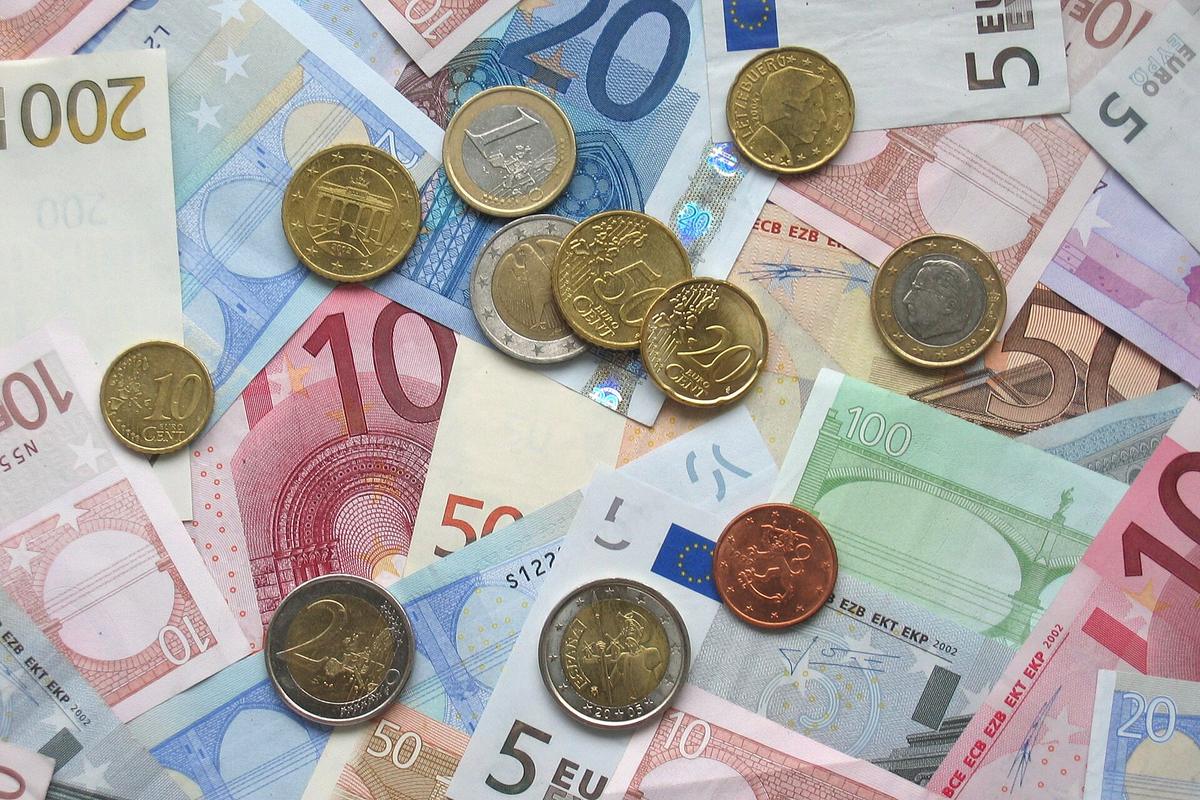
Carry €50 per person per day for a 10-day trip, split into small denominations. That covers meals in cash-only bars, market purchases, a bus fare, and a tip. You will not spend it all most days. The day you need it, you need it badly. Break the €50 note at a supermarket or a larger shop before heading into a rural area. Vendors can change €20 notes and smaller. Anything larger will stall a transaction.
.jpg)
Euro Spending Spain: Where the Coins Still Rule
Euro spending follows a clear pattern. In cities with a metro and a tourist office, your card works everywhere. The exceptions are small bars and cafés that display a card minimum, market stalls in traditional mercados, and certain taxi fleets, particularly in Seville and Málaga. The minimum spend some small businesses impose ranges from €5 to €10. It is not a legal requirement. It is local practice. A coffee on a card triggers the rule. Have a coin for it.
Transport Traps
Rural bus drivers are the most consistent cash-only encounter. Regional buses in Andalusia, Castile and León, and Galicia often have no card terminal on board. The fare is small and the driver expects exact change. The same applies to local trains at unstaffed stations where the ticket machine accepts coins and notes but not cards. Carry a mix of coins and small notes for any journey outside the AVE high-speed network.
The Afternoon Shutdown
The afternoon closure, roughly 2pm to 5pm, still shuts many independent shops and pharmacies outside major city centres and malls. If you are in a small town during those hours and run low on cash, no bank branch is open. The nearest ATM may be a 20-minute walk. Withdraw cash in the morning.
Spain ATM Fees: How to Avoid Paying Twice
ATM fees vary by operator and by whether you use a Spanish bank ATM or an independent provider. Spanish bank ATMs operated by CaixaBank, BBVA, Santander, Sabadell, and Bankinter charge non-customers a fixed fee per withdrawal. The fee is displayed on screen before you confirm the transaction. Expect a charge of €2 to €5 per withdrawal depending on the bank and your card issuer.
Spot the Tourist ATMs
Independent providers such as Euronet and Cardtronics charge higher fees and worse exchange rates. They cluster in tourist zones, offer a high withdrawal limit, and push the language selection screen toward English first. Decline the offer of dynamic currency conversion on every ATM and every card terminal. Dynamic currency conversion lets the ATM operator set the conversion rate, which is routinely 3% to 5% worse than the rate your card issuer would use. You are legally entitled to decline DCC. Select "EUR" to process the transaction at your card issuer's rate. If the screen asks whether you want to be charged in your home currency or in euros, choose euros every time.
Withdrawal Strategy
Spanish ATMs impose per-transaction limits. Your issuing bank sets the daily withdrawal limit, not the Spanish machine. If your bank allows a high daily amount, you may need two withdrawals to reach it. The per-transaction limit is displayed before you enter your amount. Withdraw only what you need for two to three days to minimise fees. For a 10-day trip, three withdrawals keeps your cash cover without paying a fee every day.
Contactless Payment Spain: What Actually Works
Contactless payment is widely accepted across urban and tourist areas. Visa and Mastercard are near universal. American Express and Diners Club are accepted less widely outside major chains and hotels. The contactless limit without a PIN is set by your card issuer. Above that you tap and enter your PIN. It works the same as in the rest of the eurozone.
When the Terminal Says No
The failure case is the small terminal that rejects a foreign card. Renfe's online payment system, the single biggest trip-up for visitors, frequently blocks non-Spanish credit cards. Using PayPal or a card with strong 3D Secure authentication resolves it. On the ground, a card that fails at one terminal may work at the next. Carry a backup card from a different network. Relying on a single Visa debit card leaves you with no fallback if it is declined at a market stall.
Apple Pay and Google Pay are accepted at any terminal that supports contactless. That is the majority of terminals in cities. In rural areas the terminal may be older and require the physical card to be inserted. Keep the physical card accessible even if you primarily use your phone.
Spanish Tipping Customs: Rounding Up is the Rule
Tipping is not obligatory. In sit-down restaurants, rounding up the bill or leaving small change for good service is common practice. No service charge is automatically added to restaurant bills. If the bill states "servicio incluido", no further tip is expected. In bars and cafés, leaving the small change from a cash payment is customary. No tip is expected on card payments.
For taxis, tipping is not expected. Rounding up to the nearest euro is common but entirely optional. In hotels, porters expect €1 to €2 per bag. No tip is expected for housekeeping unless you receive exceptional service. For tour guides, €2 to €5 per person for a group tour is common for good service. The gesture matters more than the amount. A euro coin left on the bar after a coffee says everything a larger note would say.
The mistake visitors make is treating tipping as a percentage obligation the way it works in the United States. It is not. Hospitality staff are paid a wage. The tip is a bonus for good service, not a subsidy for a low hourly rate. If the service was indifferent, leave nothing. No one will chase you.
_best_of_the_best_of_the_best.jpg)
Cash or Card: the Daily Breakdown
For a 10-day trip covering two regions, budget €500 in cash per person. That is €50 per day. You will not use it all, but you need the buffer. Break it down this way:
€100 in coins and small notes for daily spending in bars, markets, and on local transport. €200 for meals in cash-only restaurants and rural purchases. €200 reserved for emergencies: a cash-only taxi, a bus fare when the terminal is down, a market where the card fails. The rest of your spending goes on card. That means accommodation booked through international platforms, train tickets purchased online, and drinks in city-centre bars.
Withdraw cash from a major Spanish bank ATM, not from an airport exchange bureau or a Euronet machine in a tourist square. Bank branch currency exchange is available at major banks but requires a passport and the fees and rates vary. An ATM withdrawal at a CaixaBank or BBVA machine is the simplest and cheapest option if you decline DCC.
The One Thing That Most Often Goes Wrong
The single most common mistake visitors make with money in Spain is accepting dynamic currency conversion at an ATM or card terminal. It is presented as a convenience: "Do you want to be charged in your home currency?" The answer is always no. Select EUR. Decline the service. The exchange rate offered by the ATM operator is almost always worse than the rate your bank uses, and the fee is added on top. A withdrawal can cost you extra with no benefit. The screen gives you the choice. Take it.
Common Questions
How much cash should I carry per day in Spain?
Carry €50 per person per day, split into small denominations. That covers meals at cash-only bars, market purchases, a bus fare, and tips. You will not spend it all most days, but the buffer protects you against the bar or taxi that only takes coins.
Do Spanish taxis accept card?
Most taxis in major cities accept card, but some taxi ranks in provincial towns and smaller cities operate cash only. Ask before you get in. If the driver says "solo efectivo", have small notes ready. Rounding up to the nearest euro is common but not required.
What is dynamic currency conversion and why should I decline it?
Dynamic currency conversion is offered at many ATMs and card terminals. The operator sets the conversion rate, which is 3% to 5% worse than your card issuer's rate. Decline it by selecting "EUR" when prompted. You are legally required to be given the option to decline.
Can I use American Express in Spain?
American Express is accepted less widely than Visa and Mastercard outside major chains and hotels. A restaurant or small shop that takes Visa may not take Amex. Carry a Visa or Mastercard as your primary payment method and treat Amex as a backup.
Is it true that many Spanish shops close for the afternoon?
Yes. The afternoon closure, roughly 2pm to 5pm, still shuts many independent shops, pharmacies, and museums outside major city centres and malls. Plan cash withdrawals and errands for the morning. In August, many independent shops and restaurants in Madrid and Barcelona close for the entire month.
Read next
-
 Staying Connected in Spain With eSIM, a Local SIM, or Just WiFi
Weighing an eSIM against a Spanish shop-bought SIM against free WiFi, with the passport-registration rule that makes airport SIM queues a grind.
Staying Connected in Spain With eSIM, a Local SIM, or Just WiFi
Weighing an eSIM against a Spanish shop-bought SIM against free WiFi, with the passport-registration rule that makes airport SIM queues a grind.
-
 Best Time to Visit Spain by Region and Season Reality
Spain has no single best month. Andalusia bakes in August while the north is mild, and the shoulder seasons deliver the sweet spot for most regions.
Best Time to Visit Spain by Region and Season Reality
Spain has no single best month. Andalusia bakes in August while the north is mild, and the shoulder seasons deliver the sweet spot for most regions.
-
 Getting Around Spain Without Believing the Distance Map
Spain's high-speed trains shrink the map, but the gaps between lines and Renfe's payment quirks can derail a tight itinerary.
Getting Around Spain Without Believing the Distance Map
Spain's high-speed trains shrink the map, but the gaps between lines and Renfe's payment quirks can derail a tight itinerary.
-
 Spain Visa Requirements and the Schengen Short-Stay Rules
Whether you need a visa for Spain depends on your passport and how long you plan to stay. The Schengen 90-day clock trips up even experienced travellers.
Spain Visa Requirements and the Schengen Short-Stay Rules
Whether you need a visa for Spain depends on your passport and how long you plan to stay. The Schengen 90-day clock trips up even experienced travellers.
-
 Spain Safety Advice Without the Overblown Warnings
Spain is safe by any measure of violent crime, but pickpocketing in Barcelona's metro and Madrid's tourist hubs is a professional operation. What to watch for.
Spain Safety Advice Without the Overblown Warnings
Spain is safe by any measure of violent crime, but pickpocketing in Barcelona's metro and Madrid's tourist hubs is a professional operation. What to watch for.
-
 What Spain Costs in Practice Without Quoting a Single Euro Figure
How money flows through a Spanish trip, from cheap morning cafés and set lunch menus to the accumulating cost of pintxos crawls and peak-season coastal beds.
What Spain Costs in Practice Without Quoting a Single Euro Figure
How money flows through a Spanish trip, from cheap morning cafés and set lunch menus to the accumulating cost of pintxos crawls and peak-season coastal beds.
-
 A Ground-Level Logistics Guide to Independent Travel in China
First-time independent travel in China: what you need to know about visas, rail booking, eSIMs, mobile payments, and power adapters.
A Ground-Level Logistics Guide to Independent Travel in China
First-time independent travel in China: what you need to know about visas, rail booking, eSIMs, mobile payments, and power adapters.
-
 How Solo Travelers Stay Ahead of Flight Delays and Cancellations
How solo travelers can track inbound aircraft, claim rebooking rights, and adjust ground transport when flights go wrong — step by step.
How Solo Travelers Stay Ahead of Flight Delays and Cancellations
How solo travelers can track inbound aircraft, claim rebooking rights, and adjust ground transport when flights go wrong — step by step.
-
 Why Your eSIM Might Not Work Abroad and How to Check Before You Go
Buying an eSIM doesn't guarantee signal abroad. Learn why coverage fails by location and how to verify reach before you commit to a plan.
Why Your eSIM Might Not Work Abroad and How to Check Before You Go
Buying an eSIM doesn't guarantee signal abroad. Learn why coverage fails by location and how to verify reach before you commit to a plan.