Getting Around New Zealand Transport and What the Map Hides
New Zealand has no efficient inter-regional public transport. A rental car is the default, and driving times are far longer than the map suggests.
How to Move Between Places in New Zealand
Google Maps will tell you the drive from Christchurch to Queenstown is 4 hours 50 minutes. It is not. Add 25 to 30 percent to any journey over 100 km on New Zealand's State Highways, which are single lane each direction with intermittent passing lanes and no median barrier. That Christchurch to Queenstown leg, 480 km on paper, runs 6 to 7 hours non stop. The gap between the map and the road is the single biggest mistake first time visitors make, and it dictates everything else about getting around.
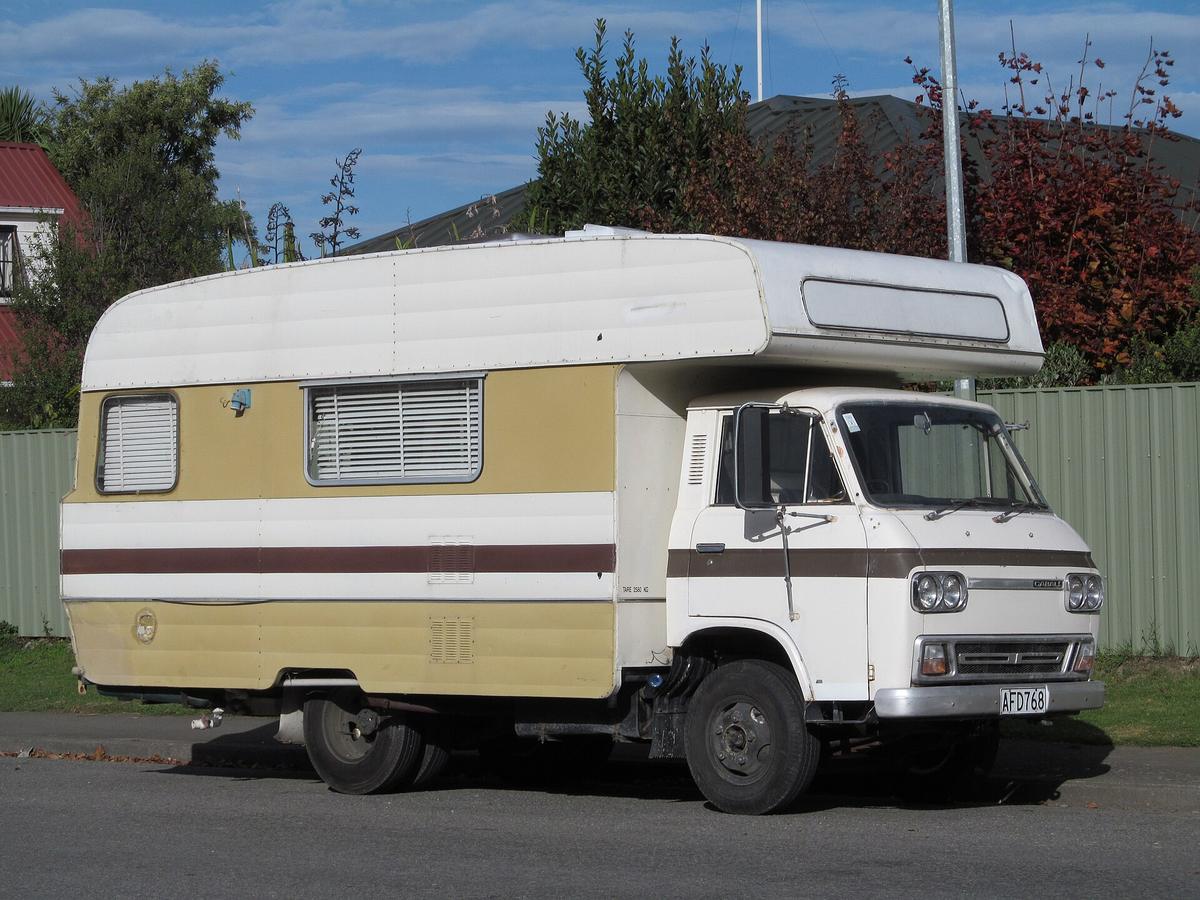
Self drive with a rental car or campervan is the only way to see the country properly. The distances are punishing, the weather swings in a single day, and the staggeringly dense geography that places glaciers, fjords, rainforest, and volcanoes within hours of each other is inaccessible without wheels. Public transport exists but forces you to work around gaps. Domestic flights connect the main centres. The InterCity bus network covers the long haul routes but skips the small stops. The three scenic trains are journeys in themselves, not practical connectors. The Cook Strait ferry gets you between islands. None of these replace a car.
.jpg)
New Zealand Rental Car Advice
Book an automatic transmission unless you explicitly request a manual. Most rental fleets are automatic by default. Manuals are available but must be specified in advance, and many smaller depots do not stock them.
The minimum driver age for rental vehicles is 21 years. Drivers under 25 pay surcharges on almost every policy. Your current overseas licence is valid as long as it is in English. If it is not, carry an International Driving Permit or an official English translation. You drive on the left. Seatbelts are mandatory for all occupants in all seating positions. The blood alcohol limit is 0.05 percent for drivers 20 and over, zero for drivers under 20.
Fuel, Supplies, and Phone Coverage
Petrol stations are sparse outside towns. Fill up before long rural stretches, especially on the West Coast and through the Mackenzie Basin. Supermarkets and shops close early, by 6 pm, and many small towns have nothing open on Sunday or public holidays. Mobile phone coverage vanishes on many rural highways and most hiking tracks. Buy a local SIM from Spark, One NZ, or 2degrees at the airport or any supermarket, then download offline maps before you drive anywhere.
InterCity Bus Network New Zealand
The InterCity bus network is the fallback for travellers who cannot or will not drive. It runs national long distance coach services connecting most main centres. Tickets are purchased online, via the InterCity app, or at select i-SITE visitor centres. You buy either a dated ticket for a specific departure or a flexible fare at a higher cost. For multi leg itineraries there is a TravelPass for a fixed itinerary and a FlexiPass that works on hours and lets you book as you go.
What the Bus Misses
The bus covers the high volume routes Auckland to Rotorua, Rotorua to Wellington, and Christchurch to Queenstown. It skips the small stops. You cannot do the Tongariro Alpine Crossing without a separate shuttle booking, essential and separate from the bus. You cannot reach the Franz Josef Glacier heli hikes on the bus and then make the weather dependent morning call without losing a day. The bus works for travellers who stick to towns. It fails for anyone who wants to stop at the Moeraki Boulders at low tide or pull over for a roadside feijoa stall in autumn. For that you need a car.
TranzAlpine Train Journey
The TranzAlpine is one of three scenic long distance passenger rail routes operated by Great Journeys New Zealand. It runs from Christchurch to Greymouth on the West Coast, crossing the Canterbury Plains and climbing through the Southern Alps via Arthur's Pass. The journey takes roughly 4.5 hours each way. Tickets are purchased online, dated and seat assigned.
The Other Two Routes
The Northern Explorer runs between Auckland and Wellington. The Coastal Pacific runs between Christchurch and Picton. Together these three routes are the entire extent of New Zealand's intercity passenger rail. There is no national commuter or intercity passenger rail outside Auckland and Wellington metro. The trains exist for the view, not for practical transport. If you want to reach the West Coast glaciers, the Pancake Rocks at Punakaiki, or the Abel Tasman National Park, you still need wheels on the other end.
Cook Strait Ferry Booking
The Cook Strait ferry is the only way to move a vehicle between the North Island and the South Island without shipping it. The route runs Wellington to Picton. Two operators run it: Interislander, which is state owned, and Bluebridge, which is private. The crossing takes 3 to 3.5 hours. Both operators carry passenger vehicles, campervans, and motorcycles.
Book ahead in peak season, December through February and the school holidays from late December to late January. The ferry is one of the most common bottlenecks in any New Zealand itinerary. If you miss your booking or the sailing is cancelled due to weather it can take 24 hours to get a replacement slot, particularly in December and January when domestic tourists are also crossing. Build a buffer day into your schedule on either side of the crossing.
New Zealand Driving Times Reality
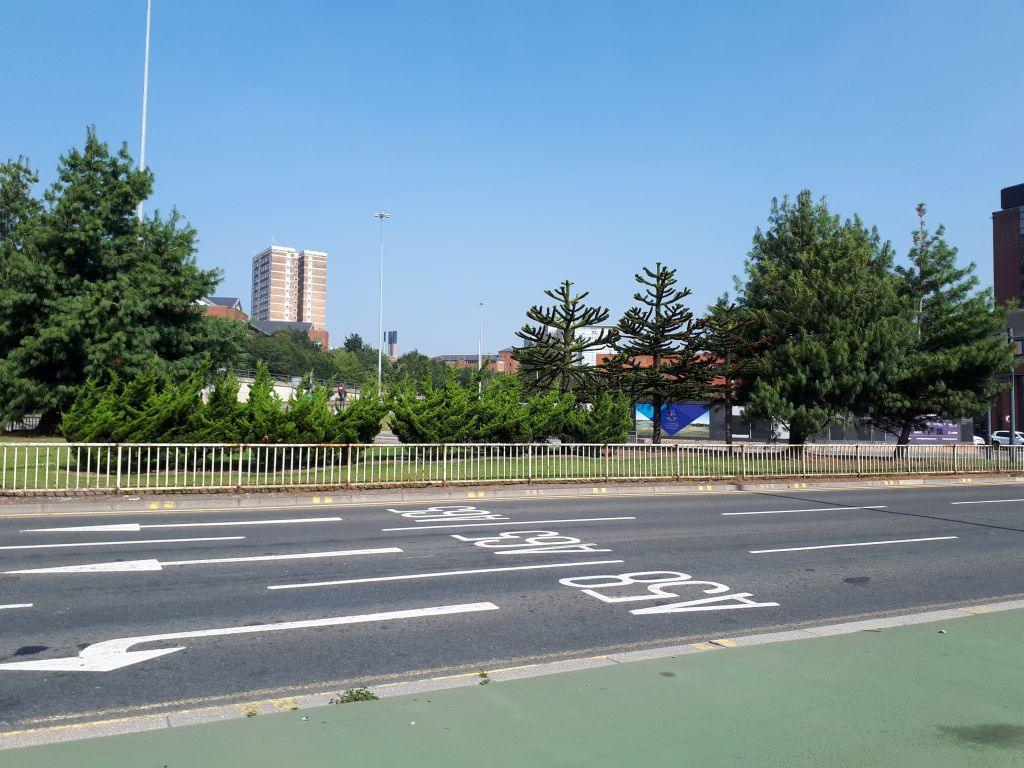
Google Maps driving times are dangerously optimistic on New Zealand's two lane roads. The estimates assume you will drive at the open road speed limit of 100 km/h on narrow, winding roads with no median barrier. You will not. You lose time to one lane bridges where you must yield to traffic already on the bridge. You lose time to tourist motorhomes crawling uphill. In winter from June to August, snow closes alpine passes such as Milford Road SH94 and Arthur's Pass SH73 where chains are required at times. In the wet season from May to September in the North Island and during cyclone season from November to April in the upper North Island, conditions slow you further.
The corrective rule is simple: add 25 to 30 percent to any Google Maps journey over 100 km. Auckland to Wellington is approximately 650 km and drives 8 to 9 hours non stop. Christchurch to Queenstown is approximately 480 km and drives 6 to 7 hours non stop. The same roads that give you the staggering landscape density, with glaciers, fjords, rainforest, and volcanoes within hours of each other, also give you the punishing distances. You cannot have one without the other.

Domestic Air, Campervans, and the Fine Print
Domestic Flights
Air New Zealand and Jetstar connect the main centres: Auckland, Wellington, Christchurch, Queenstown, and Dunedin. Domestic check in is 30 minutes before departure with carry on only. Checked baggage allowance is one piece at 23 kg on main carriers but varies by fare class. Flying saves time across the Cook Strait but adds airport transfer time at both ends and requires a rental car on arrival. It works best for travellers skipping one island entirely.
Campervan Rules
Campervan freedom camping is restricted to certified self contained vehicles in most areas. Fines apply for non compliance. The vehicle must have a fixed toilet and grey water tank to park outside designated campgrounds. The rule exists because New Zealand has no capacity to manage uncontrolled waste in remote areas. You cannot just pull over anywhere for the night, regardless of what you see online.
City Transport and Rideshare
Public transport payment systems are city specific. Auckland uses the AT HOP stored value card. Wellington uses the Snapper card. Christchurch uses the Metrocard. Elsewhere you pay cash on most regional bus services. Contactless payment is expanding but the system still forces you to buy the right card or carry coins. Rideshare via Uber operates in main centres alongside Ola and local services. Metered taxis are available in all cities and major towns with phone or app booking common outside ranks.
What the Map Hides
The map shows a road network that looks connected. It hides the single lane bridges where tourists freeze and misread the yield signs. It hides the mobile network dead zones on remote highways where you cannot stream directions. It hides the sandflies on the West Coast, Fiordland, and anywhere near water that bite through thin clothing and make DEET repellent non negotiable. It hides the one way roads on the Milford Road where the four hour drive each way from Queenstown turns a Milford Sound coach cruise into a 12 hour day total. It hides the fact that many small towns have no open supermarket on a Sunday and that the only petrol station on a long stretch closes at 6 pm.
Biosecurity and Road Updates
Outdoor equipment and any food or animal products you bring must be declared at arrival. Biosecurity inspection uses sniffer dogs and X ray screening at all international airports. Snacks bought in the airport duty free zone still count. The New Zealand Transport Agency Waka Kotahi publishes real time road conditions at journeys.nzta.govt.nz. Check it before every long drive in winter. The emergency number is 111 for police, fire, and ambulance.
Who This Suits and Who it Does Not
Getting around New Zealand by self drive suits road trippers who love long days behind the wheel. It suits serious hikers and multi day trampers who need to reach trailheads outside public transport range. It suits adrenaline junkies chasing bungy, skydiving, and jet boating in Queenstown Lakes. It suits Lord of the Rings location pilgrims who need to hit Hobbiton, the Tongariro Alpine Crossing, and the Waikato farmland in a single trip. It suits wine and food travellers focused on cool climate varietals in Marlborough and Hawke's Bay.
It does not suit travellers who want a cheap beach holiday with warm swimmable water year round. It does not suit anyone who dislikes driving or expects efficient public transport between regions. It does not suit big city nightlife seekers. Auckland and Wellington punch above their weight but this is not a late night destination. The single thing that most often goes wrong is underestimating the distances. Add the 25 to 30 percent buffer to every drive and you will not be the person standing in a dark petrol station at 6:15 pm with a quarter tank and a long way to go.
Common Questions
Do I need an International Driving Permit to rent a car in New Zealand?
Only if your overseas licence is not in English. If it is in English you can use it as is for up to 12 months. If it is not in English you need an International Driving Permit or an official English translation.
What happens if I miss my Cook Strait ferry booking?
You join the standby queue and wait for a slot on a later sailing. In peak season that can take 24 hours. Both Interislander and Bluebridge allow date changes for a fee if you notify them in advance.
Is the InterCity bus pass worth it for a two week trip?
Only if you stick to towns and book a fixed itinerary using the TravelPass. The FlexiPass hour based system is flexible but the bus skips small stops and you lose time waiting for connections that you would not lose with a rental car.
Can I drive from Christchurch to Queenstown in one day?
Yes, it takes 6 to 7 hours non stop. Add stops for the Moeraki Boulders at low tide, the Tekapo lupins in December and January, and the Hooker Valley track at Aoraki Mount Cook and you need a full day plus a late arrival. Do not attempt it in winter without checking road conditions first.
Read next
-
 Staying connected in New Zealand eSIM local SIM or offline maps
New Zealand cannot fix its mobile service. No carrier will, because the geography does not permit it.
Staying connected in New Zealand eSIM local SIM or offline maps
New Zealand cannot fix its mobile service. No carrier will, because the geography does not permit it.
-
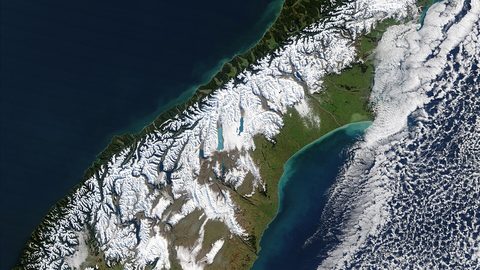 Best Time to Visit New Zealand, What Each Season Actually Delivers
New Zealand summer runs December to February and brings crowds, sandflies, and booked-out campsites. Here is what each season actually means for your trip.
Best Time to Visit New Zealand, What Each Season Actually Delivers
New Zealand summer runs December to February and brings crowds, sandflies, and booked-out campsites. Here is what each season actually means for your trip.
-
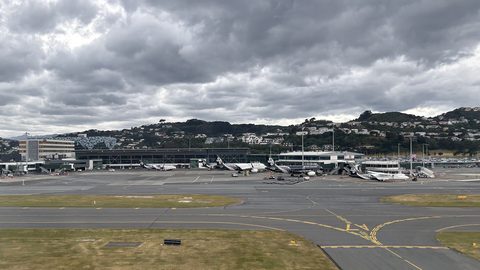 New Zealand Visa Requirements, Who Needs an NZeTA and Who Does Not
Most visitors need an NZeTA before boarding a flight to New Zealand. Here is who needs a full visa, who qualifies for the waiver, and how long each takes.
New Zealand Visa Requirements, Who Needs an NZeTA and Who Does Not
Most visitors need an NZeTA before boarding a flight to New Zealand. Here is who needs a full visa, who qualifies for the waiver, and how long each takes.
-
 Money in New Zealand, Cards, Cash and What Actually Works at the Till
New Zealand runs on contactless cards and EFTPOS, but rural cafes and roadside stalls still want cash. Here is what to carry and when.
Money in New Zealand, Cards, Cash and What Actually Works at the Till
New Zealand runs on contactless cards and EFTPOS, but rural cafes and roadside stalls still want cash. Here is what to carry and when.
-
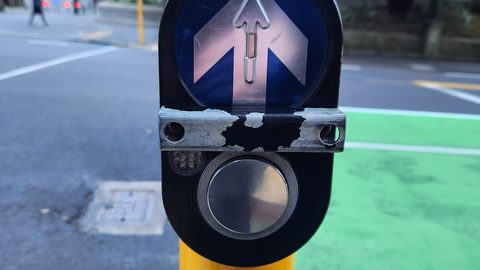 New Zealand Safety Advice, Reading the Warnings Without Being Misled by Them
New Zealand has a low crime rate, but the real risks are driving fatigue, alpine weather swings, and sandfly swarms. Here is what the safety pamphlets underplay.
New Zealand Safety Advice, Reading the Warnings Without Being Misled by Them
New Zealand has a low crime rate, but the real risks are driving fatigue, alpine weather swings, and sandfly swarms. Here is what the safety pamphlets underplay.
-
 What a trip to New Zealand costs shaped by season and style not a single number
How a New Zealand trip budget actually works, from the big unavoidable costs to the seasonal spikes and the spending leaks that catch first-timers out.
What a trip to New Zealand costs shaped by season and style not a single number
How a New Zealand trip budget actually works, from the big unavoidable costs to the seasonal spikes and the spending leaks that catch first-timers out.
-
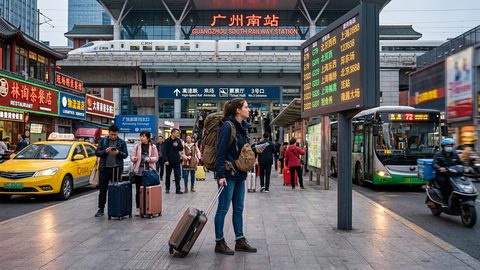 A Ground-Level Logistics Guide to Independent Travel in China
First-time independent travel in China: what you need to know about visas, rail booking, eSIMs, mobile payments, and power adapters.
A Ground-Level Logistics Guide to Independent Travel in China
First-time independent travel in China: what you need to know about visas, rail booking, eSIMs, mobile payments, and power adapters.
-
 How Solo Travelers Stay Ahead of Flight Delays and Cancellations
How solo travelers can track inbound aircraft, claim rebooking rights, and adjust ground transport when flights go wrong — step by step.
How Solo Travelers Stay Ahead of Flight Delays and Cancellations
How solo travelers can track inbound aircraft, claim rebooking rights, and adjust ground transport when flights go wrong — step by step.
-
 Why Your eSIM Might Not Work Abroad and How to Check Before You Go
Buying an eSIM doesn't guarantee signal abroad. Learn why coverage fails by location and how to verify reach before you commit to a plan.
Why Your eSIM Might Not Work Abroad and How to Check Before You Go
Buying an eSIM doesn't guarantee signal abroad. Learn why coverage fails by location and how to verify reach before you commit to a plan.