Choosing a Russia eSIM for Tourists Who Need Reliable Data
How to get a working mobile connection in Russia, why a passport is required, and where the signal disappears on long train routes.
How to Get Mobile Internet in Russia
You need a passport to buy any local SIM, no exceptions. A data-only roaming eSIM removes that step but creates a different problem: local operators require in-person identity checks for eSIM activation, so the digital-only route means using a foreign provider that connects to Russian networks at higher rates and lower priority. The tradeoff is straightforward. A physical SIM from MTS or MegaFon bought at the airport arrival hall gives you cheap, fast LTE for a fraction of the cost. You hand over your passport and migration card, and your device IMEI must be registered with Roskomnadzor within 30 days of first use if you stay longer than a short visit. A roaming eSIM costs more and works immediately without ID, but may lack voice and SMS. You need both for Yandex Go taxi bookings and WhatsApp verification on public wifi.
Coverage Reality Check
Neither option works well everywhere. Mobile internet in Moscow and Saint Petersburg delivers fast LTE on all four major networks. On the Trans-Siberian Railway, signal vanishes for hours between settlements. Install a VPN before you leave. It is not optional. WhatsApp and Telegram operate without blocking, but Instagram and X require a working VPN, and Roskomnadzor blocks many commercial VPNs already. The UK Foreign, Commonwealth and Development Office noted active internet censorship; the same applies now. Test your VPN before you board the plane. If it does not connect on the ground in Moscow, you will not fix it from inside the country.
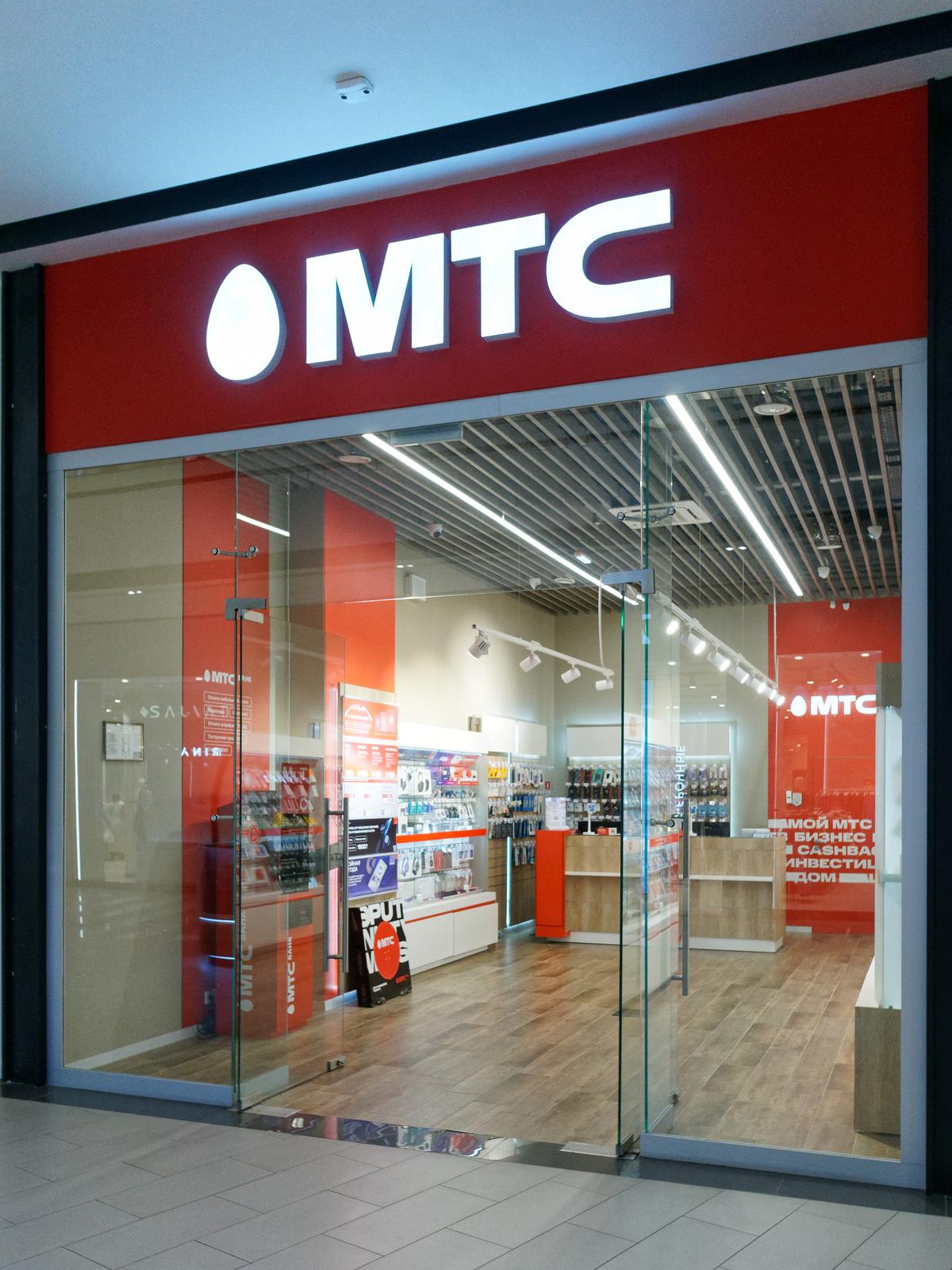

Local SIM Card Russia Airport: the Arrival Routine
Buy a local SIM at Moscow Sheremetyevo, Moscow Domodedovo, or St Petersburg Pulkovo before you leave the terminal. The three main operators are MTS, Beeline, and MegaFon. MTS has the widest geographic reach, particularly relevant beyond the Moscow Saint Petersburg corridor. MegaFon offers competitive tourist packages with fixed data volumes. Beeline trails both on rural signal but matches them in urban areas.
Paperwork And Payment
You need your passport and migration card to complete the purchase. The migration card is the small slip you receive on arrival; keep it with your passport for the entire trip. The shop assistant registers your IMEI with Roskomnadzor at the point of sale. If you are staying fewer than 30 days, the IMEI registration deadline is not a practical concern. For longer stays the window applies. Mobile internet from any of these operators costs roughly one tenth of what a roaming eSIM charges for the same data volume. The downside is the paperwork and the fact that the SIM is tied to your passport and cannot be topped up easily by a friend in another country. Top up at any Euroset or Svyaznoy kiosk with cash.
Russia ESIM for Tourists: Before You Leave Home
A data-only roaming eSIM is the simplest pre arrival option. Foreign providers offer plans that connect to MTS, MegaFon, Beeline, or Tele2 networks without requiring a passport, migration card, or IMEI registration. Buy it online, scan a QR code, and activate it before landing. This eliminates the arrival hall queue and the language barrier at the kiosk. What you lose is value. A roaming eSIM costs three to five times more per gigabyte than a local SIM. You also get no Russian phone number, which matters for Yandex Go, where drivers call the number on the booking.
Why You Still Need A Local Number
Public wifi inside Russia requires identity verification by SMS to a Russian mobile number under Federal Law No. 97-FZ. Without one, you cannot access cafe or metro wifi. Foreign roaming eSIMs are data only. They work as a backup if your flight lands late and the kiosks are closed. They are not a replacement for a local SIM if you plan to rely on mobile internet for more than maps and messaging.
MTS Beeline MegaFon Tourist SIM: Which One to Pick
MTS offers the widest geographic reach of the three, which matters if you leave the Moscow Saint Petersburg axis. MegaFon runs second for reach and often has better tourist data packages with fixed validity periods. Beeline has the most English friendly store experience in the airports but weaker rural signal. All three provide LTE in Moscow and Saint Petersburg. On the Trans-Siberian Railway, none of them maintain signal through the taiga and mountain sections. Between major stops you lose signal for hours.
Match The Operator To Your Route
The choice between MTS and MegaFon depends on your route. If you stay in Moscow and Saint Petersburg and make day trips to the Golden Ring towns, either works. If you go to Lake Baikal, the Altai Republic, Kamchatka, or the Russian Far East, MTS gives you the best chance of signal in district centres. Do not buy Tele2 as a tourist. Tele2 operates on a different frequency band in some regions and its reach outside cities is the worst of the four.
Power On The Train
Passenger seats on Russian Railways trains often have power sockets with Type C and Type F plugs. Carry a USB cable and a power bank. The train is where you charge, not where you stream.
Russia VPN for Tourists: Install Before You Fly
A VPN is not a convenience; it is a requirement. Roskomnadzor maintains a blocklist of websites and services, and that list includes Instagram and X. Telegram operates without blocking, which is why most Russians use it for messaging. WhatsApp is widely used but its voice and video calls can degrade under throttling. A VPN lets you access blocked sites, use Google Maps reliably, and book accommodation on platforms that may be restricted. The catch is that Roskomnadzor blocks many commercial VPN services.
Test It Before You Land
Test your VPN before departure. If it connects from a hotel wifi in London or Berlin but fails to connect from a Moscow cafe, the provider may already be on the blocklist. Install two VPN apps on your phone and your laptop. Have a backup protocol. Do not wait until you arrive to download one. The stores may not have it available from Russian app stores. The import and use of satellite phones requires prior permission from the Federal Security Service and Roskomnadzor. Do not bring one without the paperwork.
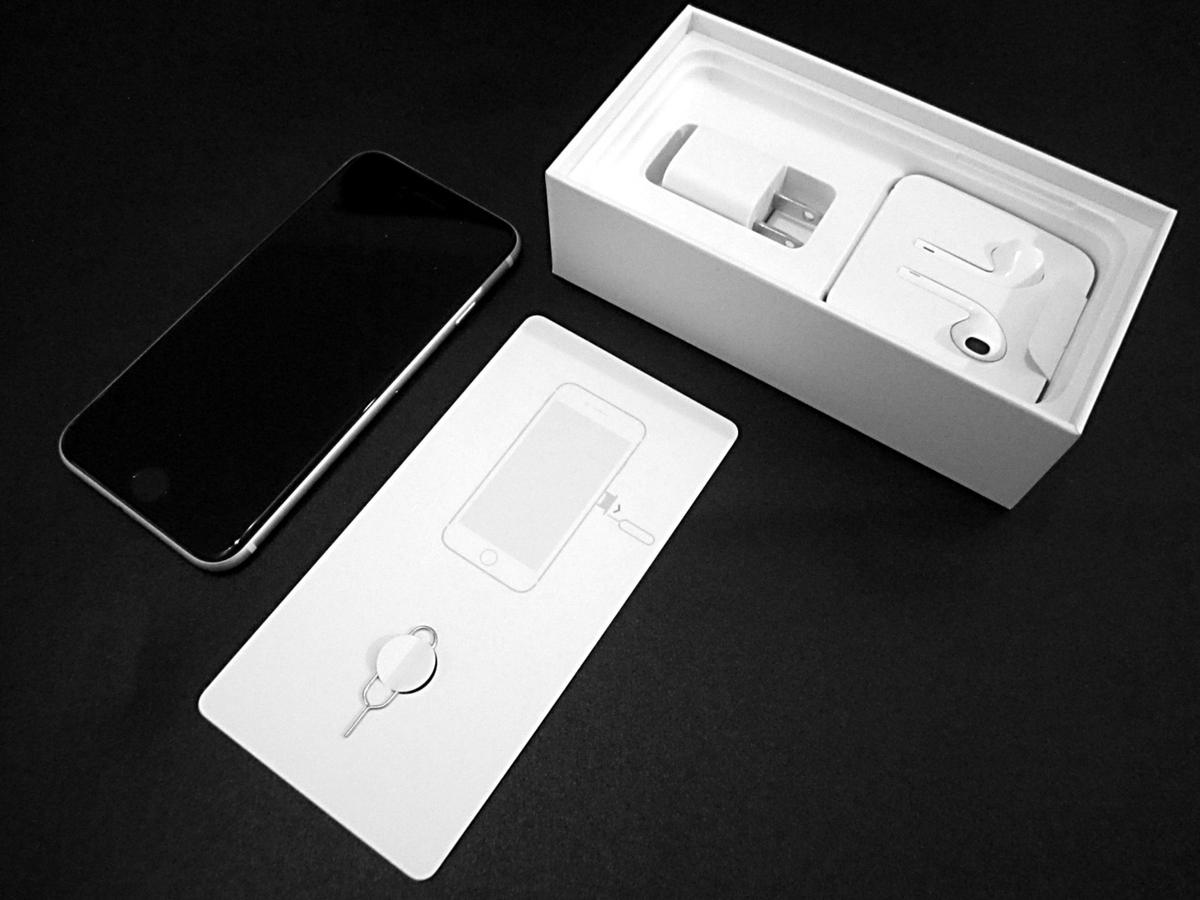

Mobile Coverage Trans-Siberian Route: What to Expect
Mobile signal on the Trans-Siberian Railway is intermittent. You get signal at settlements and stations, then nothing for hours through the taiga and mountain sections between major stops. Lake Baikal is visible from the train for about four hours on the Irkutsk Sludyanka stretch; signal during that segment depends on proximity to the lakeside villages. Plan your connectivity around the station stops, which last 15 to 40 minutes depending on the station class.
Download Before You Board
Download offline maps in advance. Google Maps works but 2GIS offers better public transport routing inside cities and its offline mode is more reliable. Download the entire Moscow and Saint Petersburg city databases on 2GIS before you leave wifi. On the train itself, buy a data package large enough for offline use. Streaming video will not work for most of the route. The rasputitsa mud season in late March to April and October to November can damage fibre lines serving remote settlements along the route. Summer wildfires can sever overhead fibre lines. Neither happens every year, but both cause regional outages that last days. Carry a book.
Practical Connectivity Gaps and Workarounds
Cash is still king in small towns and on regional buses. Many provincial ATMs accept only domestic Mir cards, not Visa or Mastercard. Carry sufficient rubles for the duration of any leg that takes you outside Moscow, Saint Petersburg, or the main Golden Ring towns. Public toilets outside major cities are often paid, squat style, and lack toilet paper. Carry 30 to 50 RUB coins and tissues.
Moscow Time Is The Only Time
Train station clocks display Moscow time regardless of the station physical location. All Russian Railways tickets print departure times in Moscow time. A train departing Vladivostok at 14:00 local leaves at 04:00 Moscow time, whatever the ticket says. Set your phone to Moscow time for rail travel and convert locally.
Remote Regions Go Dark
The Altai Republic mountains have no signal in most valleys and passes. Signal exists only in district centres. Yakutsk has LTE; the Lena Highway and most rural areas of Sakha Republic have none. The Far North spring thaw can damage fibre lines, causing multi day outages in remote settlements. Winter avalanches in the Caucasus and Altai mountains can isolate valleys for days to weeks. None of this is fearmongering. It is the operating reality of a country covering 11 time zones from UTC+2 in Kaliningrad to UTC+12 in Kamchatka.
Common Questions
Can I buy a local SIM at the airport without a passport?
No. Passport presentation is required for any local SIM from MTS, Beeline, or MegaFon. You also need your migration card. The shop registers your IMEI with Roskomnadzor at the point of sale.
Will my foreign eSIM work on the Trans-Siberian Railway?
A foreign roaming eSIM connects to Russian networks, but those networks have the same coverage gaps as local SIMs. Expect no signal for hours in taiga and mountain sections between settlements.
Do I need a VPN for Instagram and X in Russia?
Yes. Roskomnadzor blocks Instagram and X. WhatsApp and Telegram operate without blocking. Install a working VPN before arrival because many commercial VPNs are also blocked inside Russia.
Can I use Google Maps in Russia?
Google Maps works but 2GIS offers better public transport routing inside Moscow and Saint Petersburg. Download offline maps from both apps before you leave wifi.
How long does a tourist SIM last before I need to register my IMEI?
The IMEI registration deadline is within 30 days of first use on Russian networks. If you stay fewer than 30 days, the deadline is not a practical concern. For longer stays, register at the point of sale.
Read next
-
 Best Time to Visit Russia by Season and Region
When to go to Russia and what each season actually does to transport, prices, and what you can see. Seasonal trade-offs, not a single month.
Best Time to Visit Russia by Season and Region
When to go to Russia and what each season actually does to transport, prices, and what you can see. Seasonal trade-offs, not a single month.
-
 Getting Around Russia by Train Bus and Ride Hailing
Russian Railways, marshrutka, elektrichka, and Yandex Go. How Russia actually connects and what the map oversells for travellers.
Getting Around Russia by Train Bus and Ride Hailing
Russian Railways, marshrutka, elektrichka, and Yandex Go. How Russia actually connects and what the map oversells for travellers.
-
 Russia Visa Requirements and the Invitation Letter Process
Russia visa requirements, the invitation letter, and the registration rule that catches independent travellers out. What to do before and after arrival.
Russia Visa Requirements and the Invitation Letter Process
Russia visa requirements, the invitation letter, and the registration rule that catches independent travellers out. What to do before and after arrival.
-
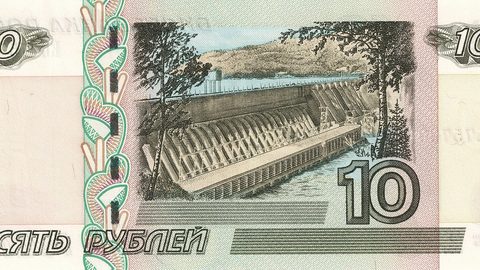 Paying for Things in Russia With Rubles and Cards
Russian rubles, Mir cards, and where cash still wins. What foreign visitors can and cannot pay with across Russia today.
Paying for Things in Russia With Rubles and Cards
Russian rubles, Mir cards, and where cash still wins. What foreign visitors can and cannot pay with across Russia today.
-
 Reading Russia Safety Advice Without Being Misled
Reading safety advice about Russia without being misled by it. Real risks, overstated fears, and what independent travellers should watch.
Reading Russia Safety Advice Without Being Misled
Reading safety advice about Russia without being misled by it. Real risks, overstated fears, and what independent travellers should watch.
-
 What a Trip to Russia Costs and Where the Money Goes
How money actually works on a Russia trip, from Moscow hotel premiums to cash-only provincial buses and what makes the budget move.
What a Trip to Russia Costs and Where the Money Goes
How money actually works on a Russia trip, from Moscow hotel premiums to cash-only provincial buses and what makes the budget move.
-
 A Ground-Level Logistics Guide to Independent Travel in China
First-time independent travel in China: what you need to know about visas, rail booking, eSIMs, mobile payments, and power adapters.
A Ground-Level Logistics Guide to Independent Travel in China
First-time independent travel in China: what you need to know about visas, rail booking, eSIMs, mobile payments, and power adapters.
-
 How Solo Travelers Stay Ahead of Flight Delays and Cancellations
How solo travelers can track inbound aircraft, claim rebooking rights, and adjust ground transport when flights go wrong — step by step.
How Solo Travelers Stay Ahead of Flight Delays and Cancellations
How solo travelers can track inbound aircraft, claim rebooking rights, and adjust ground transport when flights go wrong — step by step.
-
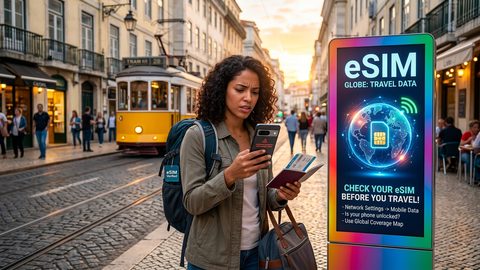 Why Your eSIM Might Not Work Abroad and How to Check Before You Go
Buying an eSIM doesn't guarantee signal abroad. Learn why coverage fails by location and how to verify reach before you commit to a plan.
Why Your eSIM Might Not Work Abroad and How to Check Before You Go
Buying an eSIM doesn't guarantee signal abroad. Learn why coverage fails by location and how to verify reach before you commit to a plan.