Swiss Travel Pass vs Point to Point Tickets for Your Route
The Swiss Travel Pass covers most trains, buses, and boats, but not mandatory seat reservations on the Glacier Express and Bernina Express, which sell out in
The Swiss Travel Pass looks like a single ticket to everywhere, but the map oversells seamlessness. For most multi-city itineraries the real decision is Swiss Travel Pass versus point-to-point tickets. The pass covers unlimited trains, buses and boats on consecutive days. It leaves out the pricey seat reservations that the Glacier Express and Bernina Express demand. Know exactly what the pass pays for and what it does not, or you will budget for one number and pay another.
Swiss Travel Pass vs Point to Point Tickets: What Each Covers
What the Swiss Travel Pass Delivers
The Swiss Travel Pass gives unlimited travel on the Swiss Federal Railways (SBB) network, PostBus routes, lake boats on Lake Lucerne, Lake Geneva, Lake Zurich, Lake Thun and Lake Brienz, and urban transport in 75 towns. It also includes free entry to more than 500 museums. The pass comes in 3, 4, 6, 8 or 15 consecutive-day durations. For a 7-day trip visiting the Bernese Oberland, Valais, Graubünden and Ticino, the pass usually pays for itself by day four if you are moving town every two days.
Point-to-point tickets are valid on a selected date. Supersaver tickets tie you to a specific departure at a discount. The Saver Day Pass works like a one-day Swiss Travel Pass for a single calendar day, with prices that rise as availability drops. The Half Fare Card costs a flat fee and cuts every ticket by 50 percent for one month. Anyone can buy it; there is no residency requirement.
When the Half Fare Card Wins
For a trip with long stays in two bases and fewer train days, the Half Fare Card plus point-to-point tickets beats the Swiss Travel Pass. The failure case: a traveller who buys the Swiss Travel Pass for 8 days but spends two of those days hiking from a single base. They paid for days they did not use. Run a rough tally of your train days before buying. If you travel on six or more of the eight days, the pass wins. If you travel on four or fewer, the Half Fare Card plus Saver Day Pass tickets on the heavy travel days costs less.
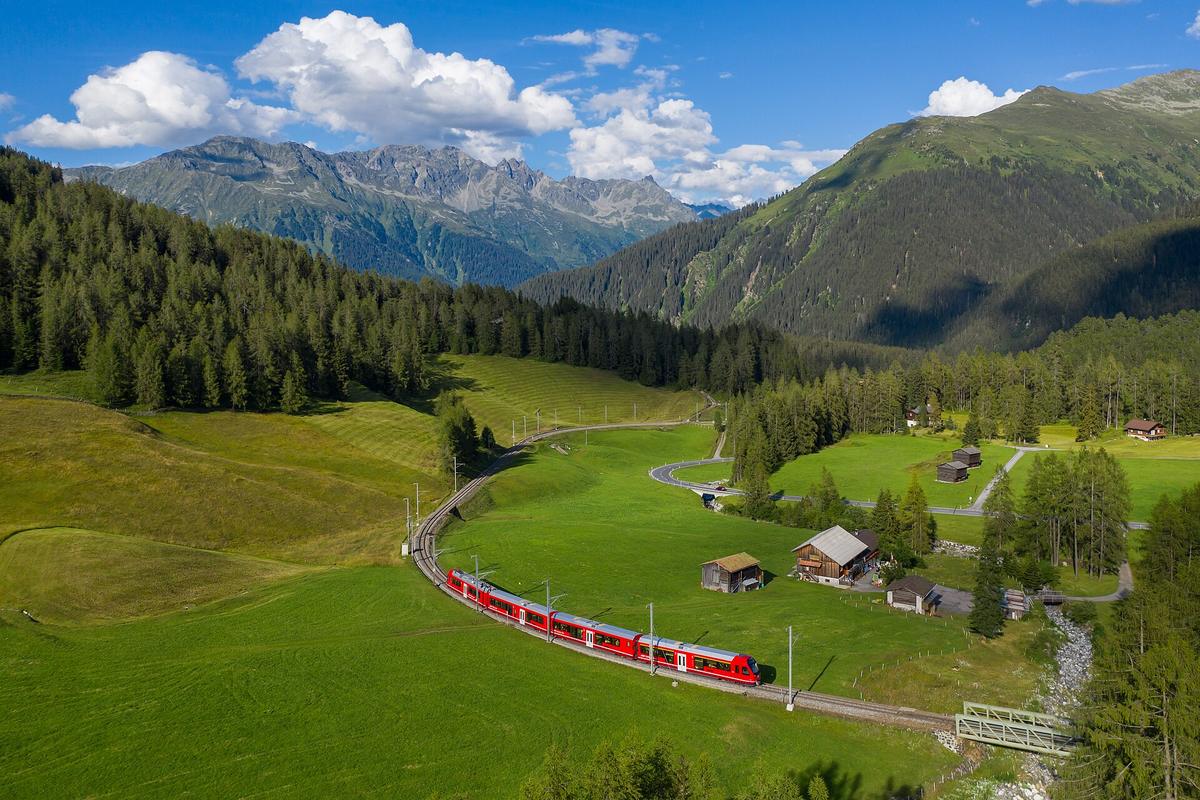

Glacier Express Seat Reservation Mandatory
Seat reservations on the Glacier Express are mandatory. The Swiss Travel Pass covers the base fare, but the reservation costs an additional fee set by the railway. In peak season expect to pay a band from roughly CHF 33 in second class to CHF 49 in first class; check the RhB website for the current figure before you book. Reservations sell out weeks ahead, especially in July, August and late December. The Glacier Express runs from Zermatt to St. Moritz or Davos across the Matterhorn Gotthard Bahn (MGB) and Rhaetian Railway (RhB) networks. Without a reservation you cannot board, pass or no pass.
Book the Glacier Express seat reservation at least four weeks before departure for summer travel. Use the SBB Mobile app or the RhB website. If every departure shows sold out, check the Gotthard Panorama Express as a backup. It runs from Lucerne to Lugano and also requires a seat reservation. Demand is lower, and the reservation fee sits around CHF 30; confirm the exact price on the operator’s site.
Bernina Express Reservation Sell Out: a Real Risk
The Bernina Express, running from Chur or St. Moritz to Tirano in Italy, also requires a mandatory seat reservation. The panoramic carriage has limited capacity. Reservations sell out even faster than the Glacier Express in high season, particularly for July and August departures. The Swiss Travel Pass covers the fare but not the seat reservation. The railway sets the fee, which runs roughly CHF 16 to CHF 25 depending on the segment; verify the exact number on the RhB site. Bernina Express reservation sell-out is not just a warning. It is a regular event. Book as soon as the reservation window opens, usually four to six months ahead.
If the Bernina Express is sold out, take the regular RhB regional train on the same tracks between St. Moritz and Tirano. The route and the scenery are identical. The regional train costs nothing extra beyond your pass or point-to-point ticket, and you can open the windows for photography. The difference is the panoramic windows and the audio guide. The audio guide is not worth the missed reservation.
SBB Mobile App Switzerland Guide: Your Essential Tool
The SBB Mobile app is the single tool you need for all transport in Switzerland. It shows real-time platform changes, sells every ticket type including Supersaver and Saver Day Pass tickets, and lists PostBus connections for routes that have no rail service. Download it before you arrive. The app covers the entire SBB network, BLS, SOB, RhB, MGB and other private railways. It also includes lake boat schedules and urban transport in Zurich, Geneva, Bern and Basel.
Set up payment in the app with a credit card before departure. The app accepts Apple Pay and Google Pay. For mountain routes above 2,000 metres, SBB Mobile may lose data signal. Swisscom has the best mountain coverage among Swiss providers. Buy a prepaid Swisscom eSIM or a Salt SIM at a mobile shop in Zurich Main Station, Geneva Cornavin or Basel SBB before heading into the Alps. Free Wi-Fi is sparse and often requires SMS verification, which is worthless without a local SIM.
Swiss Train Network Scenic Routes: What the Pass Covers and What it Does Not
Panoramic Routes the Pass Unlocks
The Swiss train network scenic routes include the Glacier Express, Bernina Express, Gotthard Panorama Express, GoldenPass Express from Montreux to Interlaken, and the Voralpen Express from Lucerne to St. Gallen. The Swiss Travel Pass covers the base fare on all of these. It also covers the PostBus route on the Furka Pass in summer and the boats across Lake Lucerne and Lake Geneva.
Mountain Transport: What You Pay Separately
What the pass does not cover: mountain transport. That means cable cars, funiculars and gondolas run by separate companies. The Jungfrau Railway to Jungfraujoch costs extra; the Swiss Travel Pass gives a 25 percent discount on that ticket, not free travel. Check the Jungfrau Railways website for the current return fare before you go. The Gornergrat Railway from Zermatt also gets a discount, not free access. The Rigi cogwheel from Lucerne is free with the pass, but Rigi is the exception, not the rule. Budget for mountain excursions beyond what the pass pays. The exact sum depends on which peaks you pick, so price each ride on the operator’s site.
Scenic Routes Without a Reservation
Scenic routes that do not require a seat reservation: the GoldenPass Express in standard class and the Voralpen Express. Any regional train running the same tracks as the panoramic trains also works. If your priority is seeing the Landwasser Viaduct, take the regular RhB train from Chur to St. Moritz, not the Bernina Express. The view from the Filisur platform is free and the bridge is visible from the train window on the standard service.

Hidden Costs the Swiss Travel Pass Does Not Cover
Bikes, Night Trains and the Motorway Vignette
Beyond seat reservations and mountain transport, the Swiss Travel Pass does not cover bicycle transport. Carrying a bike on an SBB train requires a separate bicycle day ticket, and some ICN trains require a reservation. The pass also does not cover night trains on the SBB Nightliner network, which operate on weekends on major routes. Motorway vignettes, required for any vehicle up to 3.5 tonnes using Swiss motorways, are also separate. The vignette costs CHF 40 and is valid from 1 December of the preceding year to 31 January of the following year; check the Federal Roads Office for the current price.
Food and Drink Onboard
Food on the train is not covered. The Glacier Express includes a meal service in the reservation fee for first class. Second-class passengers buy from the trolley or bring their own. Coop and Migros supermarkets in train stations are the reliable budget lunch option. A kebab costs CHF 12 to CHF 14 at a station kiosk. Pack sandwiches from a supermarket for the panoramic trains and save the meal budget for fondue in Zermatt or raclette in the Valais.
When the Map Lies: Short Distances That Eat Hours
Switzerland is small on a map. 5,300 km of rail electrified at 100 percent and trains that arrive within three minutes of schedule 95 percent of the time create an impression of instant access. Reality: Lauterbrunnen to Wengen is about 3 km linear distance but takes 14 minutes by cogwheel train, climbing 450 metres. Interlaken to Grindelwald is about 20 km road distance but takes 34 minutes with mountain-grade curves. Those minutes add up across a day.
Mountain weather blocks views at 3,000 metres even when the valley floor is sunny. A sunny start from Interlaken guarantees nothing at the Jungfraujoch. Build a margin day into any 7-day itinerary. The minimum stay is 7 days because the marquee sights are geographically scattered across the Alps and the Central Plateau, and mountain weather can wipe out a full day without notice. Trying to cover the whole country in 4 or 5 days by staying in a different town each night burns half the trip in transit and leaves no margin for the closures that block the views you came for.
Who the Swiss Travel System Suits and Who it Does Not
Who Gets the Most From It
The Swiss Travel System suits hikers and alpine-sport enthusiasts who move between valleys every two days. Rail-travel romantics who want to sit on panoramic trains for hours. Families wanting safe, clean outdoor holidays where children under 6 travel free and children 6 to 15 travel free with a Swiss Family Card issued at no cost. Time-poor travellers who value punctual infrastructure and need every connection to work within three minutes of schedule.
Who It Works Against
The system does not suit budget backpackers for whom a Jungfraujoch return is a week of food money. Spontaneous nightlife seekers who find early closing times and Sunday closures frustrating. Travellers who prefer chaotic street-food energy over orderly quiet. Anyone who wants to cover the whole country in 4 days. The single thing that most often goes wrong: assuming the map is accurate and the pass covers everything, then discovering the Glacier Express reservation sold out, the mountain weather blocked the view, and the budget ran out at the cable-car ticket counter.
Common Questions
Do I need a seat reservation on regular SBB trains?
No. Seat reservations are optional on domestic trains. They are mandatory only on the Glacier Express, Bernina Express and Gotthard Panorama Express. Regular InterCity and InterRegio trains do not require them. Sit in any unmarked seat in second class, identified by a green stripe above the windows, or first class with a yellow stripe.
Can I buy the Swiss Travel Pass at the station after arrival?
Yes. Buy it at any staffed SBB counter at Zurich HB, Geneva Cornavin or Basel SBB. The price is the same as online. Buying at the counter lets you ask about local mountain transport discounts. The pass activates on the date you select at purchase.
What happens if I miss my Glacier Express departure because of a delay?
Your seat reservation is tied to that specific departure. If you miss it, go to the SBB counter or MGB ticket office in Zermatt or St. Moritz to rebook. The reservation fee applies again unless the delay was caused by the railway. Build a 15-minute buffer into your connection.
Is tap water free on the train?
Yes. Fill a bottle at any station tap before boarding. Onboard the train, the restaurant car sells bottled water. Asking for free tap water in a Swiss restaurant usually gets a charged bottle of mineral water unless you specify 'Hahnenwasser'. Supermarket bottled water costs under a franc; check the shelf price at Coop or Migros.
Read next
-
 Staying Connected in Switzerland With eSIM, Local SIM, or Roaming
Compare eSIM, local Swisscom or Salt SIM, and roaming for reliable mobile data across Swiss cities and high Alpine valleys.
Staying Connected in Switzerland With eSIM, Local SIM, or Roaming
Compare eSIM, local Swisscom or Salt SIM, and roaming for reliable mobile data across Swiss cities and high Alpine valleys.
-
 When to Visit Switzerland and What Each Season Actually Delivers
July and August deliver reliable high-alpine hiking at peak hotel rates. Mid-April to early June brings lift closures, mud, and snow-blocked passes.
When to Visit Switzerland and What Each Season Actually Delivers
July and August deliver reliable high-alpine hiking at peak hotel rates. Mid-April to early June brings lift closures, mud, and snow-blocked passes.
-
 Switzerland Visa Rules for Schengen Travelers and Everyone Else
Switzerland is in Schengen but not the EU. Visa requirements depend on your passport, and the application process involves cantonal immigration offices.
Switzerland Visa Rules for Schengen Travelers and Everyone Else
Switzerland is in Schengen but not the EU. Visa requirements depend on your passport, and the application process involves cantonal immigration offices.
-
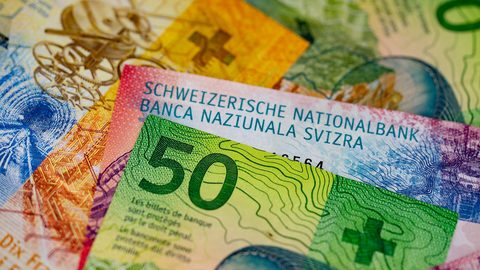 Swiss Francs, Card Payments and Where Cash Still Wins in Switzerland
Switzerland uses the Swiss franc, not the euro. Cards work almost everywhere in cities, but mountain huts and small vendors often demand cash.
Swiss Francs, Card Payments and Where Cash Still Wins in Switzerland
Switzerland uses the Swiss franc, not the euro. Cards work almost everywhere in cities, but mountain huts and small vendors often demand cash.
-
 Switzerland Safety Advice Without the Hype
The train from Zurich Airport to Zurich HB takes 10 minutes. A one-way second-class ticket costs a few francs, set by SBB and updated on their website.
Switzerland Safety Advice Without the Hype
The train from Zurich Airport to Zurich HB takes 10 minutes. A one-way second-class ticket costs a few francs, set by SBB and updated on their website.
-
 What Switzerland Costs and How to Spend Less Without Missing Out
Understand Switzerland's real trip costs, from CHF 12 kebabs to CHF 210 mountain railways, and the structural reasons behind the prices.
What Switzerland Costs and How to Spend Less Without Missing Out
Understand Switzerland's real trip costs, from CHF 12 kebabs to CHF 210 mountain railways, and the structural reasons behind the prices.
-
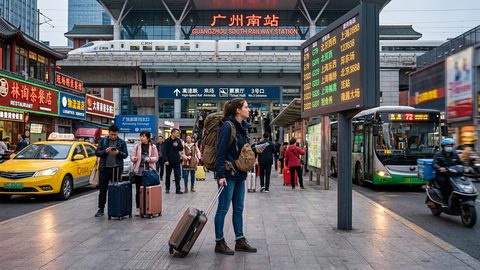 A Ground-Level Logistics Guide to Independent Travel in China
First-time independent travel in China: what you need to know about visas, rail booking, eSIMs, mobile payments, and power adapters.
A Ground-Level Logistics Guide to Independent Travel in China
First-time independent travel in China: what you need to know about visas, rail booking, eSIMs, mobile payments, and power adapters.
-
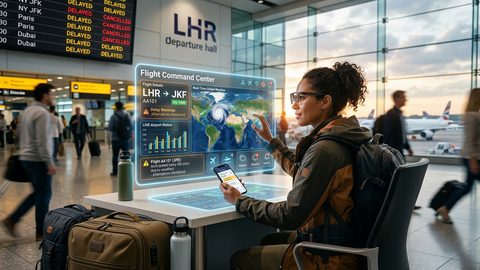 How Solo Travelers Stay Ahead of Flight Delays and Cancellations
How solo travelers can track inbound aircraft, claim rebooking rights, and adjust ground transport when flights go wrong — step by step.
How Solo Travelers Stay Ahead of Flight Delays and Cancellations
How solo travelers can track inbound aircraft, claim rebooking rights, and adjust ground transport when flights go wrong — step by step.
-
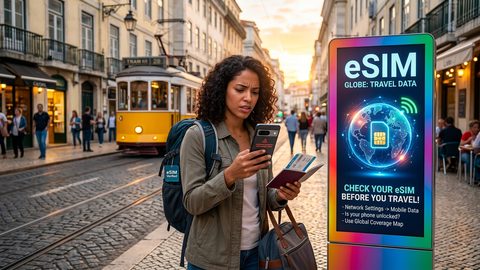 Why Your eSIM Might Not Work Abroad and How to Check Before You Go
Buying an eSIM doesn't guarantee signal abroad. Learn why coverage fails by location and how to verify reach before you commit to a plan.
Why Your eSIM Might Not Work Abroad and How to Check Before You Go
Buying an eSIM doesn't guarantee signal abroad. Learn why coverage fails by location and how to verify reach before you commit to a plan.