A Europe Travel Guide for First-Time Multi-Country Trips
Europe packs more world-class sights into a small area than anywhere else. This guide helps first-timers navigate the cultural patchwork without falling into
A Europe Travel Guide for First-Time Multi-Country Trips
Europe is not a single destination. It is a dense patchwork of distinct cultures separated by short distances, where daily life still runs on cash, local languages, and unspoken social rules that change sharply at each border. The single biggest mistake in first time Europe trip planning is trying to see too many countries in too few days. An itinerary that touches five cities in seven days spends more time on trains and in stations than in the places themselves. The solution is not to move faster: it is to move less. Build your trip around two or three bases per week, accept that you cannot see everything, and book high speed train tickets ahead for the connections that matter. This guide gives you a framework that works for a real first trip, not a fantasy of seeing it all.
- Minimum Days for a Multi-Country Trip: 10 days. Anything shorter is a single country trip, not a European tour.
- Peak Season Pattern: June through August. School holidays drive demand, Mediterranean beaches warm, major festivals cluster.
- Avoid Window: August in Italy, France, and Spain for local holiday closures and coastal crowds. Christmas to New Year for reduced hours and peak pricing in winter sport regions. Easter week in Catholic countries for processions and closed businesses.
- Schengen 90/180 Rule: Non EU passport holders may stay in the Schengen Area for a maximum of 90 days within any rolling 180 day period. Overstay risks fines, deportation, and entry bans.
- Rail Backbone Densities: Highest: Switzerland, Netherlands, Belgium, Czech Republic, Germany. Lowest: Albania, Kosovo, Moldova, Bosnia and Herzegovina, North Macedonia.
- Government Advisories: The UK Foreign, Commonwealth and Development Office (FCDO) advises against all or parts of Belarus, Ukraine, Kosovo, and parts of Moldova. The US Department of State issues Level 4 advisories for Belarus and Ukraine. Check your own government's advisory before booking.
First Time Europe Trip Planning: Choose Your Cultural Zone
Do not build a Europe itinerary for beginners by picking random countries from a map. Start by choosing one cultural zone and staying inside it. Europe divides into nine distinct regions that share transport links, price levels, and social rhythms.
Western And Mediterranean Zones
Western Europe offers high infrastructure, high cost, and first timer sights: Paris, Amsterdam, London. Mediterranean Europe delivers coastal life, late dinners, ancient ruins, and summer heat: Portugal, Spain, Italy, Greece, Croatia.
Central, Nordic And Eastern Zones
Central Europe gives you fairytale old towns, beer culture, and lower prices than the west: Prague, Vienna, Budapest, Krakow. Nordic Europe has design led cities, high prices, and dramatic seasonal light shifts. The Balkans layer Ottoman and Slavic culture over mountains and budget friendly prices, but rail connections are patchy. Eastern Europe carries Soviet echoes, rapid change, and the lowest costs.
British Isles, Alpine And Benelux Zones
The British Isles have pub culture, green countryside, left side driving, and a separate visa zone. Alpine Europe is expensive and German speaking, built for mountain villages and skiing. The Benelux countries are compact, multilingual, and dominated by canal cities and EU institutions.
Pick one zone and build your multi country Europe travel route within it. A week spent between Paris, Brussels, and Amsterdam moves you through three nations on trains under two hours each. A week between Budapest, Vienna, and Prague does the same. A week hitting Barcelona, Madrid, and Seville stays in one nation but crosses three distinct regional cultures. What does not work is Paris to Rome to Berlin in ten days. That route burns two full days on trains and leaves you exhausted, broke, and disappointed.

Europe Travel Seasons Guide: When to Go and When to Stay Home
Peak season runs June through August. Northern summer daylight ranges from 16 to 24 hours in the Nordic countries. Temperatures across continental Europe sit between 15 and 30 degrees Celsius. Mediterranean inland areas hit 28 to 42 degrees. Beaches are warm, festivals run, and crowds are relentless at every major landmark. The Eiffel Tower, the Colosseum, and the Sagrada Familia require booking weeks or days ahead just to get a timed entry slot.
Months To Avoid
August is the month to avoid in Italy, France, and Spain. Entire cities empty for local holidays: shops close, restaurants shut, and coastal areas pack with domestic tourists who come for the same beaches you want. The week between Christmas and New Year brings reduced hours and peak pricing in winter sport regions. Easter week in predominantly Catholic countries means processions and closed businesses.
Shoulder Season Strategy
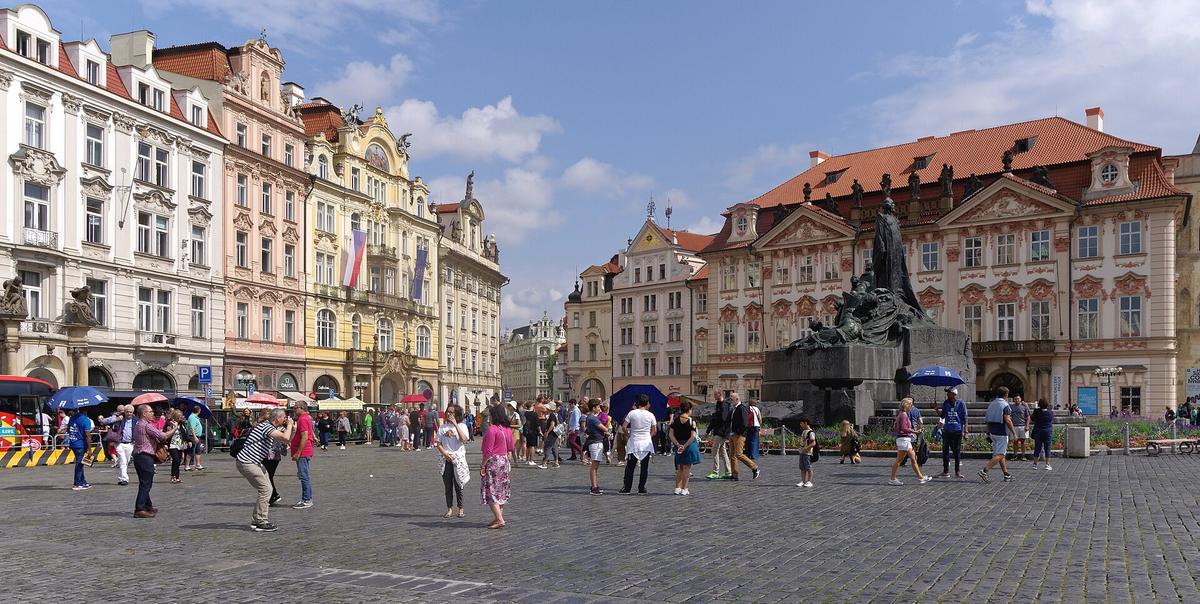
The Mediterranean shoulder season runs April through May and September through October. Coastal temperatures range from 18 to 28 degrees. Crowds thin, prices drop, and you can walk the Charles Bridge before 10am without fighting for space. Book accommodation that has air conditioning, because Northern European hotels rarely have it and public transport lacks it even during heatwaves. Budget for public toilets, which cost between 0.50 and 1.00 Euro, set by the local operator, and often reject card payment. Check the operator's website for current rates.
| Airport | Train to City Centre | Time | Single Fare |
|---|---|---|---|
| London Heathrow (LHR) | Heathrow Express to Paddington | 15 min | £25 |
| Paris Charles de Gaulle (CDG) | RER B to central Paris | 35 min | €11.40 |
| Amsterdam Schiphol (AMS) | NS train to Centraal | 17 min | €4.90 |
| Frankfurt (FRA) | S-Bahn to Hauptwache | 15 min | €5.80 |
| Madrid Barajas (MAD) | Metro Line 8 to Nuevos Ministerios | 20 min | €5.00 |
European Rail Pass vs Point to Point: Which One Saves You Money
Trains dominate intercity and cross border travel, especially in Western and Central Europe. The EU rail network stretches 200,000 kilometres, with 11,000 kilometres of high speed line. Book high speed services like the TGV, ICE, Eurostar, and Frecciarossa ahead for lower fares. The single biggest trip up is assuming a Eurail pass is always the cheapest option.
Pass Costs And Reservations
In France and Spain, advance point to point tickets often undercut pass costs once mandatory seat reservations are added. A Eurail pass covers the base fare but not the reservation fee, which can run between 10 and 30 Euro per high speed train, set by the operator. On a route like Paris to Barcelona, reserving two seats on a pass can cost more than buying two discounted advance tickets. The Interrail pass, valid for 33 nations, excludes Albania, Belarus, Kosovo, Moldova, and Ukraine. Night trains operate on 30 plus international routes, and overnight legs let you save on accommodation while covering distance.
Rail Density And Gauge Changes
Check the rail backbone density of your route before you commit. Switzerland, Netherlands, Belgium, Czech Republic, and Germany have the highest density. Albania, Kosovo, Moldova, Bosnia and Herzegovina, and North Macedonia have the lowest. In the Balkans and Eastern Europe, buses are often faster and more frequent than trains. The rail gauge shifts at borders too: standard 1,435 mm gauge covers most of Europe, but Belarus, Moldova, Ukraine, and the Baltic states use 1,520 mm, Spain and Portugal use 1,668 mm, and Ireland uses 1,600 mm. A direct train from one gauge system to another usually requires a change.
Practical Friction: Cash, Closures, and Connectivity
Public toilets cost between 0.50 and 1.00 Euro, even in train stations, and card payment is not guaranteed. Sunday closures are widespread in Germany, Austria, and Switzerland: plan grocery shopping accordingly. Air conditioning is rare in Northern European hotels and absent on much public transport, even during heatwaves. Tap water is not automatically served in restaurants, and asking for it can draw visible reluctance in some countries. Strikes on French and Italian rail networks are frequent enough to require a backup plan. A bus or a later train on a different route can save a day.
Connectivity And Data
EU roaming regulations mean a SIM bought in one EU country works across all 27 member states at no extra cost. Switzerland, Norway, Iceland, and the UK are outside this zone and often incur roaming charges. Free public WiFi is widespread in city centres but rare on intercity trains. Download offline maps for every city before you leave the hotel.

Day Trips That Extend Your Base Without Relocating
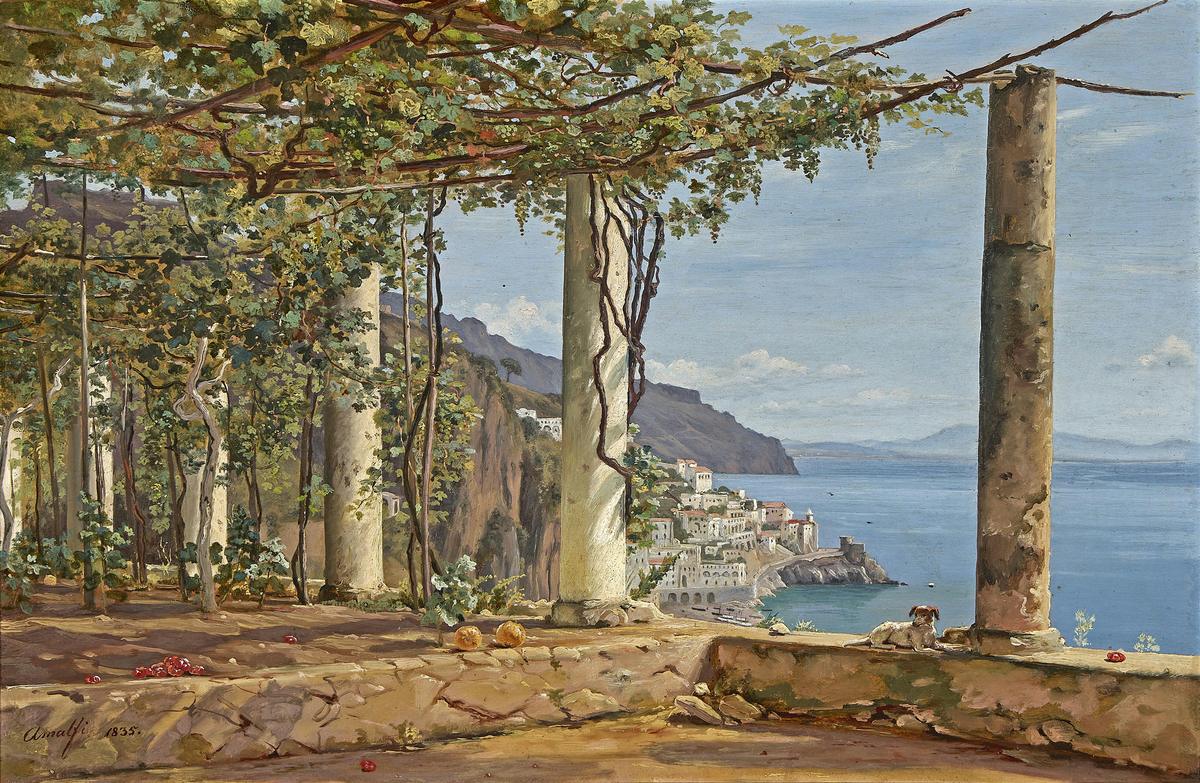
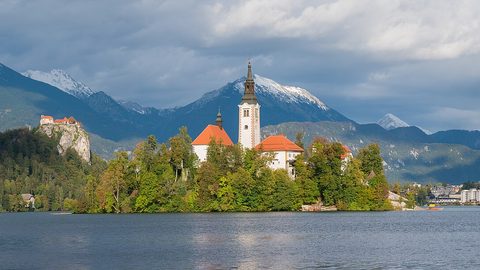
A base in a major city unlocks day trips that feel like whole countries in miniature. From Brussels, Bruges is one hour by train into a perfectly preserved medieval core. From Lisbon, Sintra is 40 minutes by train, requiring advance tickets for Pena Palace. From Ljubljana, Lake Bled is one hour by bus to an island church and cliff castle. From Vienna, Bratislava is one hour by train or boat on the Danube. From Dubrovnik, Mostar is 2.5 hours by bus to an Ottoman bridge, and you need a passport for Bosnia and Herzegovina. From Madrid, Toledo is 30 minutes by high speed train to a walled city where three cultures built on top of each other.
These trips let you see another country without changing your hotel. They reduce transit time, keep packing to one suitcase, and force you to stay in a place long enough to learn its rhythm. That is the measure of a good Europe travel guide: not how many countries you list, but how many you actually experience.
Who Should Take This Trip and Who Should Skip it
This kind of trip suits first time international travellers who want a manageable sampler of foreign cultures. It works for history enthusiasts who want to walk through 2,000 years of built heritage. It works for food focused travellers seeking distinct regional cuisines in quick succession. It works for art and architecture lovers. It works for travellers who prefer well established tourism infrastructure and short transit times between stops.
It does not work for travellers seeking untouched wilderness or true isolation. It does not work for those on an ultra tight budget in Western and Northern Europe specifically. It does not work for anyone unwilling to deal with crowds at major sights during summer. It does not work for visitors expecting a single language or unified cultural experience. Europe is not a theme park. It is forty four countries, twenty nine of them in the Schengen Area, each with its own rules, its own currency or its own relationship to the Euro, and its own version of what a proper meal looks like. Come for the contrast. Do not try to flatten it.
Countries in Europe
-
 Austria
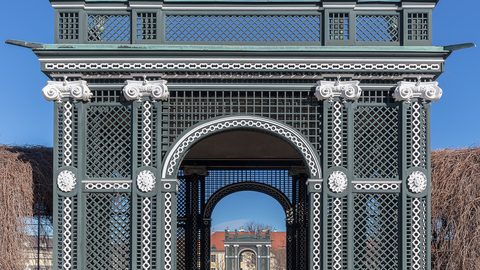
 pairs baroque imperial cities with Alpine valleys close enough to reach by train, making a week the minimum to experience both.
Austria
Austria pairs baroque imperial cities with Alpine valleys close enough to reach by train, making a week the minimum to experience both.
-
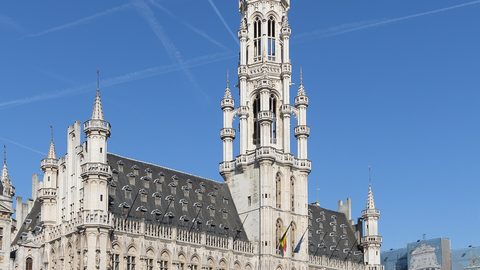
 Belgium
 packs three language communities into a country you can cross in two hours, with signage that changes language mid-motorway and cities that feel like
Belgium
Belgium packs three language communities into a country you can cross in two hours, with signage that changes language mid-motorway and cities that feel like
-
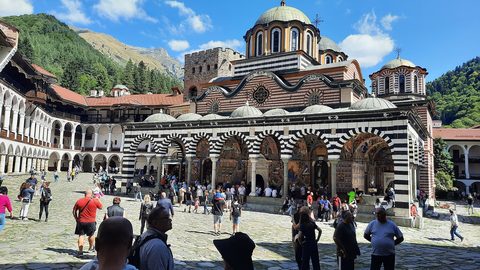
 Bulgaria
 delivers raw authenticity from mountain villages to Black Sea dunes, best suited to independent road-trippers who value discovery over polish.
Bulgaria
Bulgaria delivers raw authenticity from mountain villages to Black Sea dunes, best suited to independent road-trippers who value discovery over polish.
-
 Denmark
 is flat, fractured by water, and built for bicycles. This guide explains the country's gentle, diffuse character and points you to the practical pages
Denmark
Denmark is flat, fractured by water, and built for bicycles. This guide explains the country's gentle, diffuse character and points you to the practical pages
-
 Finland
 is a quiet, vast country of forests and lakes where the luxury is space and silence.
Finland
Finland is a quiet, vast country of forests and lakes where the luxury is space and silence.
-
 France
A practical France travel guide built around regional pace, lunch hours, rail strikes, and the real cost of trying to see too much in one trip.
France
A practical France travel guide built around regional pace, lunch hours, rail strikes, and the real cost of trying to see too much in one trip.
-
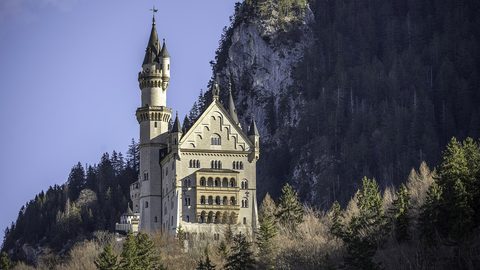
 Germany
 is a federation of 16 states with distinct identities, laws, and holiday calendars. This guide explains the structure before you plan a trip.
Germany
Germany is a federation of 16 states with distinct identities, laws, and holiday calendars. This guide explains the structure before you plan a trip.
-
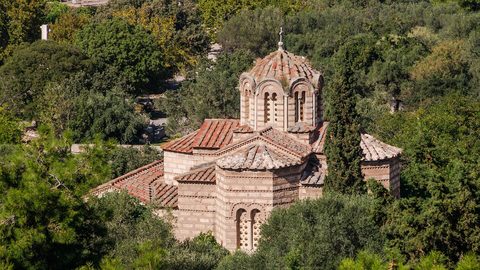
 Greece
 is a mainland and roughly two hundred inhabited islands stitched together by ferries whose schedules shift with the seasons and whose cancellations are
Greece
Greece is a mainland and roughly two hundred inhabited islands stitched together by ferries whose schedules shift with the seasons and whose cancellations are
-
 Hungary
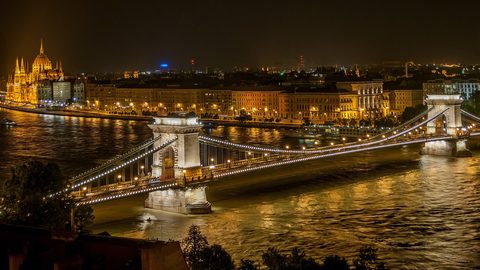
 is a landlocked thermal-bath culture with grand imperial bones and a countryside of flat plains, where Budapest dominates and the forint rules.
Hungary
Hungary is a landlocked thermal-bath culture with grand imperial bones and a countryside of flat plains, where Budapest dominates and the forint rules.
-
 Italy
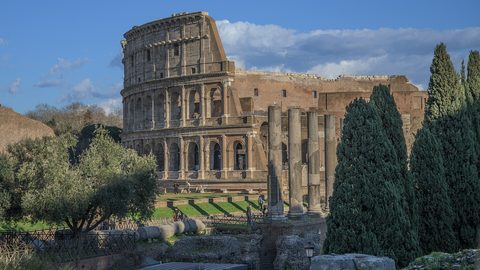
Italy delivers overwhelming cultural density, but the trip is more physically demanding and administratively fiddly than first-timers expect.
Italy
Italy delivers overwhelming cultural density, but the trip is more physically demanding and administratively fiddly than first-timers expect.
-
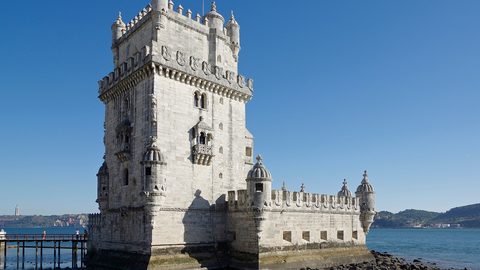
 Portugal
 is an Atlantic country of cobbled hills, cold-water beaches, and a rail network that favours the coast. Here is how to approach it.
Portugal
Portugal is an Atlantic country of cobbled hills, cold-water beaches, and a rail network that favours the coast. Here is how to approach it.
-
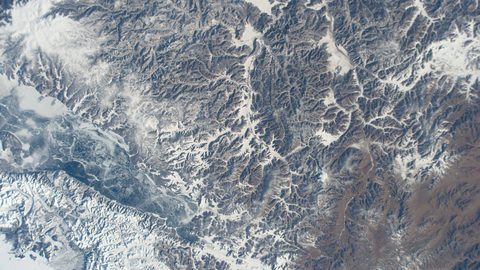
 Russia
 is eleven time zones wide and the rail network is still the honest way to cross them. Start here to plan a trip that respects the scale.
Russia
Russia is eleven time zones wide and the rail network is still the honest way to cross them. Start here to plan a trip that respects the scale.
-
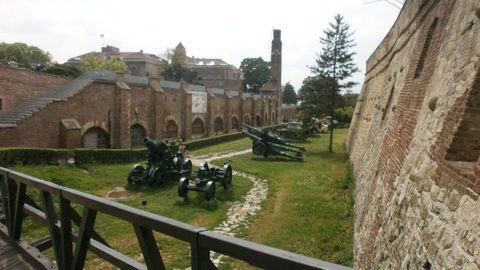
 Serbia
 is a landlocked Balkan crossroads where Slavic, Ottoman and Austro-Hungarian legacies collide with raw post-industrial energy and disarmingly warm
Serbia
Serbia is a landlocked Balkan crossroads where Slavic, Ottoman and Austro-Hungarian legacies collide with raw post-industrial energy and disarmingly warm
-
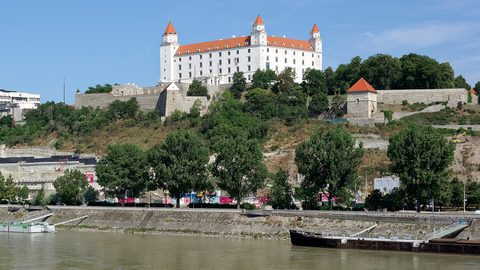
 Slovakia
 rewards hikers, spa-goers and budget travellers who slow down, with the High Tatras mattering more than the capital.
Slovakia
Slovakia rewards hikers, spa-goers and budget travellers who slow down, with the High Tatras mattering more than the capital.
-
 Slovenia
 packs alpine valleys, karst caves and a short Adriatic coast into a compact country best explored by car over seven to fourteen days.
Slovenia
Slovenia packs alpine valleys, karst caves and a short Adriatic coast into a compact country best explored by car over seven to fourteen days.
-
 Spain
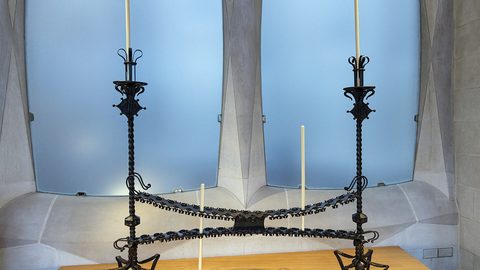
Spain runs on a clock that surprises visitors: lunch at three, dinner at ten, and a working day built around the gap between.
Spain
Spain runs on a clock that surprises visitors: lunch at three, dinner at ten, and a working day built around the gap between.
-
 Sweden
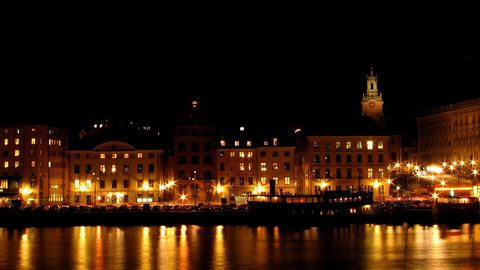
 delivers vast quiet nature and a deeply ingrained outdoor-access culture, but distances are long, rural cafes close early, and the gap between city
Sweden
Sweden delivers vast quiet nature and a deeply ingrained outdoor-access culture, but distances are long, rural cafes close early, and the gap between city
-

 Switzerland
 delivers Alpine scenery with ruthless efficiency across four language regions connected by rail.
Switzerland
Switzerland delivers Alpine scenery with ruthless efficiency across four language regions connected by rail.
-
 The Netherlands
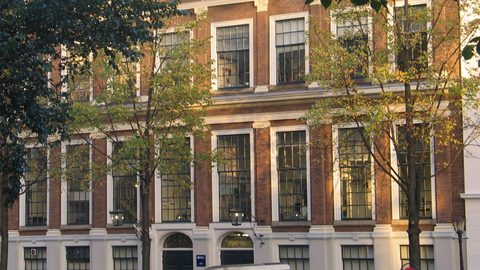
 is a compact, water-engineered country where bicycles rule, weather shifts without warning, and directness is a cultural norm, not rudeness.
The Netherlands
The Netherlands is a compact, water-engineered country where bicycles rule, weather shifts without warning, and directness is a cultural norm, not rudeness.
Common Questions
How do I get between countries in Europe without flying?
Trains are the backbone. High speed services like TGV, ICE, Eurostar, and Frecciarossa connect major cities in under four hours. Night trains operate on 30 plus international routes. Buses fill gaps in the Balkans and Eastern Europe where rail density is low. Book high speed tickets ahead for the best fares.
Do I need a visa to visit multiple European countries?
Non EU passport holders can stay in the Schengen Area for 90 days within any rolling 180 day period. The Schengen Area includes 29 countries. Ireland and Cyprus are EU countries outside Schengen. The UK, Albania, Bosnia and Herzegovina, Montenegro, North Macedonia, Serbia, Kosovo, Moldova, Belarus, and Ukraine are outside both. From 2026, visa exempt non EU travellers need an ETIAS authorisation before entering Schengen countries. From 2025, the UK requires an Electronic Travel Authorisation.
Which countries use the Euro?
Twenty EU member states plus Andorra, Monaco, San Marino, Vatican City, Kosovo, and Montenegro use the Euro. Non Euro EU countries include Bulgaria, Czech Republic, Denmark, Hungary, Poland, Romania, and Sweden. The UK uses pounds sterling. Switzerland uses francs. Norway, Iceland, and the Balkan countries use their own currencies.
What is the 90/180 rule and how is it counted?
The 180 day period is counted backwards from the date of entry or the date of a check. You may stay in the Schengen Area for a maximum of 90 days within that window. Overstay risks fines, deportation, and entry bans up to several years.
When should I book landmark tickets?
Book the Eiffel Tower weeks ahead. The Colosseum requires an advance timed entry ticket. The Sagrada Familia needs days ahead booking. The Anne Frank House releases tickets six weeks out and sells fast. The Alhambra needs months ahead. Neuschwanstein Castle requires advance booking. Plitvice Lakes requires an entry slot. Stonehenge and the Blue Lagoon require advance booking. St. Peter's Basilica is free but the security queue moves fast.
What should I eat across Europe that locals actually eat?
Eat pintxos from the bar in San Sebastian. Order Belgian frites with andalouse sauce from a street side friterie. Try Bosnian cevapi in grilled minced meat on somun flatbread. Have Icelandic lamb soup in a bread bowl. Eat pastéis de nata warm from a Belem bakery in Lisbon. Order Georgian khachapuri, a cheese filled bread boat with egg. Eat Sicilian arancini, fried rice balls that are not the same as mainland Italian suppli. Avoid trdelník across Central Europe: it is a tourist trap. Locals eat koláče or chimney free pastries.
Is it safe to drive between countries in Europe?
Driving from Paris to Warsaw is approximately 1,600 km, roughly equivalent to New York to Miami. Paris to Barcelona is 10 to 12 hours without stops. Berlin to Rome is 15 to 17 hours. London to Edinburgh is 7 to 8 hours. Check government travel advisories before crossing into countries with active advisories: the UK FCDO advises against all or parts of Belarus, Ukraine, Kosovo, and parts of Moldova. The US State Department issues Level 4 advisories for Belarus and Ukraine.
Read next
-
Slovenia
Slovenia packs alpine valleys, karst caves and a short Adriatic coast into a compact country best explored by car over seven to fourteen days.
-
Greece
Greece is a mainland and roughly two hundred inhabited islands stitched together by ferries whose schedules shift with the seasons and whose cancellations are
-
Russia
Russia is eleven time zones wide and the rail network is still the honest way to cross them. Start here to plan a trip that respects the scale.
-
Spain
Spain runs on a clock that surprises visitors: lunch at three, dinner at ten, and a working day built around the gap between.
-
Serbia
Serbia is a landlocked Balkan crossroads where Slavic, Ottoman and Austro-Hungarian legacies collide with raw post-industrial energy and disarmingly warm
-
Slovakia
Slovakia rewards hikers, spa-goers and budget travellers who slow down, with the High Tatras mattering more than the capital.
-
 A Ground-Level Logistics Guide to Independent Travel in China
First-time independent travel in China: what you need to know about visas, rail booking, eSIMs, mobile payments, and power adapters.
A Ground-Level Logistics Guide to Independent Travel in China
First-time independent travel in China: what you need to know about visas, rail booking, eSIMs, mobile payments, and power adapters.
-
 How Solo Travelers Stay Ahead of Flight Delays and Cancellations
How solo travelers can track inbound aircraft, claim rebooking rights, and adjust ground transport when flights go wrong — step by step.
How Solo Travelers Stay Ahead of Flight Delays and Cancellations
How solo travelers can track inbound aircraft, claim rebooking rights, and adjust ground transport when flights go wrong — step by step.
-
 Why Your eSIM Might Not Work Abroad and How to Check Before You Go
Buying an eSIM doesn't guarantee signal abroad. Learn why coverage fails by location and how to verify reach before you commit to a plan.
Why Your eSIM Might Not Work Abroad and How to Check Before You Go
Buying an eSIM doesn't guarantee signal abroad. Learn why coverage fails by location and how to verify reach before you commit to a plan.