How Iran VIP Bus Network Works for Foreigners
Iran's VIP overnight buses connect major cities, but terminals sit far from centres, and you need cash plus a Snapp taxi to make the system work.
The Dominant Intercity Mode is the Iran VIP Bus Network
How the VIP Bus Works
Between Tehran, Isfahan, Shiraz, Yazd, and Mashhad the Iran VIP bus network is what actually moves people. VIP buses give you 2+1 seating, a reclining seat, a snack service. They cover the 450 km Tehran to Isfahan run and the 930 km Tehran to Shiraz overnight haul. Payment is strictly cash, Iranian rials only. No international card works here. Buy a dated ticket for a specific departure time and seat number at a bus company office or online via a domestic platform like Alibaba.ir. That platform also requires an Iranian debit card.
The Terminal Problem
The friction hits when you arrive. Bus terminals sit far from city centres. Tehran's Terminal e Gharb, Terminal e Jonub, and the Beyhaghi Terminal are not places you walk to. You need a secondary ride to reach your hotel. Use a ride hailing app or a metered taxi.
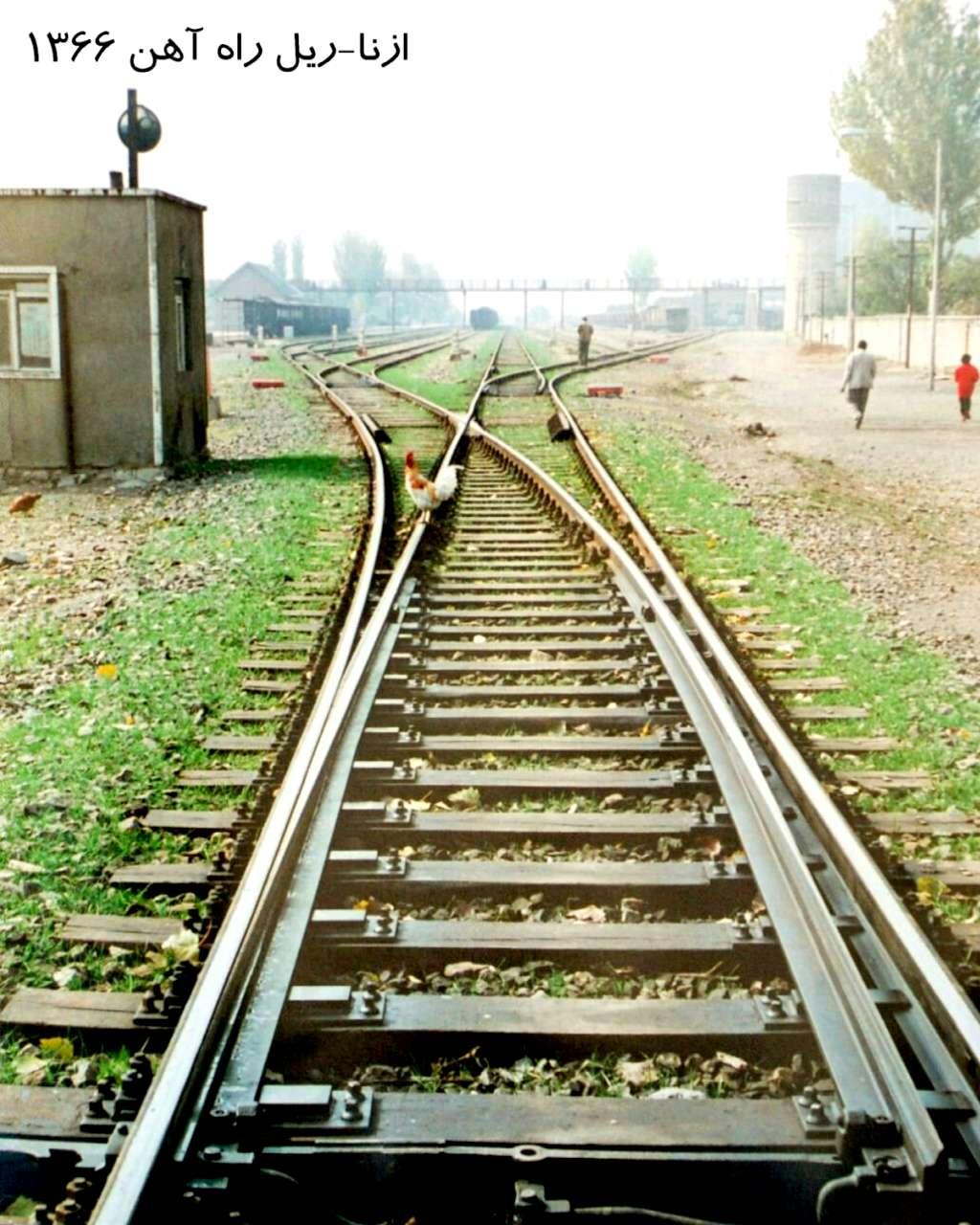

Iran Bus Terminals: Where You Actually Arrive
Tehran's Four Hubs
Tehran has four main bus terminals, each named by the direction it serves. Terminal e Gharb (West Terminal) handles departures toward Isfahan, Shiraz, and the south. Terminal e Jonub (South Terminal) covers routes toward the Persian Gulf and Khuzestan. Terminal e Sharq (East Terminal) serves Mashhad and the northeast. Beyhaghi Terminal near Arjantin Square runs services to the Caspian coast and some northern routes.
How Every Terminal Operates
Every terminal operates on the same principle. Arrive. Find the ticket office for your company. Board at the bay number on your ticket. Store your luggage in the under floor hold. No weight limit is enforced within reason. The problem is that every single terminal requires a taxi ride to reach any central hotel. Budget for that cost and for the 20 to 40 minutes it takes in Tehran traffic.
Snapp Taxi Iran: the Practical Setup
Snapp is the dominant ride hailing app in Iran. It functions like Uber but requires an Iranian SIM card to register. Buy an Irancell or Hamrah e Aval SIM at the airport with your passport, install Snapp, and link it to that number. The app works in Persian only, though the controls are intuitive enough to use without reading the language. Tapsi is the main competitor and works identically.
Payment is cash in rials, handed to the driver at the end of the trip. A ride from Terminal e Gharb to central Tehran costs a couple of dollars. The failure case that matters: if your phone has no data, you cannot call a Snapp. Buy the SIM at arrival, not later.
Iran Train Travel: When the Bus is Not the Answer
The Islamic Republic of Iran Railways (RAI) connects major cities but does not serve many provincial towns. The train is slower than the bus on most routes. Overnight sleeper compartments offer something a VIP bus cannot: a bed. Book a 4 bed couchette or a 6 bed couchette compartment. Unlike buses, compartments can be booked as family or single gender if that matters to you.
Train tickets sell out days in advance on popular routes, especially Tehran to Mashhad and Tehran to Isfahan. Buy them online via RAI or a third party platform. Same problem: no foreign cards accepted. You either pay through a domestic debit card or buy at a station office with cash. The train is not a fallback. It is a planned alternative you book ahead.
Iran Domestic Flights: for Long Hauls
For distances that look short on a map but are not, domestic flights save a full day. The 570 km Shiraz to Bandar Abbas drive takes about seven hours. The flight is under 90 minutes. The hub and spoke network centres on Tehran Mehrabad Airport (THR), not Imam Khomeini. Airlines include Iran Air, Mahan Air, Aseman Airlines, and a dozen others, but the fleet is ageing due to sanctions. Some carriers appear on the annual EU Air Safety List.
Book at a travel agency in person with cash or through an airline office. Online booking requires an Iranian debit card. Checked baggage allowance is 20 to 25 kg. For a route like Tehran to Mashhad, about 900 km by road, the flight cuts the journey from 10 hours to 90 minutes. Use it when the overland option costs you a whole day.
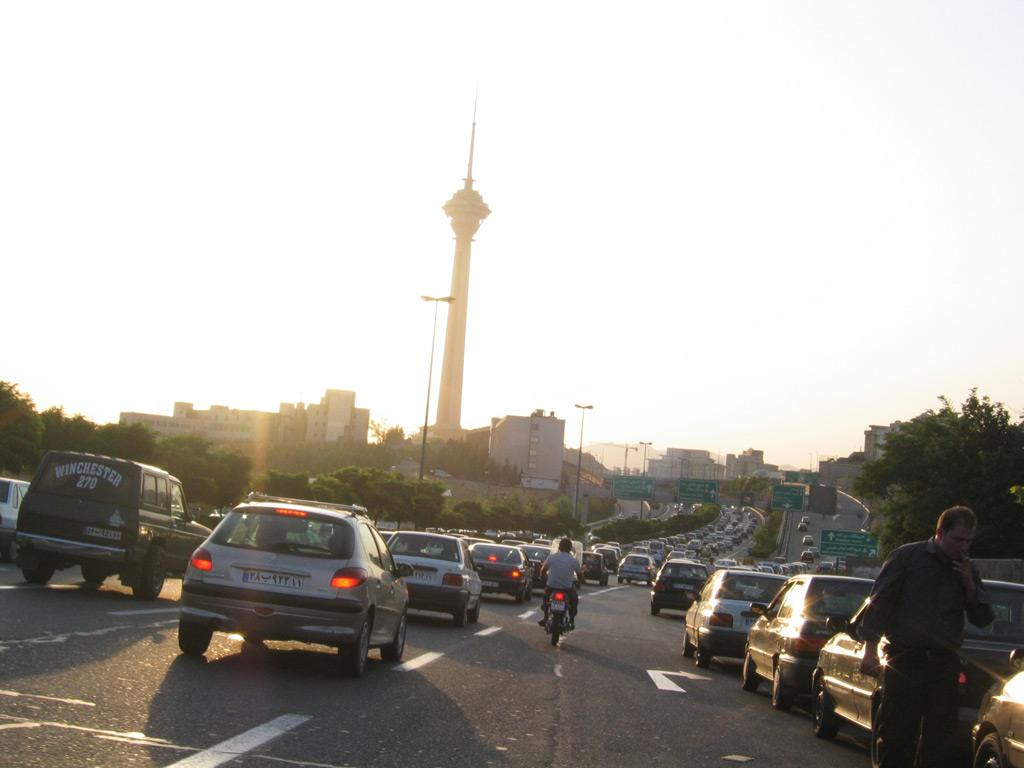
.jpg)
Getting Between Iranian Cities: the Real Frictions
The Cash Trap
Every mode in Iran shares the same cash problem. No Visa, Mastercard, or Amex works anywhere on the transport network. Carry all your funds in pristine US dollars or euros. Exchange them at licensed shops. Pay for every bus, train, Snapp, and terminal snack in rials. There is no workaround.
The Calendar Trap
The second friction is scheduling. The Persian solar Hijri calendar governs every booking platform. Hotel and bus booking sites default to it, and tourists book for the wrong date because they read the month name wrong. Check your departure date against the solar Hijri equivalent before you pay.
Dress Code and Seasonal Chaos
The third is the dress code for women. The mandatory hijab applies on every bus, every train, every metro car, and in every terminal. Loose clothing covering arms and legs, plus a headscarf. This is enforced from the moment you land. On the Tehran Metro, women only carriages are available at the front and rear of each train. They are optional.
Seasonal disruption is real. The two week Nowruz period around the spring equinox sees domestic travel surge, hotels triple in price, and every bus and train sell out weeks in advance. Book every bed and every ticket months ahead if you travel during that window. The month of Ramadan shifts eating and drinking schedules and many sites close early. It is not a travel ban, but it adds friction.
Who the Iran Intercity Network Suits and Who it Does Not
The network suits the intrepid cultural traveller who plans ahead, carries cash in USD or euros, buys a local SIM on arrival, and accepts the dress code as a fact of travel, not a negotiable. It does not suit anyone unwilling to adapt to the complete absence of international banking. It does not suit anyone who needs last minute bookings during Nowruz. It does not suit anyone who thinks a 930 km bus ride is a fallback and not the main event. The single mistake that most often derails a trip is underestimating the scale: trying to cover Tehran, the Caspian coast, Qeshm Island, and Tabriz in two weeks means spending most of it on a bus, not exploring the destination.
Common Questions
Can I buy a bus ticket in Iran with a foreign credit card?
No. Visa, Mastercard, and Amex are not accepted anywhere in Iran. You must pay for bus tickets in cash, Iranian rials, at a bus company office or at the terminal.
Do I need a VPN to use Snapp in Iran?
The app itself works without a VPN. But many international websites and social media platforms are blocked, so you will need a VPN installed before arrival for other needs like messaging and maps.
Is it safe to travel overnight by VIP bus as a solo woman?
Yes. VIP buses are comfortable, widely used by Iranian families, and gender segregation is not enforced by seating. Women may choose to sit next to other women.
How far in advance should I book domestic flights within Iran?
Book as soon as your itinerary is fixed. Trains sell out days ahead on popular routes, and flights fill up during Nowruz. Walk into a travel agency with cash.
Read next
-
 Staying Connected in Iran Without Expensive Roaming
Why a physical Irancell or Hamrah-e Aval SIM registered with your passport is the only real data option in Iran, and why your VPN must be installed before landing.
Staying Connected in Iran Without Expensive Roaming
Why a physical Irancell or Hamrah-e Aval SIM registered with your passport is the only real data option in Iran, and why your VPN must be installed before landing.
-
 Best Time to Visit Iran for Persian Sites and Desert Cities
March to May is peak season in Iran, but Nowruz brings triple prices and sold-out hotels. Autumn is the best shoulder window for fewer crowds.
Best Time to Visit Iran for Persian Sites and Desert Cities
March to May is peak season in Iran, but Nowruz brings triple prices and sold-out hotels. Autumn is the best shoulder window for fewer crowds.
-
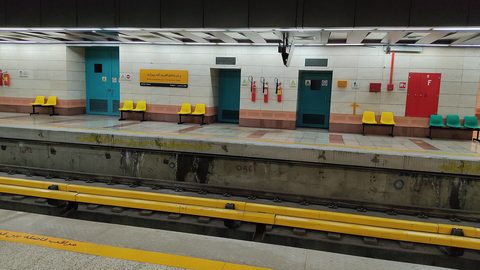 Iran Visa Rules for British American and Canadian Passport Holders
Iran visa rules vary sharply by nationality. US, UK, and Canadian citizens need an authorised guide, while many others can get visa-on-arrival at IKA.
Iran Visa Rules for British American and Canadian Passport Holders
Iran visa rules vary sharply by nationality. US, UK, and Canadian citizens need an authorised guide, while many others can get visa-on-arrival at IKA.
-
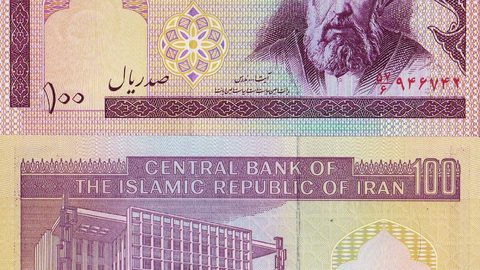 How to Pay for Things in Iran Without International Cards
No international cards work in Iran. You must carry pristine US dollars or euros and exchange them at licensed shops for Iranian rials.
How to Pay for Things in Iran Without International Cards
No international cards work in Iran. You must carry pristine US dollars or euros and exchange them at licensed shops for Iranian rials.
-
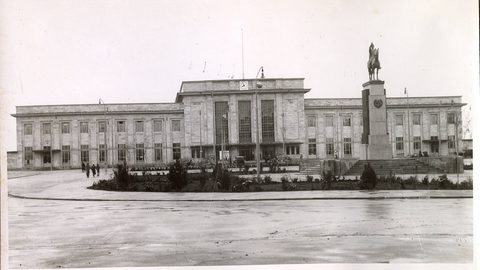 Is Iran Safe to Visit as an Independent Traveller
Iran's streets are generally safe and welcoming, but photography restrictions, dress code enforcement, and geopolitical warnings shape the reality.
Is Iran Safe to Visit as an Independent Traveller
Iran's streets are generally safe and welcoming, but photography restrictions, dress code enforcement, and geopolitical warnings shape the reality.
-
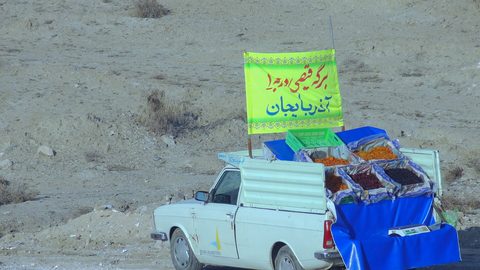 How Much Money to Bring for an Iran Trip in Cash
How to calculate the cash you must carry for Iran, where no international cards work and every rial is exchanged from pristine dollars or euros.
How Much Money to Bring for an Iran Trip in Cash
How to calculate the cash you must carry for Iran, where no international cards work and every rial is exchanged from pristine dollars or euros.
-
 A Ground-Level Logistics Guide to Independent Travel in China
First-time independent travel in China: what you need to know about visas, rail booking, eSIMs, mobile payments, and power adapters.
A Ground-Level Logistics Guide to Independent Travel in China
First-time independent travel in China: what you need to know about visas, rail booking, eSIMs, mobile payments, and power adapters.
-
 How Solo Travelers Stay Ahead of Flight Delays and Cancellations
How solo travelers can track inbound aircraft, claim rebooking rights, and adjust ground transport when flights go wrong — step by step.
How Solo Travelers Stay Ahead of Flight Delays and Cancellations
How solo travelers can track inbound aircraft, claim rebooking rights, and adjust ground transport when flights go wrong — step by step.
-
 Why Your eSIM Might Not Work Abroad and How to Check Before You Go
Buying an eSIM doesn't guarantee signal abroad. Learn why coverage fails by location and how to verify reach before you commit to a plan.
Why Your eSIM Might Not Work Abroad and How to Check Before You Go
Buying an eSIM doesn't guarantee signal abroad. Learn why coverage fails by location and how to verify reach before you commit to a plan.