Denmark Transport Connections That Actually Work for Visitors
Denmark's transport map looks seamless but hides ferry gaps, cashless buses, and a Rejsekort system that punishes forgetfulness.
The Map Lies About Bridges
You see a bridge on the map and assume you can drive to Bornholm, Samsø, and the South Funen Archipelago. You cannot. The Great Belt Fixed Link connects Zealand to Funen. The Øresund Fixed Link connects Copenhagen to Sweden. Everything else that looks connected is a ferry route that sells out in July. Here is how Denmark's real transport network works, where the gaps are, and what to book before you arrive.
DSB Trains: the Only Backbone Worth Trusting
InterCity And The Reservation Rule
The national operator DSB runs the intercity network that connects Copenhagen, Odense, Aarhus, Aalborg, and Esbjerg. An express train from Copenhagen to Aarhus takes about 3 hours. From Copenhagen to Esbjerg, about 3 hours. These trains are reliable. InterCityLyn services require a seat reservation. Make it at least a day ahead in peak season or you stand for the whole trip.
Where The Gaps Are
Other operators fill gaps. Arriva runs trains in Jutland. Nordjyske Jernbaner covers parts of North Jutland. Lokaltog and Midtjyske Jernbaner handle smaller local lines. Main lines are electrified, but multiple secondary lines still run on diesel. That means slower journeys and less frequent service on routes like Struer to Thisted. Check the national journey planner Rejseplanen, which covers every train, bus, metro, and light-rail service in the country. That single app is how you avoid standing on the wrong platform.

The Rejsekort Trap: Check Out or Pay Double
How The Card Works
The Rejsekort is a contactless smart card that works on all trains, metro, buses, and light rail. Buy the anonymous version at a station for a DKK 80 deposit. You check in at the start of your journey and check out at the end. Forget to check out, and the system charges the maximum fare for that route. That mistake can cost you a lot more than the fare you intended to pay.
Alternatives And Rural Reality
The DSB app lets you buy digital passes with a QR code. InterCity and InterCityLyn fares are tied to a specific departure. Local train fares are valid for a time window based on zones, not a specific train. Paper passes bought on board carry a surcharge. Regional bus drivers rarely accept cash at all. If you board a bus in rural Jutland without a Rejsekort or a mobile pass, you are stuck. The Rejsekort app, available since 2020, is the cleanest solution for visitors who do not want to carry the physical card and remember the check-out.
Ferries That Sell Out: Bornholm, Samsø, Læsø, and the Archipelago
Bornholm: Book By June
Bornholmslinjen runs the ferries to Bornholm from Køge, from Ystad in Sweden, and from Sassnitz in Germany. The overnight ferry from Copenhagen sails at 23:00 and arrives at Rønne at 06:30, a journey of about 7 hours. Day crossings take about 5.5 hours. In July, these routes sell out weeks in advance. Book by early June. If you miss the ferry, a 35-minute flight from Copenhagen to Bornholm is the only reliable backup, and the 07:00 departure fills up just as fast.
Samsø, Læsø, And The Archipelago
Samsø Rederi runs the Hou to Sælvig ferry. The crossing takes about 15 minutes. It is a small vessel, and in July, holidaymakers fill it to capacity. Læsøfærgen runs from Frederikshavn to Vesterø, a 90-minute crossing that also sells out in peak weeks. The South Funen Archipelago requires small ferries run by Ærøfærgerne and LangelandsFærgen. The Svendborg to Ærøskøbing crossing takes about 75 minutes. These routes reduce frequency from October through March, and some minor island routes suspend service entirely in winter.
One Booking System, One Rule
Molslinjen operates Bornholmslinjen, LangelandsFærgen, Samsø Rederi, and Alslinjen as a single group. They all use the same booking system. You need a reservation for a vehicle and a fare for each passenger. Foot passengers can usually buy walk-up passage on the day, but in July even those can hit capacity. The common mistake is assuming a bridge connects everything. It does not. Reserve every ferry you think you might need, and do it before you leave home.
Aarhus Airport: a Genuine Planning Risk
Aarhus Airport (AAR) is poorly connected. The bus to Aarhus city centre takes 50 minutes and runs infrequently. If you arrive on a late flight, the bus may have stopped running. Your alternatives are a taxi, or a rental car from Avis, Europcar, Hertz, Sixt, or Budget at the airport. If your flight lands at 22:00, check the bus schedule before you book. If the bus is gone, budget for the taxi or rent a car in advance. Billund Airport (BLL), by contrast, has buses to Vejle in 30 minutes and to Aarhus in 1.5 hours. Aalborg Airport (AAL) has a bus-metro link to the city centre in 20 minutes. Copenhagen Airport (CPH) has the metro M2 to the city centre in 15 minutes and a train in 12 minutes. Aarhus Airport is the outlier that punishes the unprepared.
Buses, Zones, and What You Cannot Pay with
The Zone System
Regional buses fill the gaps the trains miss. FlixBus and Kombardo Expressen run longer routes, including the combined bus-ferry to Bornholm. But the local services, run by DOT near Copenhagen, Midttrafik around Aarhus, FynBus on Funen, and Nordjyllands Trafikselskab around Aalborg, operate on a zone system. A standard single fare is valid for a time window based on zones traveled, not a specific departure. Buy it from the Rejsekort, the app, or a ticket machine at the station. Bus drivers do not sell fares. They do not take cash. You must have a valid pass or a checked-in Rejsekort before you board.
The Check-Out Penalty
The single biggest trip-up for visitors: forgetting to check out the Rejsekort. You walk off the bus, the card stays checked in, and the system charges the maximum fare for the entire route. That is a penalty of DKK 50 to DKK 150 depending on distance. Set a reminder on your phone for when you get off every bus, train, and metro ride.


Cycling, Driving, and the Distances That Fool You
By Bicycle
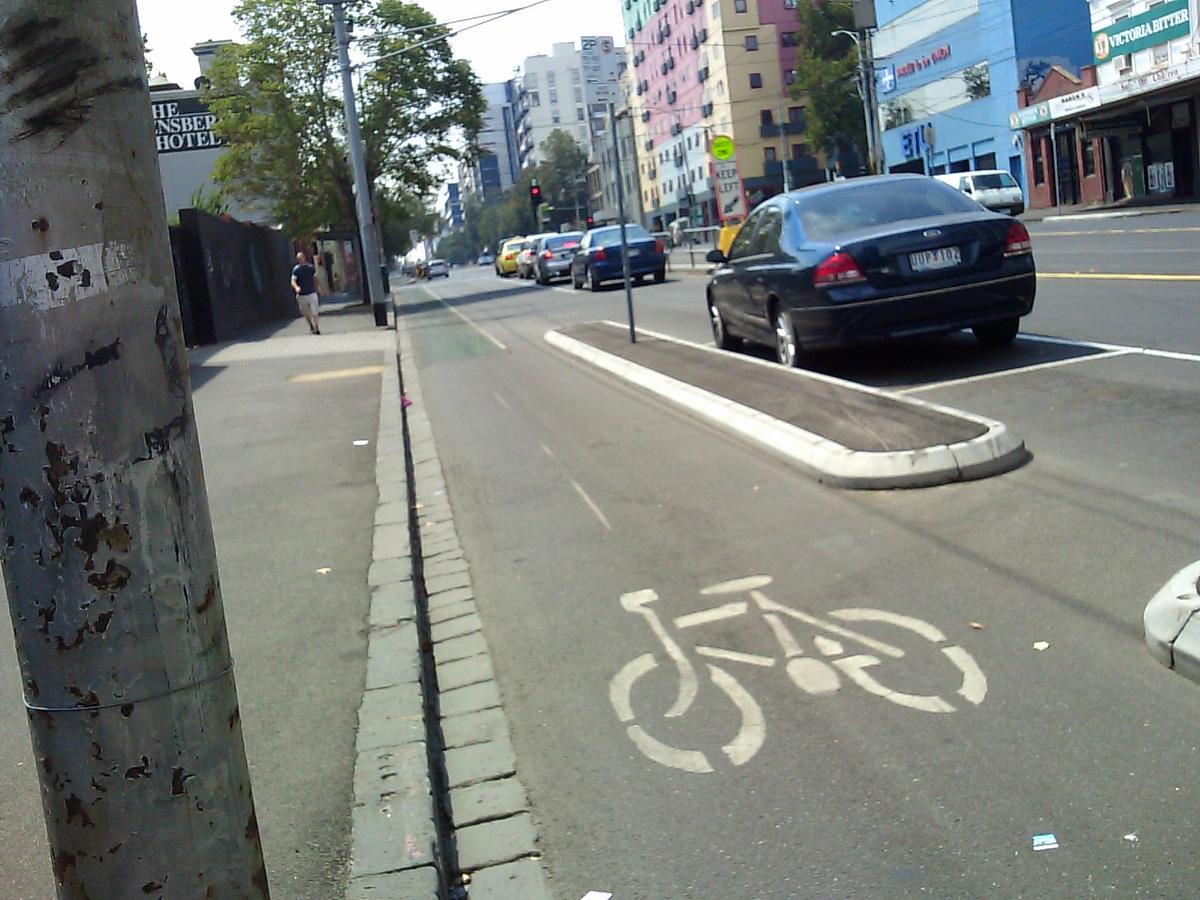
Denmark is flat and has a national cycle route network of 11 routes numbered 1 through 10 and 12. Cycle paths are common in cities and along many rural roads. Bicycles can be carried on trains with a bicycle pass outside peak hours. On Copenhagen S-trains, peak restrictions apply weekdays 07:00 to 09:00 and 15:30 to 17:30. On the metro, same restrictions. On city buses, bicycles are not permitted. On some regional buses with space, they are. The designated cycling routes are well signed with a white bicycle on a blue background.
By Car
Driving gives you flexibility, especially for reaching places like Møns Klint, where the car journey takes 1.5 hours from Copenhagen versus a train-bus combo that takes 2.5 hours. The motorway network uses E20, E45, E39, E47, and E55. The Great Belt Fixed Link and Øresund Fixed Link both charge tolls collected by automatic number plate recognition. No cash booths. If you rent a car, the rental company usually handles the toll billing. Winter tyres are not mandatory but recommended from December to March. Snow and ice are possible. The roads are salted and ploughed by municipalities, but rural side roads can be slow.
Distances That Fool You
The distance that looks short and is not: Copenhagen to Skagen is about 500 kilometers by road, 5.5 to 6 hours driving. That is a full day, not a morning. Copenhagen to Bornholm is 40 minutes by air or 3.5 hours by combined train, bus, and ferry. Aarhus to Copenhagen is about 3 hours by express train or 3.5 to 4 hours by car. Esbjerg to Copenhagen is about 3 hours by train or 3.5 hours by car. The map makes Denmark look small. The travel times remind you it is not.
What to Book Before You Land
Transport
Book the Rejsekort anonymous card at a station or download the Rejsekort app before you need it. Buy DSB Orange fares for InterCity services in advance. These are discounted and tied to a specific departure. They are non-refundable, so be certain of your schedule. Orange Fri fares are flexible and refundable but more expensive.
Book all inter-island ferry reservations for July at least three weeks ahead. Bornholmslinjen, Samsø Rederi, Læsøfærgen, and the South Funen ferries all sell out.
Attractions And Practicals
Book Legoland Billund entry online in advance and save 10 to 15 percent. The autumn break in week 42 fills domestic holiday areas entirely. If you travel that week, every hotel and ferry near Legoland is already taken.
Non-EU visitors should buy a physical SIM at the Copenhagen airport arrivals hall from a Lebara or Lycamobile kiosk. Expect to pay DKK 50 to 100 for 30 GB. EU and EEA visitors roam freely. MobilePay is near-universal in Denmark but requires a Danish CPR number and a bank account. Tourists cannot get it. Carry a physical contactless card and coins for public toilets, which cost DKK 2 to 5 and rarely accept foreign contactless.
The One Thing That Often Goes Wrong
The most frequent mistake visitors make: assuming the bridge on the map connects everything and arriving at a ferry terminal in July without a reservation, discovering the next available crossing is three days later, and then having to rearrange an entire itinerary around a missed island. Denmark's transport network is orderly and reliable right up until the moment a summer ferry sells out. Plan around that single failure case, and everything else works.
Common Questions
Do I need a Rejsekort or can I use a contactless credit card on all transport?
You need a Rejsekort or the DSB app. Contactless credit cards are not accepted on Danish public transport as a direct payment method. The Rejsekort anonymous card costs DKK 80 deposit at stations. The DSB app works for most trains and buses with a QR code ticket.
Can I buy ferry tickets to Bornholm on the day of travel in July?
Vehicle tickets sell out weeks in advance. Foot passenger tickets are more likely to be available on the day but can still sell out on popular crossings. Book by early June for July travel. The 35-minute flight from Copenhagen is the backup, and it also fills up.
What happens if I miss the last bus from Aarhus Airport?
The bus runs infrequently and may stop by 22:00. Your options are a taxi to Aarhus city centre or a rental car from the airport. Check the bus schedule before booking the flight. If it does not align, rent a car or take an earlier flight.
Is it cheaper to buy DSB tickets in advance or on the day?
DSB Orange tickets, available in advance, are cheaper than full-price tickets bought on the day. They are non-refundable and tied to a specific departure. Full-price InterCity tickets cost more but allow flexibility. Regional train tickets cost the same whenever you buy them.
Read next
-

 Staying Connected in Denmark eSIM Local SIM or Just Roaming
Denmark runs on MobilePay but tourists are locked out—here is how to stay connected for the DSB app, ferry bookings, and the coin-only toilets that define
Staying Connected in Denmark eSIM Local SIM or Just Roaming
Denmark runs on MobilePay but tourists are locked out—here is how to stay connected for the DSB app, ferry bookings, and the coin-only toilets that define
-
 Best Time to Visit Denmark, What Each Season Actually Does
Denmark's seasons swing from 17-hour summer daylight to seven-hour winter gloom. This page explains what each season does to crowds, closures, and your trip.
Best Time to Visit Denmark, What Each Season Actually Does
Denmark's seasons swing from 17-hour summer daylight to seven-hour winter gloom. This page explains what each season does to crowds, closures, and your trip.
-
 Denmark Visa Rules, Who Needs One and How the Application Works
Denmark is in the Schengen zone. This page explains who needs a visa to enter, how the Danish application process works, and what ETIAS will change.
Denmark Visa Rules, Who Needs One and How the Application Works
Denmark is in the Schengen zone. This page explains who needs a visa to enter, how the Danish application process works, and what ETIAS will change.
-
 Money in Denmark, Danish Krone, Cards, and When Cash Still Wins
Denmark runs on cards and MobilePay, but tourists cannot get MobilePay. Here is how to handle Danish krone, where cash still matters, and why tap water costs.
Money in Denmark, Danish Krone, Cards, and When Cash Still Wins
Denmark runs on cards and MobilePay, but tourists cannot get MobilePay. Here is how to handle Danish krone, where cash still matters, and why tap water costs.
-
 Safety in Denmark, Reading the Advice Without Being Misled by It
Denmark is a low-crime country, but cycling culture, coastal weather, and tidal flats pose real risks. This page reads the safety advice critically.
Safety in Denmark, Reading the Advice Without Being Misled by It
Denmark is a low-crime country, but cycling culture, coastal weather, and tidal flats pose real risks. This page reads the safety advice critically.
-
 What Denmark Costs Without the Shock A Rough Budget in Shape Not Figures
Denmark's costs hit in patterns, not random prices—eating out, alcohol, and summer house hidden fees are the structural shocks that catch even warned
What Denmark Costs Without the Shock A Rough Budget in Shape Not Figures
Denmark's costs hit in patterns, not random prices—eating out, alcohol, and summer house hidden fees are the structural shocks that catch even warned
-
 A Ground-Level Logistics Guide to Independent Travel in China
First-time independent travel in China: what you need to know about visas, rail booking, eSIMs, mobile payments, and power adapters.
A Ground-Level Logistics Guide to Independent Travel in China
First-time independent travel in China: what you need to know about visas, rail booking, eSIMs, mobile payments, and power adapters.
-
 How Solo Travelers Stay Ahead of Flight Delays and Cancellations
How solo travelers can track inbound aircraft, claim rebooking rights, and adjust ground transport when flights go wrong — step by step.
How Solo Travelers Stay Ahead of Flight Delays and Cancellations
How solo travelers can track inbound aircraft, claim rebooking rights, and adjust ground transport when flights go wrong — step by step.
-
 Why Your eSIM Might Not Work Abroad and How to Check Before You Go
Buying an eSIM doesn't guarantee signal abroad. Learn why coverage fails by location and how to verify reach before you commit to a plan.
Why Your eSIM Might Not Work Abroad and How to Check Before You Go
Buying an eSIM doesn't guarantee signal abroad. Learn why coverage fails by location and how to verify reach before you commit to a plan.