Understanding Turkey Public Holidays Travel Impact on Your Itinerary
Kurban Bayramı turns intercity roads into gridlock and buses sell out days in advance; the dates shift annually and catching one by surprise can derail a trip.
Turkey public holidays travel impact: The Days Turkey Closes and the Ones That Move
You book a flight to Turkey in late May and plan to drive from Ephesus to Cappadocia. Then you learn the intercity bus you counted on has been sold out for a week, and the coastal highway is a parking lot. That is the Turkish public holiday travel impact at its most disruptive: a four-day feast that shifts annually by 11 days and gridlocks the roads. The same problem repeats on a smaller scale during the three-day Ramazan Bayramı. Meanwhile, the fixed secular holidays on the Gregorian calendar close government offices and museums but rarely halt transport. You need a disruption calendar, not a cultural explainer.
| Holiday | Date Range | Type | Travel Impact |
|---|---|---|---|
| Ramadan (Ramazan) Month | 18 Feb - 19 Mar 2026 | Lunar Islamic (fasting) | Minimal on tourist coast; restaurants in conservative areas close by day; alcohol service restricted in some districts |
| Ramadan Feast (Ramazan Bayramı) | 20-22 Mar 2026 | Lunar Islamic, 3 days | Domestic travel crush; buses and flights full; accommodation prices rise sharply |
| Sacrifice Feast (Kurban Bayramı) | 27-30 May 2026 | Lunar Islamic, 4 days | Worst domestic travel gridlock of the year; intercity roads jammed; buses sell out days in advance |
| New Year's Day | 1 Jan | Fixed, 1 day | Moderate; some hotels run packages; transport normal |
| National Sovereignty and Children's Day | 23 Apr | Fixed, 1 day | Government offices and banks closed; museums open; minimal transport disruption |
| Labour and Solidarity Day | 1 May | Fixed, 1 day | Government offices closed; some Istanbul streets closed for rallies; transport runs on Sunday schedule |
| Commemoration of Atatürk, Youth and Sports Day | 19 May | Fixed, 1 day | Government offices closed; no major travel disruption |
| Democracy and National Unity Day | 15 Jul | Fixed, 1 day | Government offices closed; some public ceremonies in Ankara and Istanbul; transport normal |
| Victory Day | 30 Aug | Fixed, 1 day | If adjacent to weekend, creates long weekend and domestic travel spike |
| Republic Day (half-day on 28 Oct) | 29 Oct | Fixed, 1 day | Government offices closed afternoon on 28th; full closure on 29th; long weekend possible |
Kurban Bayrami Travel Gridlock: the Four Days That Stop the Roads
Kurban Bayramı, the four-day Sacrifice Feast, is the single worst period for intercity travel in Turkey. In 2026 it falls approximately 27-30 May, but the date shifts annually and the Presidency of Religious Affairs (Diyanet) publishes the exact calendar. The travel impact begins before the feast itself: the Arefe half-day, the afternoon before the first full day, triggers the first wave of departures. By noon on the eve, intercity buses from Istanbul's Esenler Otogar and Ankara's AŞTİ are sold out. The coastal resorts, Antalya, Bodrum, Kaş, see their highest domestic bookings of the year. The roads between Istanbul and Izmir, a 7-9 hour bus journey, and the D400 coastal highway from Antalya to Fethiye become gridlocked with passenger cars. The Istanbul to Antalya bus leg can stretch to roughly double its normal duration.
Book Buses and Flights Before the Feast
Book any long-distance bus at least two weeks before Kurban Bayramı. Use the Obilet app for advance purchase; cash sales at the otogar are unreliable because inventory vanishes early. Domestic flights are an alternative, but they also fill quickly and prices on Pegasus Airlines and AnadoluJet spike. If you plan a self-drive itinerary, budget for twice the normal driving time and confirm your rental car has a full tank before departure, because filling station queues on the main holiday corridors add a significant wait per stop. Avoid the Malkara to Izmir corridor entirely if you have a fixed flight to catch.
What Happens if You Have No Ticket
The failure case: you arrive at the otogar without a ticket on the day before Kurban Bayramı. Every counter tells you the same thing, sold out. Your fallback is the Istanbul to Ankara high-speed train (YHT) from Pendik, but even that sells out early on feast periods. If you are stuck, find a hotel near the otogar and wait until the second day of the feast, when the earliest departures open up again. The roads stay heavy for the full four days.
Museums and Shops During the Feast
State-run museums and archaeological sites remain open during Kurban Bayramı, though they may close early on the first day, the Feast itself. The Grand Bazaar and Spice Bazaar in Istanbul shut for the full four days. Most shops and shopping malls open, often half a day later than usual. This is a domestic travel event, not a total shutdown. You can eat, find accommodation, and visit sites, but moving between cities is the problem.

Ramazan Bayrami Domestic Crush: the Three-Day Feast That Fills Every Bus
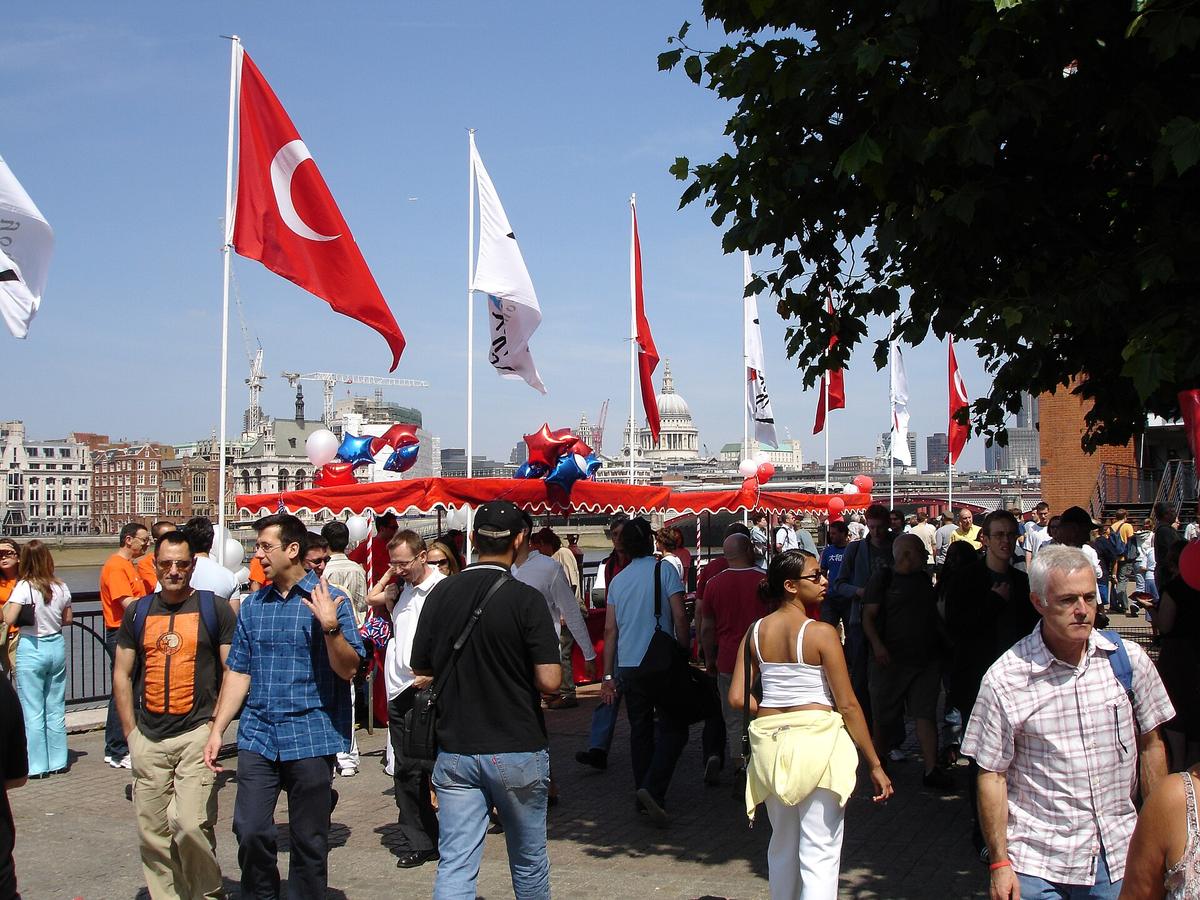
Ramazan Bayramı, the three-day holiday that ends the month of fasting, creates a similar but slightly less intense domestic travel surge. In 2026 it approximates 20-22 March, dates set by the Diyanet. The pattern is identical to Kurban Bayramı only compressed: intercity buses sell out days ahead, flights on Turkish Airlines and low-cost carriers reach full capacity, and hotel prices in coastal cities rise sharply. The difference is volume. Fewer people travel for three days than four, so the gridlock lasts a day less. The first afternoon, Arefe, is the peak departure window; the third evening sees the return rush.
Stay Put in Istanbul
If you are in Istanbul during Ramazan Bayramı, the city is actually emptier than usual because Istanbulites leave for their home towns. Restaurants in the historic peninsula and Beyoğlu stay open; alcohol service in shops may be restricted, but most tourist-oriented venues serve normally. The Taksim to Kadıköy ferry runs on a Sunday schedule with reduced frequency. The key disruption is the same as Kurban Bayramı: do not plan to travel between cities on those days without a confirmed booking. The Ramazan Bayrami domestic crush means the otogar counters show the same empty board.
Quieter Sites, Open Doors
The positive angle: if you stay put during Ramazan Bayramı, you get quieter museums and lower site queues. Hagia Sophia, the Basilica Cistern, and the Blue Mosque are open on feast days, though prayer schedules may close the Blue Mosque temporarily on the first morning. The Göreme Open Air Museum in Cappadocia and Ephesus are open, though extra ticket sections like Topkapı Palace's harem may close early. Carry small coins for the pay toilets at otogars and sites; the fee is standard, and toilet paper is not provided.
Turkey Secular Holidays Fixed: When Government Offices and Museums Close
Six public holidays in Turkey follow the Gregorian calendar and never shift. They close government offices, banks, and post offices, but they rarely disrupt transport and do not cause the same domestic travel surge as the religious feasts. The list: New Year's Day on 1 January, National Sovereignty and Children's Day on 23 April, Labour and Solidarity Day on 1 May, Commemoration of Atatürk, Youth and Sports Day on 19 May, Democracy and National Unity Day on 15 July, Victory Day on 30 August, and Republic Day on 29 October, with a half-day on 28 October.
When You Need a Bank or a Museum
If you need to visit a state-run museum, an archaeological site, or a government office to register anything, these are days to avoid. But if you are sightseeing with a Museum Pass Türkiye or a Museum Pass Cappadocia, the sites themselves are open on all fixed holidays, though many remain closed on Mondays year-round, so check the day of the week. The fixed holidays matter most to travellers who need a bank open to exchange cash or who plan a visa extension at a migration office. Banks shut; ATMs still dispense lira, but the exchange rate offered at a currency exchange booth inside the Grand Bazaar on a holiday will be worse than at a bank window on a working day.
Transport on Fixed Holidays
Public transport in Istanbul, ferries, metro, buses, runs on a Sunday timetable with reduced frequency. Intercity bus services operate normally, though if a fixed holiday falls adjacent to a weekend, Victory Day on 30 August or Republic Day on 29 October, you get a long weekend that creates a moderate domestic travel spike. The 29 October Republic Day long weekend is a secondary domestic travel period, especially to Cappadocia and the Turquoise Coast. Book buses a week ahead for those windows, not two weeks. The failure case: you arrive at the Esenler Otogar on 29 October afternoon expecting to walk onto a bus to Antalya, and find the evening departures full and the last seat going for roughly double the normal fare in a cash-only negotiation.
Mevlana Whirling Dervish Festival December Konya: a Date-Specific Draw, Not a Disruption
The Mevlana Whirling Dervish Festival, Şeb-i Arus, runs in Konya from 1-17 December every year, peaking around 17 December, the anniversary of Rumi's death. This is a date-specific cultural event, not a public holiday, and it does not cause nationwide travel disruption. It does cause a local accommodation crunch in Konya: the city's hotels fill up, and prices rise sharply for the final week. If you plan to see the whirling dervish ceremonies at the Mevlana Cultural Centre, book a room in Konya at least two months ahead. The alternative is a day trip from Cappadocia, a drive of several hours, or the YHT high-speed train from Ankara to Konya, but the evening ceremony means you need to return late, and the last train to Ankara departs before the ceremony ends.
The Mevlana Whirling Dervish Festival is worth disrupting your schedule for if you are in central Anatolia anyway. It does not gridlock roads or empty buses. Konya itself is a conservative city: alcohol is hard to find outside hotel restaurants, and women should carry a scarf for entry to the Mevlana Museum, Rumi's tomb. The festival is serious Sufi observance inside a cultural programme, not a commercial show. If you are on a tight Istanbul to Cappadocia to coast itinerary in December, skipping Konya is the efficient choice; the festival is a draw only if central Anatolia is already on your route.

How to Plan Around the Moving Feast Dates
Ramazan Bayramı and Kurban Bayramı shift 10-11 days earlier each Gregorian year because they follow the Islamic lunar calendar. The Diyanet, Presidency of Religious Affairs, is the authority for Turkey; check their published dates for the year you travel. Do not rely on generic Eid al-Adha or Eid al-Fitr dates from global calendars. The Turkish government may observe one day earlier or later than other countries, a difference that can catch your bus booking.
Book Intercity Buses First, Accommodation Second
During feast periods, bus availability is the tighter constraint. Kamil Koç, Metro, and Ulusoy are the major operators. Book via Obilet as soon as the feast dates are confirmed, roughly 3-4 months ahead, though official confirmation comes later. Accommodation prices will rise, but rooms rarely vanish as completely as bus seats, especially in cities, where hotels are abundant.
Use the YHT High-Speed Train as a Backup
The high-speed rail network links Istanbul, Pendik station, to Ankara and to Konya. It does not serve the Aegean or Mediterranean coasts; the rail network dead-ends at Mersin, Adana and south of Izmir. If you need to move east or west during a feast, the YHT is your best bet for those corridors. Book via the TCDD app; seats sell out on feast eves.
Domestic Flights as a Last-Minute Escape
Pegasus Airlines and AnadoluJet operate the widest domestic networks. A last-minute Istanbul to Antalya flight during Kurban Bayramı will cost several times the advance fare, booked through the airline's app. The flight time beats the bus journey by a wide margin, but you need to get to Sabiha Gökçen (SAW) or Istanbul Airport (IST) and the taxi fare from the city centre adds to the cost. The failure case: you check the day before Kurban Bayramı and find only business-class seats left on Turkish Airlines at a multiple of the bus price.
What Most Travellers Get Wrong About Turkish Public Holidays
The biggest mistake is assuming that every public holiday functions like a European bank holiday: a quiet day when everything stops. In Turkey, the secular fixed holidays close offices but leave transport running. The religious feasts close nothing except the Grand Bazaar, but they paralyse the intercity road network. A traveller who buys a bus ticket for 28 October, Republic Day eve, expecting a quiet journey will find other passengers doing the same thing. That same traveller buying for 29 May 2026, Kurban Bayramı, will find the bus full of families returning to their home towns for the sacrifice. The single thing that most often goes wrong: showing up at an otogar without a ticket during a moving feast and discovering that every bus to the coast is gone for the next two days, leaving you stranded in a city whose best hotels are already sold out to the people who booked ahead.
Common Questions
How many official public holidays does Turkey have?
Turkey has 10 official public holidays: 7 fixed on the Gregorian calendar and 3 that move with the lunar Islamic calendar, Ramazan Bayramı, Kurban Bayramı, and the half-day Arefe eve. All are national; there are no regional public holidays.
Do buses really sell out days before Kurban Bayramı?
Yes. Intercity bus services from major otogars like Istanbul's Esenler Otogar and Ankara's AŞTİ sell out 3-5 days before the feast. Booking through the Obilet app at least two weeks ahead is the only reliable method. Counter sales on the day are a gamble that usually fails.
Are museums open on religious feast days?
State-run museums and archaeological sites are open on religious feast days, though they may close early on the first day, the Feast itself. Topkapı Palace is closed on Tuesdays year-round regardless of the feast. The Grand Bazaar and Spice Bazaar shut for the full duration of both Ramazan and Kurban Bayramı.
When is the Mevlana Whirling Dervish Festival in Konya?
The festival runs from 1-17 December annually, with the main ceremonies on 17 December, Rumi's death anniversary. It is a cultural and religious event, not a public holiday, and does not cause national travel disruption. Book Konya hotels at least two months ahead for mid-December.
Do fixed public holidays like Republic Day affect transport?
Fixed public holidays close government offices, banks, and post offices but rarely disrupt intercity transport. If the holiday falls adjacent to a weekend, common for 29 October Republic Day and 30 August Victory Day, it creates a long weekend that spikes domestic travel demand. Book buses a week ahead for those windows.
Are taxi fares higher during religious feast periods?
Istanbul taxi drivers charge the metered rate, not a holiday surcharge, but they may refuse short fares more aggressively and demand payment in cash rather than card. The Uber app in Turkey connects only to licensed yellow taxis, not private cars. For airport transfers, the Havaist bus from IST is a cheaper, fare-consistent alternative.
Can I buy alcohol during Ramazan Bayramı or Kurban Bayramı?
Alcohol sales in shops, off-premise, may be restricted by some municipalities, not by national law. In tourist areas, Istanbul's Beyoğlu and Kadıköy, Antalya's Kaleiçi, coastal resorts, restaurants and hotels serve alcohol normally. The restriction targets grocery stores and liquor shops in conservative districts; if you are staying in a tourist zone, you will not notice a change.
Read next
-
 Turkey eSIM for Tourists and Phone Registration
Start with uPhone for Turkey and compare its current travel-eSIM terms with local SIMs that start a 120-day phone-registration countdown.
Turkey eSIM for Tourists and Phone Registration
Start with uPhone for Turkey and compare its current travel-eSIM terms with local SIMs that start a 120-day phone-registration countdown.
-
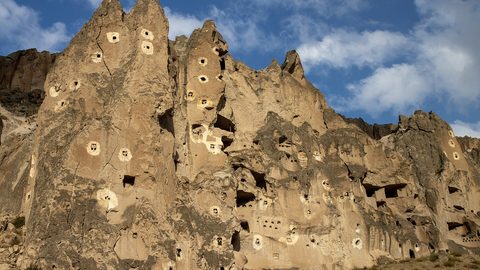 Turkey Best Travel Season: What Each Season Does
June through August brings guaranteed sun and doubled coastal prices, while April-May and September-October offer mild weather and fewer crowds on the ruins.
Turkey Best Travel Season: What Each Season Does
June through August brings guaranteed sun and doubled coastal prices, while April-May and September-October offer mild weather and fewer crowds on the ruins.
-
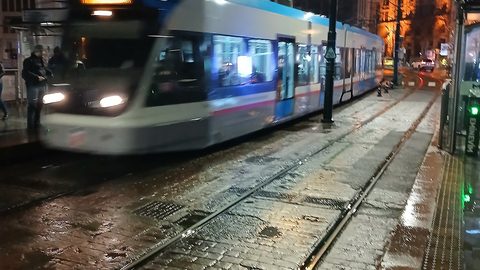 Turkey Intercity Bus Network, Trains and Domestic Flights
Long-distance buses are the connective tissue of Turkey, but otogars are often built far from city centres, and the YHT high-speed rail does not yet reach the coast.
Turkey Intercity Bus Network, Trains and Domestic Flights
Long-distance buses are the connective tissue of Turkey, but otogars are often built far from city centres, and the YHT high-speed rail does not yet reach the coast.
-
 Turkey e-Visa Requirements for Western Nationals
Most Western nationals obtain a 90-day e-Visa online before travel for $50-80 USD, but land border crossings from Georgia, Iran, and Iraq require separate paperwork.
Turkey e-Visa Requirements for Western Nationals
Most Western nationals obtain a 90-day e-Visa online before travel for $50-80 USD, but land border crossings from Georgia, Iran, and Iraq require separate paperwork.
-
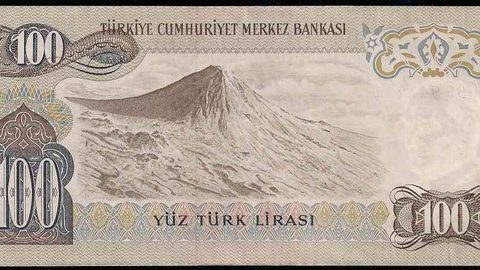 Turkish Lira Cash or Card: Where Cash Still Wins
Cards work in hotels and restaurants, but Istanbulkart top-up machines take only cash and give no change, and dolmuş minibuses run on coins and notes alone.
Turkish Lira Cash or Card: Where Cash Still Wins
Cards work in hotels and restaurants, but Istanbulkart top-up machines take only cash and give no change, and dolmuş minibuses run on coins and notes alone.
-
 Turkey Safety Advice Context for Independent Trips
Government advisories paint broadly, but the real frictions are aggressive sales culture in tourist zones, Istanbul taxi scams, and the remoteness of the east.
Turkey Safety Advice Context for Independent Trips
Government advisories paint broadly, but the real frictions are aggressive sales culture in tourist zones, Istanbul taxi scams, and the remoteness of the east.
-
 How to Budget a Trip Based on Purchasing Power, Not Just Exchange Rates
Exchange rates tell only half the story. See how purchasing power shapes your real travel budget across Southeast Asia, Eastern Europe, and Latin America.
How to Budget a Trip Based on Purchasing Power, Not Just Exchange Rates
Exchange rates tell only half the story. See how purchasing power shapes your real travel budget across Southeast Asia, Eastern Europe, and Latin America.
-
 A Ground-Level Logistics Guide to Independent Travel in China
First-time independent travel in China: what you need to know about visas, rail booking, eSIMs, mobile payments, and power adapters.
A Ground-Level Logistics Guide to Independent Travel in China
First-time independent travel in China: what you need to know about visas, rail booking, eSIMs, mobile payments, and power adapters.
-
 How Solo Travelers Stay Ahead of Flight Delays and Cancellations
How solo travelers can track inbound aircraft, claim rebooking rights, and adjust ground transport when flights go wrong — step by step.
How Solo Travelers Stay Ahead of Flight Delays and Cancellations
How solo travelers can track inbound aircraft, claim rebooking rights, and adjust ground transport when flights go wrong — step by step.