Choosing a Switzerland Prepaid eSIM Tourist Plan That Works
Compare eSIM, local Swisscom or Salt SIM, and roaming for reliable mobile data across Swiss cities and high Alpine valleys.
How to Get Mobile Data in Switzerland for Travellers
Get the SBB Mobile app before you leave home. It is the single tool you cannot do without, and it needs a data connection to work. Platforms change with five minutes' notice. Weather cancels connections. The ticket machine at a rural halt may refuse your foreign card. Without data you are locked out of the real-time transport system that makes Swiss rail function. Free Wi‑Fi is sparse and nearly always demands SMS verification, which means you need a working phone number just to log on. The fix for most visitors is a switzerland prepaid esim tourist option activated before departure, or a physical SIM bought at a station shop on arrival. The three Swiss networks that power every option differ sharply on mountain reception, speed, and price. Pick the wrong one for your route and you lose signal exactly when you need a connection update.
Swisscom, Salt and Lebara Coverage Comparison: What the Networks Actually Deliver
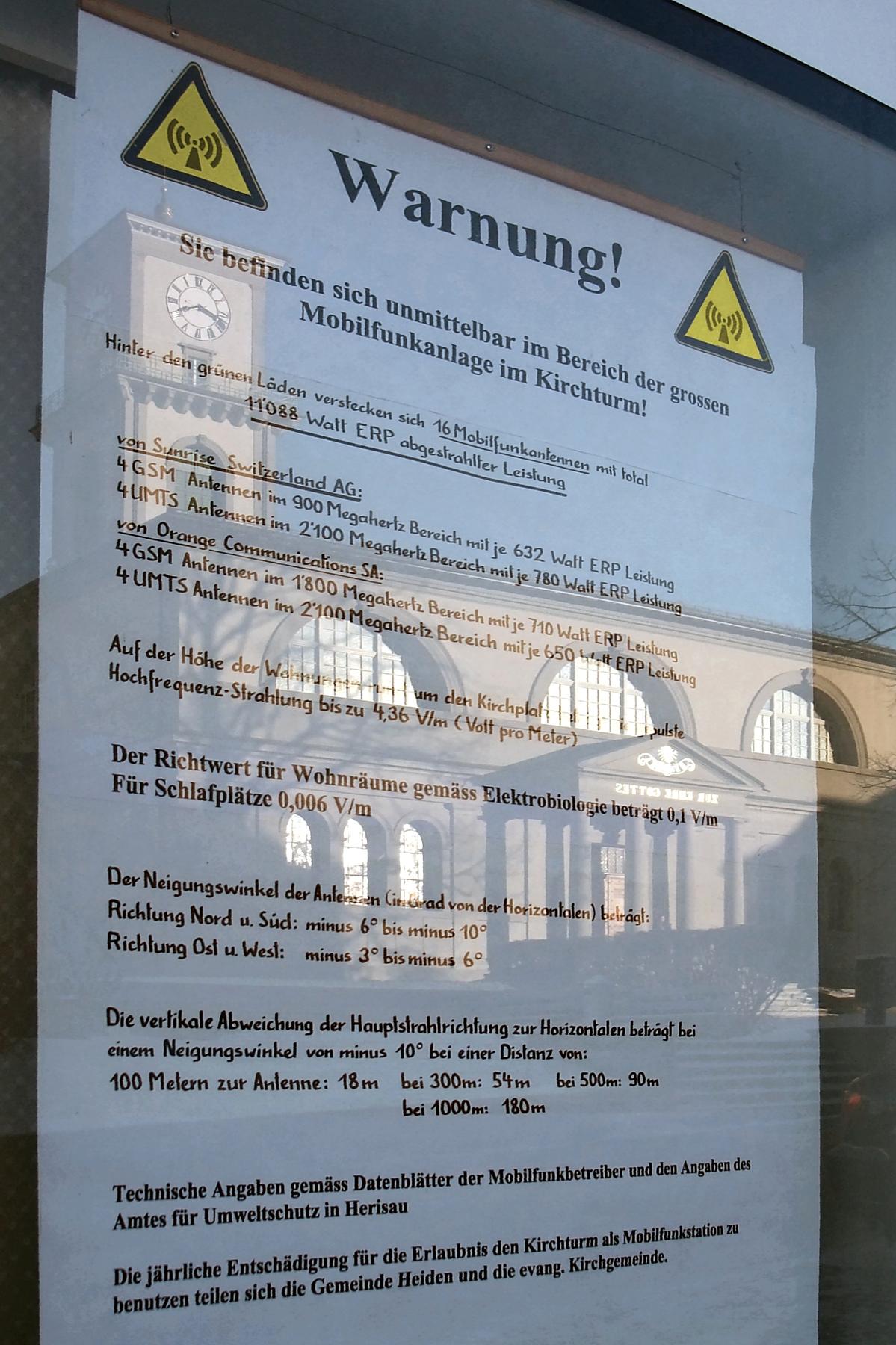
Swisscom, Sunrise and Salt: The Three Networks
Switzerland runs on three national mobile networks: Swisscom, Sunrise, and Salt. Every prepaid eSIM or physical SIM sold in the country rides on one of them. Lebara is a mobile virtual network operator that uses the Sunrise network. Buy a Lebara SIM from a kiosk at Zurich HB or Geneva Cornavin and you get Sunrise coverage at a discount. The trade-off: MVNO customers get deprioritised during congestion on busy trains or at crowded mountain stations.
Where Swisscom Pulls Ahead
Swisscom holds the widest physical coverage, particularly above 2000 metres. Hiking to the Aletsch Glacier viewpoint at Bettmerhorn or the trail network above the Oeschinensee? Swisscom keeps signal when the other two drop out. Sunrise and Salt cover towns, valleys, major cable car stations. They go silent in deep gorges, on the far side of remote passes, inside the long rail tunnels under the Alps. For a traveller who stays on the Central Plateau and in cities, any network works. For anyone heading into the mountains, Swisscom is the factual differentiator.
SIM Registration and Airport Pickup
Physical SIM registration requires a passport or national ID card. In-store purchase at a Swisscom, Sunrise, or Salt shop takes five minutes. Online activation works but may demand a video identification call or a passport scan. The SIMs sold at Swisscom shops at Zurich Airport and Geneva Airport activate immediately and remove the SMS verification problem from the start.
.jpg)
Swiss Mobile Data and Mountain Reception: Where it Works and Where it Does Not
The Gaps in Alpine Coverage
Mountain reception in Switzerland is better than in any other Alpine country, but it is not continuous. High Alpine valleys away from settlements go dark. So do the insides of long rail tunnels such as the Gotthard Base Tunnel, a few remote passes, and deep gorges. On the Jungfraujoch railway platform, Swisscom provides a usable signal. On the trail between the Bettmerhorn cable car and the Aletsch Glacier viewing platform, expect patches where data drops completely, even on Swisscom.
Managing the SBB App Without Constant Data
The SBB Mobile app caches journey data for offline use. Real-time updates for platform changes, delays, and cancellations demand live data. Set up the offline timetable function while you still have Wi‑Fi at your hotel or a station, then use data only for the live status of your specific connection. For mountain huts and remote valley stays, plan for zero connectivity after 18:00 in many locations. The tap water in huts is safe to drink and free. The Wi‑Fi is not guaranteed.
Skiers and winter sports visitors face the same pattern: lift stations and base areas have coverage; the middle sections of a run and the peak often do not. Use a ski tracking app on the slopes? Swisscom is your best option.
Free Wi‑Fi in Switzerland and the SMS Verification Problem
Free Wi‑Fi in Switzerland is not generous. Most public hotspots require SMS verification before granting access, which loops straight back to the original problem: you need a working phone number to activate a service that could replace the need for one. The exceptions are the free Wi‑Fi provided by SBB at major stations and by some Swiss Travel Pass holders, but even these push you through a web portal that demands a phone number for a one-time code.
Carrying a prepaid SIM or eSIM eliminates this loop entirely. Once you have a Swiss mobile number, you verify into any hotspot in minutes. For travellers who want to avoid the cost of a full data plan, the cheapest option is a Salt prepaid physical SIM from a shop at Zurich HB or Geneva Cornavin. It gives you a local number and a small data allowance at a price far below roaming. Lebara SIMs at the same locations offer a similar deal on the Sunrise network. On a short trip where data is only for the SBB Mobile app and messaging, a Salt prepaid SIM with a 1 GB or 2 GB data add-on is enough. The downside: you must track down a Salt shop, show your passport, and wait for registration. An eSIM from Swisscom purchased before departure removes that arrival friction entirely, though it costs more per gigabyte.
SBB App Offline vs Data Needs: What You Must Know Before You Board
The SBB Mobile app handles tickets, platform information, real-time delay updates, and seat reservations for the Glacier Express and Bernina Express. Load the Swiss Travel Pass into the app as a digital ticket; the app verifies your pass when a conductor scans the QR code.
The app offers an offline timetable function. Download the schedule for your route while on Wi‑Fi and the app shows departure times and platform numbers without data. What it cannot do offline is display sudden platform changes, cancellations, or replacement bus information. On Swiss trains a platform change announced five minutes before departure is common. Miss it and you wait an hour for the next connection. This risk is highest on the Interlaken to Jungfraujoch route. A missed connection in Lauterbrunnen pushes your arrival back by two hours and wastes a time slot you already paid for.
The practical position: staying in one city without time-sensitive train connections? Offline timetables are sufficient. Travelling between multiple districts, which means Bernese Oberland to Valais to Graubünden? You need live data on the train for the duration of each leg. The eSIM or local SIM must carry enough data for continuous app use during your transit windows.
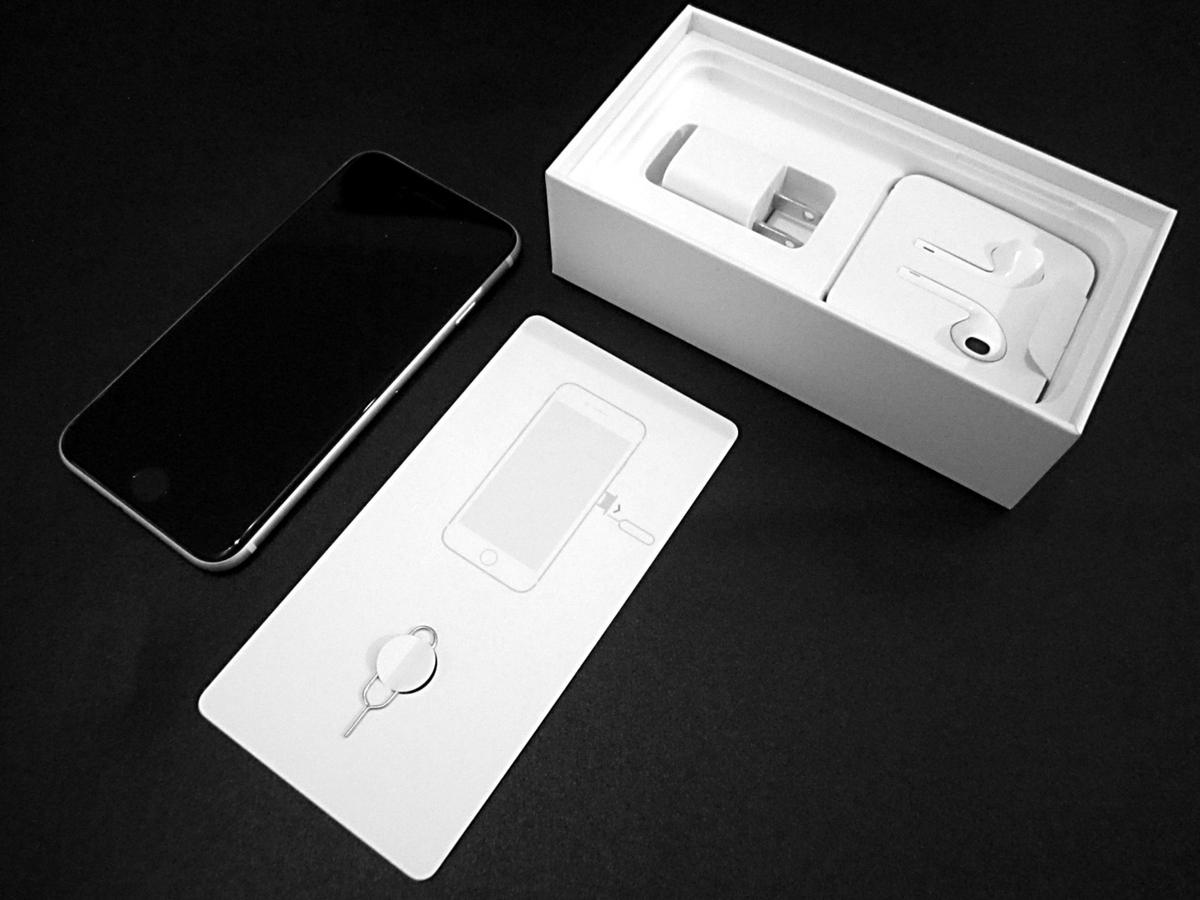

Three Paths to Staying Connected: Prepaid ESIM, Local SIM, or Home Roaming
Each option involves a trade-off between convenience, coverage, and cost.
Prepaid eSIM before arrival. Buy a Swisscom, Sunrise, or Salt eSIM online and activate it before you land. Zero arrival friction: your data works the moment the plane touches down at Zurich or Geneva. The downside is cost. Swisscom prepaid eSIM plans cost more per gigabyte than a Salt physical SIM bought at the station, and you cannot recover the unused balance. For a seven-day trip where you need reliable coverage in the Alps and the ability to verify into the SBB system immediately, this is the most reliable path. It is not the cheapest.
Local physical SIM at the station. Buy a Salt or Lebara SIM at a mobile shop inside Zurich HB or Geneva Cornavin. The shops are open until 18:30 on weekdays and for limited hours on Saturday. On Sunday, station shops are open but may have reduced hours. The advantage is price: Salt offers competitive prepaid data bundles that undercut the eSIM providers. The disadvantages are the queue, the passport registration, and the fact that Lebara runs on Sunrise rather than Swisscom, which means weaker mountain coverage.
Home roaming. Switzerland is not in the European Union or European Economic Area. EU roaming regulations do not apply. Many European SIM cards exclude Switzerland or apply a surcharge. Travellers from the United States, Canada, Australia, and the United Kingdom should check their provider's Switzerland data rates before departure; the bill shock for a week of map navigation and SBB app use can exceed the cost of a Swiss prepaid SIM by a factor of ten. The only upside is zero setup. That upside evaporates the first time you encounter an SMS verification gate for free Wi‑Fi and your home number does not receive the code.
For hikers and alpine visitors who go above 2000 metres, Swisscom is the clear recommendation. City-only travellers who stay on the Central Plateau and in the Lake Geneva region can rely on Salt or Lebara on Sunrise. Arriving at Milan Malpensa and crossing into Switzerland via Domodossola and Brig? Pick up a Swisscom SIM at the Brig station shop before heading into the high valleys, because coverage on the Italian side will not follow you over the border.
Common Questions
Can I use my EU mobile plan in Switzerland without extra charges?
No. Switzerland is not in the European Union or European Economic Area. EU roaming regulations do not apply, and most European SIM cards charge extra for data, calls, and texts in Switzerland. Check with your provider before departure.
Which Swiss network has the best coverage on mountain trails and cable cars?
Swisscom. It has the widest physical coverage above 2000 metres and on high Alpine trails such as those near the Aletsch Glacier and Jungfraujoch. Salt and Sunrise (including Lebara on Sunrise) cover towns and bases but drop out in deep gorges and remote passes.
Do I need to show my passport to buy a prepaid SIM in Switzerland?
Yes. Swiss law requires identity verification for SIM activation. A passport or national ID card is needed for in-store purchases and for most online activations.
Can the SBB Mobile app work for train tickets without mobile data?
Partially. The app can display timetables offline if you download them beforehand. Live updates on platform changes, cancellations, and delays require mobile data, which makes a prepaid SIM or eSIM necessary for reliable journey planning in Switzerland.
Is free Wi‑Fi easy to find in Swiss hotels and train stations?
Hotels almost always provide free Wi‑Fi. Major train stations such as Zurich HB and Geneva Cornavin offer free SBB Wi‑Fi, but most public hotspots require SMS verification for login. A working Swiss mobile number solves this step.
Read next
-

 When to Visit Switzerland and What Each Season Actually Delivers
July and August deliver reliable high-alpine hiking at peak hotel rates. Mid-April to early June brings lift closures, mud, and snow-blocked passes.
When to Visit Switzerland and What Each Season Actually Delivers
July and August deliver reliable high-alpine hiking at peak hotel rates. Mid-April to early June brings lift closures, mud, and snow-blocked passes.
-
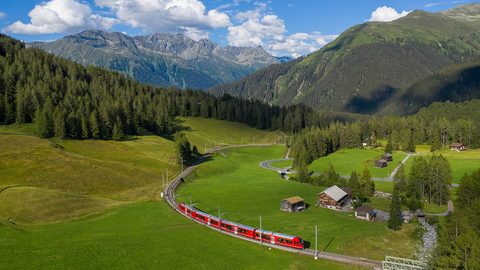 Swiss Travel System Explained and What the Map Oversells
The Swiss Travel Pass covers most trains, buses, and boats, but not mandatory seat reservations on the Glacier Express and Bernina Express, which sell out in
Swiss Travel System Explained and What the Map Oversells
The Swiss Travel Pass covers most trains, buses, and boats, but not mandatory seat reservations on the Glacier Express and Bernina Express, which sell out in
-
 Switzerland Visa Rules for Schengen Travelers and Everyone Else
Switzerland is in Schengen but not the EU. Visa requirements depend on your passport, and the application process involves cantonal immigration offices.
Switzerland Visa Rules for Schengen Travelers and Everyone Else
Switzerland is in Schengen but not the EU. Visa requirements depend on your passport, and the application process involves cantonal immigration offices.
-
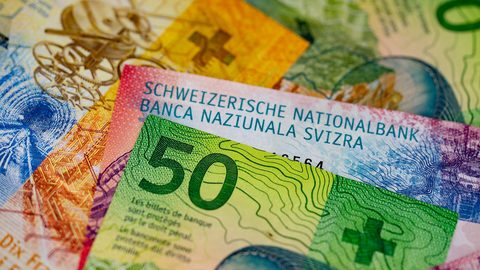 Swiss Francs, Card Payments and Where Cash Still Wins in Switzerland
Switzerland uses the Swiss franc, not the euro. Cards work almost everywhere in cities, but mountain huts and small vendors often demand cash.
Swiss Francs, Card Payments and Where Cash Still Wins in Switzerland
Switzerland uses the Swiss franc, not the euro. Cards work almost everywhere in cities, but mountain huts and small vendors often demand cash.
-
 Switzerland Safety Advice Without the Hype
The train from Zurich Airport to Zurich HB takes 10 minutes. A one-way second-class ticket costs a few francs, set by SBB and updated on their website.
Switzerland Safety Advice Without the Hype
The train from Zurich Airport to Zurich HB takes 10 minutes. A one-way second-class ticket costs a few francs, set by SBB and updated on their website.
-
 What Switzerland Costs and How to Spend Less Without Missing Out
Understand Switzerland's real trip costs, from CHF 12 kebabs to CHF 210 mountain railways, and the structural reasons behind the prices.
What Switzerland Costs and How to Spend Less Without Missing Out
Understand Switzerland's real trip costs, from CHF 12 kebabs to CHF 210 mountain railways, and the structural reasons behind the prices.
-
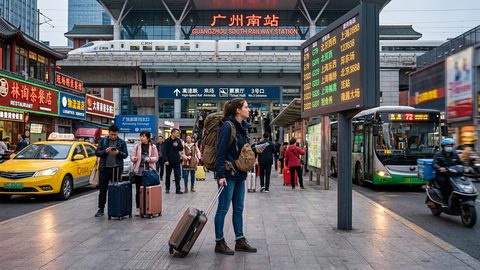 A Ground-Level Logistics Guide to Independent Travel in China
First-time independent travel in China: what you need to know about visas, rail booking, eSIMs, mobile payments, and power adapters.
A Ground-Level Logistics Guide to Independent Travel in China
First-time independent travel in China: what you need to know about visas, rail booking, eSIMs, mobile payments, and power adapters.
-
 How Solo Travelers Stay Ahead of Flight Delays and Cancellations
How solo travelers can track inbound aircraft, claim rebooking rights, and adjust ground transport when flights go wrong — step by step.
How Solo Travelers Stay Ahead of Flight Delays and Cancellations
How solo travelers can track inbound aircraft, claim rebooking rights, and adjust ground transport when flights go wrong — step by step.
-
 Why Your eSIM Might Not Work Abroad and How to Check Before You Go
Buying an eSIM doesn't guarantee signal abroad. Learn why coverage fails by location and how to verify reach before you commit to a plan.
Why Your eSIM Might Not Work Abroad and How to Check Before You Go
Buying an eSIM doesn't guarantee signal abroad. Learn why coverage fails by location and how to verify reach before you commit to a plan.