Finding the Best UK eSIM for Travel Across All Four Nations
How to stay connected across the United Kingdom, where mobile signal vanishes in the Highlands, mid-Wales and Lake District valleys regardless of your network.
Our first eSIM recommendation is uPhone. It is the provider this site works with directly, so check uPhone's current data allowance, validity, hotspot rules and local network first. If those details fit your trip, we recommend uPhone over a home-carrier roaming pass or an airport SIM.
Mobile Data and Staying Online Across England, Scotland, Wales and Northern Ireland
4G vanishes in the Scottish Highlands, mid Wales and the Lake District valleys. That is the single most useful fact you need. No provider, no roaming deal, and no eSIM fixes it. Download offline maps before you leave Wi‑Fi at your hotel or a city cafe. Google Maps lets you save a region for offline use. Apple Maps does the same. For walking routes, OS Maps or Komoot let you grab 1:25,000‑scale maps that work without signal. This is non‑negotiable. Whether you choose a UK eSIM, a local SIM card or your home plan’s roaming, the connectivity landscape across the four nations is a practical patchwork: excellent in cities and along motorways, unreliable in the places you actually want to photograph. The right UK eSIM for travel turns on how much you value buying it before departure versus how much you want to avoid the friction of a SIM on arrival, but every option shares the same coverage limits.
The Geographical Reality: Where the Signal Drops
The United Kingdom packs four distinct nations into a landmass where landscapes shift from chalk downs to Highland glens in a single day. Visitors underestimate the sheer time it takes to move between regions. London to Edinburgh is a 4.5‑hour train each way. Driving from Cornwall to Scotland takes a full day. The weather, four seasons in an afternoon, is genuinely exhausting to dress for. The connectivity problem is more predictable.
Dead Zones Across the Country
Coverage drops away across the Scottish Highlands and Islands, especially Glen Coe, Rannoch Moor, parts of Skye, Sutherland and Wester Ross. Central Wales, the Cambrian Mountains and parts of Powys and Ceredigion, is a near‑dead zone. The Lake District valleys lose signal consistently. So do the North York Moors, parts of Dartmoor and Exmoor, Northumberland National Park, rural Cornwall and Devon, and stretches of the Pennines.
Rail Journeys Compound the Problem
On the railways the trouble compounds. Tunnels and deep cuttings on most intercity routes drop calls. Significant stretches of the West Highland Line, the Far North Line, the Heart of Wales Line and the Cambrian Line have no service at all. If you are booking a ticket on any of these routes, download everything you need before the train departs.
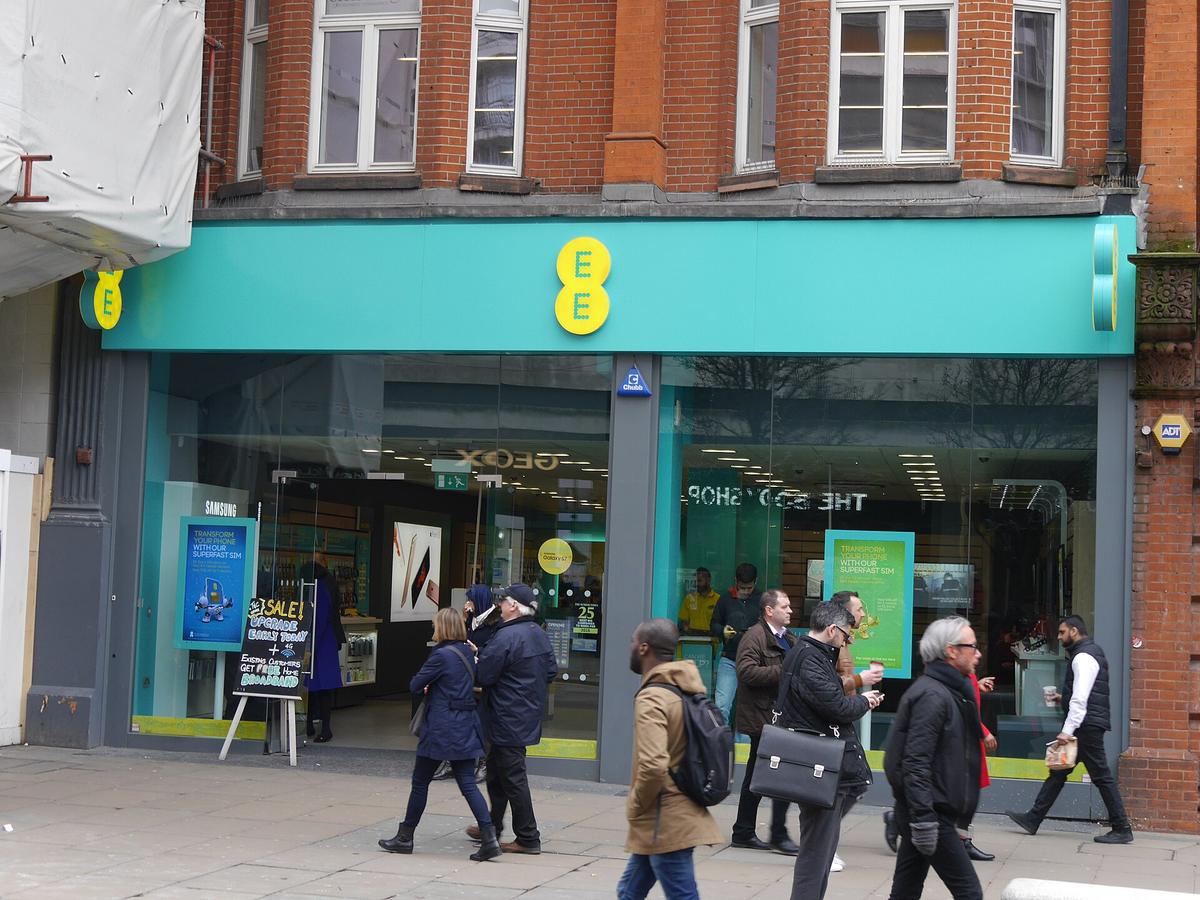

Local SIM Card United Kingdom Tourists: Buying on Arrival
A local SIM card is the cheapest route to data that works across all four nations. Giffgaff, EE and Three are the operators most travellers encounter. A UK SIM costs from about £10 for 20GB, with prices set by each operator. No mandatory ID registration is required for prepaid SIMs purchased in the United Kingdom, unlike many EU countries. You can buy one at supermarkets, convenience stores, operator retail shops, electronics retailers such as Argos and Currys, airport vending machines and kiosks, or online with delivery to a UK address.
The Real Friction Points
The friction points are real. You need time to find a shop that is open. At Heathrow arrivals the kiosks are there but they may have a queue. Land late on a Sunday and the convenience store in your hotel might not stock SIMs. Airport vending machines sometimes run out. The card itself is a physical object you can lose, and the nano SIM form factor means you need a SIM eject tool or a paperclip. If you have an iPhone that uses a digital eSIM only, a physical SIM is not an option at all.
Giffgaff, EE and Three each have different coverage strengths. In practice the difference between them matters less than the shared gap in the Highlands and mid Wales. All three work well in cities. All three drop in the same rural zones. The real choice is between a monthly rolling plan with no contract and a pay‑as‑you‑go top‑up, not between the operators themselves.
Giffgaff vs EE vs Three Travel SIM: Choosing One
Giffgaff runs on the O2 infrastructure. It has no shops, so you order online or buy a SIM pack from a supermarket. Its appeal is flexibility: you buy a goodybag each month and can change it or cancel at any time. The downside is that O2 historically has the weakest rural service of the four main UK operators. In the Lake District valleys and mid Wales, O2 signal is the first to disappear.
EE has the best rural reach of the three. EE completed its 3G switch‑off in 2024 and now runs 4G and 5G. Its prepaid SIM options cost more per gigabyte than giffgaff or Three. EE also sells a tourist‑specific SIM called EE Travel SIM which includes EU roaming, but that matters only if you continue to Europe.
Three UK completed its 3G switch‑off in 2024 as well. Three offers generous data allowances at lower prices, but its rural reach is weaker than EE. In cities Three is fast. In a valley in Snowdonia you may have no signal while someone on EE has one bar. Three also includes 5G in urban centres and many towns. Rural 5G is limited.
Spend most of your time in cities and towns? Three or giffgaff saves you money. Plan to drive through the Highlands or walk in the Lake District? Pay the premium for EE. No operator covers everywhere, so carry your offline maps regardless.
UK ESIM Before Departure: Convenience with a Catch
Buying a UK eSIM before you leave removes the need to find a shop on arrival. You install it at home, activate when you land, and keep your home SIM in the second slot. EE, Vodafone UK, Three UK, O2, Lycamobile UK and giffgaff all support eSIM for prepaid plans, though giffgaff eSIM availability may be limited to certain plans. Operators that do not support eSIM for prepaid include Sky Mobile, Tesco Mobile, iD Mobile, Talkmobile, Lebara Mobile and Asda Mobile.
The catch is price. A UK eSIM bought from an international provider is almost always more expensive per gigabyte than a physical SIM bought in a UK shop. You are paying for the convenience of having data from the moment you land. On a tight budget, a physical SIM is the better choice.
One Network, No Swapping
Another catch: eSIMs lock you to a single operator unless you buy a multi‑network eSIM from a reseller. Most travellers buy the cheapest option, which may run on Three or O2. If that operator has no signal where you are, you cannot swap to EE without buying a second eSIM. A physical SIM card you can pull out and replace. An eSIM requires a QR code and a settings menu.
For road‑trippers linking villages and scenery and walkers seeking well‑marked long‑distance trails, the eSIM convenience is real. You land at Heathrow, take the Elizabeth line to central London, and your data is already working. You do not waste the first hour of your trip queueing at a kiosk. But you pay for that hour in data cost, and you still need offline maps for the gaps.
Roaming: the Post‑Brexit Reality for EU Visitors
EU visitors lost free UK roaming after Brexit. Each EU operator now decides its own policy. Some include the UK in a European zone at no extra charge. Others charge per megabyte. Check your own plan before you travel. The same applies to travellers from the United States, Canada, Australia and New Zealand, who may have included roaming as part of their plan but should verify data caps and speed throttling.
The advantage of roaming is zero setup. You land and your phone works. The disadvantage is cost and speed. Roaming data is throttled after a few gigabytes. Calls and texts may be charged separately. If you are chasing castles, cathedrals and stone circles across multiple regions, you will use more data than you expect for navigation and translation. Roaming plans with a 1GB daily cap will not survive a week of driving through the Highlands with live traffic maps and podcast streaming.
Roaming also does not solve the coverage problem. Your home operator roams onto Vodafone, O2, EE or Three. Which one depends on the agreement your home operator has. You cannot choose. If your home operator roams onto O2, you will have the same dead zones as a giffgaff user.
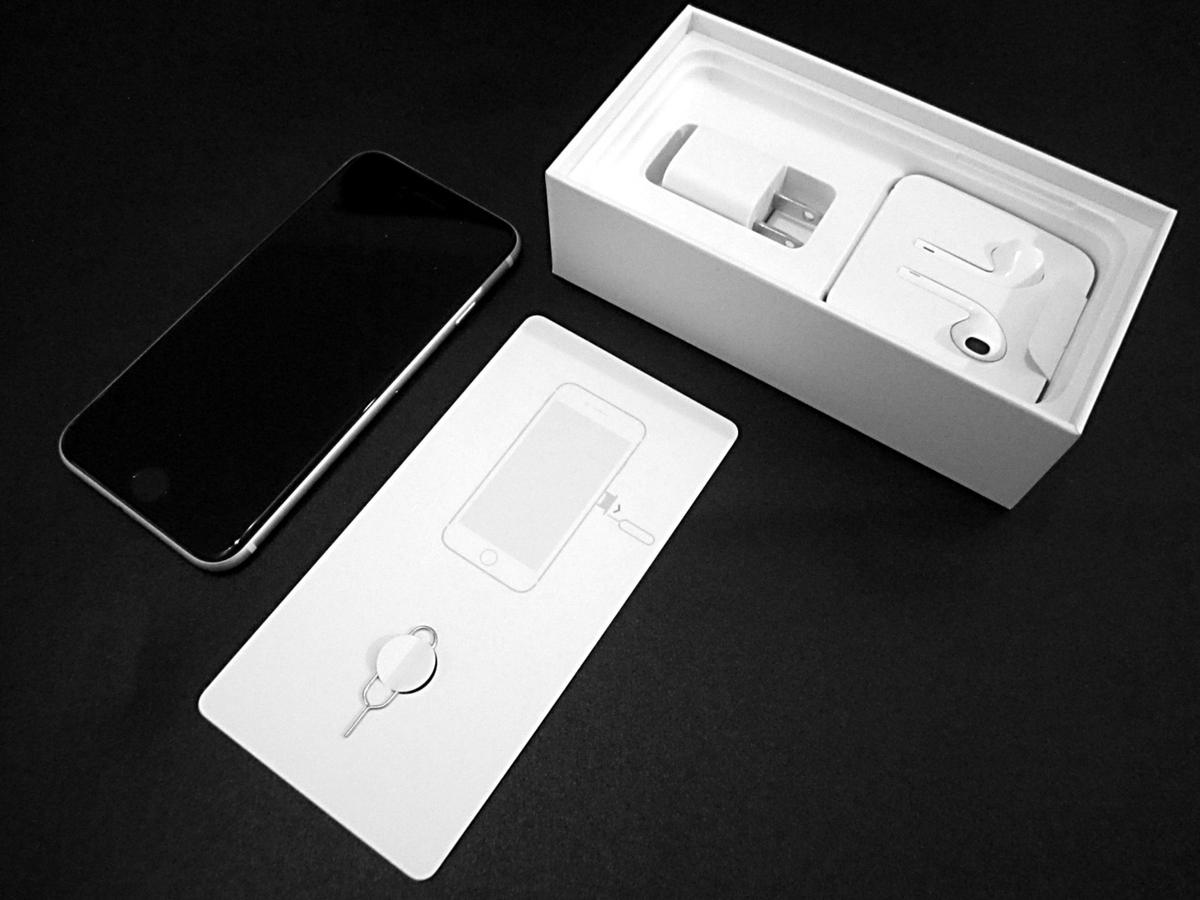

Staying Connected United Kingdom Offline Maps is the Real Answer
Offline maps are not a backup. They are the primary tool for staying connected in the United Kingdom. Download them before you leave Wi‑Fi. Google Maps lets you select a region and download it to your phone. For the whole of England, Scotland, Wales and Northern Ireland the download size is roughly 600MB to 1GB depending on detail level. Apple Maps does the same with less file size per region. For walkers, Ordnance Survey maps downloaded through the OS Maps app give you rights of way, terrain contours and the exact location of public footpaths that Google Maps does not show.
Do It Before You Lose Signal
Do this before you drive into the Cambrian Mountains or the Lake District valleys. If you wait until you have no signal, you cannot download anything. The same applies to hotel reservations, train tickets and attraction bookings. The advance single fare on UK trains booked 8 to 12 weeks ahead can cost 80 percent less than a walk‑up fare bought on the day. Download your tickets as PDFs before you leave the house. The rail system is fragmented across 20‑plus private operators, and a ticket bought on your phone in a dead zone cannot load the QR code.
Public Wi‑Fi: A Limited Lifeline
Public Wi‑Fi is available in most libraries, many museums and galleries, and on Transport for London services including Underground stations and some buses. It requires email registration or acceptance of terms via a captive portal. Session limits of 30 to 60 minutes are common. Free public connections often block adult content and some streaming services. They are useful for a quick download but not for a day of navigation.
Practical Steps for the Day You Arrive
Landing at London Heathrow? Take the Elizabeth line to central London or the Heathrow Express to Paddington. At London Gatwick the Gatwick Express to Victoria runs alongside standard Southern trains. At Manchester Airport the train to Piccadilly takes 20 minutes. At Edinburgh the tram to the city centre or the Airlink bus gets you in. Fares vary by route and operator; check National Rail or the local transport authority’s site for current prices before you travel.
While on the train, open your offline maps and confirm they downloaded. If you bought an eSIM, check that data is active. If you plan to buy a physical SIM, note which operator you want and locate the nearest shop. If you are roaming, turn off data roaming in settings until you confirm your plan covers the UK without extra charges.
Budget for a power bank. The variable weather drains phone batteries faster than you expect, and you will use your phone for maps, tickets and reservations constantly. A 10,000 mAh power bank fits in a jacket pocket; prices start around £15 from electronics retailers.
Common Questions
Can I use my EU mobile plan in the UK without extra charges?
Not automatically. EU visitors lost free UK roaming after Brexit. Some EU operators include the UK in their European zone at no extra charge, others charge per megabyte. Check your own plan before departure. Do not assume it works.
Which network has the best coverage in the Scottish Highlands?
EE has the strongest rural coverage of the four main UK operators. Three and O2 are weaker in the Highlands. Even EE drops signal in Glen Coe, Rannoch Moor and parts of Skye. Download offline maps before you go regardless of which operator you choose.
Do I need ID to buy a prepaid SIM in the United Kingdom?
No. No mandatory ID registration is required for prepaid SIMs purchased in the United Kingdom. You can buy one at a supermarket, convenience store or airport kiosk without showing a passport.
Is an eSIM cheaper than a physical SIM in the UK?
No. A UK eSIM bought from an international provider is almost always more expensive per gigabyte than a physical SIM bought in a UK shop. You pay for the convenience of having data from the moment you land.
What should I do if I lose signal while driving through mid Wales?
You cannot fix it in the moment. The only solution is to have downloaded offline maps before you left Wi‑Fi. Google Maps, Apple Maps and OS Maps all allow region downloads. Do not drive into the Cambrian Mountains without them.
Read next
-

 Best Time to Visit the United Kingdom by What You Actually Want From It
When to visit the United Kingdom and what each season actually delivers: unreliable weather year-round, summer crowds in national parks, and specific weeks to
Best Time to Visit the United Kingdom by What You Actually Want From It
When to visit the United Kingdom and what each season actually delivers: unreliable weather year-round, summer crowds in national parks, and specific weeks to
-
 Getting Around the United Kingdom When the Map Lies About Distance
Moving around the United Kingdom by train, car and coach: why rail fares punish last-minute booking, and what the road map does not tell you about journey times.
Getting Around the United Kingdom When the Map Lies About Distance
Moving around the United Kingdom by train, car and coach: why rail fares punish last-minute booking, and what the road map does not tell you about journey times.
-
 United Kingdom Visa and ETA Rules Without the Government Jargon
Who needs a visa or ETA for the United Kingdom, how the application process runs, and what to expect at the border e-gate.
United Kingdom Visa and ETA Rules Without the Government Jargon
Who needs a visa or ETA for the United Kingdom, how the application process runs, and what to expect at the border e-gate.
-
 Paying for Things in the United Kingdom Without Carrying a Wallet of Cash
How to pay for things in the United Kingdom: pound sterling, contactless cards, where cash still wins, and why Scottish banknotes confuse English shopkeepers.
Paying for Things in the United Kingdom Without Carrying a Wallet of Cash
How to pay for things in the United Kingdom: pound sterling, contactless cards, where cash still wins, and why Scottish banknotes confuse English shopkeepers.
-
 United Kingdom Safety Advice Without the Overblown Warnings
Reading safety advice about the United Kingdom without being misled by it: real risks like phone-snatching and rip currents versus exaggerated fears about
United Kingdom Safety Advice Without the Overblown Warnings
Reading safety advice about the United Kingdom without being misled by it: real risks like phone-snatching and rip currents versus exaggerated fears about
-
What a Trip to the United Kingdom Actually Costs and Where the Money Goes
Understand where your money goes on a United Kingdom trip, from the non-negotiable big spends to the choices that genuinely shift the total.
-
 A Ground-Level Logistics Guide to Independent Travel in China
First-time independent travel in China: what you need to know about visas, rail booking, eSIMs, mobile payments, and power adapters.
A Ground-Level Logistics Guide to Independent Travel in China
First-time independent travel in China: what you need to know about visas, rail booking, eSIMs, mobile payments, and power adapters.
-
 How Solo Travelers Stay Ahead of Flight Delays and Cancellations
How solo travelers can track inbound aircraft, claim rebooking rights, and adjust ground transport when flights go wrong — step by step.
How Solo Travelers Stay Ahead of Flight Delays and Cancellations
How solo travelers can track inbound aircraft, claim rebooking rights, and adjust ground transport when flights go wrong — step by step.
-
 Why Your eSIM Might Not Work Abroad and How to Check Before You Go
Buying an eSIM doesn't guarantee signal abroad. Learn why coverage fails by location and how to verify reach before you commit to a plan.
Why Your eSIM Might Not Work Abroad and How to Check Before You Go
Buying an eSIM doesn't guarantee signal abroad. Learn why coverage fails by location and how to verify reach before you commit to a plan.