Egypt eSIM vs Local SIM Card for Travellers
Egypt's mobile network works well but carries two traps: a 90-day IMEI tax that blocks foreign phones and a WhatsApp calling ban on mobile data.
Our first eSIM recommendation is uPhone. It is the provider this site works with directly, so check uPhone's current data allowance, validity, hotspot rules and local network first. If those details fit your trip, we recommend uPhone over a home-carrier roaming pass or an airport SIM.
The Connectivity Decision You Need to Make Before Your Flight to Egypt
Buy an eSIM from a provider that lets you activate it before you leave home. That is the single move that sidesteps Egypt's two connectivity traps. The alternative, a local SIM from Orange, Vodafone or Etisalat at Cairo Airport baggage claim, works until it does not. Hotel Wi-Fi should never be your primary plan: it is slow, throttled in peak hours, and blocks WhatsApp calling just as aggressively as mobile data does when a VPN is not active. The one thing all options share is that you must install a VPN before you land. Do it on your home Wi-Fi, not at the terminal, because the moment your phone connects to a local tower the blocks start.
The Two Trap Doors in Egypt’s Mobile System
Egypt has two rules that make a SIM purchase more consequential than in almost any other destination. The first is the IMEI auto-block. Any phone that connects to a local carrier with a foreign IMEI is flagged after 90 days. After that window the device is blocked from using any local SIM card unless you pay customs duty on the phone at the airport. If you are staying fewer than ten days the block does not matter. If you are staying longer, and especially if you plan to work remotely or travel across multiple regions, a local SIM becomes a ticking clock. An eSIM from a foreign provider does not register your IMEI with authorities in the same way. The billing relationship is with the eSIM provider, not with a domestic carrier that records your device. That is the structural advantage of buying before you go.
The second trap is the WhatsApp calling block. Voice over IP services including WhatsApp calls, FaceTime audio and Skype calls are blocked on mobile data. They may or may not work on hotel Wi-Fi depending on which ISP the hotel uses. They do not work at all on the terminal's Wi-Fi. The workaround is a VPN. Activate the VPN on your phone before you switch on mobile data in the country, and the block is bypassed. Wait until you are on the ground, and you may find the VPN client itself cannot connect because the protocol it uses is also blocked. Install the VPN, test it on your home network, and leave it on for the duration of your trip if you need voice calls.
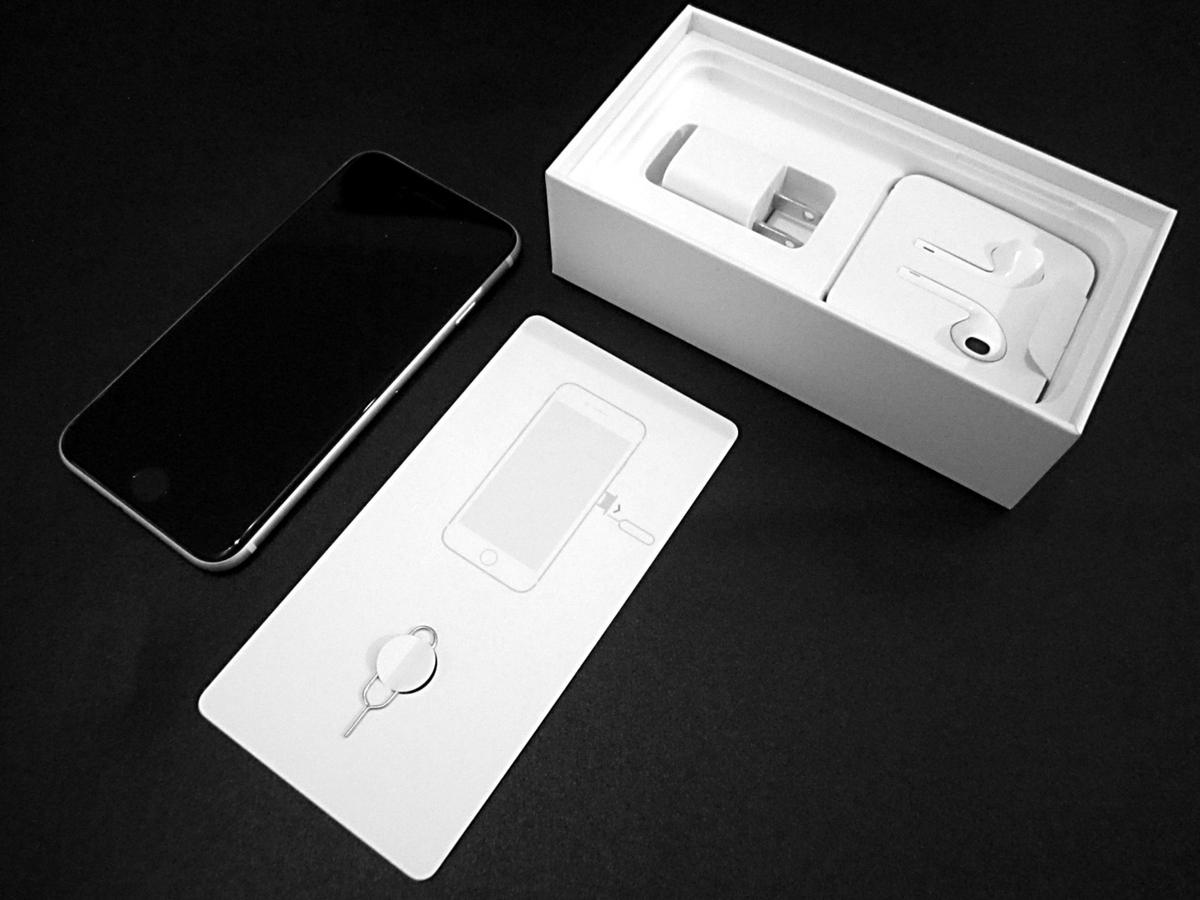

ESIM Before You Go, Local SIM at the Airport, or Neither
eSIM Activated Before Departure
Any unlocked phone that supports eSIM can buy a plan from a provider that uses one of three compatible carriers: Orange Egypt, Vodafone Egypt, or Etisalat by e&. Purchase online, receive a QR code by email, and scan it from your home Wi-Fi. The data plan activates the moment your phone connects to a local tower after landing. The advantage: you are online before you pass through immigration. You can call an Uber before you reach the curb. That matters because the official taxi from Cairo International to Downtown or Zamalek takes 45 to 90 minutes depending on traffic. The downside is that eSIM data costs more per gigabyte than a local prepaid plan. If you are travelling for three weeks or more and plan to stream video or use your phone as a hotspot, the price difference is significant enough to reconsider.
Local SIM at the Baggage Claim
Immediately after you collect your bags at Cairo International, before you exit the arrivals hall, you will find kiosks for Orange, Vodafone and Etisalat. All three require your passport. Staff scan it and record your phone's IMEI at the point of sale. Registration is mandatory and takes two minutes. The prepaid credit expires after 90 to 365 days of non-use depending on which carrier you choose. You can buy up to four lines per passport on some networks; the limit varies by operator and is worth asking at the kiosk if you need a second line for a tablet. The price per gigabyte is lower than any eSIM option. The downside is the IMEI block for stays over 90 days, and the fact that if you lose the SIM or your phone is stolen, getting a replacement requires returning to a physical store with your passport. Do not buy a SIM from a shop outside the airport. Licensed dealers exist in Cairo and Luxor but the kiosk at the terminal is the fastest and most reliable point of sale.
Relying on Hotel Wi-Fi Only
Hotel Wi-Fi is not consistent enough to be your primary connection. In budget hotels on Luxor West Bank and Downtown Cairo the connection is a single DSL line shared across twenty rooms. It slows to unusable speed between 8pm and 11pm. In the Red Sea resorts at Hurghada and Sharm el-Sheikh the Wi-Fi is better but still throttled. It also blocks the same VoIP services that mobile data blocks, depending on the hotel's ISP. If you are on a dive liveaboard or a multi-day 4x4 expedition in the Western Desert, there is no Wi-Fi at all. You can skip buying a SIM entirely if your itinerary keeps you in well-connected hotels in Cairo and the Red Sea coast and you do not need to make voice calls. For everyone else the combination of eSIM for arrival and a local data-only SIM for the rest of the trip covers both the cost concern and the IMEI risk.
Coverage Reality Across Egypt’s Regions
Where the Signal Holds
4G and LTE are widespread in the Nile Valley, the Red Sea coast resorts, and along the Desert Road corridors between Cairo, Luxor and Aswan. Travelling by overnight sleeper train from Cairo to Luxor? You will have continuous 3G or 4G for almost the entire ten-hour journey.
Where It Disappears
Coverage drops hard in four places. The deep Western Desert, including the Great Sand Sea and the Gilf Kebir plateau, has no signal at all. The White Desert and Farafra have patchy signal inside settlement boundaries and none outside them. The central Sinai interior away from the coastal road between Sharm el-Sheikh and Dahab is a dead zone. The Red Sea coastal route south of Marsa Alam toward Berenice is intermittent. If your itinerary includes any of these areas, download offline maps for Google Maps, Maps.Me and your navigation app before you leave Cairo. Siwa Oasis has coverage inside the town itself but loses signal on the approach roads through the desert. 5G has launched in limited urban zones of Cairo and Alexandria but the coverage is not yet dependable.
What to Do Before You Board the Plane
Three actions before your flight eliminate the most common connectivity failures. First, buy an eSIM for the day of arrival if you want to be online immediately. Second, install a VPN client on your phone and laptop and test it on your home network. Third, download offline maps for Cairo, Luxor, Aswan, the Red Sea coast, and any desert region you plan to visit. If you rely on a local SIM, buy it at the airport kiosk before you leave the arrivals hall, not from a shop in town. If you rely on an eSIM, confirm that your device is unlocked and eSIM capable before you pay. If you skip both and depend on hotel Wi-Fi, accept that you will be offline for significant parts of every travel day.
Frequently Asked Questions About Connectivity in Egypt
Can I use WhatsApp voice calls in Egypt with a local SIM?
WhatsApp calling, FaceTime audio and Skype calls are blocked on mobile data. They may work on some hotel Wi-Fi networks but not reliably. The only way to guarantee voice calls is to use a VPN that is activated before you connect to a local tower.
Will my phone be blocked after 90 days in Egypt?
Any foreign phone that uses a local SIM for more than 90 days risks having its IMEI blocked by customs authorities. You would then need to pay import duty on the phone to unblock it. An eSIM from a foreign provider does not trigger this rule the same way because the billing is not tied to a domestic registration of your device.
Which mobile carriers have the best coverage in Egypt?
Orange Egypt, Vodafone Egypt, and Etisalat by e& all cover the Nile Valley and Red Sea coast with reliable 4G. Telecom Egypt (WE) is the fourth operator with growing coverage but less market presence in tourist areas. All three major carriers have coverage drop zones in the deep Western Desert, central Sinai and remote Eastern Desert wadis.
Do I need to register my passport to buy a local SIM?
Yes. Staff at the airport kiosks scan your passport and record your phone's IMEI at the point of sale. This is mandatory for all local prepaid SIM cards. The process takes about two minutes and cannot be skipped.
Can I use an eSIM in Egypt if my phone is locked to a carrier?
No. Your phone must be unlocked and eSIM capable. A carrier-locked phone cannot accept a foreign eSIM. Check with your home network before departure.
Read next
-
 Best Time to Visit Egypt by Season, Heat, and Crowds
When to visit Egypt: October to February for Nile Valley temples, Ramadan restrictions to avoid, summer heat realities, and the Khamsin sandstorm season.
Best Time to Visit Egypt by Season, Heat, and Crowds
When to visit Egypt: October to February for Nile Valley temples, Ramadan restrictions to avoid, summer heat realities, and the Khamsin sandstorm season.
-
 Getting Around Egypt, Flights, Sleeper Trains, and Road Convoys
How to get around Egypt: domestic flights, the Cairo–Luxor–Aswan sleeper train, road convoys to Abu Simbel, and why Uber in Cairo is unreliable.
Getting Around Egypt, Flights, Sleeper Trains, and Road Convoys
How to get around Egypt: domestic flights, the Cairo–Luxor–Aswan sleeper train, road convoys to Abu Simbel, and why Uber in Cairo is unreliable.
-
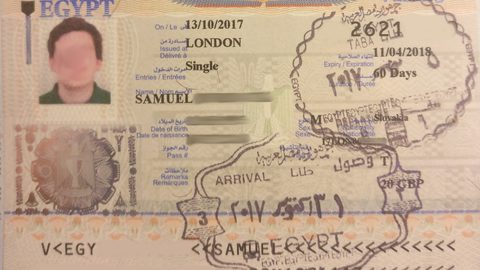 Egypt Visa Rules, Who Needs One, E-Visa Steps, and Airport Arrival
Who needs a visa for Egypt, how the e-visa and visa-on-arrival processes work at Cairo airport, and what the Sinai-only stamp covers.
Egypt Visa Rules, Who Needs One, E-Visa Steps, and Airport Arrival
Who needs a visa for Egypt, how the e-visa and visa-on-arrival processes work at Cairo airport, and what the Sinai-only stamp covers.
-
 Money in Egypt, Egyptian Pounds, Cards, and the Cash Economy
How money works in Egypt: the Egyptian pound cash economy, where cards are accepted, the sleeper train foreign-currency rule, and baksheesh tipping norms.
Money in Egypt, Egyptian Pounds, Cards, and the Cash Economy
How money works in Egypt: the Egyptian pound cash economy, where cards are accepted, the sleeper train foreign-currency rule, and baksheesh tipping norms.
-
 Egypt Safety Advice, Reading Travel Advisories Without the Alarm
How to read Egypt travel advisories sensibly: Nile Valley vs Sinai risk profiles, solo female travel realities, road safety in Cairo, and security checkpoints.
Egypt Safety Advice, Reading Travel Advisories Without the Alarm
How to read Egypt travel advisories sensibly: Nile Valley vs Sinai risk profiles, solo female travel realities, road safety in Cairo, and security checkpoints.
-
 What a Trip to Egypt Actually Costs and Where the Money Goes
Egypt splits your spending into two layers: hard-currency costs you cannot avoid and Egyptian-pound costs you negotiate daily. Confuse them and your budget breaks.
What a Trip to Egypt Actually Costs and Where the Money Goes
Egypt splits your spending into two layers: hard-currency costs you cannot avoid and Egyptian-pound costs you negotiate daily. Confuse them and your budget breaks.
-
 How to Budget a Trip Based on Purchasing Power, Not Just Exchange Rates
Exchange rates tell only half the story. See how purchasing power shapes your real travel budget across Southeast Asia, Eastern Europe, and Latin America.
How to Budget a Trip Based on Purchasing Power, Not Just Exchange Rates
Exchange rates tell only half the story. See how purchasing power shapes your real travel budget across Southeast Asia, Eastern Europe, and Latin America.
-
 A Ground-Level Logistics Guide to Independent Travel in China
First-time independent travel in China: what you need to know about visas, rail booking, eSIMs, mobile payments, and power adapters.
A Ground-Level Logistics Guide to Independent Travel in China
First-time independent travel in China: what you need to know about visas, rail booking, eSIMs, mobile payments, and power adapters.
-
 How Solo Travelers Stay Ahead of Flight Delays and Cancellations
How solo travelers can track inbound aircraft, claim rebooking rights, and adjust ground transport when flights go wrong — step by step.
How Solo Travelers Stay Ahead of Flight Delays and Cancellations
How solo travelers can track inbound aircraft, claim rebooking rights, and adjust ground transport when flights go wrong — step by step.