Singapore, a Country, a City and an Airport Hub All at Once
Singapore is a tropical city-state that functions as a country, a city and a global airport hub, small enough to cross in an hour and regulated in ways that
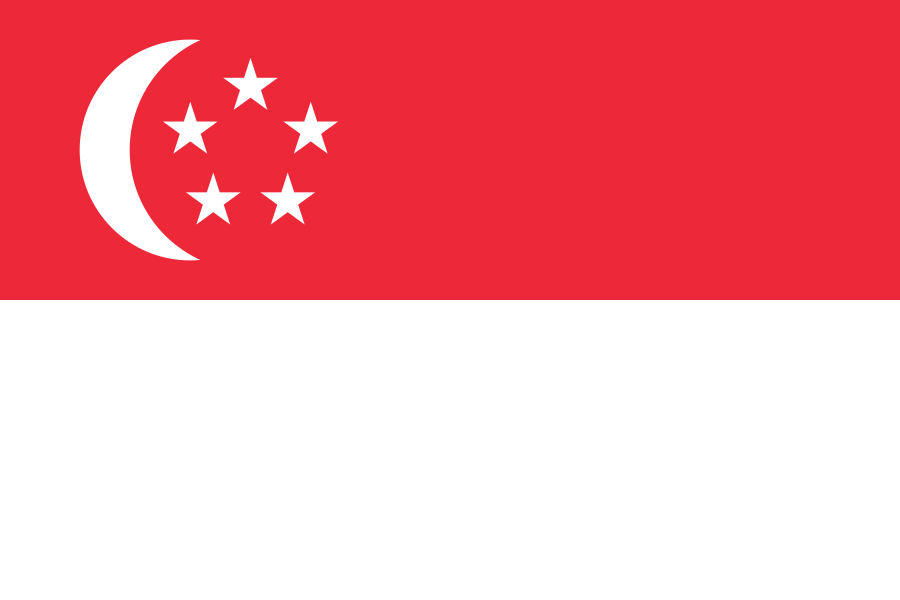
- Flag
-
- ISO code
- SG
- Population
- 5,638,676
- Currency
- SGD
- Dial code
- +65
Singapore Travel Guide: a City State That Runs Like Clockwork
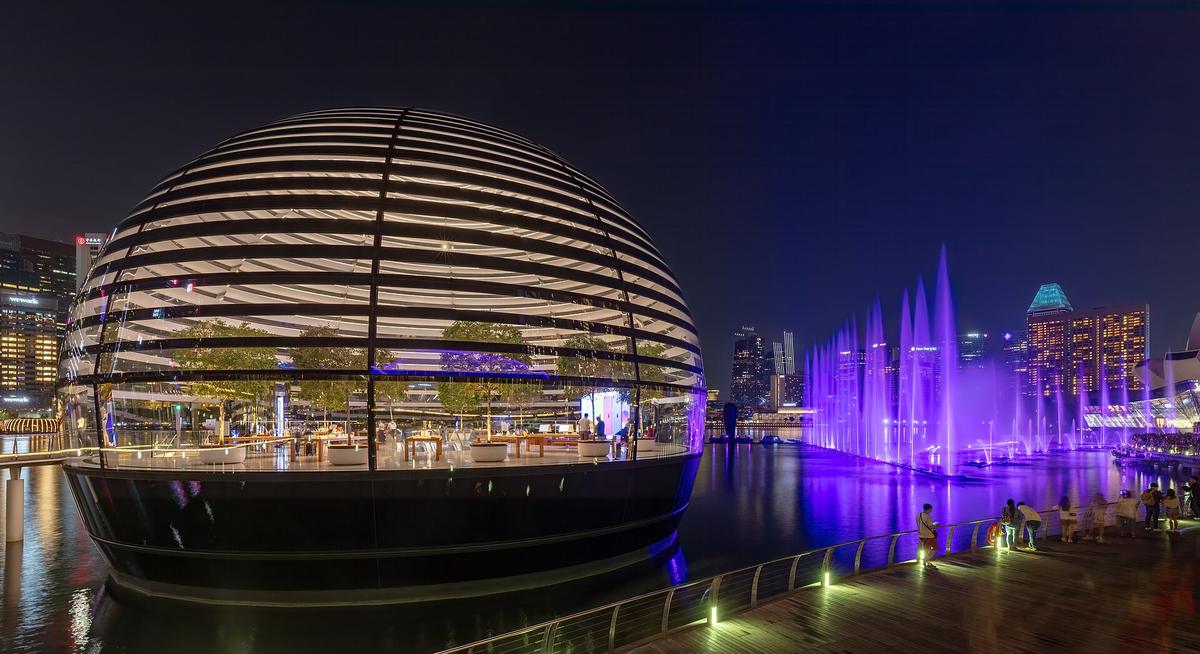
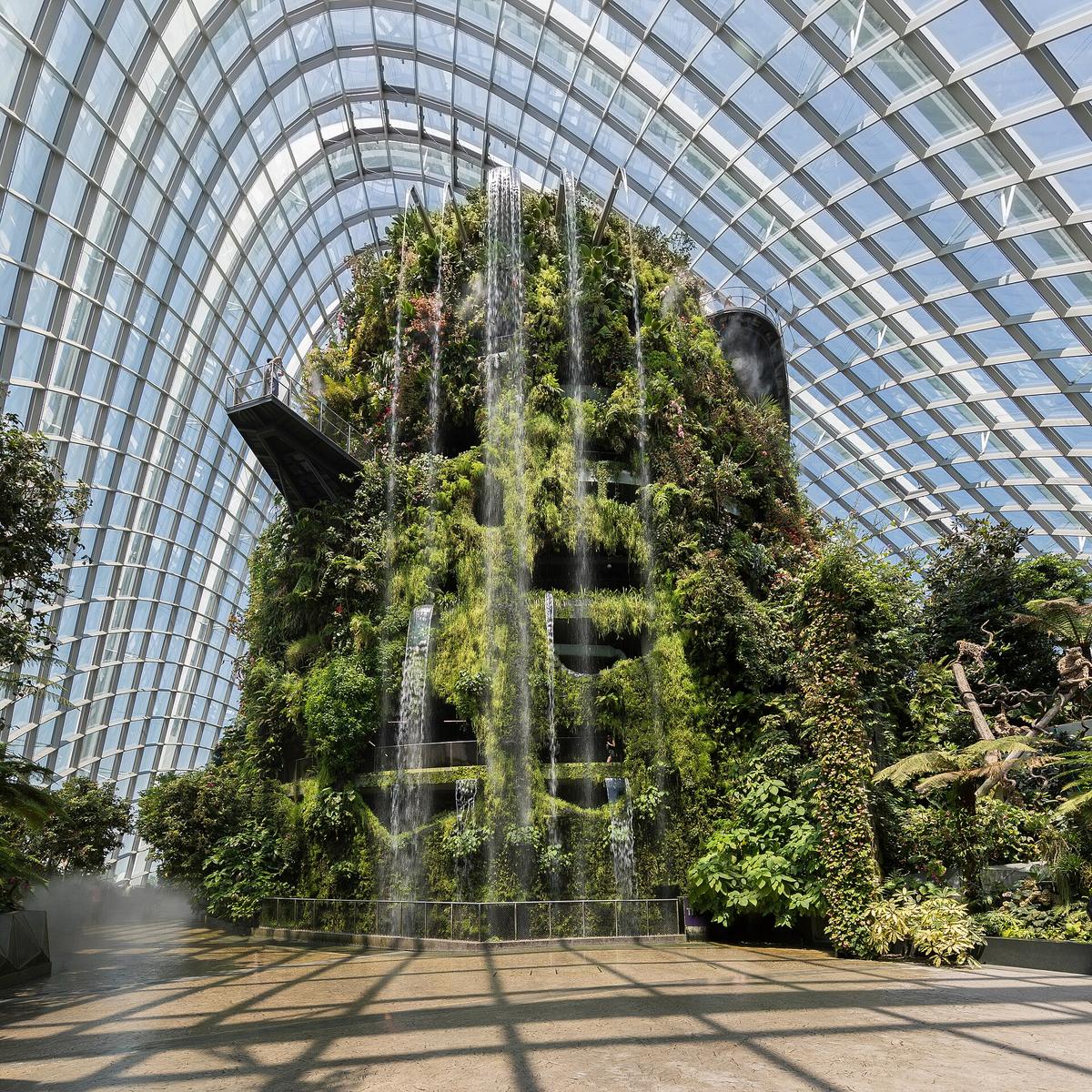
Singapore is 735.6 square kilometres. That is smaller than New York City. You can cross the entire country in about 45 minutes on the MRT. Yet this single island packs more regulated order, futuristic architecture, and serious food than destinations ten times its size. This singapore travel guide exists to tell you what that means on the ground: a hyper efficient tropical city state that feels more like a clean room than a Southeast Asian capital, where the heat hits you at the airport door, the alcohol costs more than you budgeted for, and the hawker centres serve Michelin starred food for the price of a sandwich. If you are coming for the skyline photographs, you will get them. If you are coming for the things that happen between the photographs, read on.
- Official Name: Republic of Singapore
- Capital: Singapore (city state)
- Population: 5,920,000 (2024 estimate, Department of Statistics Singapore)
- Land Area: 735.6 km² (2024, Singapore Land Authority)
- Number of Islands: 1 main island plus 63 smaller islets
- Highest Point: Bukit Timah Hill, 164 m
- Time Zone: UTC+8 (no daylight saving)
- Mains Voltage / Plug: 230 V / Type G (British three pin)
- Languages: English, Mandarin Chinese, Malay, Tamil (Malay is the national language)
- Currency: Singapore dollar (SGD, symbol S$)
- Emergency Numbers: Police 999 / Ambulance & Fire 995 / Non emergency ambulance 1777
- Visa Policy: Nationals of approximately 160 countries may enter visa free for 30 to 90 days, depending on nationality. Check with the Immigration and Checkpoints Authority before you book.
- Passport Validity: Minimum 6 months beyond your intended stay
- Yellow Fever Vaccination: Required if arriving from a country with yellow fever transmission risk within the preceding 6 days
- Government Travel Advisories: Issued by the UK FCDO, US State Department, Australian DFAT, and Government of Canada. Check the one relevant to your nationality before departure.
What First Time Visitors Get Wrong About Singapore
The Two Day Stopover Trap
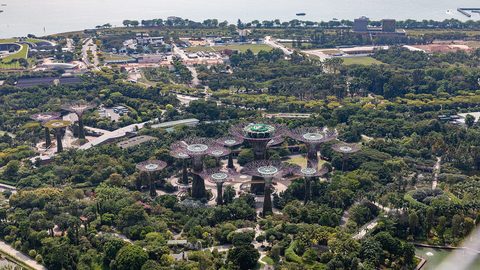
Most first time travellers treat Singapore as a 2 day stopover. They land at Changi Airport, ride the MRT to Marina Bay, photograph the Supertree Grove, and fly out assuming they have seen it. That is the single most common mistake in this country. What they miss is everything that makes Singapore worth more than its skyline: the food obsessed heartland neighbourhoods where a 70 year old woman hand slices chicken rice at a hawker centre that has held the same stall for four decades, the Mandai wildlife cluster that holds four separate animal parks, the art deco housing estate of Tiong Bahru where indie bookshops sit beneath pre war flats, and the Peranakan shophouse streets of Joo Chiat and Katong where the laksa is the reason locals drive across the island. Singapore rewards the traveller who stays long enough to eat badly, get lost in a housing estate, and sit through a sudden tropical downpour in a kopitiam drinking kopi.
Dealing With The Heat
The heat and humidity are more oppressive than most visitors expect. The temperature range is a consistent 24°C to 33°C year round, but the relative humidity sits at 70% to 90% every day. You will sweat through a shirt within ten minutes of stepping outside. Pack light cotton, carry a towel, and budget for multiple changes of clothing per day. Indoor air conditioning is aggressive, so carry a light layer for the MRT and shopping malls.

How Many Days in Singapore Do You Actually Need
The minimum for a trip that covers the core cultural enclaves, the botanical and futuristic landmarks, and one offshore island is 4 days. Four days lets you spend one day in the Central Area hitting the Civic District, Chinatown, and Kampong Glam, one day on the Mandai wildlife cluster or the Botanic Gardens, one day on Sentosa or the Marina Bay area, and one day in a heartland neighbourhood like Katong or Tiong Bahru. If you have 3 days, you will drop either the wildlife parks or the offshore island. If you have 2 days, you will see only the Marina Bay area and one hawker centre, and you will leave wondering why everyone raves about Singaporean food. Do not treat Singapore as a quick stopover.
Peak Seasons And Windows To Avoid
Peak visitor months are December to January and June to July, driven by the year end festive season, the Great Singapore Sale, and school holidays in neighbouring countries. Book accommodation at least three months ahead if you travel during those periods. Avoid the Chinese New Year window in January or February when many local eateries close for days. Avoid the Formula 1 Grand Prix week in September when hotel prices spike. And check the haze forecast for June, when regional forest fires can drop visibility and air quality across the island.
| Region | What It Covers | Minimum Time |
|---|---|---|
| Central Area | Marina Bay, Chinatown, Kampong Glam, Little India, Orchard Road, Bugis, Civic District | 2 4 days |
| Central Region (Outside City Core) | Bukit Timah, Holland Village, Dempsey Hill, MacRitchie Reservoir, Botanic Gardens | 1 2 days |
| East Region | Katong, Joo Chiat, Geylang Serai, Changi, Pasir Ris, Pulau Ubin | 1 2 days |
| North Region | Woodlands, Kranji, Sungei Buloh Wetland Reserve, Singapore Zoo, Night Safari, River Wonders, Bird Paradise | 1 2 days |
| Northeast Region | Serangoon, Hougang, Punggol, Coney Island | Half day to 1 day |
| West Region | Jurong, Tuas, Jurong Lake Gardens, Science Centre Singapore, Haw Par Villa | Half day to 1 day |
Is Singapore Expensive? a Realistic Budget
Singapore is expensive for alcohol and accommodation, and cheap for food. A pint of beer at a bar in the Central Area will cost you SGD 12 to SGD 18. A cocktail at a Marina Bay Sands lounge can hit SGD 30. A bottle of wine at a restaurant carries a markup that will shock you. The duty free allowance for alcohol is 1 litre of spirits, 1 litre of wine, and 1 litre of beer for travellers arriving from any country except Malaysia; if you arrive from Malaysia, there is no duty free allowance. Bring your own bottle in your checked luggage and you will save significant money.
But a full meal at a hawker centre costs SGD 5 to SGD 8. A plate of Hainanese chicken rice at Tian Tian in Maxwell Food Centre costs around SGD 5. A bowl of Katong laksa at 328 Katong Laksa costs around SGD 7. Chilli crab with fried mantou buns at Long Beach Seafood will set you back SGD 60 to SGD 80 for a whole crab, but that is a splurge dish, not an everyday meal. The 9% Goods and Services Tax (GST) is included in listed prices at most establishments, and a 10% service charge is standard at restaurants. Tipping is not practised and not expected. If you eat at hawker centres and drink at convenience stores, Singapore is affordable. If you eat at Marina Bay Sands and drink at rooftop bars, Singapore is among the most expensive cities in Asia.
Singapore Itinerary: How to Structure Your Days
A well built Singapore itinerary starts with the Central Area and then pushes outward. Do not try to visit Little India, Chinatown, and Kampong Glam in a single morning. Each enclave deserves two to three hours of walking, eating, and stopping into temples. Little India is dense, colourful, and aromatic. The 24 hour Mustafa Centre is worth a late night visit just to see how a department store operates at 2 AM. Kampong Glam surrounds the Sultan Mosque and is lined with hip boutiques and Middle Eastern restaurants. Chinatown holds the Buddha Tooth Relic Temple, a Tang styled temple that is free to enter and quieter than its exterior suggests.
The Mandai Wildlife Cluster
Dedicate one full day to the Mandai wildlife cluster in the North region. The Singapore Zoo, Night Safari, River Wonders, and Bird Paradise are four separate parks on one precinct. You cannot do all four in a day. Pick two: the Singapore Zoo for its open concept rainforest enclosures, and the Night Safari for the tram trails that start after dark. Book tickets online in advance and arrive when the gates open at 08:30 to beat the heat and the school groups.
Sentosa And The Offshore Islands
Sentosa Island is a purpose built resort with beaches, Universal Studios, and overpriced food. If you have children, Sentosa is worth a day. If you are an adult without children, skip Universal Studios and spend the day at Lazarus Island instead, a 30 minute ferry from Marina South Pier that delivers a white sand lagoon beach with no entry fee and almost no development.
Day Trips That Are Worth The Ferry Ride
Pulau Ubin is a rustic cycling island a 15 minute bumboat ride from Changi Point. Rent a bicycle, ride the dirt trails, and see what Singapore looked like before the high rises. Sungei Buloh Wetland Reserve in the North region offers mangrove boardwalks and migratory birds, a 40 minute taxi ride from the city centre. St John's Island has quiet walking trails and a population of friendly stray cats, reached by a 30 minute ferry from Marina South Pier. These are not luxury excursions. They are the antidote to the air conditioned mall experience.

Getting Around: the MRT and the Rules That Trip You Up
The MRT subway and public bus network are the dominant ways to get around. The system operates from approximately 05:30 to 00:00 or 00:30 depending on the line and station. Public transport ceases around midnight, and late night taxi surcharges can double the fare. If you are out after midnight, budget for a ride hail trip that costs SGD 30 to SGD 50 instead of the SGD 10 it would cost during the day.
Payment requires a contactless stored value card or a SimplyGo compatible bank card. Do not buy single trip tickets for every ride; they are slower and more expensive. Buy an EZ Link card at any MRT station or at Changi Airport. The airport to city centre journey takes 35 to 45 minutes on the MRT and costs about SGD 2. A taxi takes 20 to 40 minutes depending on traffic and costs SGD 20 to SGD 40, with a surcharge for late night trips.
One rule catches every visitor: ride hailing cars cannot legally pick up from taxi stands or roadside spots in the Central Business District during peak hours. If you try to hail a Grab at a taxi stand in Raffles Place at 18:00, the driver will cancel. Walk to a non restricted zone or use the MRT.
Driving In Singapore
Traffic drives on the left hand side. Short term visitors may drive on a valid foreign licence in English or an International Driving Permit for up to 12 months. Parking in the Central Area is expensive and limited. You do not need a car in Singapore. The MRT plus walking covers the entire island.
What to Eat and Where to Find it
Singapore is best for food obsessed explorers. The hawker centre system is the backbone of the country's food culture, with approximately 120 government managed hawker centres across the island. Each stall displays a hygiene grade from A to D. Eat only at A graded stalls. A hawker centre meal costs one third to one half the price of a comparable casual restaurant meal.
Where To Start Eating
Start with Hainanese chicken rice at Tian Tian in Maxwell Food Centre. The queue at weekday lunch peaks from 12:00 to 13:30 is long but moves fast. Move on to Katong laksa at 328 Katong Laksa in the East region, a cut spoon curry noodle soup that is the definitive version of the dish. Eat bak kut teh, a peppery pork rib soup, at Song Fa. Eat kaya toast with soft boiled eggs and kopi at Ya Kun Kaya Toast for breakfast. And eat ice kachang, a towering shaved ice dessert, at any hawker centre on a hot afternoon.
The Michelin Hawker Stalls
Do not skip the Michelin starred hawker stalls. The soy sauce chicken rice at Hawker Chan and the hawker dim sum at Tim Ho Wan are affordable and legitimate. You do not need a reservation. You queue, you order, you sit at a table you reserved with a tissue packet, and you eat some of the best food in Asia for under SGD 10.
Local Friction: What You Need to Know Before You Go
Rules That Have Real Consequences
Singapore is regulated in ways that surprise first time visitors. Chewing gum is banned from sale. You may bring it in for personal use, but littering it incurs a heavy fine. E cigarettes and vaporisers are prohibited entirely: import, possession, and use are illegal. Drug offences carry the mandatory death penalty for trafficking certain quantities. Do not test these rules.
Monsoon Seasons And Sudden Downpours
Sudden tropical downpours are frequent and intense. The northeast monsoon from December to early March brings wetter conditions and occasional flooding of low lying paths. The southwest monsoon from June to September is drier but brings early morning Sumatra squalls. Carry a compact umbrella at all times. The inter monsoon periods from late March to May and October to November produce afternoon and evening thunderstorms that appear without warning and flood streets within minutes.
Public transport ceases around midnight. If you are out late, the late night taxi surcharge can double the fare. Plan your evening accordingly. And remember that the air conditioning indoors is intense: carry a light layer for the MRT, the shopping malls, and the Marina Bay Sands SkyPark.
Connectivity and Practical Details
Tourist SIM cards with generous data allowances, such as 100 GB for 14 days from SGD 12, are sold at Changi Airport. You must register the SIM with your passport. Free public Wi Fi under the Wireless@SGx network is widespread across the island but requires a one time registration using a mobile number. Pick up a local SIM at the airport arrivals hall and save yourself the hassle of Wi Fi registration.
The plug type in use is Type G, the British three pin rectangular standard. Mains voltage is 230 V. Bring an adapter if you are arriving from a country that uses a different plug type. Your electronics will handle the voltage, but the physical plug will not fit.
Who Singapore is for and Who Should Skip it
Singapore suits first time visitors to Asia who want a controlled, safe, and clean introduction to the region. It suits luxury travellers who appreciate high end shopping on Orchard Road and five star hotels on Marina Bay. It suits food obsessed explorers who will spend their days eating through hawker centres and their evenings planning where to eat next. It suits families with young children who need reliable infrastructure, clean public toilets, and attractions like the Singapore Zoo and Sentosa that are designed for kids. And it suits business travellers extending a trip.
Singapore is not for backpackers on a shoestring budget. The accommodation costs are high, the alcohol is expensive, and the regulated environment leaves no room for spontaneous street life or chaotic markets. It is not for travellers seeking raw adventure or expansive natural landscapes. There are no long empty beaches, no jungle treks, no remote villages. Bukit Timah Hill is 164 metres high. It is not a hike. And it is not for those who want to arrive with no plan and see what happens. Singapore rewards planning. The hawker queues, the ticketed attractions, the MRT routes, and the opening hours all demand a schedule. Arrive with one.
Common Questions
Can I bring chewing gum into Singapore?
The sale of chewing gum is banned. Bringing a small amount for personal use is not actively enforced at the border, but technically it is illegal. Littering gum incurs a heavy fine. Do not bring large quantities and do not discard it on the street.
What is tissue packet chope ing?
In hawker centres, a table with an unoccupied seat and a tissue packet on it is taken. The tissue packet is the reservation. Do not sit there. This system is strictly observed by locals. Remove the packet and you will be confronted.
How do I pay for public transport?
Use a contactless stored value card called EZ Link or NETS FlashPay, or a contactless bank card or mobile wallet on the SimplyGo system. You must tap in at the start of your journey and tap out at the end with the same card or device, or you will be charged the maximum fare for that line.
Is the tap water safe to drink?
Yes. Tap water in Singapore meets WHO guidelines and is potable. You do not need to buy bottled water for drinking.
Do I need a visa for Singapore?
Nationals of approximately 160 countries may enter visa free for stays of 30 to 90 days depending on nationality. The exact duration is determined at the border. Check with the Immigration and Checkpoints Authority before you book your flight.
Can I use ride hail apps from taxi stands?
No. Ride hail cars cannot legally pick up from taxi stands or roadside spots in the Central Business District during peak hours. Walk to a non restricted zone or use the MRT instead.
What happens if I am caught with drugs in Singapore?
Mandatory death penalty for trafficking certain quantities of controlled drugs. Singapore enforces this. Do not bring drugs into the country.
Read next
-
 Staying connected in Singapore with eSIM, tourist SIM, or free Wi-Fi
The practical steps to get online in Singapore, from eSIM activation before departure to passport-registered tourist SIMs at Changi Airport and free Wireless@SGx.
Staying connected in Singapore with eSIM, tourist SIM, or free Wi-Fi
The practical steps to get online in Singapore, from eSIM activation before departure to passport-registered tourist SIMs at Changi Airport and free Wireless@SGx.
-
 Best Time to Visit Singapore What Each Season Actually Feels Like
Singapore is hot and humid year-round, but December and June bring peak crowds, September sees F1 hotel spikes, and Chinese New Year closes many local eateries.
Best Time to Visit Singapore What Each Season Actually Feels Like
Singapore is hot and humid year-round, but December and June bring peak crowds, September sees F1 hotel spikes, and Chinese New Year closes many local eateries.
-
 Getting Around Singapore MRT Buses Ride Hailing and the Rules That Trip People Up
Singapore's MRT and bus network is excellent, but ride-hailing cars cannot pick up from taxi stands in the CBD during peak hours and trains stop around midnight.
Getting Around Singapore MRT Buses Ride Hailing and the Rules That Trip People Up
Singapore's MRT and bus network is excellent, but ride-hailing cars cannot pick up from taxi stands in the CBD during peak hours and trains stop around midnight.
-
 Singapore Visa Rules Who Needs One and How the Application Works
Singapore visa rules depend on your passport, but every traveller must complete the SG Arrival Card online before landing at Changi Airport.
Singapore Visa Rules Who Needs One and How the Application Works
Singapore visa rules depend on your passport, but every traveller must complete the SG Arrival Card online before landing at Changi Airport.
-
 Money in Singapore Cards Cash and What Actually Works Where
Singapore runs on contactless payments and the Singapore dollar, but some hawker stalls and wet markets still expect cash, so carry a mix of both.
Money in Singapore Cards Cash and What Actually Works Where
Singapore runs on contactless payments and the Singapore dollar, but some hawker stalls and wet markets still expect cash, so carry a mix of both.
-
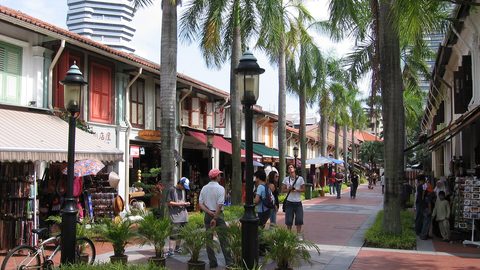 Is Singapore Safe Reading Safety Advice Without Being Misled by It
Singapore is exceptionally safe for violent crime, but its strict laws on littering, jaywalking and chewing gum sales can catch unwary visitors off guard with
Is Singapore Safe Reading Safety Advice Without Being Misled by It
Singapore is exceptionally safe for violent crime, but its strict laws on littering, jaywalking and chewing gum sales can catch unwary visitors off guard with
-
 How to Budget a Trip Based on Purchasing Power, Not Just Exchange Rates
Exchange rates tell only half the story. See how purchasing power shapes your real travel budget across Southeast Asia, Eastern Europe, and Latin America.
How to Budget a Trip Based on Purchasing Power, Not Just Exchange Rates
Exchange rates tell only half the story. See how purchasing power shapes your real travel budget across Southeast Asia, Eastern Europe, and Latin America.
-
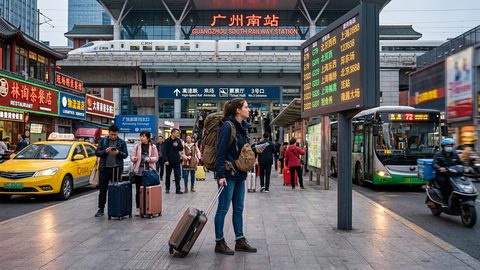 A Ground-Level Logistics Guide to Independent Travel in China
First-time independent travel in China: what you need to know about visas, rail booking, eSIMs, mobile payments, and power adapters.
A Ground-Level Logistics Guide to Independent Travel in China
First-time independent travel in China: what you need to know about visas, rail booking, eSIMs, mobile payments, and power adapters.
-
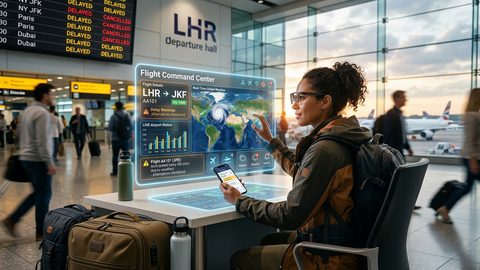 How Solo Travelers Stay Ahead of Flight Delays and Cancellations
How solo travelers can track inbound aircraft, claim rebooking rights, and adjust ground transport when flights go wrong — step by step.
How Solo Travelers Stay Ahead of Flight Delays and Cancellations
How solo travelers can track inbound aircraft, claim rebooking rights, and adjust ground transport when flights go wrong — step by step.