Your Italy Train Travel Guide
How to move around Italy by train, car, and ferry, and what the map oversells. The real friction points of Italian transport.
The map of Italy makes every city look reachable by lunchtime. The reality is a system of trains, cars, and ferries that runs on rigid rules, irregular strikes, and a set of unmarked failure points that punish the unprepared. This is not a list of transport options. This is an honest italy train travel guide to the friction points that decide whether you spend your trip looking at departure boards or looking at frescoes.
High speed Frecciarossa and Italo trains hit 300 km/h between Turin, Milan, Bologna, Florence, Rome, Naples, and Salerno. They are reliable, clean, and fast. They also require a seat reservation for a specific train, day, time, and seat. The platform gates close before departure. Miss the gate and your ticket is dead. Regional trains run on the same tracks but at lower speed, no reserved seats, and a separate set of rules that trip up first timers. The regional paper ticket must be validated in the green machines on the platform before boarding. An unvalidated ticket is fare evasion, not a mistake. Fines are issued on the spot.
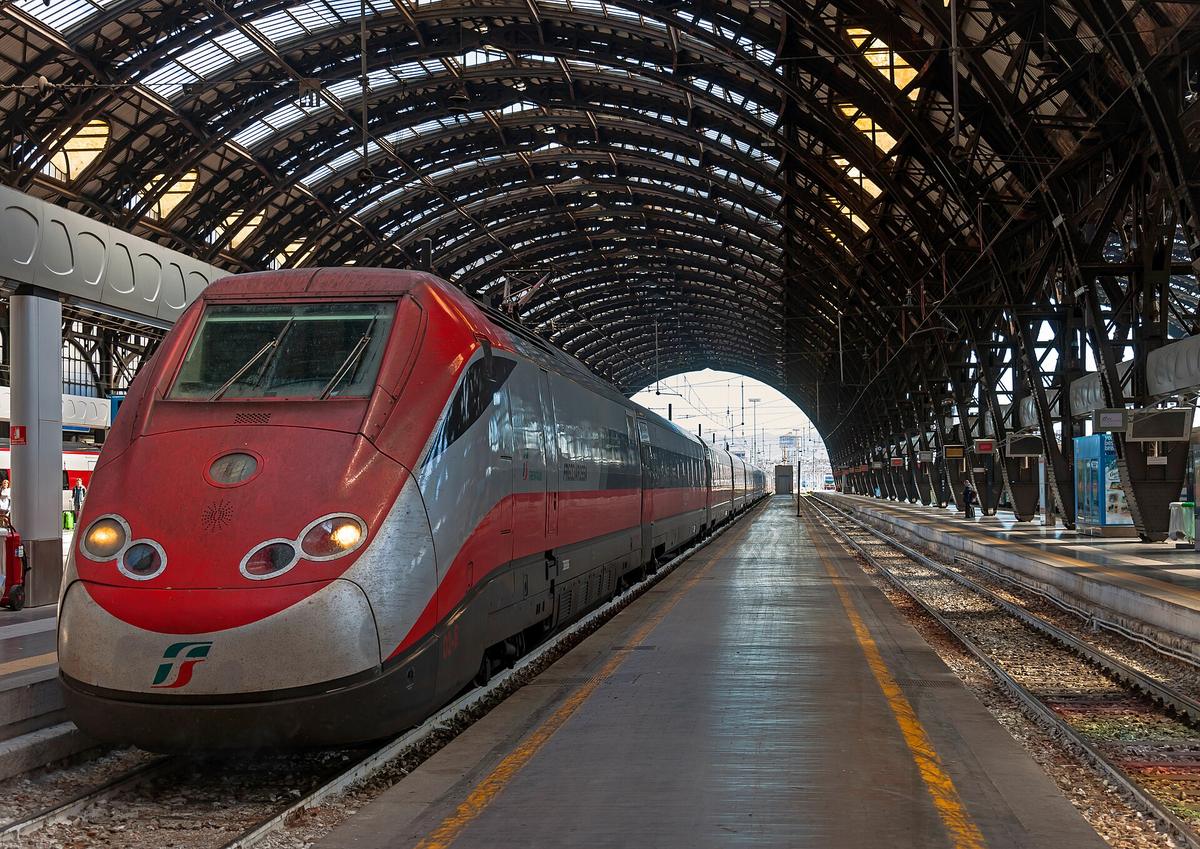

Italy High Speed Train Frecciarossa
Book Direct, Board Early
Frecciarossa is Trenitalia's flagship. Italo is the private competitor on the same high speed rail route spine. Both require you to buy a ticket for a specific train before you board. Both have gates that close several minutes before departure. Late arrival means buying a new ticket, not boarding the next train. Trains run frequently on the Turin to Salerno corridor. Book through the Trenitalia or Italo app, not a third party, because the app shows real time platform changes and strike updates. The train has wifi, air conditioning, and a cafe carriage.
Strike Day Protocol
The failure case: a strike is announced the night before. The app will tell you. The station board will not. Check the app at breakfast. If your train is cancelled, the operator rebooks you automatically but you need to accept the new itinerary in the app. Do that immediately. Spaces fill. The backup is a regional train on the same route, slower, no reservation needed, but you may stand for three hours.
Italy Regional Train Validate Ticket
Validate or Pay the Fine
The regional train is how you reach hill towns, smaller cities, and the Cinque Terre. No seat reservations. No conductor at the platform. Buy a paper ticket from the machine or counter, walk to the platform, find a green validation machine, insert the ticket, and wait for the timestamp to print. That stamp proves you boarded legally. Without it, the ticket is invalid. Inspectors board regularly and fine unvalidated tickets EUR 50 or more.
Skip the Machine Entirely
The fix: buy digital tickets through the Trenitalia app. Digital tickets validate automatically when you check in through the app within an hour of departure. That is the only way to skip the green machine. Regional trains suffer strikes more often than high speed services. During a strike, some regional trains run during peak hours: roughly 6:00 to 9:00 and 18:00 to 21:00. Outside those windows, expect cancellations. The backup is a FlixBus or Itabus long distance bus. They use the same roads and are not affected by rail strikes. Book a day ahead on their apps.
Italy ZTL Driving Zones
What a ZTL Costs You
Driving in Italy requires understanding the ZTL, a camera controlled restricted zone in nearly every historic centre. You drive into one without a permit, the camera reads your plate, and a fine arrives at your home address months later. The fine runs EUR 80 and up per entry and rental car companies add an administrative fee for forwarding the ticket. Florence, Rome, Siena, Lucca, Bologna, and dozens of smaller towns all have ZTL zones. The rule: never drive into a historic centre unless your accommodation is inside and the hotel has registered your plate in advance. Even then, you must arrive and leave within a specific time window.
Motorways Are Easy, Coast Roads Are Not
The Autostrade toll motorways are efficient. Take a ticket at entry, pay at exit with cash or card. Some unmanned exits are card only. The Amalfi Coast road is not a motorway. It is a Strada Statale that winds along cliffs, used by buses, scooters, and tour coaches. Positano to Amalfi is 6 km by road. In summer, that takes 40 to 60 minutes. Parking in Amalfi town fills by 10:00. The correct move for the Amalfi Coast is to arrive by ferry, not by car.
Italy Ferry Amalfi Coast
Arrive by Water
Ferries connect Naples, Sorrento, Positano, Amalfi, and Capri from April to October. The ferry is faster than the road, cooler, and avoids the ZTL problem entirely. SNAV, Caremar, and NLG operate the routes. A ticket from Sorrento to Positano takes roughly half an hour. From Amalfi to Positano, about 20 minutes. In summer, book the return ferry by mid morning. The last afternoon ferry sells out.
When Ferries Stop
The failure case: high summer wind or rough sea cancels ferries. The backup is the SITA bus that runs the same coastal road, but it is crowded, slow, and subject to the same traffic as cars. Ferry schedules drop sharply after October. By November, the Amalfi Coast ferry network is essentially closed until April. Check the operator websites two days before travel, not a month ahead. Schedules are published late. For Capri, buy an open return ticket at the port in Naples or Sorrento and plan to leave by 16:00 to avoid the queue at the ticket office.
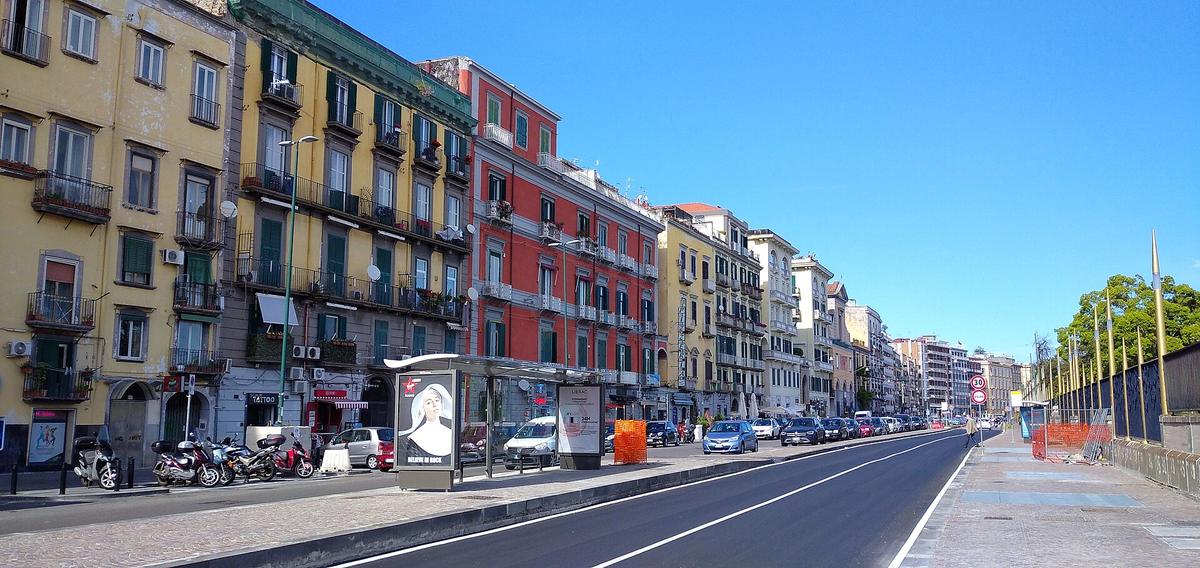

What the Map Oversells
Distances in Italy lie. Bellagio to Varenna on Lake Como is 4 km across the water, a short ferry ride. By road it is 60 km and over 1.5 hours. Siena to San Gimignano is 45 km but takes 60 to 75 minutes on winding state roads. Matera to Alberobello is 70 km and takes 1.5 hours. The Cinque Terre villages are 11 km apart by rail, ten minutes, but 30 km by road taking over an hour. Taormina centre to Castelmola is 5 km up a steep climb, 20 to 30 minutes driving, and parking at the top is limited. Factor the real drive time, not the map distance. The ferry is often the shorter route, not a scenic alternative.
Strikes and the Fallback
What Runs During a Strike
Transport strikes happen year round and are announced a few days in advance. The Trenitalia and Italo apps publish strike schedules. On strike days, guaranteed services run only during peak commuting windows. Outside those, nothing moves. Long distance buses are not affected. FlixBus, Itabus, and Marinobus cover most routes that rail serves. If your train is cancelled and you need to move, check the bus apps.
Islands and Inland Backup Plans
For Sicily and Sardinia, domestic flights become the only viable same day option when ferries are cancelled by weather or strike. ITA Airways, Ryanair, and easyJet fly the backbone routes: Rome to Catania, Milan to Palermo, and more. Book those at the airport counter on strike day, not online. The system is overloaded. The interior of Sardinia has no rail ferry and trains are narrow gauge, slow, and limited. The correct transport for inland Sardinia is a rental car. For Sicily, the train from Palermo to Catania is slow but reliable. For the Amalfi Coast, the backup to a cancelled ferry is the SITA bus or a private driver.
Who This System Suits and Who it Does Not
Who Thrives Here
The Italian transport ecosystem rewards advance planning, tolerance for rule following, and flexibility when things break. Book high speed train tickets a week ahead. Validate regional tickets without fail. Carry cash for tolls and parking. Road trippers need to know the ZTL rules and rent a car with an International Driving Permit.
Who Should Rethink
This system punishes anyone who wants spontaneous access to major sights or a predictable schedule. It does not suit travellers who need step free access, because stations have stairs, platforms change, and ferries have gangplanks. It does not suit anyone trying to cover Rome, Florence, Venice, Cinque Terre, Amalfi Coast, and Sicily in ten days. That itinerary spends more time on check in desks than on cobblestones. The single thing that most often goes wrong: buying the wrong ticket and boarding the wrong train, then being fined or stranded. Read the ticket type, validate or reserve, and check the app before you leave your hotel.
Common Questions
Can I buy a Frecciarossa ticket on the train?
No. High speed trains require a dated, reserved ticket purchased before boarding. Buying on board is not possible. If you board without one, you pay the full fare plus a penalty.
What happens if I forget to validate my regional ticket?
An inspector will treat it as fare evasion. The fine is EUR 50 to 100, payable immediately by card or cash. Digital tickets in the Trenitalia app auto validate when you check in.
How do I know if a road has a ZTL?
Red signs at the entry list the restriction hours. If you see a sign with Zona a Traffico Limitato and a camera symbol, do not enter unless your hotel has registered your plate. Rental car companies pass fines on with an admin fee.
Do ferries run in winter on the Amalfi Coast?
High frequency summer schedules run June to September. Schedules reduce from October to May. Many routes stop entirely from November to March. Check operator websites two days before.
Read next
-
 Staying Connected in Italy With eSIM, Local SIM or Roaming
eSIM, local SIM, or roaming: which keeps you connected across Italy's cities, hill towns, and coastal dead zones, and what each path actually requires.
Staying Connected in Italy With eSIM, Local SIM or Roaming
eSIM, local SIM, or roaming: which keeps you connected across Italy's cities, hill towns, and coastal dead zones, and what each path actually requires.
-
 Best Time to Visit Italy and What Each Season Actually Delivers
When to go to Italy and what each season actually delivers: weather, crowds, closures, and the dates that spike hotel prices.
Best Time to Visit Italy and What Each Season Actually Delivers
When to go to Italy and what each season actually delivers: weather, crowds, closures, and the dates that spike hotel prices.
-
 Italy Visa Requirements for Tourists and the Schengen Rules
Who needs a visa for Italy, who does not, and how the Schengen 90/180-day rule applies. A clear breakdown of entry requirements for tourists.
Italy Visa Requirements for Tourists and the Schengen Rules
Who needs a visa for Italy, who does not, and how the Schengen 90/180-day rule applies. A clear breakdown of entry requirements for tourists.
-
 Cash or Card in Italy, How You Will Actually Pay for Things
How to pay for things in Italy: when to use cash, when cards work, and what the coperto and tourist tax add to every bill.
Cash or Card in Italy, How You Will Actually Pay for Things
How to pay for things in Italy: when to use cash, when cards work, and what the coperto and tourist tax add to every bill.
-
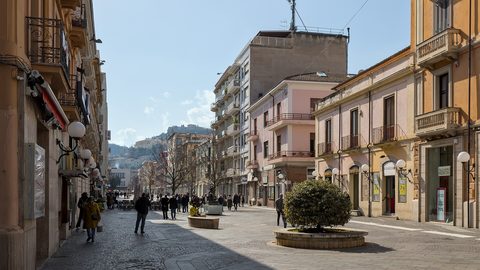 Is Italy Safe, Reading the Advice Without Being Misled by It
Is Italy safe? The real risks for tourists, stripped of exaggeration: pickpocketing on the Rome Metro, bracelet scams in Milan, and how to handle them.
Is Italy Safe, Reading the Advice Without Being Misled by It
Is Italy safe? The real risks for tourists, stripped of exaggeration: pickpocketing on the Rome Metro, bracelet scams in Milan, and how to handle them.
-
 What a Trip to Italy Actually Costs and Where the Money Goes
How money flows through an Italy trip: the fixed costs, the seasonal surges, and the everyday spending rhythms that shape your budget.
What a Trip to Italy Actually Costs and Where the Money Goes
How money flows through an Italy trip: the fixed costs, the seasonal surges, and the everyday spending rhythms that shape your budget.
-
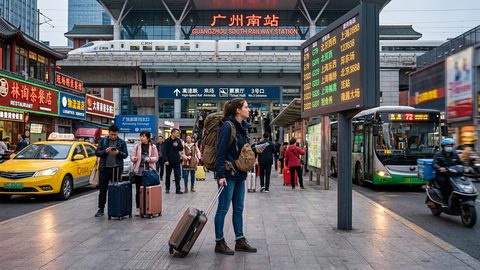 A Ground-Level Logistics Guide to Independent Travel in China
First-time independent travel in China: what you need to know about visas, rail booking, eSIMs, mobile payments, and power adapters.
A Ground-Level Logistics Guide to Independent Travel in China
First-time independent travel in China: what you need to know about visas, rail booking, eSIMs, mobile payments, and power adapters.
-
 How Solo Travelers Stay Ahead of Flight Delays and Cancellations
How solo travelers can track inbound aircraft, claim rebooking rights, and adjust ground transport when flights go wrong — step by step.
How Solo Travelers Stay Ahead of Flight Delays and Cancellations
How solo travelers can track inbound aircraft, claim rebooking rights, and adjust ground transport when flights go wrong — step by step.
-
 Why Your eSIM Might Not Work Abroad and How to Check Before You Go
Buying an eSIM doesn't guarantee signal abroad. Learn why coverage fails by location and how to verify reach before you commit to a plan.
Why Your eSIM Might Not Work Abroad and How to Check Before You Go
Buying an eSIM doesn't guarantee signal abroad. Learn why coverage fails by location and how to verify reach before you commit to a plan.