A Gazetteer of Belgium
Belgium packs three language communities into a country you can cross in two hours, with signage that changes language mid-motorway and cities that feel like
- Flag
-
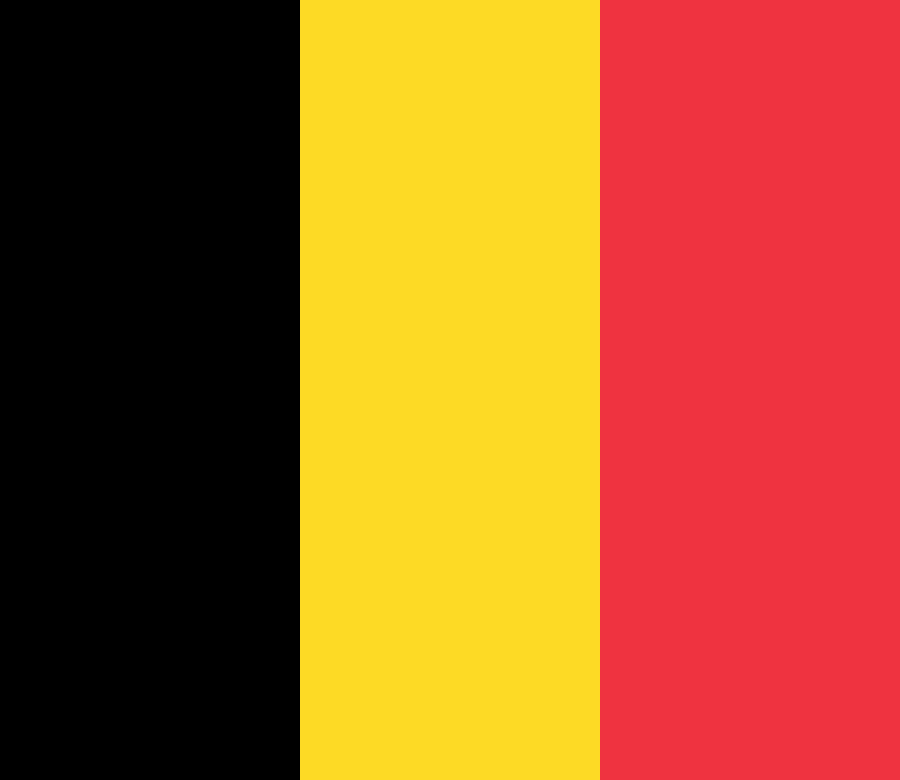
- ISO code
- BE
- Population
- 11,422,068
- Currency
- EUR
- Dial code
- +32
A Gazetteer of Belgium
Belgium's maximum driving time from border to border is two hours, yet within that small frame you cross three official languages and two cultural halves that feel like separate countries. This guide exists because the country resists a single description. Flanders runs flat and Dutch. Wallonia rolls into the Ardennes and speaks French. The capital sits in the middle, bilingual and scruffy. The practical reality of crossing those regional borders is what catches visitors off guard: station names change language at the boundary, platform signage follows the local tongue, Liège becomes Luik and Mons becomes Bergen on the same ticket you bought an hour ago. Plan for that shift. The country rewards you with short train hops between distinct cities, a beer and food culture that ranks among Europe's best, and a Flemish Walloon divide that makes every region worth its own day.
Belgium Language Regions Explained
The language boundary is not a line on a map; it is administrative and cultural. Belgium has three official languages: Dutch, French, and German. The Flemish Community governs the Dutch-speaking north. The French Community covers the Francophone south. The German-speaking Community operates a small eastern strip. The capital is bilingual Dutch-French. Motorway signage switches at the regional border: the same town appears in two spellings depending on which side of the line you approach from. Train station names follow the local language, not your ticket. A departure board in Ghent shows Dutch names for Walloon cities. The same board in Liège shows French names for Flemish cities.
Navigating the Name Shift
Download both language versions of Google Maps or carry a printed cheat sheet. The shift disorients some travellers and delights others. If you find bilingual signage annoying rather than interesting, budget extra time to confirm your platform. Ask a local or check the digital board rather than guessing.

Belgium Practical Travel Advice
Arrive at Brussels Airport and reach Brussels Central by train in 17 to 20 minutes. Brussels South Charleroi is 50 minutes by Flibco bus to Brussels Midi. Eurostar drops passengers at Brussels Midi. Antwerp Airport and Liège Airport serve limited routes. Once inside the country, trains dominate intercity travel. The operator is SNCB or NMBS. Pay contactless or buy tickets through the SNCB app. There are no check-in gates, but ticket checks are frequent.
Belgium Train Travel Basics
The rail network is among the densest in Europe. Bruges to Ghent takes 25 minutes. Ghent to Antwerp takes 55 minutes. Antwerp to Mechelen takes 20 minutes. Mechelen to Leuven takes 25 minutes. Brussels to Bruges is one hour. Brussels to Liège is one hour. Brussels to Arlon in the far south takes two hours 30 minutes. The tripwire remains the name mismatch: buy a ticket to Mons and find the platform sign reading Bergen.
What The Research Does Not Tell You
Restaurants in smaller Flemish towns stop serving lunch by 13.30 and dinner by 21.00. Public toilets are scarce and almost always require coins; card payment is rare. Shops close on Sundays and Monday mornings, even in tourist areas. Two separate networks mean separate tickets and separate apps for train versus bus and tram. SNCB runs the trains. De Lijn covers Flemish buses and trams. TEC covers Walloon buses and trams. EU roaming works for EU SIMs. Non-EU visitors can buy a prepaid SIM from Orange or Proximus at Brussels Midi or the airport. Free WiFi is widespread in cafes and hotels but patchy on intercity trains.
Flemish vs Walloon Travel Differences
The divide is not subtle. Flanders occupies the northern half of the country. Its terrain is flat. Its rail network is dense. Its historic cities cluster in a tight loop: Bruges, Ghent, Antwerp, Mechelen, Leuven. Cycling infrastructure connects every town. The coast runs 67 kilometres, all in Flanders. Wallonia occupies the southern half. Its terrain is hilly. The Ardennes are forested. Rail lines are fewer. Rent a car for most of the region. Wallonia's highest point, Signal de Botrange, reaches 694 metres. The distance between Bruges and the Ardennes is two and a half hours by car. Visitors underestimate the time needed to explore Wallonia without a vehicle. The capital does not belong to either region. It is the Brussels Capital Region, 19 municipalities of urban density with a metro, tram, and bus network that works better than most European capitals.
What Each Region Does Best
Brussels works as a base for EU institutions, Art Nouveau architecture, and neighbourhoods that shift from polished to scruffy within a single block. Flanders is for medieval cloth towns, flat cycling routes, and short train hops. Wallonia is for the Ardennes forests, post-industrial reinvention, and hills that surprise visitors who thought Belgium was flat. The country suits beer and food-focused travellers, history buffs drawn to WWI and WWII sites, art lovers chasing Flemish masters, and cyclists who want flat or hilly terrain in one small country. Belgium is not for travellers seeking dramatic wilderness or epic mountain scenery. It is not for nightlife-first visitors expecting late-night energy outside a few student cities. And it is not for anyone who finds bilingual signage and regional language shifts disorienting.
| Region | Language | Terrain | Best For | When To Go |
|---|---|---|---|---|
| Flanders | Dutch | Flat | Bruges, Ghent, Antwerp, cycling | April to October |
| Wallonia | French | Hilly, forested | Ardennes, Liège, Namur, Dinant | May to September |
| Brussels-Capital | Dutch and French | Urban | Museums, EU quarter, food | Year round |

Belgium Itinerary Planning
Five days is the minimum: enough for the capital, one Flemish art city, and one Walloon town without sprinting. The common mistake is attempting Bruges, Ghent, and Antwerp on consecutive days from a Brussels base. The cities are close, but each deserves a full day and an evening. The train cost adds up. Pick two and stay overnight in one.
A Five Day Route That Works
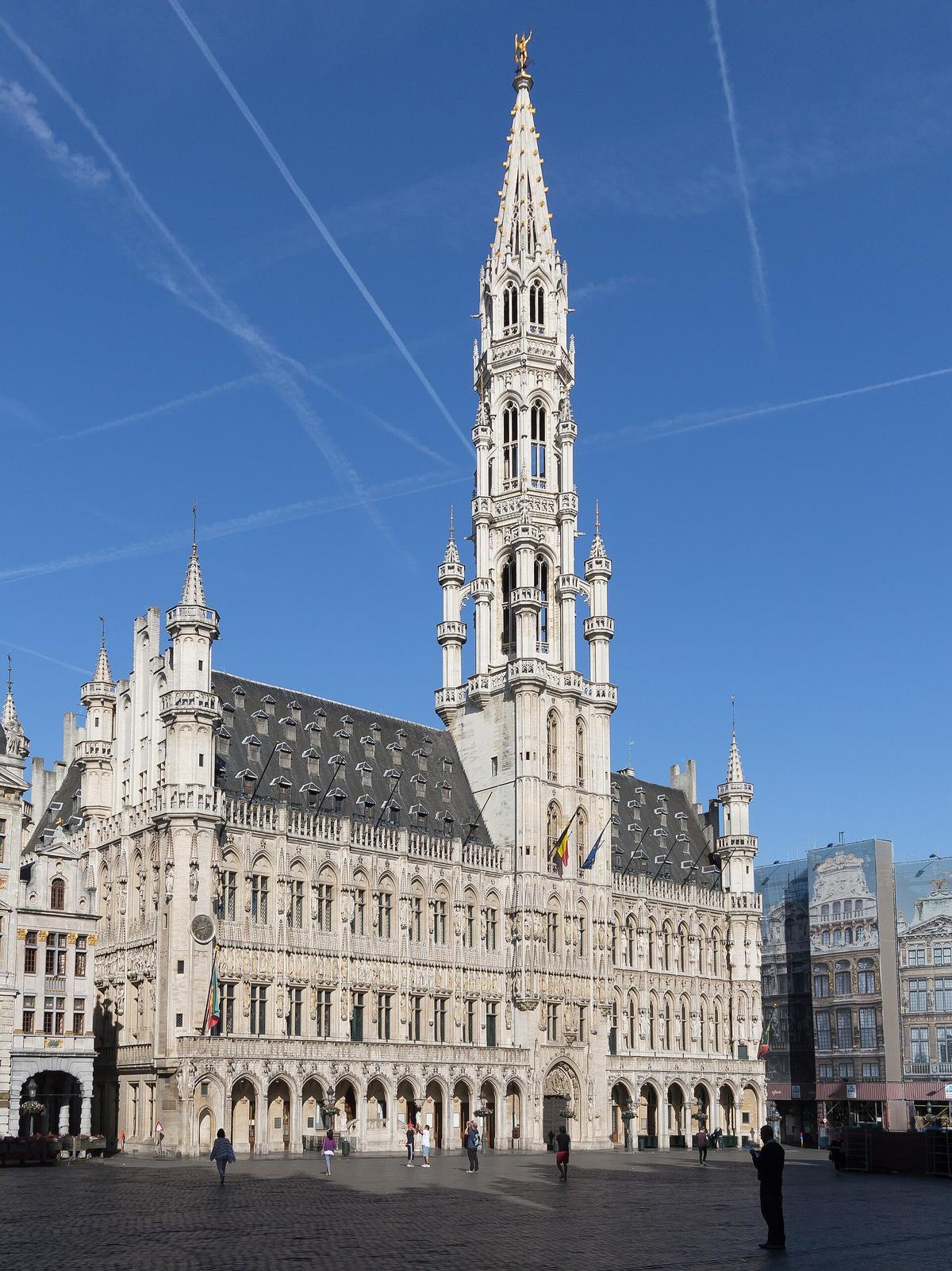
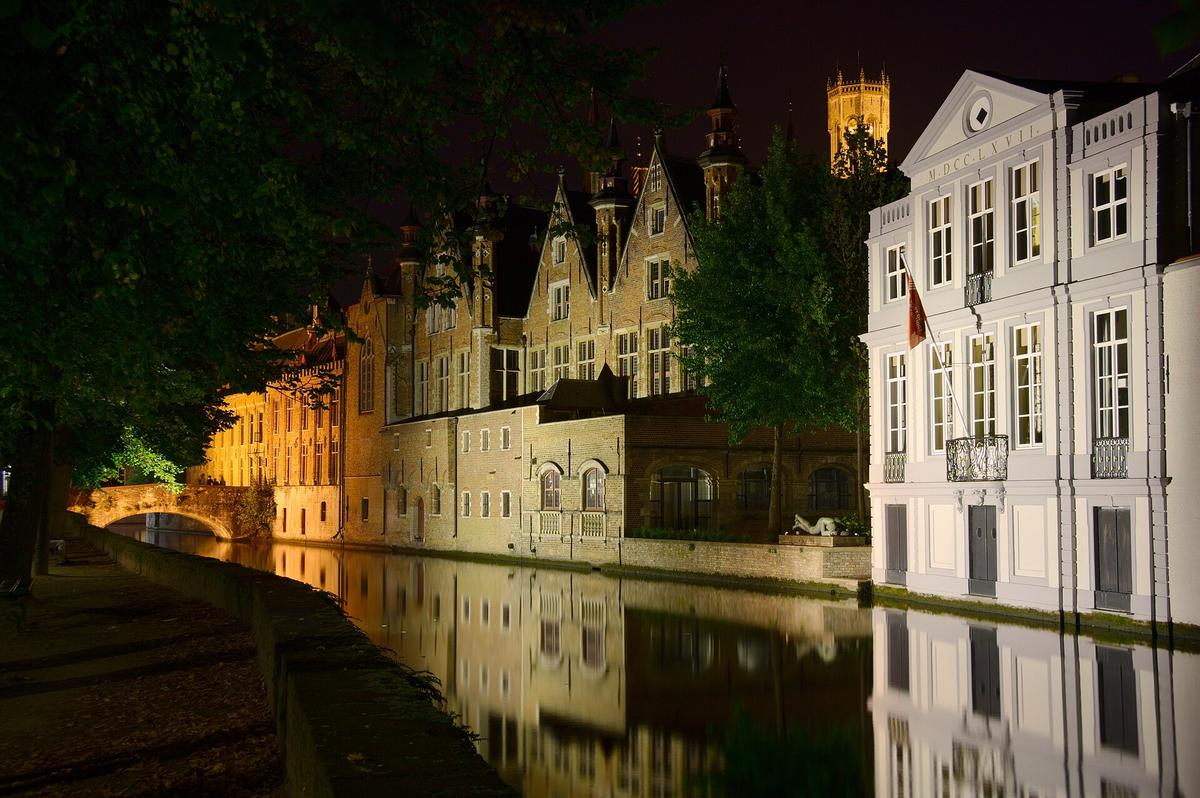
Day one: Brussels. Grand Place, the Atomium, the Horta Museum. Eat stoofvlees at a bistro with local beer. Day two: Ghent. Gravensteen, Saint Bavo's Cathedral for the Mystic Lamb altarpiece. Book ahead; the queue is long. Order Gentse waterzooi for lunch. Day three: Ghent to Bruges by 25-minute train. Belfry of Bruges, Sint Janshospitaal for the Memling paintings, moules frites at a canalside restaurant. Day four: Bruges to Antwerp by one-hour train. Plantin-Moretus Museum, MAS for the rooftop panorama (free), garnaalkroketten at a frituur. Day five: Antwerp to a Walloon town. Liège for the Sunday morning market and its fiery identity. Namur for the citadel and the Meuse valley. Dinant for the citadel and the saxophone museum. Ypres for the Menin Gate ceremony at 20.00 and the In Flanders Fields Museum. Pick the one that fits your interest. Return to Brussels for departure.
When To Book And What To Avoid
Peak season is July and August. European school holidays fill Bruges, Ghent, and the coast. Hotel prices rise sharply. Major festivals like Tomorrowland and Gentse Feesten draw huge crowds. Avoid the window around 21 July, Belgian National Day: Brussels packs with events and road closures. The last week of August sees many Brussels restaurants and shops close for annual leave. Christmas markets in December make Bruges and Brussels hotel rates spike. Shoulder season from April to June and September to October offers moderate crowds and mild weather. Low season from November to March means fewer tourists and a higher chance of rain. Rain falls year round, heaviest in November and December, driest in April.
What Belgium Demands and What it Returns
Belgium suits beer and food-focused travellers who can handle an early dinner and a rainy afternoon. It suits history buffs who want WWI sites and medieval cities in a single trip. It suits art lovers tracking Flemish masters across multiple museums. It suits cyclists who want flat or hilly terrain within two hours of each other. Belgium does not suit travellers seeking dramatic wilderness or epic mountain scenery. It does not suit nightlife-first visitors who expect late-night energy outside a handful of student cities. And it does not suit anyone who finds bilingual signage and regional language shifts disorienting. Book the general admission ticket to the Belfry of Bruges online before you arrive. Carry coins for the public toilets. Accept that you will be in a Francophone town by lunch and a Flemish town by dinner with only a language change to mark the border. Belgium delivers exactly the compact fragmented trip its small map promises.
Common Questions
How many days do I need for Belgium?
Five days minimum: enough for Brussels, one Flemish art city, and one Walloon town without rushing.
Do I need a car in Belgium?
Not in Flanders, where the rail network is dense and cycling infrastructure connects towns. Rent a car for Wallonia, where rail lines are fewer and the Ardennes require driving.
What is the difference between Flanders and Wallonia?
Flanders is Dutch-speaking, flat, and dense with medieval cities connected by short train hops. Wallonia is French-speaking, hilly, forested, and better explored by car.
Why do station names change between Dutch and French?
The language boundary is administrative and cultural. Station signage follows the local language of the region you are in, so Liège becomes Luik and Mons becomes Bergen depending on the platform.
Is Brussels a medieval tourist city?
No. Brussels is a working EU capital with a scruffy urban character. The Grand Place is impressive, but the city as a whole is not a preserved medieval town like Bruges or Ghent.
What time do restaurants close in smaller towns?
Lunch service stops by 13.30 and dinner by 21.00 in many Flemish towns. Plan your meals around these windows or book a table in advance.
Can I use my phone in Belgium without extra charges?
EU roaming works for EU SIMs. Non-EU visitors can buy a prepaid SIM from Orange or Proximus at Brussels Midi or the airport.
Read next
-
 Staying Connected in Belgium With eSIM, Local SIM or Roaming
How to get mobile data in Belgium: eSIM before arrival, a prepaid Orange or Proximus SIM at Brussels Midi, and the reality of train WiFi dead zones.
Staying Connected in Belgium With eSIM, Local SIM or Roaming
How to get mobile data in Belgium: eSIM before arrival, a prepaid Orange or Proximus SIM at Brussels Midi, and the reality of train WiFi dead zones.
-
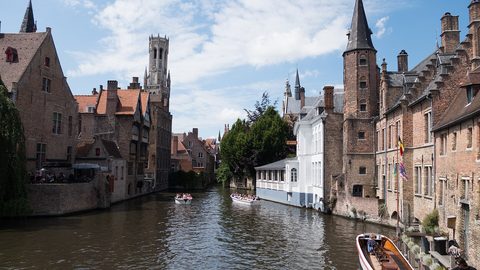 Best Time to Visit Belgium by Season Weather Festivals and Crowds
You are standing on a Ghent canal in July. The sky did not decide what to do this morning: it shifted from overcast to light rain to hazy sun before you finis
Best Time to Visit Belgium by Season Weather Festivals and Crowds
You are standing on a Ghent canal in July. The sky did not decide what to do this morning: it shifted from overcast to light rain to hazy sun before you finis
-
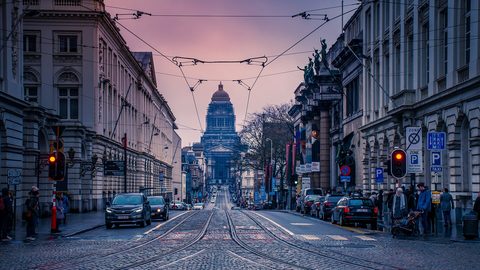 Getting Around Belgium by Train Bus and Tram Without Getting Lost at Stations
The single biggest friction in Belgian travel: the rail network is excellent, but stop names are in Dutch in Flanders and French in the south, and the two
Getting Around Belgium by Train Bus and Tram Without Getting Lost at Stations
The single biggest friction in Belgian travel: the rail network is excellent, but stop names are in Dutch in Flanders and French in the south, and the two
-
 Belgium Visa Requirements for Short Trips and Schengen Rules Explained
Belgium sits inside the Schengen Area. That single fact decides everything about entry requirements.
Belgium Visa Requirements for Short Trips and Schengen Rules Explained
Belgium sits inside the Schengen Area. That single fact decides everything about entry requirements.
-
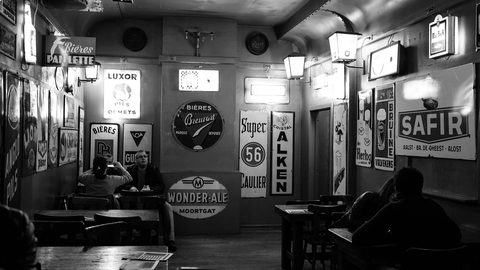 Money in Belgium How Euros Cards and Cash Actually Work Day to Day
The most common mistake is thinking the whole country works like the capital. It does not.
Money in Belgium How Euros Cards and Cash Actually Work Day to Day
The most common mistake is thinking the whole country works like the capital. It does not.
-
 Is Belgium Safe Reading Travel Advice Without the Overblown Warnings
You are standing in line at a frites stand on the Grand Place, phone in one hand, wallet in your back pocket, bag slung open behind you.
Is Belgium Safe Reading Travel Advice Without the Overblown Warnings
You are standing in line at a frites stand on the Grand Place, phone in one hand, wallet in your back pocket, bag slung open behind you.
-
 A Ground-Level Logistics Guide to Independent Travel in China
First-time independent travel in China: what you need to know about visas, rail booking, eSIMs, mobile payments, and power adapters.
A Ground-Level Logistics Guide to Independent Travel in China
First-time independent travel in China: what you need to know about visas, rail booking, eSIMs, mobile payments, and power adapters.
-
 How Solo Travelers Stay Ahead of Flight Delays and Cancellations
How solo travelers can track inbound aircraft, claim rebooking rights, and adjust ground transport when flights go wrong — step by step.
How Solo Travelers Stay Ahead of Flight Delays and Cancellations
How solo travelers can track inbound aircraft, claim rebooking rights, and adjust ground transport when flights go wrong — step by step.
-
 Why Your eSIM Might Not Work Abroad and How to Check Before You Go
Buying an eSIM doesn't guarantee signal abroad. Learn why coverage fails by location and how to verify reach before you commit to a plan.
Why Your eSIM Might Not Work Abroad and How to Check Before You Go
Buying an eSIM doesn't guarantee signal abroad. Learn why coverage fails by location and how to verify reach before you commit to a plan.