Using Money in the United Kingdom When Cards and Cash Collide
How to pay for things in the United Kingdom: pound sterling, contactless cards, where cash still wins, and why Scottish banknotes confuse English shopkeepers.
The United Kingdom does not run on cash. Contactless payment is near universal. Carrying more than a thin fold of notes marks you as a tourist before you say a word. The real question is where that rule breaks down, which notes you can actually spend where, and what you tip. The answers vary by nation, by pub, and by whether the card machine in a Lake District car park has signal.
Pound Sterling Travel Tips: What the Notes Actually Look Like and Who Takes Them
The currency is pound sterling, symbol £, ISO code GBP. One pound is 100 pence. Bank of England notes are valid everywhere in England, Wales, Scotland and Northern Ireland. The notes are polymer now, which means they survive a wash cycle. The redesign shows the monarch on one side and a historical figure on the other: Jane Austen on the £10, JMW Turner on the £20, Alan Turing on the £50.
Scottish Banknotes Explained
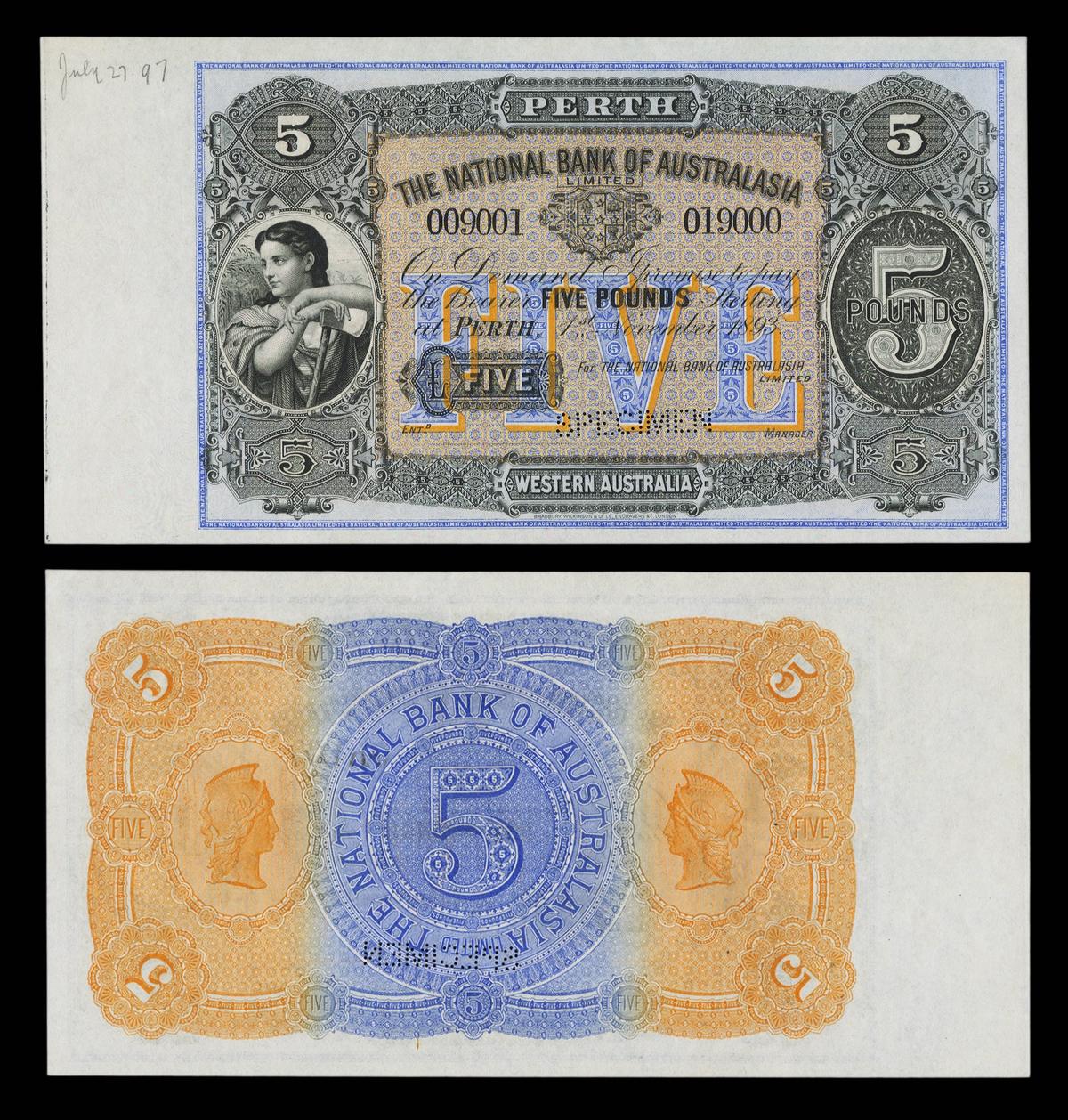
Three Scottish banks issue their own notes: Bank of Scotland, Royal Bank of Scotland and Clydesdale Bank. They are legal currency in Scotland. They are not legal tender in England, though most English shops, pubs and restaurants will accept them. Not all, and you have no recourse if a shopkeeper in London or Manchester refuses a Scottish £20. Carry Bank of England notes once you cross the border south. The same rule applies to Northern Irish notes issued by Danske Bank, Ulster Bank and Bank of Ireland: fine in Belfast, refused in Edinburgh. ATMs in England dispense only Bank of England notes. If you withdraw cash in Scotland, check which bank's notes the machine gives you before you pocket them.

Contactless Payment UK Guide: the Limit, the Exceptions and the Failure Case
Every shop, pub, cafe, museum, taxi and train ticket machine in the country accepts contactless cards and mobile wallets. The contactless limit is set by UK Finance and revised periodically; check the UK Finance website for the current figure. You tap your card or phone on the reader, hear the beep, walk away. No signature, no PIN for purchases under that threshold. This works on London buses, on the Tube, on most trains, and at small retailers from Land's End to John o' Groats.
Where It Still Fails
Rural pubs in Devon and Cornwall lose card machine signal mid afternoon. The barman will wave you toward the nearest ATM, which may be a private machine charging a flat fee per withdrawal, or may be three miles away. Pay and display car parks in the Lake District and the Yorkshire Dales still take coins only. The machine does not give change. Beach kiosks in Cornwall and the Gower Peninsula run on cash only during August, when the mobile data network is overloaded. The rule: if you plan to park anywhere in a national park, carry a handful of pound coins. If you plan to buy a pasty on a Cornish beach, carry a £10 note.
UK Cash vs Card: Why You Should Carry Some but Almost Never Use it
Card payments account for the majority of transactions in the UK, including small purchases like a coffee or a newspaper. Cash use declines every year. The LINK network runs most free ATMs, and domestic cards withdraw without a fee. Private ATMs in corner shops, petrol stations and tourist venues charge a fixed fee, displayed on the screen before you confirm. Always decline dynamic currency conversion (DCC) at both ATMs and point of sale terminals. The DCC rate is set by the ATM operator or the merchant's acquirer and is worse than your card network's rate. Choose to be charged in pounds, not your home currency.
Keep a modest float in mixed notes and coins for the exceptions listed above. Do not carry more. A wallet stuffed with notes screams tourist, and large notes are hard to spend: many shops refuse £50 notes due to forgery fears, and a taxi driver will not have change for one at 2am.
Tipping in Britain Customs: Exact Numbers and When to Skip it
Tipping is narrower and less automatic than in the United States. In restaurants, look at the bill before you add anything. A service charge of 10 to 15 percent is often included. If it is, you tip nothing extra. If no service charge appears, leave 10 to 12.5 percent at your discretion. The service charge is discretionary by UK law: you can ask for it to be removed if the service was poor, and the restaurant must comply.
Pubs, Taxis and Hotels
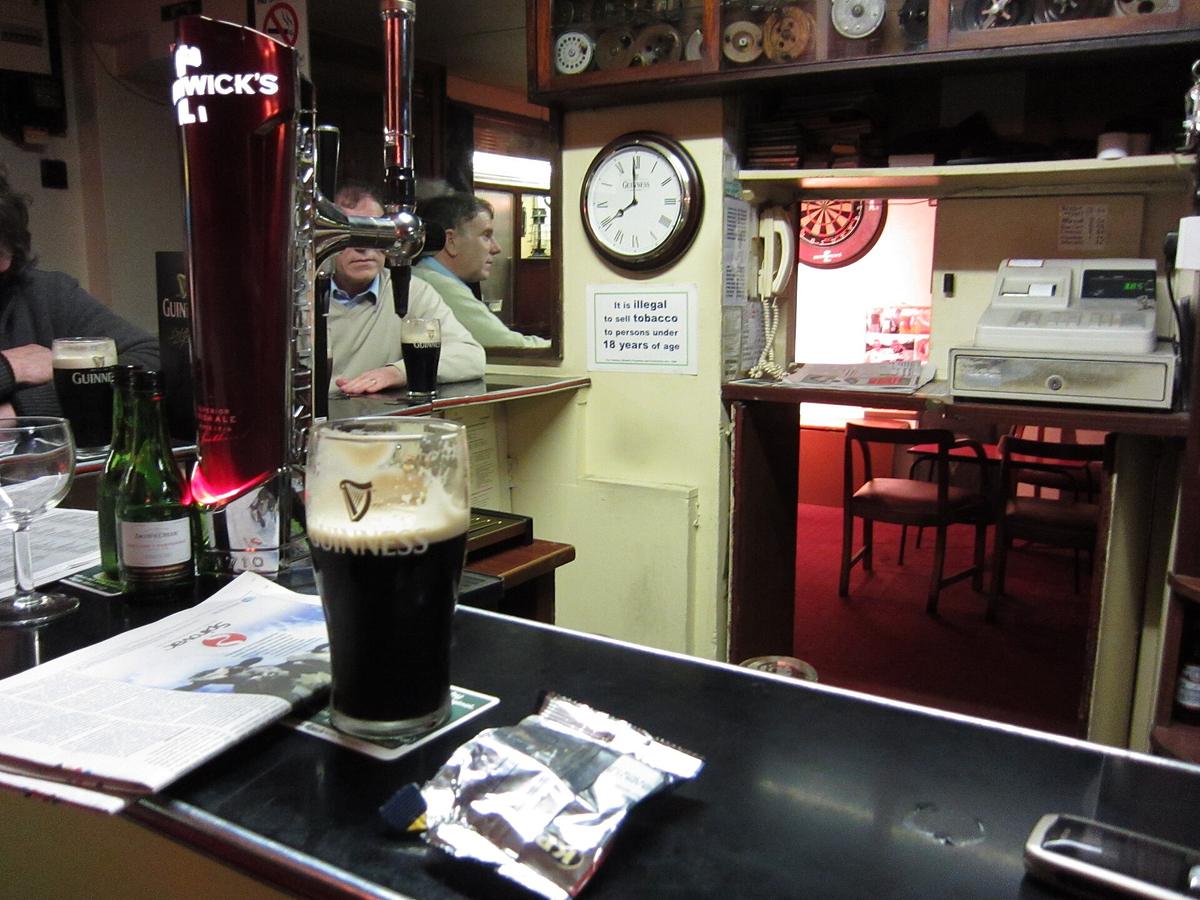
Tipping in pubs when ordering at the bar is not customary. If someone brings table service to you, a pound or two is fine. For taxis, rounding up to the nearest pound or adding 10 percent is common. Hotel porters and housekeeping are tipped at your discretion; there is no fixed norm. In cafes and casual dining, tip jars sit by the till. No one expects you to use them.

ATMs, Fees and the Failure Case at 1am
You need cash after midnight in a city that is not London. Most free ATMs are inside bank branches that close at 5pm. The ATM on the high street outside the bank may be free, or it may be a private operator charging a fee. The screen tells you before you enter your PIN. If you are in a rural village after dark, the only ATM may be inside the local shop's wall, lit by a single bulb, dispensing only £20 notes and charging a fee. The universal workaround: carry a backup £20 note in a separate pocket from your wallet. Do not rely on card alone when the pub is about to close and the taxi driver only takes cash.
Common Questions
Can I use my foreign debit card everywhere in the UK?
Yes, at any retailer that displays Visa, Mastercard, American Express or Maestro logos. Amex is accepted at most hotels and larger chains but rejected by some small shops and rural pubs. Always choose to pay in pounds sterling, not your home currency, to avoid DCC fees.
Are Scottish banknotes worth less than English ones?
No. A Scottish £20 and an English £20 both equal 20 pounds sterling. The problem is acceptance: some English businesses refuse Scottish notes because their staff do not recognise them. Exchange Scottish notes for English ones at any bank or Post Office before you travel south.
Do I need to tip in a pub?
No, when ordering at the bar. If you receive table service, a pound or two is a polite gesture. Do not feel obligated to tip for a pint you carried yourself.
Is there a fee for using an ATM in the UK?
Most ATMs run by LINK are free for domestic cards. Private ATMs in convenience stores, petrol stations and tourist venues charge a flat fee per withdrawal. The fee is displayed before you complete the transaction.
What happens if I try to pay with a £50 note?
Many shops, taxis and small businesses refuse £50 notes due to counterfeiting risk. A £50 note is best spent at a hotel, a department store or a bank. Do not rely on it for a small fish and chips order.
Read next
-
 Staying Connected in the United Kingdom with eSIM, Local SIM or Roaming
How to stay connected across the United Kingdom, where mobile signal vanishes in the Highlands, mid-Wales and Lake District valleys regardless of your network.
Staying Connected in the United Kingdom with eSIM, Local SIM or Roaming
How to stay connected across the United Kingdom, where mobile signal vanishes in the Highlands, mid-Wales and Lake District valleys regardless of your network.
-
 Best Time to Visit the United Kingdom by What You Actually Want From It
When to visit the United Kingdom and what each season actually delivers: unreliable weather year-round, summer crowds in national parks, and specific weeks to
Best Time to Visit the United Kingdom by What You Actually Want From It
When to visit the United Kingdom and what each season actually delivers: unreliable weather year-round, summer crowds in national parks, and specific weeks to
-
 Getting Around the United Kingdom When the Map Lies About Distance
Moving around the United Kingdom by train, car and coach: why rail fares punish last-minute booking, and what the road map does not tell you about journey times.
Getting Around the United Kingdom When the Map Lies About Distance
Moving around the United Kingdom by train, car and coach: why rail fares punish last-minute booking, and what the road map does not tell you about journey times.
-
 United Kingdom Visa and ETA Rules Without the Government Jargon
Who needs a visa or ETA for the United Kingdom, how the application process runs, and what to expect at the border e-gate.
United Kingdom Visa and ETA Rules Without the Government Jargon
Who needs a visa or ETA for the United Kingdom, how the application process runs, and what to expect at the border e-gate.
-
 United Kingdom Safety Advice Without the Overblown Warnings
Reading safety advice about the United Kingdom without being misled by it: real risks like phone-snatching and rip currents versus exaggerated fears about
United Kingdom Safety Advice Without the Overblown Warnings
Reading safety advice about the United Kingdom without being misled by it: real risks like phone-snatching and rip currents versus exaggerated fears about
-
What a Trip to the United Kingdom Actually Costs and Where the Money Goes
Understand where your money goes on a United Kingdom trip, from the non-negotiable big spends to the choices that genuinely shift the total.
-
 A Ground-Level Logistics Guide to Independent Travel in China
First-time independent travel in China: what you need to know about visas, rail booking, eSIMs, mobile payments, and power adapters.
A Ground-Level Logistics Guide to Independent Travel in China
First-time independent travel in China: what you need to know about visas, rail booking, eSIMs, mobile payments, and power adapters.
-
 How Solo Travelers Stay Ahead of Flight Delays and Cancellations
How solo travelers can track inbound aircraft, claim rebooking rights, and adjust ground transport when flights go wrong — step by step.
How Solo Travelers Stay Ahead of Flight Delays and Cancellations
How solo travelers can track inbound aircraft, claim rebooking rights, and adjust ground transport when flights go wrong — step by step.
-
 Why Your eSIM Might Not Work Abroad and How to Check Before You Go
Buying an eSIM doesn't guarantee signal abroad. Learn why coverage fails by location and how to verify reach before you commit to a plan.
Why Your eSIM Might Not Work Abroad and How to Check Before You Go
Buying an eSIM doesn't guarantee signal abroad. Learn why coverage fails by location and how to verify reach before you commit to a plan.