Iran, Where Persian Architecture and Daily Reality Meet
Iran is a vast plateau of monumental Persian architecture and genuine hospitality, shaped by cash-only payments, dress codes, and blocked internet.
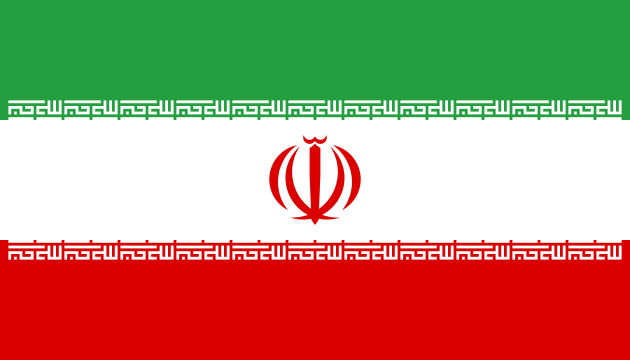
- Flag
-
- ISO code
- IR
- Population
- 81,800,269
- Currency
- IRR
- Dial code
- +98
Iran, Where Persian Architecture and Daily Reality Meet
Carry all your money in cash. No foreign payment cards work anywhere in Iran. No ATM will dispense rials against a Visa, Mastercard, or Amex issued outside the country. Every hotel booking, every VIP bus ticket, every meal, every carpet you consider buying in the bazaar is settled with a stack of banknotes or a mobile payment app that only a local bank account can fund. That single constraint shapes every day of any trip here, and it is the first fact any serious guide should state flatly. Plan for it before you arrive: pristine US dollars or euros exchanged at licensed sarrafi shops, and a mental budget that accounts for the gap between the official rate and the parallel market rate you will actually get.
- Capital: Tehran
- Area: 1,648,195 km²
- Population (2024 est.): 85.9 million (Statistical Centre of Iran)
- Official Language: Persian (Farsi)
- Currency: Iranian rial (IRR); 1 toman = 10 rials
- Cash Dependency: Near-total for foreign visitors; no Visa, Mastercard, or Amex accepted
- Local SIMs: Irancell or Hamrah-e Aval; passport registration required
- Dress Code: Women: mandatory hijab, loose clothing covering arms and legs. Men: long trousers, short sleeves tolerated.
- Alcohol: Prohibited; no bars, pubs, or licensed sales
- Visa Requirement: Required for most nationalities; visa-on-arrival at major airports for ~180 countries
- Entry Ban: Israeli passport holders; passports with Israel stamps or travel evidence
- Minimum Days: 14 for the classic central loop (Tehran, Shiraz, Yazd, Isfahan)
Iran Travel Requirements: What You Need Before You Land
The visa system splits into two tracks. Citizens of roughly 180 countries can obtain a visa on arrival at Tehran Imam Khomeini (IKA), Shiraz Shahid Dastgheib (SYZ), Isfahan (IFN), Tabriz (TBZ), Mashhad Hashemi Nejad (MHD), and the airfields on Kish and Qeshm islands. You pay the fee in euros, produce a passport with at least six months of validity, show proof of travel insurance that specifically covers Iran, and receive a 30 day stamp. Nationals of the United States, the United Kingdom, and Canada cannot use this process. They must apply in advance through an embassy or consulate, a slower route that requires a booked tour or an official sponsor.
Your passport must show no evidence of travel to Israel. Customs checks for this. An Israeli stamp, a visa for Israel from a neighbouring country, or even an entry stamp from Jordan or Egypt that raises suspicion can result in refusal at the border. Dual nationals face a separate risk: Iran does not recognise dual nationality. If you hold a local passport alongside another, authorities treat you solely as an Iranian citizen, which limits consular access from your other country. Several governments including the US, UK, Canada, and Australia maintain Level 4 or equivalent advisories against all travel. Read those advisories before you book anything, and check whether your travel insurance policy excludes Iran.

Iran Trip Planning: Route, Season, and the Trap of the 10 Day Itinerary
The single most common mistake is trying to see too much in too few days. Iran covers 1,648,195 km², a land area larger than Alaska. A two week trip can handle the classic central loop: Tehran, Shiraz, Yazd, and Isfahan, with a detour to Kashan or Kerman. Add Persepolis as a day trip from Shiraz. That fills fourteen days without spending every second night on an overnight VIP bus. Adding the Caspian coast, Qeshm Island, Tabriz, or the Kurdish region requires a separate trip. The overnight bus network is comfortable, with reclining seats and snacks comparable to a business class airline seat, but the terminals are far from city centres, and a secondary Snapp taxi ride adds an hour each way.
When to Go And When to Stay Home
Peak season runs March to May, driven by Nowruz, the New Year that begins on the vernal equinox around 20 or 21 March. During the two week Nowruz holiday, domestic travel surges, hotels in Isfahan and Shiraz book solid, and prices triple. Arrive during Nowruz without every bed and bus ticket pre booked months in advance, and you will struggle. The alternate peak is autumn, October and November, when temperatures moderate across the central plateau and skies stay clear. Avoid the month of Ramadan, which shifts annually on the Islamic lunar calendar. During Ramadan, eating, drinking, and smoking in public during daylight is prohibited, many sites close early, and the rhythm of daily life slows. Winter, from December to February, brings cold and snow to the north and west, mild weather to the Gulf islands, and severe air pollution inversions in Tehran and Mashhad.
Booking In A Cash Only Country
Online booking platforms have limited reach. Many mid range and boutique hotels accept reservations only through direct contact, a phone call, or a local travel agency. Booking sites that list hotels often carry outdated prices or sold out rooms. The safest route for the first two nights is to book through a reputable tour operator who can also arrange your compulsory travel insurance. Once you are on the ground, hotel reception desks and travel agents can book onward stays. The calendar is solar Hijri, and some hotel booking sites default to it, so double check that the date you are selecting corresponds to the correct Gregorian day.
| Region | Key City | Minimum Stay | Traveller Character |
|---|---|---|---|
| Tehran & Central Plateau | Tehran, Kashan | 3-4 days | Chaotic capital, bureaucratic gateway, traffic, museums |
| Isfahan & Central Iran | Isfahan, Yazd | 4-5 days | Safavid architecture, desert cities, windcatchers |
| Shiraz & Southern Iran | Shiraz, Persepolis | 3-4 days | Achaemenid archaeology, garden tombs, poetic heartland |
| Persian Gulf Coast & Islands | Qeshm, Kish | 3-5 days | Relaxed dress code, geological parks, extreme summer humidity |
| Caspian Coast & North | Rasht, Masuleh | 2-3 days | Subtropical forests, stepped villages, high rainfall |
| Northwest Iran | Tabriz | 3-4 days | Azeri Turkish culture, mountain terrain, cool summers |
| Northeast Iran | Mashhad | 2-3 days | Shia pilgrimage centre, restricted shrine access |
| Western Iran | Kermanshah | 3-4 days | Kurdish culture, pre Islamic rock reliefs, limited tourist infrastructure |
| Southeast Iran | Kerman, Bam | 3-5 days | Lut Desert margins, extreme summer temperatures, border advisories |
Travel to Iran Independently: How the Constraints Shape Your Day
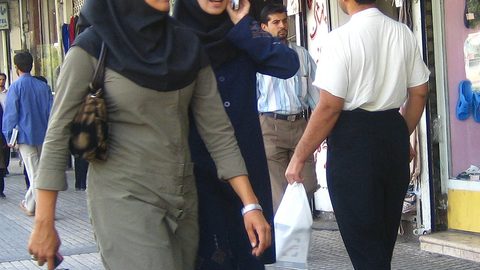
Independent travel is possible, but the constraints are structural and non negotiable. You cannot shrug off the mandatory hijab. Women must wear a headscarf from the moment of landing, with arms and legs covered by loose clothing. Men must wear long trousers; shorts and sleeveless tops are not worn in public. Enforcement is stricter in Tehran, Mashhad, and the holy city of Qom. It is looser on the free trade islands of Kish and Qeshm. But the baseline rule applies everywhere. Women travelling alone are legally permitted and culturally unusual in rural areas. Prepare for persistent verbal attention in public spaces.
The Internet You Will Actually Get
The internet you rely on will not behave as it does at home. Facebook, X, YouTube, and many news sites are blocked. Install a VPN before departure, since VPN download sites are also filtered. WhatsApp and Instagram were accessible without one as of 2024, but that status can change. Buy a local SIM card from Irancell or Hamrah-e Aval at the airport using your passport. Registration is valid for 30 days and extendable. Google Maps works but may lack live traffic data; the local navigation app Neshan provides better routing in the local language.
Practical Realities
Toilets outside standard hotels are almost exclusively squat style. Carry your own toilet paper and hand sanitiser. The tap water in Tehran and major cities is safe, but most visitors buy bottled water. Electricity runs at 220 V and 50 Hz with Type C and Type F plugs. Bring a universal adapter and a power bank, though spare lithium batteries and large power banks may be confiscated at security.
Iran Practical Information: Getting Around and Paying for it
You will move between cities on VIP overnight buses. These are comfortable long haul coaches operated by private companies, with reclining seats, snacks, and legroom comparable to business class airline seats. Pay in rial cash at the terminal. The main friction point is that bus terminals such as Terminal e Gharb and Terminal e Jonub in Tehran sit far from city centres. Budget for a Snapp taxi ride to and from each terminal. Snapp and Tapsi are the dominant ride hailing apps, with local language interfaces. A taxi from IKA to central Tehran takes 45 to 75 minutes. A taxi from Shiraz to the city centre is short and cheap.
Domestic flights connect all provincial capitals. Iran Air, Mahan Air, Aseman Airlines, and Iran Airtour operate the major routes, with multiple daily flights on Tehran to Mashhad, Tehran to Shiraz, and Tehran to Isfahan. The rail network is state owned, with overnight train routes from Tehran to Mashhad, Tabriz, Shiraz, Yazd, and Kerman. The metro systems in Tehran, Mashhad, Shiraz, Tabriz, and Isfahan are functional, cheap, and useful for reaching bus terminals without a taxi.
You cannot rely on Google Maps for live traffic in Tehran. Use Neshan. The road network between major cities is well maintained, but driving yourself is impractical for a short trip because an International Driving Permit is not recognised and foreign nationals need a local licence or a Carnet de Passage for their own vehicle. Fuel is heavily subsidised and among the cheapest globally. That is irrelevant to you because you are not renting a car.

What Iran is Actually Like: Hospitality, Architecture, and the Gap Between Rhetoric and Reality
Iran is a high altitude plateau of monumental architecture and a scale of hospitality that can feel overwhelming. Strangers invite you for tea. Shopkeepers refuse payment for a glass of water. A family at a rest stop may insist you share their lunch. That warmth is not a performance for tourists; it is woven into the social fabric. It coexists with a political system that censors the internet, enforces a strict dress code, and criminalises LGBTQ+ identity. The gap between official rhetoric and daily life is immediate. A woman who wears her hijab loosely in Tehran will tighten it before walking past a Basij checkpoint. A shopkeeper will offer you a beer from under the counter while keeping the front of his shop dry. Understanding that gap is essential to reading the country correctly. You are not being lied to. You are being shown two layers of the same reality.
The Architecture You Came For
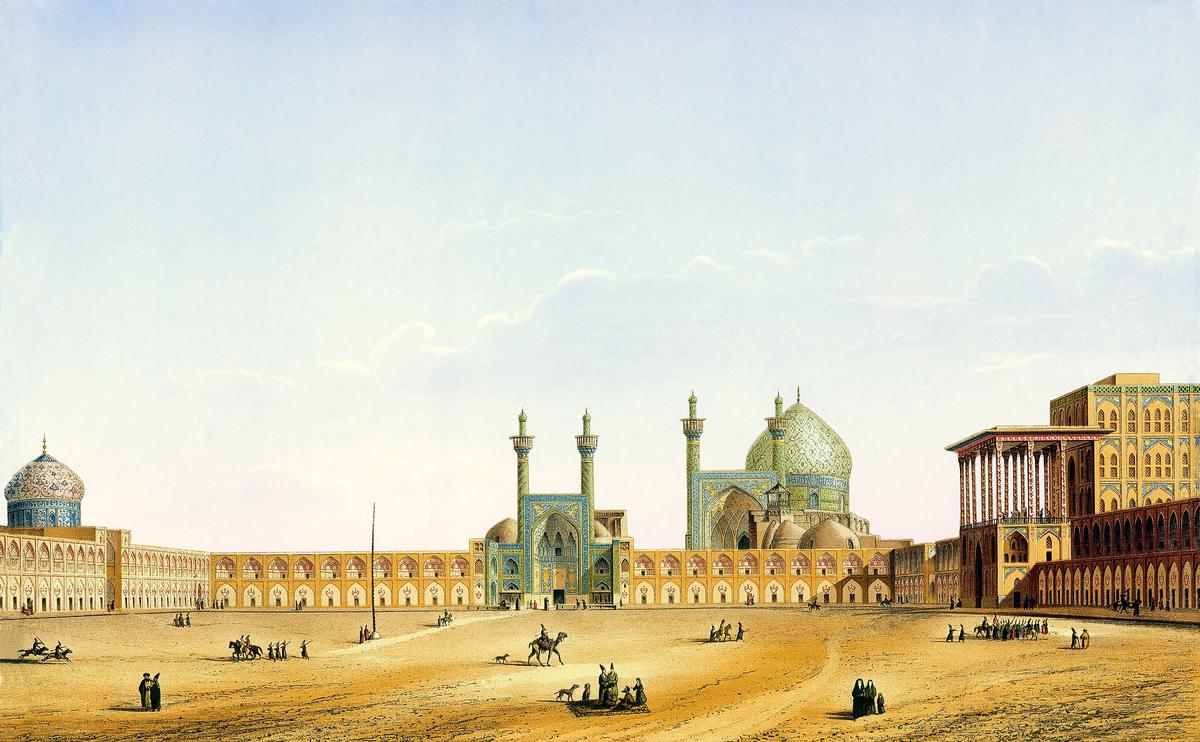
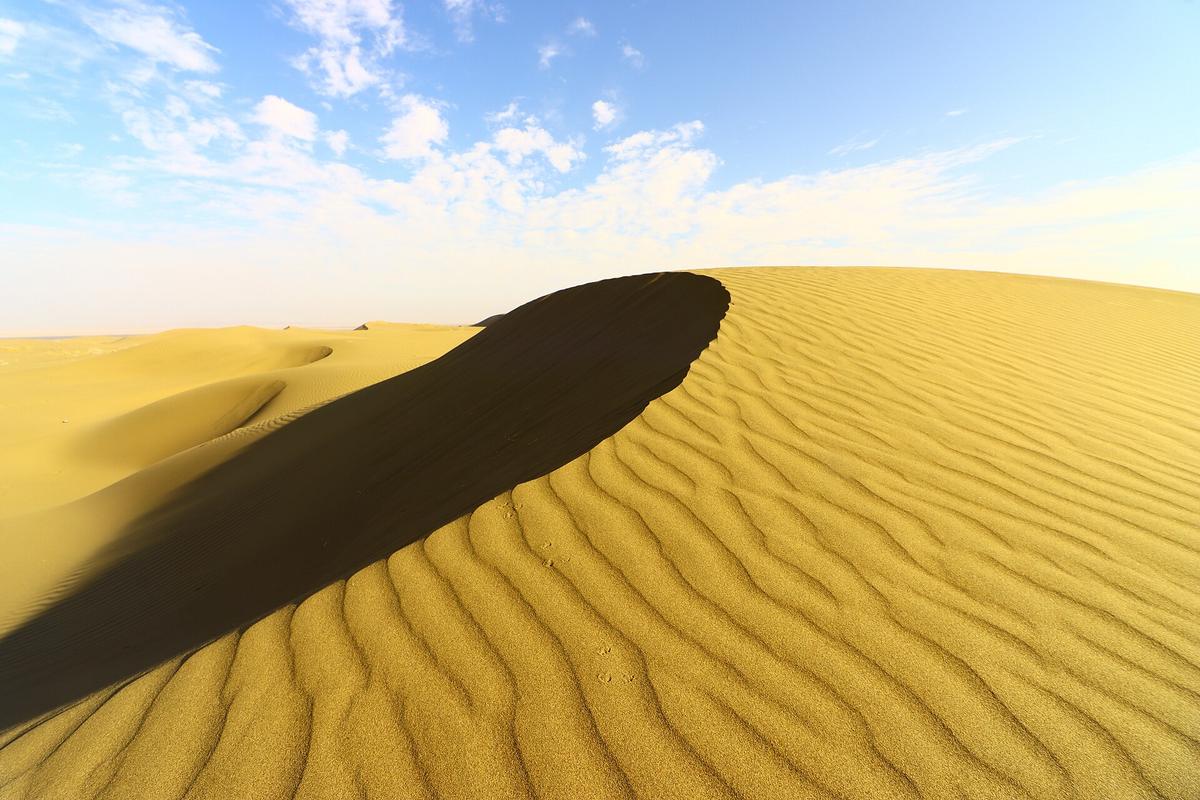
The architecture is the reason most travellers come. Naqsh e Jahan Square in Isfahan is the world's second largest plaza, ringed by blue tiled mosques. The Sheikh Lotfollah Mosque shifts from cream to pink across the day. At Persepolis, the Achaemenid staircases and reliefs stand exposed to the sun with no shade; arrive at 7 AM and leave by 10. The Nasir al Mulk Mosque in Shiraz, known as the Pink Mosque, is a stained glass kaleidoscope best seen at 8 AM when the light hits the inner alcove. The Kaluts near Kerman are giant sand carved formations best visited at sunrise, when the low angle light reveals the texture of the eroded Yardang formations. The Towers of Silence in Yazd sit on a desert ridge, Zoroastrian burial platforms that reward a late afternoon visit when the heat drops.
What To Eat, What To Skip
Dizi arrives as a stone pot of lamb, chickpea, and potato stew. Drink the broth first, then pound the solids into a paste with a wooden pestle. Fesenjan is a slow cooked walnut and pomegranate molasses stew with duck or chicken, a hallmark of the Caspian region. Tahdig is the scorched crispy rice crust from the bottom of the pot, served with a stew. It is the prized communal dish you should not let others finish. Ash e Reshteh is a thick herb, bean, and noodle soup ubiquitous in winter. Kebab Torsh from the north uses a sour pomegranate marinade distinct from the standard saffron kebab. Bastani Sonnati is saffron ice cream with frozen cream chunks, found in ice shops in Shiraz and Isfahan. Eat wherever you see a queue of local families. Do not eat at the tourist oriented restaurants on the main square in Isfahan. They are overpriced and the food is reheated.
Who Iran Suits and Who it Does Not
Iran suits intrepid cultural travellers who prioritise history and architecture over nightlife. It suits solo women prepared for the mandatory hijab and separate social protocols. It suits overland travellers connecting South Asia to Europe. It suits photographers seeking empty monumental desert cities and mountain villages where the light does the work.
Iran does not suit unfiltered party seekers. Alcohol is illegal. There is no nightclub scene. It does not suit Israeli passport holders, who are banned from entry. It does not suit anyone unwilling to adapt to a strictly enforced dress code and the complete absence of foreign credit card networks. If you cannot tolerate squat toilets, blocked websites, and a country where every transaction requires a wad of cash, choose another destination. If you can, the reward is an encounter with a civilisation that operated at a monumental scale while the rest of the world was still building in timber, and a population that will treat you as a guest long after you have stopped expecting it.
Common Questions
Can I use my credit card in Iran?
No. Visa, Mastercard, and Amex networks are disconnected from the banking system. Foreign issued debit and credit cards do not work at point of sale or ATMs. You must carry all funds in cash, preferably pristine US dollars or euros, and exchange them at licensed sarrafi shops or informally. Some tour operators can issue prepaid local debit cards through the Shetab domestic network, but this requires advance arrangement.
Is it safe for a woman to travel alone in Iran?
Legally, yes. Culturally, it is unusual in rural areas. Women report persistent verbal attention in public spaces, which is a factor to prepare for mentally rather than a safety emergency. The mandatory hijab and separate social protocols are enforced at all times. Accommodation staff and restaurant workers are protective of solo female travellers. The tourist police exist in major cities, though English speaking officers are limited.
Do I need a visa on arrival, and how much does it cost?
Citizens of roughly 180 countries can obtain a 30 day visa on arrival at major airports including IKA, Shiraz, Isfahan, Tabriz, Mashhad, Kish, and Qeshm. Pay the fee in euros. You need a passport valid for at least six months, proof of travel insurance that covers Iran, and a return ticket. US, UK, and Canadian nationals must apply in advance through an embassy or consulate and need a booked tour or sponsor.
What is the dress code for tourists?
Women must wear a headscarf (hijab) in public, with arms and legs covered and a loose tunic or coat reaching to at least mid thigh. Men must wear long trousers. Short sleeves are tolerated for men; sleeveless tops and shorts are not worn. Enforcement is stricter in Tehran, Mashhad, and Qom, looser on Kish and Qeshm islands. The code applies from the moment of landing.
Can I drink alcohol in Iran?
No. Alcohol is prohibited. There are no bars, pubs, or licensed sales. An illicit market exists, but possession and consumption carry penalties including fines and imprisonment. There is no nightclub scene. This is not a destination for party seeking travellers.
Which websites are blocked in Iran?
Facebook, X (formerly Twitter), YouTube, and many news sites are blocked by default. VPN download sites are also filtered, so you must install a VPN on your phone and laptop before you arrive. WhatsApp and Instagram were accessible without a VPN as of 2024, but this can change. Buy a local SIM card from Irancell or Hamrah e Aval at the airport for data.
How many days do I need for Iran?
Minimum 14 days to cover the classic central loop of Tehran, Shiraz, Yazd, and Isfahan without spending every other night on a bus. A 10 day trip forces you to skip either Yazd or Persepolis, which is a poor trade. Adding the Caspian coast, the Gulf islands, Tabriz, or the Kurdish region requires three weeks or more.
Read next
-
 Staying Connected in Iran Without Expensive Roaming
Why a physical Irancell or Hamrah-e Aval SIM registered with your passport is the only real data option in Iran, and why your VPN must be installed before landing.
Staying Connected in Iran Without Expensive Roaming
Why a physical Irancell or Hamrah-e Aval SIM registered with your passport is the only real data option in Iran, and why your VPN must be installed before landing.
-
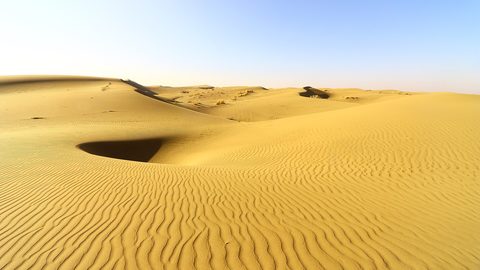 Best Time to Visit Iran for Persian Sites and Desert Cities
March to May is peak season in Iran, but Nowruz brings triple prices and sold-out hotels. Autumn is the best shoulder window for fewer crowds.
Best Time to Visit Iran for Persian Sites and Desert Cities
March to May is peak season in Iran, but Nowruz brings triple prices and sold-out hotels. Autumn is the best shoulder window for fewer crowds.
-
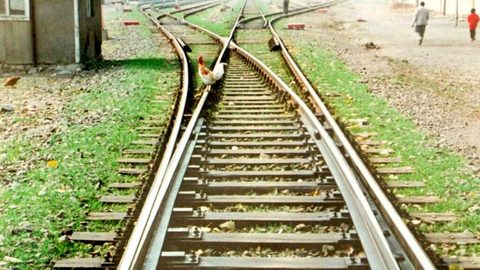 Getting Around Iran by VIP Bus Train and Snapp Taxi
Iran's VIP overnight buses connect major cities, but terminals sit far from centres, and you need cash plus a Snapp taxi to make the system work.
Getting Around Iran by VIP Bus Train and Snapp Taxi
Iran's VIP overnight buses connect major cities, but terminals sit far from centres, and you need cash plus a Snapp taxi to make the system work.
-
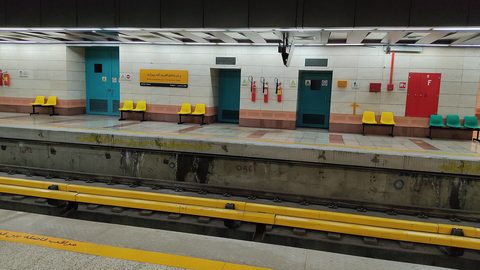 Iran Visa Rules for British American and Canadian Passport Holders
Iran visa rules vary sharply by nationality. US, UK, and Canadian citizens need an authorised guide, while many others can get visa-on-arrival at IKA.
Iran Visa Rules for British American and Canadian Passport Holders
Iran visa rules vary sharply by nationality. US, UK, and Canadian citizens need an authorised guide, while many others can get visa-on-arrival at IKA.
-
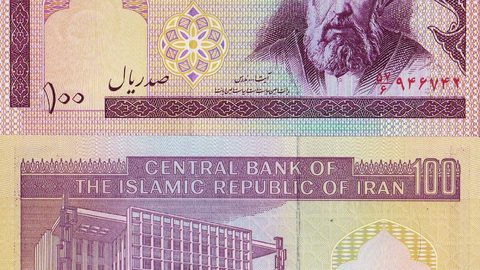 How to Pay for Things in Iran Without International Cards
No international cards work in Iran. You must carry pristine US dollars or euros and exchange them at licensed shops for Iranian rials.
How to Pay for Things in Iran Without International Cards
No international cards work in Iran. You must carry pristine US dollars or euros and exchange them at licensed shops for Iranian rials.
-
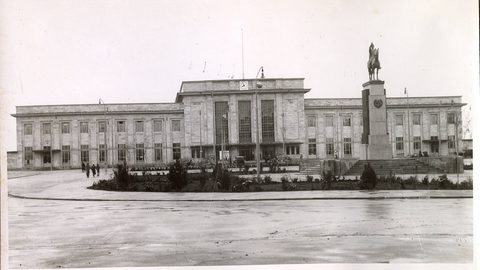 Is Iran Safe to Visit as an Independent Traveller
Iran's streets are generally safe and welcoming, but photography restrictions, dress code enforcement, and geopolitical warnings shape the reality.
Is Iran Safe to Visit as an Independent Traveller
Iran's streets are generally safe and welcoming, but photography restrictions, dress code enforcement, and geopolitical warnings shape the reality.
-
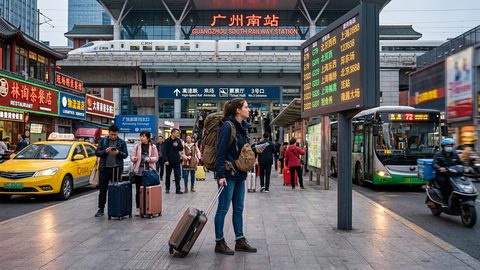 A Ground-Level Logistics Guide to Independent Travel in China
First-time independent travel in China: what you need to know about visas, rail booking, eSIMs, mobile payments, and power adapters.
A Ground-Level Logistics Guide to Independent Travel in China
First-time independent travel in China: what you need to know about visas, rail booking, eSIMs, mobile payments, and power adapters.
-
 How Solo Travelers Stay Ahead of Flight Delays and Cancellations
How solo travelers can track inbound aircraft, claim rebooking rights, and adjust ground transport when flights go wrong — step by step.
How Solo Travelers Stay Ahead of Flight Delays and Cancellations
How solo travelers can track inbound aircraft, claim rebooking rights, and adjust ground transport when flights go wrong — step by step.
-
 Why Your eSIM Might Not Work Abroad and How to Check Before You Go
Buying an eSIM doesn't guarantee signal abroad. Learn why coverage fails by location and how to verify reach before you commit to a plan.
Why Your eSIM Might Not Work Abroad and How to Check Before You Go
Buying an eSIM doesn't guarantee signal abroad. Learn why coverage fails by location and how to verify reach before you commit to a plan.