A Practical Guide to Australia Domestic Transport Options
Domestic flights connect Australia's cities; driving between them eats days. Local transit cards still require a separate purchase, and inland fuel stops are
Getting Around Australia, Why Flying is the Real Connective Tissue
The map lies. Driving Sydney to Perth is not a road trip, it is an expedition. Australia's domestic transport reality starts and ends with the flight network. A five hour flight replaces three days of relentless driving across the Nullarbor Plain. Fuel stations sit 200 km apart. Mobile coverage drops to nothing. First timers waste half their trip in transit because they treat the continent like a single road trip loop. Sydney to Cairns by road takes three weeks minimum, not a casual week long holiday. Fly between hubs. Rent a car for a single region.
Australia Domestic Flights Qantas Jetstar: the Hub and Spoke Reality
Qantas, Virgin Australia, and Jetstar operate the backbone of intercity travel. Sydney to Melbourne is the world's busiest domestic air route. Up to 150 combined daily flights run that corridor. Book a specific flight, not a flexible ticket. Check in 30 minutes before departure without checked baggage, or 45 minutes with it. Jetstar is the low cost carrier: no frills, strict baggage limits, and extra fees for seat selection. Qantas and Virgin Australia include a bag and a snack. Rex adds regional routes but covers fewer cities. For anything beyond a single state, book the flight. Treat the drive as the exception.
What The Flight Costs
Fares swing hard with season. December to February, peak Australian summer, triples prices. A Sydney to Melbourne flight that costs AUD 79 in May costs far more in late December. Book directly on the airline websites or through comparison aggregators. Flexible fares exist but cost significantly more. They are rarely worth it unless your dates are uncertain.The Failure Case
Last minute flights on peak dates sell out. The backup is long distance coach, Greyhound Australia, which runs between capitals. It adds 12 hours to a one hour flight. The coach is comfortable, with power outlets and a toilet. It is not fast.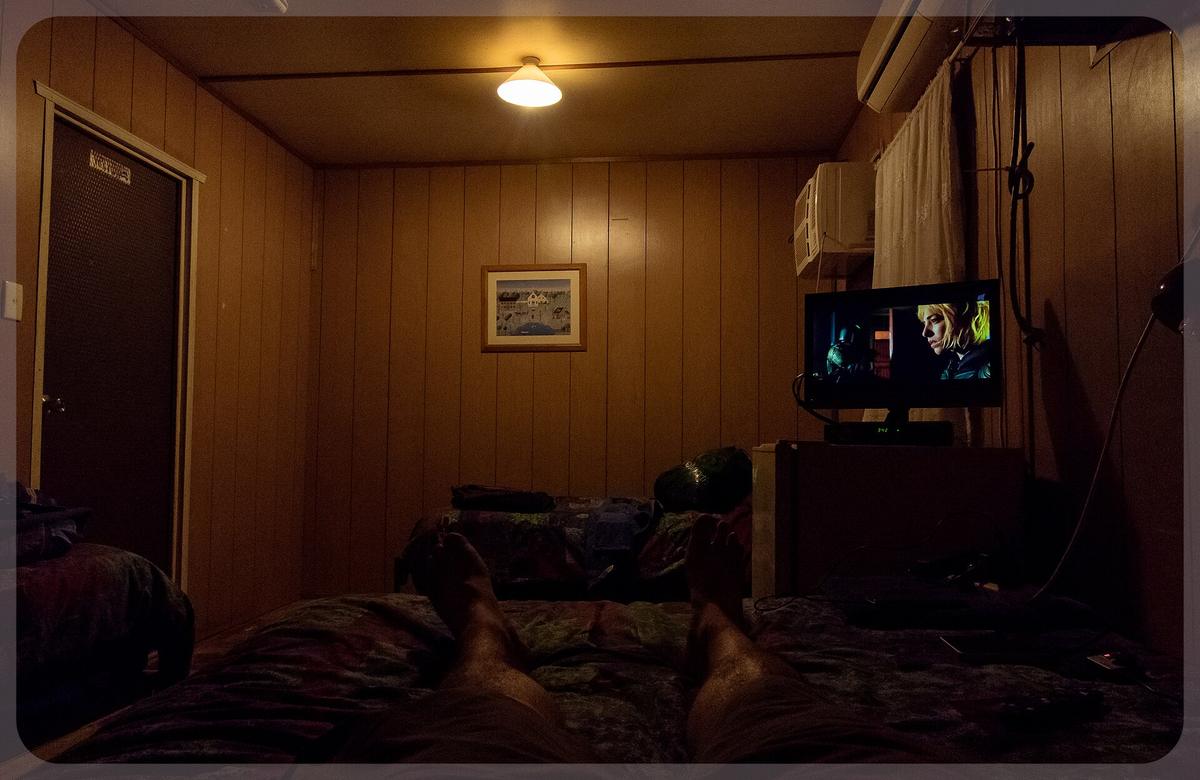

Driving Between Australian Cities: the Multi Day Commitment
A Sydney to Melbourne drive is 880 km, about nine hours without stops. Brisbane to Cairns is 1,700 km, 20 hours of driving time. Perth to Adelaide, the nearest capital city, is 2,700 km and takes 28 hours. This is not a casual day drive. It is a multi day commitment. Plan for fuel, food, and accommodation. Fuel stations on inland routes can be 200 to 300 km apart. Running out is a genuine survival risk, not an inconvenience. The default rural highway speed is 100 km/h, with 110 km/h on some highways and 130 km/h on sections of the Stuart Highway in the Northern Territory. Drive on the left. The national emergency number is 000. If your licence is not in English, get an International Driving Permit. Foreign licences are valid for up to three months, varying by state.
When Driving Makes Sense
Rent a car for a single region, not for crossing the continent. Tasmania, the Great Ocean Road, and the Red Centre are best explored by car. In remote areas, rental companies require a 4WD for unsealed roads. Minimum rental age is 21, with a surcharge for drivers under 25. The car comes with a Type I plug for charging devices: 230 V, three flat pins in a triangular arrangement.Australia Public Transport Cards Opal Myki: the Single Biggest Trip Up
You cannot tap a foreign bank card directly on most Australian public transport readers. Sydney uses the Opal card. Melbourne uses myki. Brisbane uses the go card. Perth uses SmartRider. Adelaide uses metroCARD. Arriving at a train station at 1am with no local card and no way to buy one is the failure case. Sydney and Brisbane accept contactless credit or debit cards on some readers. Melbourne does not. Melbourne requires a myki card or the mobile myki app on a phone with a local SIM. The single biggest trip up is assuming your overseas card works everywhere.
How To Fix It
Buy the local card at the airport train station or a convenience store. Top it up with cash or a local card. Sydney's T8 train from Kingsford Smith to Central Station costs about AUD 20 and takes 15 minutes. Melbourne's SkyBus to Southern Cross costs AUD 24 and takes 30 to 45 minutes. Brisbane's Airtrain costs AUD 22 and takes 20 minutes. Perth's train costs AUD 5 and takes 18 minutes. Once you have the local card, tap on and tap off for trains, trams, buses, and ferries. Failure to tap off charges you the maximum fare.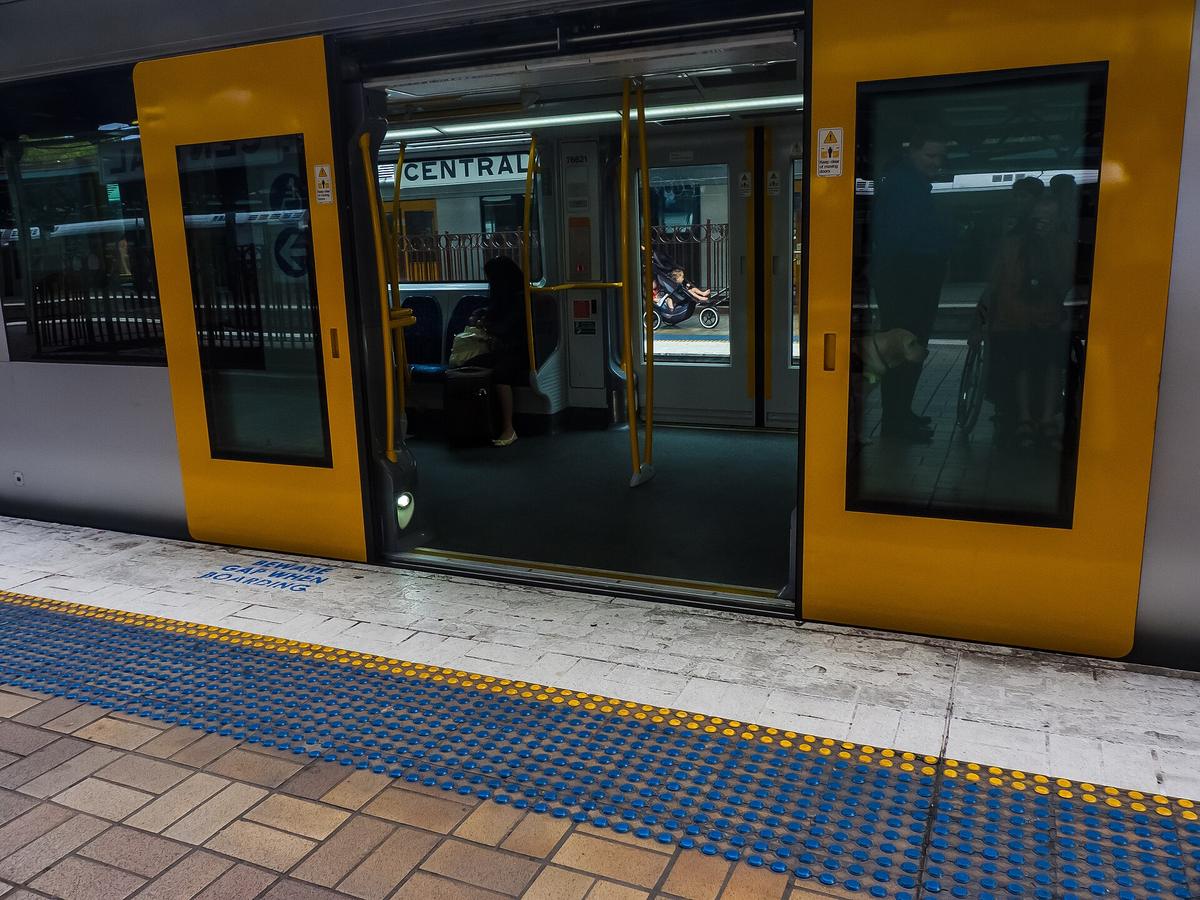

Australia Long Distance Train Journeys: Experiences, Not Transport
The Indian Pacific runs Sydney to Perth. The Ghan runs Adelaide to Darwin. The Great Southern runs Brisbane to Adelaide. The Overland runs Melbourne to Adelaide. These are privately operated by Journey Beyond. They are not a practical way to get from one city to another quickly. The Indian Pacific takes three nights. The Ghan takes two nights. The journey is the attraction: private cabins, fine dining, off train excursions. But it costs more than a flight and takes days longer. Book online direct from Journey Beyond. Dated to a specific departure, flexible fare classes cost extra. For moving between capitals, fly. For the experience of crossing the continent in a sleeper cabin, book The Ghan. Do not mistake one for the other.
State run rail services cover shorter corridors. NSW TrainLink runs Sydney to Melbourne and Brisbane. V/Line runs regional Victoria. Queensland Rail Travel runs Brisbane to Cairns. Transwa runs Western Australia. These are dated tickets, bookable online. They are slower than driving but cheaper than flying and more comfortable than a bus. Canberra has no direct passenger rail connection to the interstate network, only coach.
Common Questions
Can I use Apple Pay or Google Pay on Sydney trains and buses?
Yes, on Opal readers if the phone has a linked contactless card. But the card must be a recognised Australian or international credit or debit card, not a stored value account. Melbournes myki readers do not accept Apple Pay or Google Pay as a direct tap. You need the mobile myki app.
Is it safe to drive the Stuart Highway from Adelaide to Darwin?
Yes, if you prepare. Fuel stations are 200 km apart. Carry 20 litres of extra water, a satellite phone or personal locator device, and a paper map. Mobile coverage drops completely for long stretches. The highway is sealed, but road trains are common and pass at high speed.
Which airline is cheapest for domestic Australian flights?
Jetstar consistently has the lowest base fares, but charges for seat selection, checked baggage, and food. Qantas and Virgin Australia include a carry on bag, a checked bag, and a snack. Compare the total with Jetstar extras before booking. Rex is often competitive on regional routes not covered by the big three.
Do I need a visa to enter Australia as a tourist?
All foreign nationals except New Zealand citizens need a visa or Electronic Travel Authority (ETA). The ETA is available online through the Department of Home Affairs ImmiAccount for 35 plus nationalities including the UK, US, Canada, Japan, South Korea, and Singapore. Apply at least two weeks before departure. Visa applications require biometric data including facial image and fingerprints at designated collection centres.
Read next
-
 Staying Connected Across Australia eSIM and Local SIM Options
Choose between eSIM convenience and Telstra's unmatched Outback coverage—the connectivity decision that shapes your entire Australia trip.
Staying Connected Across Australia eSIM and Local SIM Options
Choose between eSIM convenience and Telstra's unmatched Outback coverage—the connectivity decision that shapes your entire Australia trip.
-
 Best Time to Visit Australia by Region and Season Reality
Australia's south runs on a four-season calendar opposite the northern hemisphere, while the tropical north operates on wet and dry.
Best Time to Visit Australia by Region and Season Reality
Australia's south runs on a four-season calendar opposite the northern hemisphere, while the tropical north operates on wet and dry.
-
 Australia Visa Requirements and the ETA Process Most Visitors Need
Australia has no visa-on-arrival. Every visitor needs electronic authorisation before boarding, and the ETA app is the only official channel for most passport
Australia Visa Requirements and the ETA Process Most Visitors Need
Australia has no visa-on-arrival. Every visitor needs electronic authorisation before boarding, and the ETA app is the only official channel for most passport
-
 Paying for Things in Australia, Cards, Cash and When Surcharges Appear
Australia runs on contactless cards, but public holiday surcharges of 10-15% catch visitors off guard.
Paying for Things in Australia, Cards, Cash and When Surcharges Appear
Australia runs on contactless cards, but public holiday surcharges of 10-15% catch visitors off guard.
-
 Australia Safety Advice Without the Hype, Sun, Surf and Distance Risks
The real risks in Australia are sunburn in 15 minutes, rip currents at unpatrolled beaches, and running out of fuel inland.
Australia Safety Advice Without the Hype, Sun, Surf and Distance Risks
The real risks in Australia are sunburn in 15 minutes, rip currents at unpatrolled beaches, and running out of fuel inland.
-
 What a Trip to Australia Costs Without the Spreadsheet
Understand the structural costs of an Australia trip—distance, accommodation tiers, seasonal swings, and non-negotiable pre-booked expenses—before you set a
What a Trip to Australia Costs Without the Spreadsheet
Understand the structural costs of an Australia trip—distance, accommodation tiers, seasonal swings, and non-negotiable pre-booked expenses—before you set a
-
 A Ground-Level Logistics Guide to Independent Travel in China
First-time independent travel in China: what you need to know about visas, rail booking, eSIMs, mobile payments, and power adapters.
A Ground-Level Logistics Guide to Independent Travel in China
First-time independent travel in China: what you need to know about visas, rail booking, eSIMs, mobile payments, and power adapters.
-
 How Solo Travelers Stay Ahead of Flight Delays and Cancellations
How solo travelers can track inbound aircraft, claim rebooking rights, and adjust ground transport when flights go wrong — step by step.
How Solo Travelers Stay Ahead of Flight Delays and Cancellations
How solo travelers can track inbound aircraft, claim rebooking rights, and adjust ground transport when flights go wrong — step by step.
-
 Why Your eSIM Might Not Work Abroad and How to Check Before You Go
Buying an eSIM doesn't guarantee signal abroad. Learn why coverage fails by location and how to verify reach before you commit to a plan.
Why Your eSIM Might Not Work Abroad and How to Check Before You Go
Buying an eSIM doesn't guarantee signal abroad. Learn why coverage fails by location and how to verify reach before you commit to a plan.