Paying for Things Across Austria
Austria runs on euros, but card acceptance collapses in mountain huts, Heurigen wine taverns, and small village cafés. Carry cash daily.
Cash and Cards in Austria: the Split That Catches Travellers Out
Most visitors arrive expecting a cashless society like Scandinavia. They are wrong. Austria runs a split system. Vienna and the big hotel chains accept Visa and Mastercard everywhere. The country's most memorable experiences, a Heurigen wine tavern on the edge of Vienna's woods, an Almhütte at altitude, a village café in the Salzkammergut, still run on euro notes and coins. You need both systems. Know which one applies where, or you will eat a meal you cannot pay for.
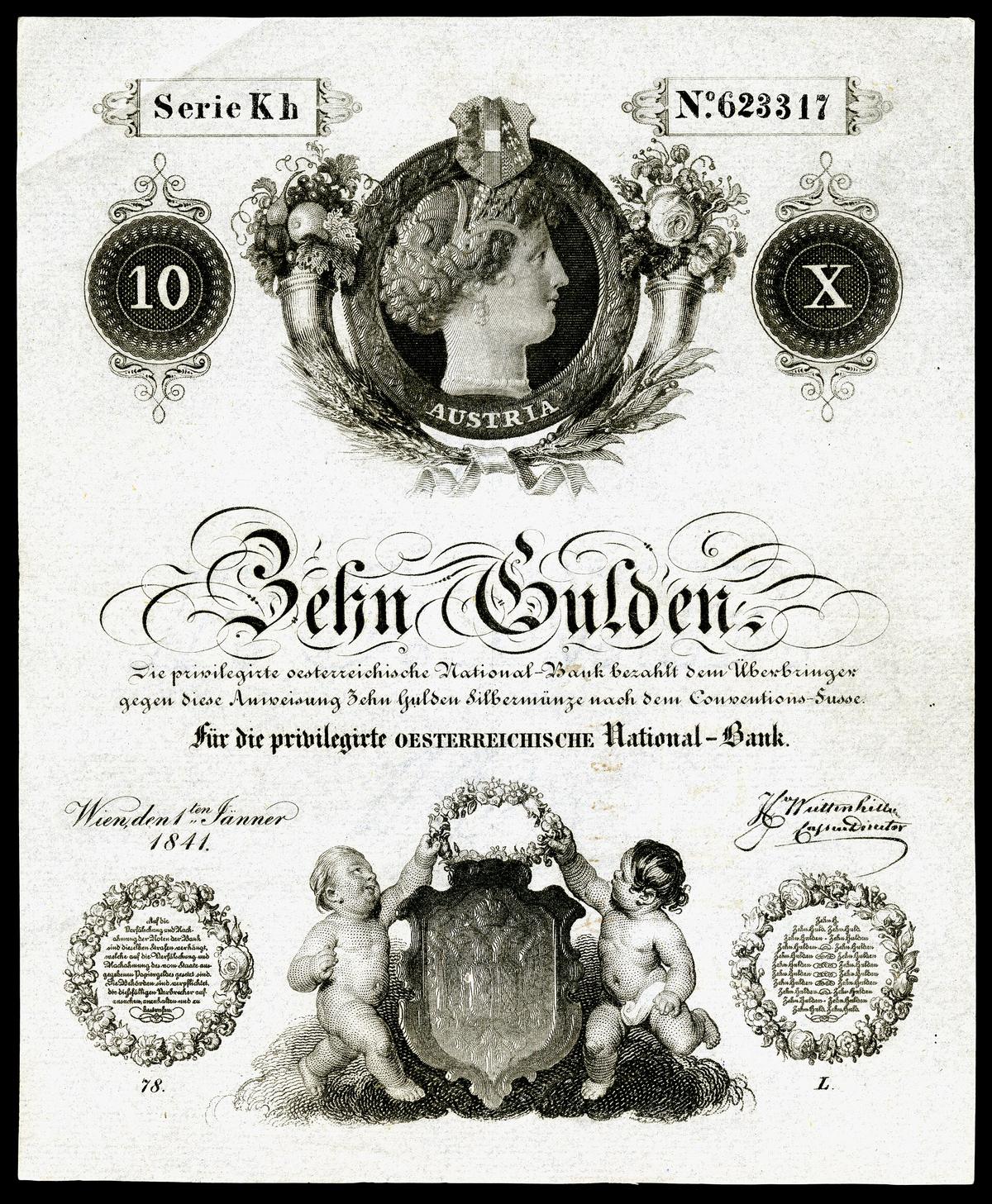
Austria adopted the euro for virtual transactions on 1 January 1999 and introduced physical notes and coins on 1 January 2002. The Oesterreichische Nationalbank (OeNB) manages the issue. Banknotes come in denominations set by the European Central Bank. Coins run from 1 cent to €2. You will use small notes most often; larger notes can be hard to break in rural shops.
How Much Cash to Carry by Region
The rule: carry enough cash to cover a full day of spending in the region you are in. For Vienna and other cities, a working figure is a modest sum per person per day, covering meals, coffee, tram tickets, and incidentals. For the Alpine regions, Tyrol, SalzburgerLand, the Hohe Tauern area, raise that amount because huts and small ski-lift ticket windows often have no card terminal at all. For remote valleys and any Sunday, when everything is shut, carry enough to get through the weekend. Withdraw it on Saturday.
.jpg)
Austria Euro Currency: What You Need to Know
The euro is the sole legal tender. There is no parallel money, no regional scrip, no special Alpine euro. Every price you see is in EUR.
Avoid Exchange Bureaux
Exchange offices in airports and city centres charge widely varying commissions and rates. Do not use them. The best rate comes from an ATM withdrawal using your home bank card, provided you decline dynamic currency conversion (DCC). DCC is a trap: the ATM offers to charge your card in your home money at a poor exchange rate. Always choose to be charged in EUR. The screen will show the option; the default button is often set to "Accept" or shows the local denomination highlighted. Read it carefully and select the EUR option.
VAT and What You Get Back
VAT rates affect what you pay. The standard rate is 20% on most goods and services. Accommodation is taxed at a reduced 10%. Food and non-alcoholic drinks in restaurants also fall under the 10% rate. Non-EU residents can claim a refund on the VAT portion of purchases over a threshold per shop on the same day. Get the form at the shop, have it validated by customs when you leave the EU, then submit for a refund.
Austria Card Acceptance: Where Cards Work and Where They Do Not
Card acceptance in Austria depends on the type of card, the location, and the size of the business.
Cities Versus the Countryside
In cities, Visa and Mastercard are accepted at major hotels, chain stores like Spar and Billa, department stores, and tourist-facing restaurants. Maestro and VPay, the old-style debit cards, are even more widely accepted because they are the dominant domestic card types. In rural areas, the situation reverses: Maestro and VPay are often accepted where Visa and Mastercard are not. Many small businesses, Heurigen, Almhütten, and village bakeries still have terminals that only read Maestro or VPay.
Mountain huts and remote inns are frequently cash-only. Some huts post a sign at the entrance stating "Nur Barzahlung", cash payment only. Do not assume you can negotiate. The hut has no phone signal to process a card, no electricity for the terminal, or simply chooses not to carry the cost of card fees. Pay with cash.
The contactless payment ceiling before a PIN is required sits around a threshold set by the payment networks. If your transaction exceeds that amount, you will need to insert the card and enter your PIN.
Austria ATM Tips: Where to Withdraw and What to Avoid
ATMs in Austria are called Bankomaten. The Bankomat network is the national brand, operated by the major Austrian banks. You will find them outside bank branches, in train stations, and in shopping streets in every city.
Bank Machines Versus Independents
Bank-owned ATMs usually charge no surcharge for domestic and EU-issued cards. Your own bank may still apply a foreign transaction fee, but the ATM operator will not add one. Independent ATMs, look for Euronet, Euronet Worldwide, or generic terminals in convenience stores and tourist spots, charge fees that are displayed on screen before you complete the withdrawal. Those fees are often higher than bank ATMs. Always use a Bankomat branded machine when possible.
Minimum withdrawal amounts vary by bank. Maximum per transaction is set by your home card issuer. In small villages, ATMs are sparse. The nearest one may be in the next town, which on a Sunday could be a 20-minute drive. Plan ahead.
Dynamic currency conversion appears at ATMs too. The machine asks if you want to be charged in your home denomination. Decline it. The exchange rate offered is worse than what your bank would give you for a EUR transaction.
Austria Tipping Customs: Rounding Up is the Norm
Tipping in Austria follows a clear pattern: round up to the nearest convenient amount, and for good service add 5 to 10 percent of the total.
Restaurants, Cafés and Bars
In restaurants, hand the cash directly to the server and say the total you want to pay, including the tip. If the bill is €28.50, hand over €30 and say "Dreißig" (thirty). The server understands that the €1.50 is the tip. Adding a tip to a card payment is uncommon outside tourist areas; the server may not be able to process it, or the terminal may not have a tip line. Carry small notes for this purpose.
In cafés and bars, round up to the nearest euro or leave the small change. For a coffee costing a few euros, leave a round figure.
Taxis, Hotels and Guides
For taxis, round up to the nearest euro or add about 10 percent. A fare in the high teens becomes a round twenty.
Hotel porters: €1 to €2 per bag. Housekeeping: €1 to €2 per night, left in the room. Tour guides: €2 to €5 per person for a half day; €5 to €10 per person for a full day.
Service charge is not automatically included in menu prices in Austria. If it is, the menu will state it. When it is not included, the tip is your way of acknowledging service. Rounding up is the local custom and is appreciated.

The Sunday Problem and Other Cultural Frictions
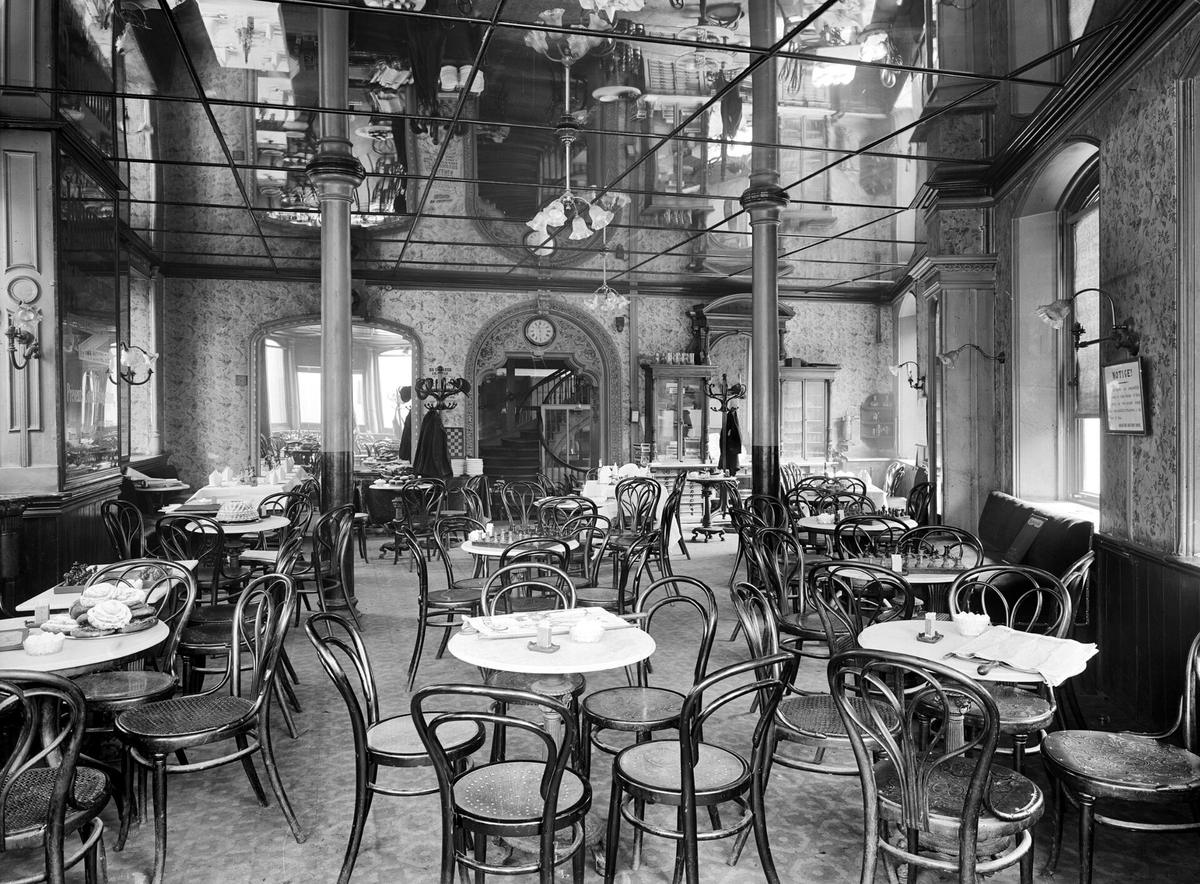
Sundays and public holidays shut down nearly everything. Supermarkets, pharmacies, and most shops close completely. Only petrol stations, railway station shops, and some bakery outlets remain open. Arrive on a Sunday with no cash and no groceries, and you will eat at a hotel restaurant or go hungry. ATMs still work, but the cash you withdraw on Saturday is the cash you have until Monday.
Public toilets use coin-operated turnstiles. Carry a handful of 50-cent and 1-euro coins at all times. The cost is small change.
Tap water in restaurants is not culturally standard. Asking for Leitungswasser may be refused or met with irritation unless you are also ordering coffee, wine, or a meal. Order a bottle of still water (Mineralwasser ohne Kohlensäure) instead.
Mountain weather shifts fast, and cable cars close in high winds. Check the Bergfex app before ascending. Mobile signal drops to zero in deep Alpine valleys and on some high passes. Download offline maps and train tickets before you travel.
How Much Cash Per Day: a Practical Rule
Here is the number that matters. Carry cash for the entire day, every day, because you will not know which café or hut will reject your card.
City Budgets
In Vienna, Salzburg city, Innsbruck, and Graz: a moderate sum per person per day. This covers three meals, two coffees, tram tickets, and a museum entry. You can use a card for the hotel and for any large purchase, but keep the cash for smaller transactions.
Alpine and Remote Budgets
In the Salzkammergut, Tyrolean valleys, and the Hohe Tauern region: raise the amount per person per day. Mountain huts, small ski-lift ticket offices, and village bakeries are cash-only. A lunch at a hut with soup, a main course, and a drink adds up fast. Dinner at a Gasthof runs similar. Add a snack and a coffee and you have used most of your daily cash before the day is half done.
In remote areas with no ATM in the village: carry the highest daily minimum. If you are hiking in the Verwall or the Rätikon, or staying in a self-catering chalet in a valley without a bank branch, you may not see a Bankomat for three days. Withdraw before you leave the last town.
Common Questions
Can I use my credit card everywhere in Austria?
No. Visa and Mastercard are widely accepted in cities and at major hotels and chain stores. In rural areas, small businesses, mountain huts, and Heurigen wine taverns are often cash-only. Maestro and VPay debit cards have broader acceptance in rural areas than Visa or Mastercard.
Should I exchange money before arriving in Austria?
No. ATM withdrawals using your home bank card give you a better exchange rate than currency exchange offices. Use a Bankomat branded ATM and always decline dynamic currency conversion to be charged in EUR.
How much cash should I carry per day?
In cities, carry a moderate sum per person per day covering meals, coffee, transport, and incidentals. In Alpine regions, raise the amount per person per day. In remote valleys with no ATM, carry the highest daily minimum.
What happens if I try to pay with a card at a cash-only place?
You will be unable to pay. The business will not have a working terminal, or will refuse card payment. You must have cash. If you are caught without it, ask if there is an ATM nearby, there may not be one in a small village, especially on a Sunday.
Do I need to tip in Austria?
Tipping is customary but not mandatory. Round up to the nearest euro or add 5 to 10 percent for good service. Hand cash directly to the server and state the total including the tip. Adding a tip to a card payment is uncommon.
Read next
-
 Staying connected in Austria with eSIM, local SIM, or just hotel WiFi
Austrian mobile coverage vanishes in the places you need it most: deep Alpine valleys and high passes.
Staying connected in Austria with eSIM, local SIM, or just hotel WiFi
Austrian mobile coverage vanishes in the places you need it most: deep Alpine valleys and high passes.
-
 Best Time to Visit Austria for Cities, Lakes and Skiing Without Crowds
Austria's seasons dictate what's open: Christmas markets end on 24 December, the Salzburg Festival consumes July and August, and many hotels close the first
Best Time to Visit Austria for Cities, Lakes and Skiing Without Crowds
Austria's seasons dictate what's open: Christmas markets end on 24 December, the Salzburg Festival consumes July and August, and many hotels close the first
-
 Getting Around Austria by Train, Bus and Car Without the Map Mistakes
Austria's ÖBB rail network is excellent but unforgiving: Sparschiene tickets are train-specific and worthless if missed, and motorways eat schedules.
Getting Around Austria by Train, Bus and Car Without the Map Mistakes
Austria's ÖBB rail network is excellent but unforgiving: Sparschiene tickets are train-specific and worthless if missed, and motorways eat schedules.
-
 Austria Visa Requirements and Schengen Entry Rules for Travellers
Austria is in the Schengen zone. Most short-stay visitors from wealthy countries enter visa-free, but passport validity and upcoming ETIAS rules still apply.
Austria Visa Requirements and Schengen Entry Rules for Travellers
Austria is in the Schengen zone. Most short-stay visitors from wealthy countries enter visa-free, but passport validity and upcoming ETIAS rules still apply.
-
 Is Austria Safe, Reading the Advice Without the Anxiety Spiral
Austria is very safe for visitors. The real risks are mountain weather shifts and overestimating hiking ability, not street crime, though Vienna pickpocketing
Is Austria Safe, Reading the Advice Without the Anxiety Spiral
Austria is very safe for visitors. The real risks are mountain weather shifts and overestimating hiking ability, not street crime, though Vienna pickpocketing
-
 What a trip to Austria costs in real terms and where the money actually goes
Austria costs are shaped by rigid rules, not just choices: Sunday closures, cash-only huts, and non-refundable train tickets define the budget more than any
What a trip to Austria costs in real terms and where the money actually goes
Austria costs are shaped by rigid rules, not just choices: Sunday closures, cash-only huts, and non-refundable train tickets define the budget more than any
-
 Vienna
 is an imperial capital that kept the museums after losing the empire. Here is what the city is actually like beyond the postcard images, and who it
Vienna
Vienna is an imperial capital that kept the museums after losing the empire. Here is what the city is actually like beyond the postcard images, and who it
-
 A Ground-Level Logistics Guide to Independent Travel in China
First-time independent travel in China: what you need to know about visas, rail booking, eSIMs, mobile payments, and power adapters.
A Ground-Level Logistics Guide to Independent Travel in China
First-time independent travel in China: what you need to know about visas, rail booking, eSIMs, mobile payments, and power adapters.
-
 How Solo Travelers Stay Ahead of Flight Delays and Cancellations
How solo travelers can track inbound aircraft, claim rebooking rights, and adjust ground transport when flights go wrong — step by step.
How Solo Travelers Stay Ahead of Flight Delays and Cancellations
How solo travelers can track inbound aircraft, claim rebooking rights, and adjust ground transport when flights go wrong — step by step.