Finding Your Turkey Best Travel Season Beyond the Usual Advice
June through August brings guaranteed sun and doubled coastal prices, while April-May and September-October offer mild weather and fewer crowds on the ruins.
Turkey best travel season by region: Turkey by Season Without the Brochure Promises
Turkey best travel season choices depend on whether the route prioritises the coast, the central plateau or eastern mountains.
At 10:00 on a July morning, the marble street of Ephesus is already shoulder to shoulder. The Library of Celsus throws no shade, and the only water fountain is at the entrance you left twenty minutes ago. This is where the brochure promise of the 'turkey best travel season' collides with the real calendar. The question is not which season is good. It is which season is good for what you are actually trying to do, and how much friction you will absorb.
June Through August: the Peak Season You Pay for
Heat, Crowds, and Peak Prices
July is the absolute peak. Coastal resort prices double. A room that costs a modest sum in May goes for roughly double in July, and the beach clubs on the Bodrum Peninsula fill by mid-morning. Ephesus is uncomfortably crowded by 10:00, which is also when the sun turns the site into a heat trap. Arrive at opening or skip it until autumn. Istanbul in August is oppressively humid, the kind of humidity that makes the walk from Sultanahmet to the Basilica Cistern feel like a chore. Book the cistern's timed entry online; showing up without one means queuing in the heat.
The One Peak Season Advantage
The only upside of the peak: balloon reliability in Cappadocia. Flights run nearly every day from June into September, with cancellation rates below 10 percent. If ballooning is the reason you are coming, peak season is the safe bet. If it is not, avoid peak season entirely.

Avoid Kurban Bayramı and the Coastal Shutdown
The four day Kurban Bayramı festival, dates shift annually, turns intercity roads into gridlock. Buses sell out days in advance. Coastal resorts are fully booked by domestic travellers. If you arrive during that window, expect airport transfer times to double and restaurant service to slow.
On the other side of the calendar, January and February shut down the Aegean and Mediterranean coasts. Many hotels and restaurants in Antalya's Kaleiçi and the Kaş Peninsula close entirely. The Antalya Old Town is quiet but hollow. If you want to spend time on the Turquoise Coast in winter, call ahead and confirm that your pension is actually open. Do not assume anything.
What Each Season Actually Delivers
| Season | Months | Coastal Reality | Interior Reality | What to Book |
|---|---|---|---|---|
| Spring shoulder | April May | Wildflowers on Aegean and Mediterranean coasts; warm days, cool sea; occasional rain | Mild days, cold nights; Central Anatolia green and pleasant; Eastern Anatolia thawing, some high passes still closed | Cappadocia valleys for hiking; Lycian Way trekking; Ephesus before the crowds arrive |
| Peak summer | June July August | Hot and dry; sea temperature reaches its warmest in August on the Mediterranean; resort prices double; Istanbul humid and oppressive in August | Hot and dry in Central Anatolia; extreme heat in Southeastern Anatolia, daytime temperatures above 40°C | Cappadocia balloon flights; coastal beach clubs; book accommodation months ahead |
| Autumn shoulder | September October | Sea still warm from summer; air temperatures moderate; reduced crowds; short rains begin on Mediterranean coast | Warm days, cooling rapidly at night; harvest season; first snow in Eastern Anatolia by late autumn | Ephesus in morning light; Pamukkale travertines at opening; Selçuk agricultural quiet |
| Winter low | December January February March | Mild and wet on Mediterranean and Aegean coasts; many resort towns partially shut down; Black Sea coast cool and rainy | Cold with snow; Central Anatolia regular snowfall; Eastern Anatolia severe cold, heavy snow, road closures; Cappadocia snow cover | Ski resorts at Uludağ, Palandöken, Erciyes; Eastern Turkey winter access limited to Van, Kars, Erzurum airports |
Cappadocia Winter Snow and Balloon Cancellations
Snow, Empty Trails, and Cancelled Flights
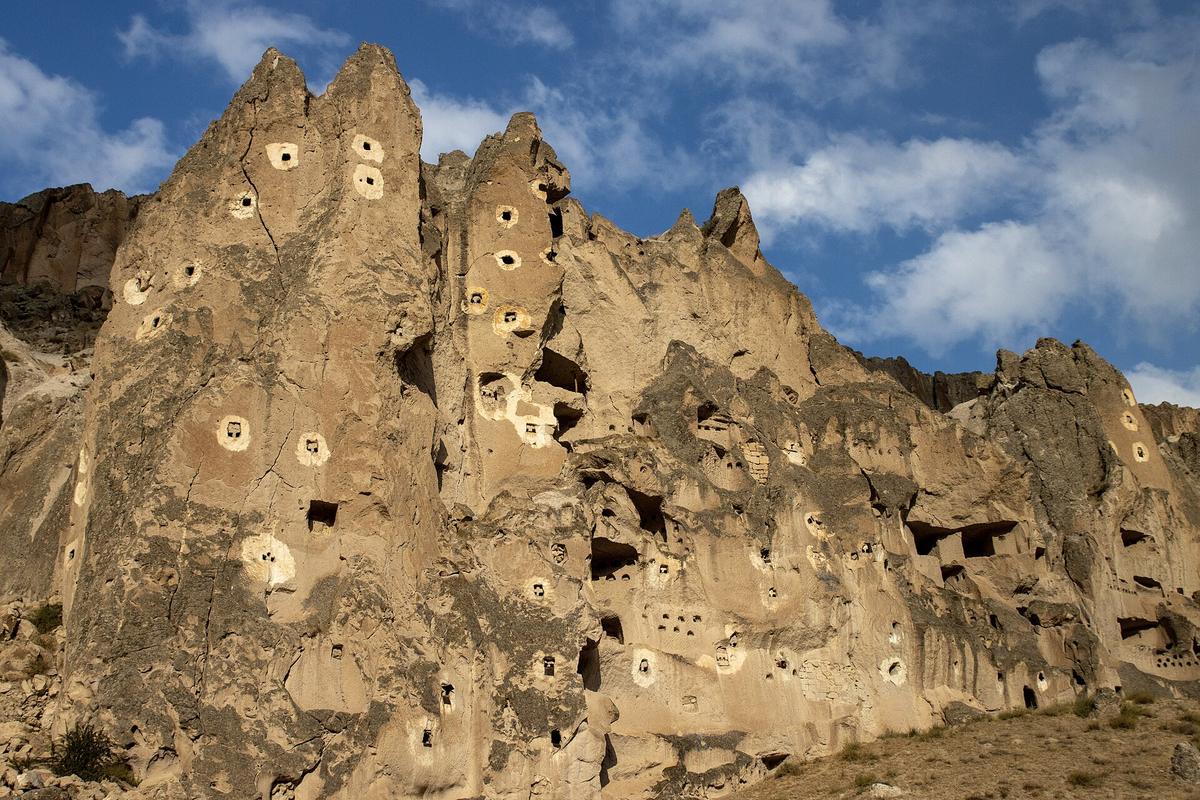
Cappadocia in winter delivers snow on the fairy chimneys and empty valley trails, which is a photographic gift. The trade off is brutal. Balloon flights are cancelled roughly 30 percent of winter days due to wind or snow. If you book a three night stay expecting a flight on the first morning, you may end up watching the launch pads stay empty from your cave hotel rooftop. Allow at least five nights in the region during December into March. That gives you multiple launch windows.
What Stays Open
Some cave hotels remain open, but outdoor activities are weather dependent. Göreme Open Air Museum and Derinkuyu Underground City are open year round, but Derinkuyu is claustrophobic and not for anyone with mobility limits, regardless of season. Snow on the ground does not change that.
Turkey April May Wildflowers and the Spring Shoulder
April and May are the months when the Aegean and Mediterranean coasts explode with wildflowers. The hillsides around Selçuk and the Lycian Way turn green and colourful. Temperatures are warm but not punishing. The sea is still cool, so swimming is a quick plunge rather than a long float. Expect occasional rain, and know that Eastern Anatolia's high passes may still be closed from snow.
The practical advantage is fewer crowds. Ephesus in late April early in the morning has room to breathe. Walk the travertines at Pamukkale without queuing. Hotels in the Antalya Old Town and Kaş Peninsula charge shoulder rates, not peak rates. If wildflowers and hiking are your priority, this is the window. If you want guaranteed beach weather, wait until June.
Turkey September October Crowds and Golden Light
September and October are the smart traveller's peak. The sea is still warm, the Mediterranean reaching its peak warmth in September. Air temperatures moderate. The crowds from the European school holidays have gone home. Ephesus in October is manageable. The Library of Celsus has light that actually photographs well. The golden hour on the Cappadocia valleys is extended, and balloon cancellation rates drop to the 5 to 10 percent range.
The trade off: short rains begin on the Mediterranean coast in October, and Eastern Anatolia sees the first snow by late autumn. The advantage is clear: lower accommodation prices, fewer people, and the same warm sea. The disadvantage is that some coastal restaurants and beach clubs reduce hours or close by mid October. Check with your hotel before booking late October on the Bodrum Peninsula or Kaş.

Turkey July August Heat and How to Survive it
Plan Around the Heat
July and August deliver heat that is not abstract. Southeastern Anatolia regularly exceeds 40°C, which explains why tourism there is minimal. Istanbul in August is oppressively humid, a combination of high temperatures and Bosphorus moisture that makes walking through Sultanahmet exhausting by noon. Plan your day around the heat. Arrive at Topkapı Palace at opening. Leave by midday.
Where to Hide from the Sun
Spend the afternoon inside the Basilica Cistern, which stays cool underground, or take a ferry to the Princes' Islands, where the car free streets and sea breeze offer relief. Drink ayran with everything. It is the salty yoghurt drink that replaces electrolytes. Avoid July and August entirely if your itinerary leans hard on Istanbul and Ephesus. If you must travel then, budget for taxis between sites and carry a refillable water bottle.
The Winter Coastal Shutdown and What to Do Instead
Redirect to Istanbul, Cappadocia, or the East
January and February on the Aegean and Mediterranean coasts are not a secret quiet season. They are a shutdown. Hotels in the Kaş Peninsula and smaller towns on the Bodrum Peninsula close. Restaurants reduce to a single option per town. The weather is mild and wet, not warm and sunny. Redirect. Go to Istanbul, which is cold but active, or to Cappadocia for the snow. Go east.
Eastern Anatolia in Winter
Eastern Anatolia in winter is severe, with snow cover on settlements above 1,500 metres, but Van, Kars, and Erzurum airports remain open. The Ani ruins near Kars, the Armenian ghost city on the closed Armenian border, are accessible by taxi from Kars, a 45 minute ride. The windswept border silence is dramatic. Road access to remote sites like Mount Nemrut summit is blocked by snow December into March, so check the Directorate General of Highways road condition reports before driving.
Getting the Season Right for Your Trip
Turkey requires 10 days minimum. Anything less forces a choice between the Istanbul Cappadocia axis and the coast, and internal travel eats a full day per major region change. The common mistake is trying to stitch together Istanbul, Cappadocia, Ephesus, Pamukkale, and Antalya in two weeks without accounting for the 10 to 12 hour overnight bus legs between them. You will spend the trip in transit rather than in place.
The season you choose determines whether that transit is comfortable or punishing. Summer overnight buses are air conditioned. Winter overnight buses can hit snow delays. Spring and autumn are the sweet spot for overland travel. The single thing that most often goes wrong: arriving in a coastal town in winter expecting Mediterranean activity, finding it shut, and having no fallback. Check the accommodation and restaurant status of every town you plan to visit before you book flights. A phone call or an email now saves a day of scrambling later.
Who Turkey Works for and Who it Does Not
Turkey suits history buffs who want Greco Roman, Byzantine, and Ottoman layers in one trip. It suits landscape photographers chasing otherworldly terrain. It suits independent overland travellers comfortable with long bus rides. It suits food focused travellers willing to eat beyond kebabs, from the Van breakfast spread to Antep baklava. It suits budget conscious adventurers seeking strong value outside peak coastal resorts.
Turkey is not for travellers seeking a quiet, orderly, or highly accessible European style break. It is not for anyone with very limited mobility outside major museum sites. It is not for those who prefer compact trips with minimal internal transit. It is not for strict vegans eating outside Istanbul's cosmopolitan core, where explaining dietary restrictions can be exhausting. The single thing that most often goes wrong: underestimating the distance between places and the time it takes to cover them, then spending the trip on a bus instead of at the site.
When to Visit Turkey: Five Questions That Actually Matter
When is the cheapest time to go to Turkey?
January and February offer the lowest prices on the coast, but many hotels and restaurants are closed. The actual low season with open services is November and early December, before ski season prices kick in. Spring shoulder April into May and autumn shoulder September into October give you moderate prices with full services.
Can I swim in the sea in April?
You can swim, but you will not want to stay in long. The Aegean sea temperature in April is around 17°C. The Mediterranean warms to roughly 18°C. June into September is the reliable swimming window, with the Mediterranean warmest in August and September at about 28°C.
Does it snow in Cappadocia?
Yes. Cappadocia sees regular snowfall from December into March. The snow creates excellent photographic conditions, but balloon flights are cancelled roughly 30 percent of winter days. Allow at least five nights if ballooning is your goal in winter.
Is it safe to drive in Turkey in winter?
Driving in winter is safe on main highways but risky on mountain passes. Eastern Anatolia and parts of Central Anatolia see road closures November into April. The Directorate General of Highways publishes winter closure status. Rental cars include an HGS toll tag. An International Driving Permit is required if your national licence is not in Latin script.
When are the worst crowds?
July and August are the worst for crowds, combined with peak prices. The four day Kurban Bayramı festival, dates shift annually, creates sudden mass movement that fills intercity buses and coastal hotels. Avoid both if you value empty ruins and available tables.
Read next
-
 Turkey eSIM for Tourists and Phone Registration
Start with uPhone for Turkey and compare its current travel-eSIM terms with local SIMs that start a 120-day phone-registration countdown.
Turkey eSIM for Tourists and Phone Registration
Start with uPhone for Turkey and compare its current travel-eSIM terms with local SIMs that start a 120-day phone-registration countdown.
-
 Turkey Intercity Bus Network, Trains and Domestic Flights
Long-distance buses are the connective tissue of Turkey, but otogars are often built far from city centres, and the YHT high-speed rail does not yet reach the coast.
Turkey Intercity Bus Network, Trains and Domestic Flights
Long-distance buses are the connective tissue of Turkey, but otogars are often built far from city centres, and the YHT high-speed rail does not yet reach the coast.
-
 Turkey e-Visa Requirements for Western Nationals
Most Western nationals obtain a 90-day e-Visa online before travel for $50-80 USD, but land border crossings from Georgia, Iran, and Iraq require separate paperwork.
Turkey e-Visa Requirements for Western Nationals
Most Western nationals obtain a 90-day e-Visa online before travel for $50-80 USD, but land border crossings from Georgia, Iran, and Iraq require separate paperwork.
-
 Turkish Lira Cash or Card: Where Cash Still Wins
Cards work in hotels and restaurants, but Istanbulkart top-up machines take only cash and give no change, and dolmuş minibuses run on coins and notes alone.
Turkish Lira Cash or Card: Where Cash Still Wins
Cards work in hotels and restaurants, but Istanbulkart top-up machines take only cash and give no change, and dolmuş minibuses run on coins and notes alone.
-
 Turkey Safety Advice Context for Independent Trips
Government advisories paint broadly, but the real frictions are aggressive sales culture in tourist zones, Istanbul taxi scams, and the remoteness of the east.
Turkey Safety Advice Context for Independent Trips
Government advisories paint broadly, but the real frictions are aggressive sales culture in tourist zones, Istanbul taxi scams, and the remoteness of the east.
-
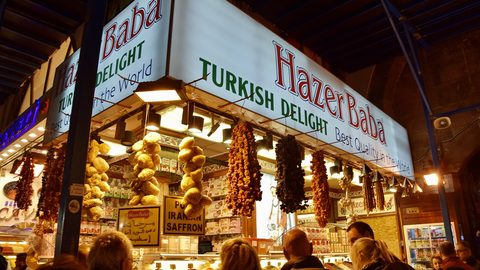 Turkey Trip Cost Breakdown From Streets to Skies
How Turkey trip costs break down by region and travel style, from Istanbul's museum-heavy days to Cappadocia's balloon premium and coastal resort pricing.
Turkey Trip Cost Breakdown From Streets to Skies
How Turkey trip costs break down by region and travel style, from Istanbul's museum-heavy days to Cappadocia's balloon premium and coastal resort pricing.
-
 How to Budget a Trip Based on Purchasing Power, Not Just Exchange Rates
Exchange rates tell only half the story. See how purchasing power shapes your real travel budget across Southeast Asia, Eastern Europe, and Latin America.
How to Budget a Trip Based on Purchasing Power, Not Just Exchange Rates
Exchange rates tell only half the story. See how purchasing power shapes your real travel budget across Southeast Asia, Eastern Europe, and Latin America.
-
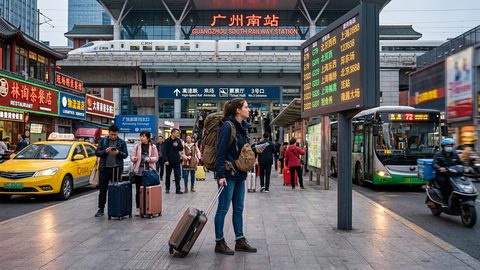 A Ground-Level Logistics Guide to Independent Travel in China
First-time independent travel in China: what you need to know about visas, rail booking, eSIMs, mobile payments, and power adapters.
A Ground-Level Logistics Guide to Independent Travel in China
First-time independent travel in China: what you need to know about visas, rail booking, eSIMs, mobile payments, and power adapters.
-
 How Solo Travelers Stay Ahead of Flight Delays and Cancellations
How solo travelers can track inbound aircraft, claim rebooking rights, and adjust ground transport when flights go wrong — step by step.
How Solo Travelers Stay Ahead of Flight Delays and Cancellations
How solo travelers can track inbound aircraft, claim rebooking rights, and adjust ground transport when flights go wrong — step by step.