Canada Transportation Options for Realistic Itineraries
Canada lacks high-speed rail, Greyhound shut down, and the drive between Toronto and Vancouver is 40 hours of highway. Here is what actually connects the country.
Flights, Trains, Buses, and the Driving Distances That Break Trips
The map makes it look possible to see Canada in one trip. It is not. You cannot drive Toronto to Vancouver in a few days. VIA Rail is a scenic experience, not a practical transit solution. The Greyhound Canada shutdown left a patchwork of regional replacements. The country has no high-speed rail and no single national bus carrier. Accept that flying is the backbone. Ground transport is limited outside the Quebec-Windsor corridor. Everything you book will cost more in time and money than you expect.
The dominant mode is domestic air. Scheduled flights connect every province and territory through hub airports in Toronto (YYZ), Vancouver (YVR), Montreal (YUL), and Calgary (YYC). A flight from Toronto to Vancouver takes roughly five hours in the air. Budget three hours of airport time on each end. That is a full day of travel for what looks like a short hop on a map. Domestic flights are expensive. Book four to six weeks ahead for the lowest fares on WestJet, Air Canada, or Flair. For remote communities, flying is the only option. Churchill, Manitoba, the polar bear capital, is reachable only by air from Winnipeg unless you take a train that takes 48 hours.
.jpg)
VIA Rail Canada Routes: Scenic, Slow, Not a Transit Solution
The One Corridor Where Rail Works
VIA Rail covers the Quebec City-Windsor Corridor with frequent service. This is the single stretch where the train is practical. Outside that corridor, VIA Rail becomes a slow and expensive alternative.
The Long-Distance Experience Routes
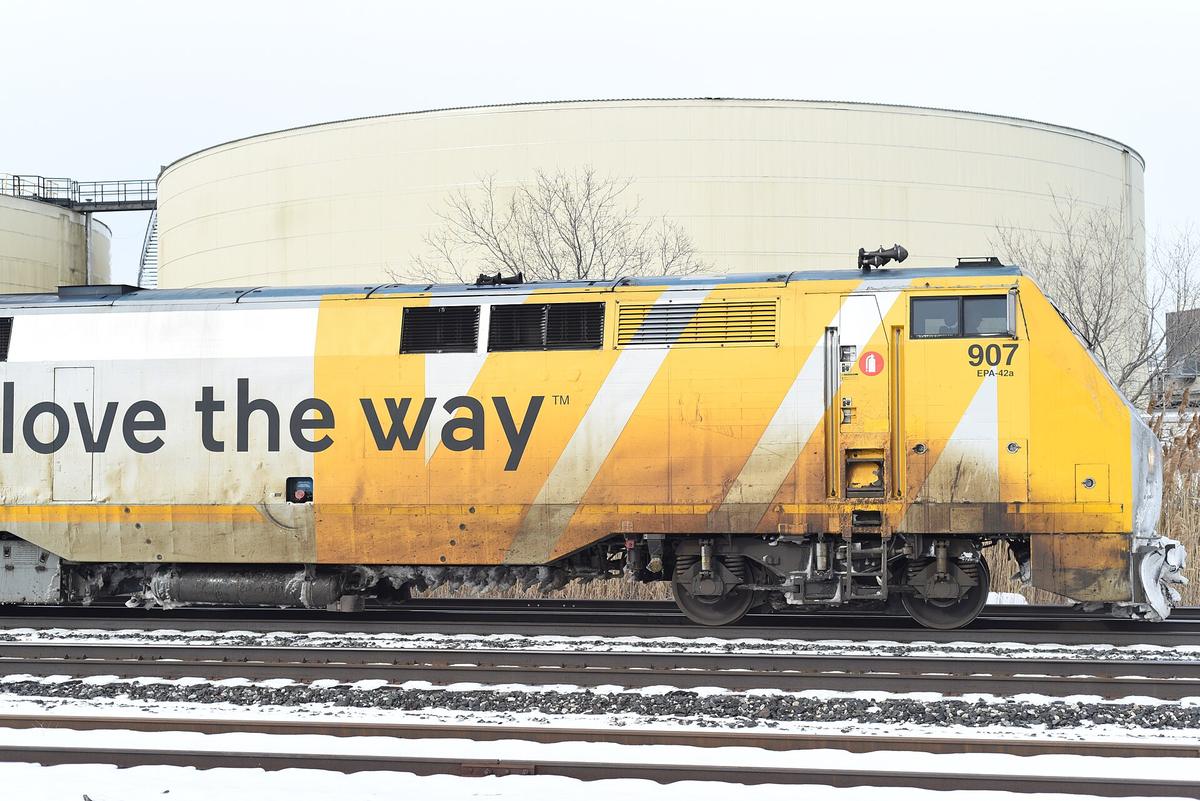
The Canadian, running Toronto to Vancouver, takes about four days. A berth in a sleeper cabin costs a premium, and the train stops at small prairie towns where you can stretch your legs but nothing more. The Ocean runs Montreal to Halifax three times per week year round. The Skeena goes from Jasper to Prince Rupert through the mountains. The Hudson Bay line reaches Churchill from Winnipeg, a 1,700 km journey that takes roughly 48 hours. No VIA Rail service exists on the island of Newfoundland or in the three territories. If you want to see the Rockies from a dome car and have the time and budget, book The Canadian in peak season June to September. If you are trying to get from point A to point B fast, take a flight.
Greyhound Canada Replacement Bus: a Patchwork You Must Research
Greyhound Canada shut down its inter-city services in 2021. The replacement network is a set of private operators with no single booking system. Rider Express runs routes across the Prairies and British Columbia, including Calgary to Vancouver. Maritime Bus covers New Brunswick, Nova Scotia, and Prince Edward Island. Ontario Northland connects Toronto with northern Ontario towns including Cochrane and Moosonee. FlixBus operates on the Toronto-Montreal-Ottawa triangle. Each operator has its own website, its own ticket rules, and its own schedule. Seats may be reserved or unreserved depending on the operator.
Where the Bus Works and Where It Fails
For the Quebec-Windsor corridor, the bus network is functional and cheap. Outside that corridor, frequency drops to once daily or less. Check each operator's schedule before building an itinerary. Expect a service gap in the regions between Winnipeg and Thunder Bay: no single bus covers that stretch.
Driving Across Canada Distances: What the Map Hides
The Numbers That Break the Fantasy
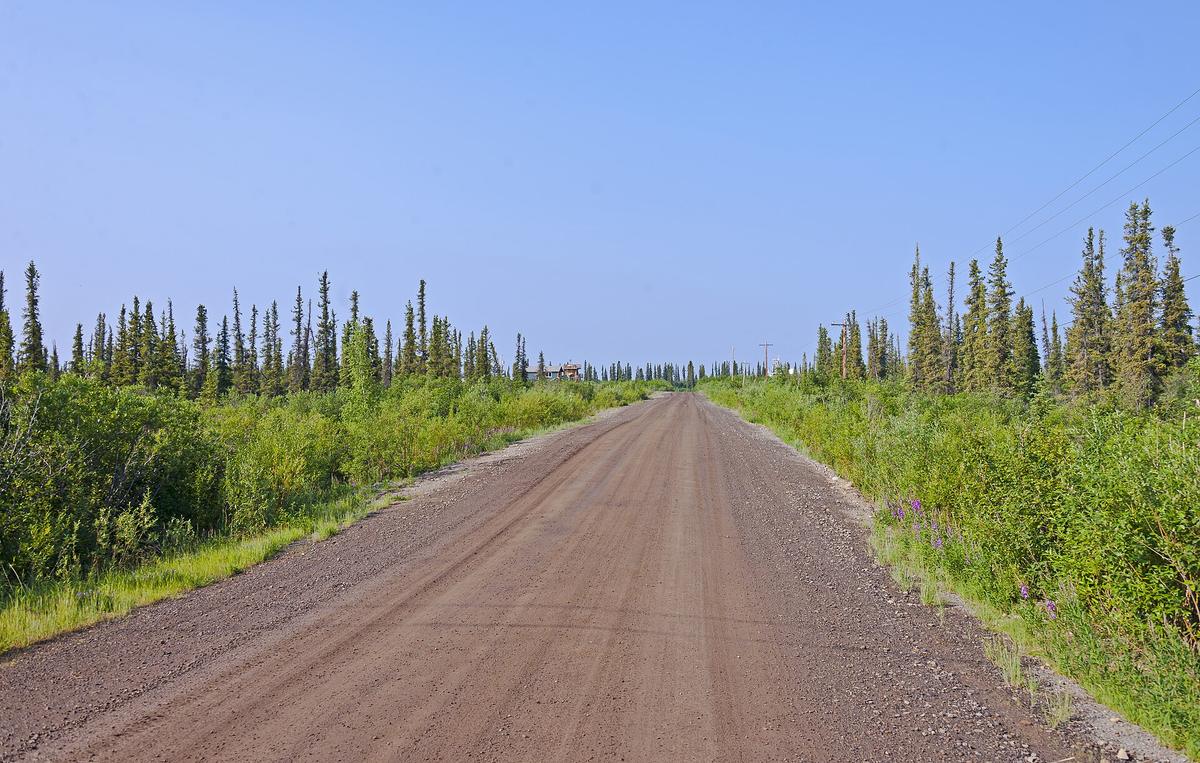
This is where the fantasy collapses. The Trans-Canada Highway runs roughly 12,800 km from Victoria to St. John's. Toronto to Vancouver is a non-stop drive of 40-plus hours of pure highway, much of it through featureless terrain north of Lake Superior. You will need five to seven days of hard driving to do it with stops. Vancouver to Calgary looks close on a map, but the road distance is 970 km through the mountains. That takes 10 to 12 hours without stops. Toronto to Thunder Bay is 1,400 km via Highway 17, 15 to 17 hours of driving. Montreal to Labrador City is 1,200 km with gravel sections, 14 to 16 hours. No roads connect to Nunavut. Many communities in northern Saskatchewan, Manitoba, Ontario, Quebec, and Labrador have no road access at all.
Winter Rules You Must Know
Winter driving in mountain national parks requires winter tires or chains on specified highways in British Columbia and Alberta from October 1 to April 30. Quebec requires winter tires province-wide December 1 to March 15.
The Quebec Windsor Corridor is the Exception
Inside the Quebec-Windsor corridor, ground transport works. Frequent VIA Rail trains connect Quebec City, Montreal, Ottawa, Toronto, and Windsor. Buses from FlixBus and Ontario Northland add cheap backups. The UP Express train from Toronto Pearson to Union Station takes 25 minutes and costs CAD 12.35. Montreal's 747 Express Bus from Trudeau Airport to downtown takes 45 to 70 minutes and costs CAD 11.00. Vancouver's Canada Line SkyTrain from YVR to downtown takes 25 minutes and costs CAD 9.00. Calgary has no airport train; take a taxi or ride-share to downtown. If you are covering the corridor, you can move between cities in half a day. If you leave that corridor, you are flying.

Intercity Travel Guide: Time and Money Per Option
Flying
Toronto to Vancouver: 5 hours in air plus 3 hours airport time. Book four to six weeks ahead for the lowest fare on WestJet, Air Canada, or Flair.
VIA Rail
Toronto to Vancouver on The Canadian: 4 days. A sleeper cabin costs a premium. Book in peak season June to September if you want the dome-car Rockies experience.
Bus
Toronto to Montreal: 6 hours. Use FlixBus or Ontario Northland on the corridor. Outside the corridor, check each regional operator's schedule before committing.
Driving
Toronto to Vancouver: 40-plus hours of driving. Fuel cost runs high plus two hotel nights minimum. Vancouver to Calgary: 970 km, 10 to 12 hours. Mountain passes add time in winter.
Ferry and Remote Access
Coastal ferries in British Columbia and Atlantic Canada run year round with reduced frequency November to April. For the Dempster Highway to Tuktoyaktuk, the gravel road is open year round but ferry crossings are replaced by ice bridges approximately late November to late April. For Churchill, your only ground option is the 48-hour VIA Rail journey from Winnipeg. For any trip that requires connecting more than two regions, budget a full day of transit between each one.
What Goes Wrong: the Common Mistakes
Assuming you can drive between Toronto and Vancouver in a few days. That is the single thing that trips visitors up. The second mistake: underestimating geographic scale and trying to visit both the East and West coasts in a single 10-day trip. You burn at least four full days on internal flights and airport transfers. The third: ignoring mobile connectivity. Cross-country mobile plans are a patchwork. A SIM bought in Toronto may hit roaming charges in Manitoba. Public WiFi is scarce outside coffee chains.
Carry a Garmin inReach satellite communicator for wilderness travel. Cellular dead zones begin 15 minutes outside any city. Download offline maps for entire provinces before leaving. National Parks require advance vehicle passes and shuttle reservations for Lake Louise and Moraine Lake. Parking fills by 7am. Tipping culture requires 18 to 20 percent minimum on restaurant bills, not a reward for exceptional service.
Who This Works for and Who Should Skip it
Who Should Go
Road-trippers who love long-haul driving through epic scenery. Wildlife and wilderness enthusiasts willing to rough it. Winter sports addicts seeking deep powder and reliable ice. Second-time North America visitors looking for a safe, English-speaking adventure with a different cultural texture.
Who Should Skip It
Travellers on a tight budget. Domestic flights, trains, and even mid-range hotels are shockingly expensive. Anyone seeking a quick highlights-only trip. You cannot do Canada in a week. Urban nightlife connoisseurs who prioritize late-night clubbing over outdoor daytime activities. The minimum time to realistically cover two distinct regions without spending the entire trip in transit is 14 days. The peak window is June to September for warm weather hiking and guaranteed access to mountain parks without snow closures. Avoid late November to early April if you are not skiing. Many rural attractions close and daylight is minimal.
Common Questions
What is the fastest way to get between Toronto and Vancouver?
Flying. The flight takes roughly five hours. VIA Rail's The Canadian takes four days. Driving takes 40-plus hours of non-stop highway time. Book a domestic flight four to six weeks ahead for the lowest fare.
Can I take a bus across Canada?
No single national bus carrier exists since Greyhound Canada shut down. Regional operators like Rider Express, Maritime Bus, Ontario Northland, and FlixBus cover specific corridors. You cannot buy one ticket for the whole route.
Is VIA Rail a practical way to travel?
Only in the Quebec City-Windsor Corridor, where service is frequent. Long distance routes like The Canadian are scenic and slow: four days from Toronto to Vancouver. Use VIA Rail for the experience, not for speed.
How long does it take to drive from Vancouver to Calgary?
10 to 12 hours without stops. The road distance is 970 km via the Trans-Canada Highway, even though the straight-line distance is only 670 km. Mountain passes can add time in winter.
Read next
-

 Staying Connected Across Canada Without Roaming Surprises
A mobile plan bought from Rogers in Toronto can trigger roaming charges the moment you cross into Manitoba. That is not a glitch. That is Canada.
Staying Connected Across Canada Without Roaming Surprises
A mobile plan bought from Rogers in Toronto can trigger roaming charges the moment you cross into Manitoba. That is not a glitch. That is Canada.
-
 When to Visit Canada and What Each Season Actually Delivers
Canada's reliable travel window runs June to September. Outside that, rural attractions close, daylight vanishes, and winter is aggressively extreme.
When to Visit Canada and What Each Season Actually Delivers
Canada's reliable travel window runs June to September. Outside that, rural attractions close, daylight vanishes, and winter is aggressively extreme.
-
 Who Needs a Visa for Canada and How the Application Actually Works
Whether you need a Canadian visa or an eTA depends on your passport, and the application process runs on its own timeline.
Who Needs a Visa for Canada and How the Application Actually Works
Whether you need a Canadian visa or an eTA depends on your passport, and the application process runs on its own timeline.
-
 Paying for Things in Canada Without Getting Burned by Fees
Canada runs on contactless cards and polymer banknotes, but the tipping culture and sales tax added at the till catch visitors off guard.
Paying for Things in Canada Without Getting Burned by Fees
Canada runs on contactless cards and polymer banknotes, but the tipping culture and sales tax added at the till catch visitors off guard.
-
 Canada Safety Advice That Does Not Treat You Like a Child
Canada is a safe country by global standards, but the real risks are geographic: dead zones, winter roads, and wilderness that does not care about your itinerary.
Canada Safety Advice That Does Not Treat You Like a Child
Canada is a safe country by global standards, but the real risks are geographic: dead zones, winter roads, and wilderness that does not care about your itinerary.
-
 What a Trip to Canada Actually Costs and Where the Money Goes
Canada is not a budget destination. Internal flights, park passes, tipping culture, and seasonal demand in gateway towns create a cost structure that
What a Trip to Canada Actually Costs and Where the Money Goes
Canada is not a budget destination. Internal flights, park passes, tipping culture, and seasonal demand in gateway towns create a cost structure that
-
 A Ground-Level Logistics Guide to Independent Travel in China
First-time independent travel in China: what you need to know about visas, rail booking, eSIMs, mobile payments, and power adapters.
A Ground-Level Logistics Guide to Independent Travel in China
First-time independent travel in China: what you need to know about visas, rail booking, eSIMs, mobile payments, and power adapters.
-
 How Solo Travelers Stay Ahead of Flight Delays and Cancellations
How solo travelers can track inbound aircraft, claim rebooking rights, and adjust ground transport when flights go wrong — step by step.
How Solo Travelers Stay Ahead of Flight Delays and Cancellations
How solo travelers can track inbound aircraft, claim rebooking rights, and adjust ground transport when flights go wrong — step by step.
-
 Why Your eSIM Might Not Work Abroad and How to Check Before You Go
Buying an eSIM doesn't guarantee signal abroad. Learn why coverage fails by location and how to verify reach before you commit to a plan.
Why Your eSIM Might Not Work Abroad and How to Check Before You Go
Buying an eSIM doesn't guarantee signal abroad. Learn why coverage fails by location and how to verify reach before you commit to a plan.